
Review · ROME
Specialty Coffee Workshop & Tasting Experience in Rome
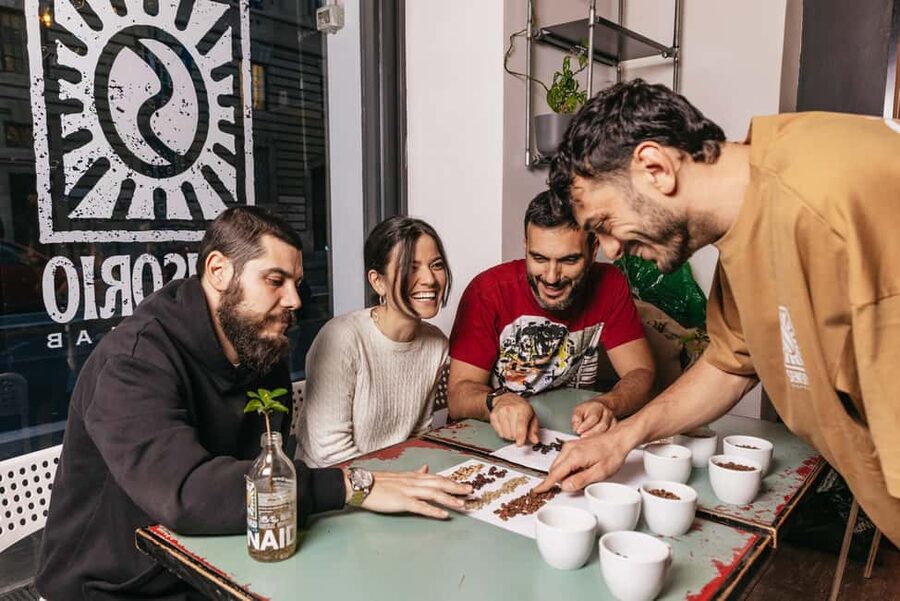
Rome is famous for its coffee bars, but this workshop takes you behind the counter to study what is actually in the cup. You will look at green coffee beans, compare espresso with filter brewing, and taste enough samples to notice how processing and extraction alter flavor.
I like the hands-on tasting of six to eight coffees, and I like the small group size, capped at 10 people. Matteo has been singled out for his warm teaching style, while the owner’s care for bean quality gives the session a clear sense of purpose. The main drawback is simple: at $70, this costs far more than a Roman espresso, and coffee drinkers seeking only a quick tasting may find 90 minutes more instruction than they need.
Key points at a glance
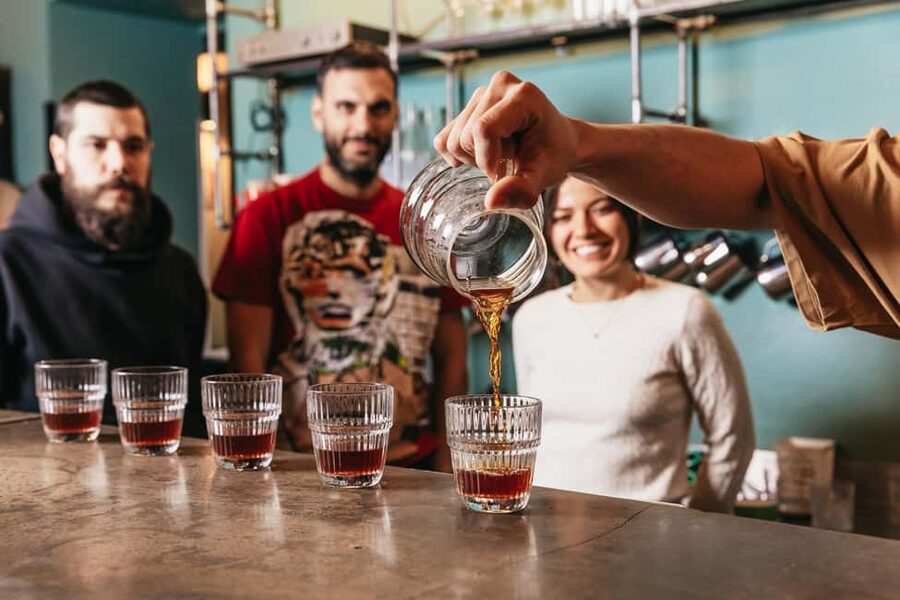
- Six to eight coffee samples: Taste roughly three to four espressos and three to four filter coffees.
- Bean-to-cup lessons: Learn how green coffee, processing, and extraction affect the final drink.
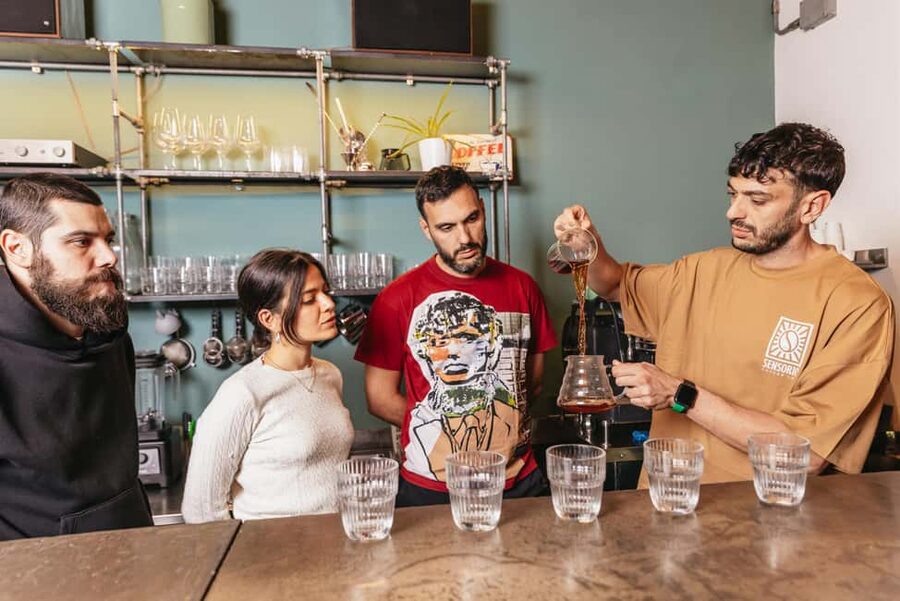
- A hands-on pour-over demonstration: You can see how filter coffee is prepared, not just taste the result.
- Small central Rome setting: The coffee shop is about a 20-minute walk from Trevi Fountain.
- Matteo leads with clarity and warmth: His engaging approach suits beginners as well as serious coffee fans.
- Flexible booking: The 90-minute session is offered in Italian and English, with cancellation up to 24 hours before the start.
Why this Rome coffee workshop is different from a café stop
A normal Roman coffee stop is wonderfully brief. You order at the bar, drink your espresso in a few sips, and move on. This workshop asks you to slow down and pay attention to the parts of coffee that usually pass unnoticed.
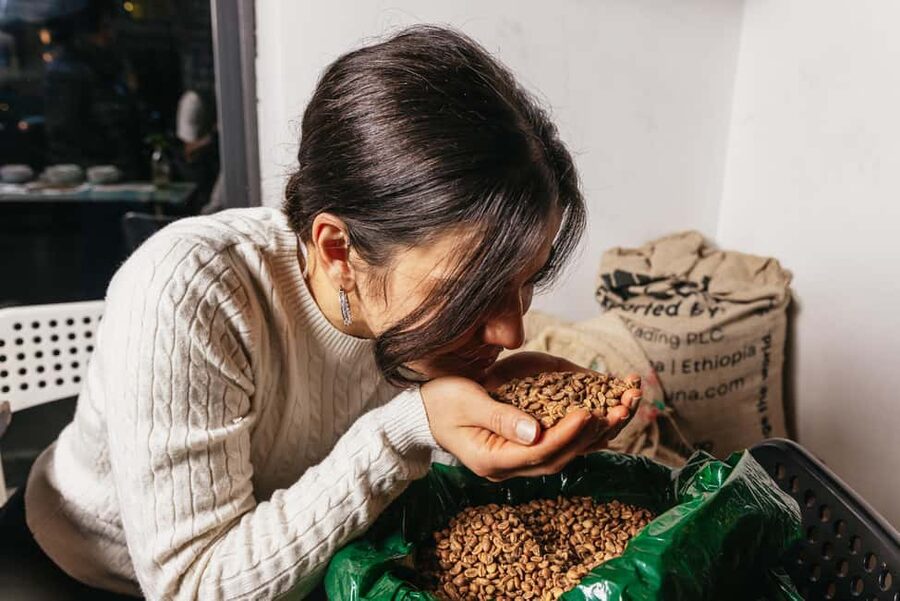
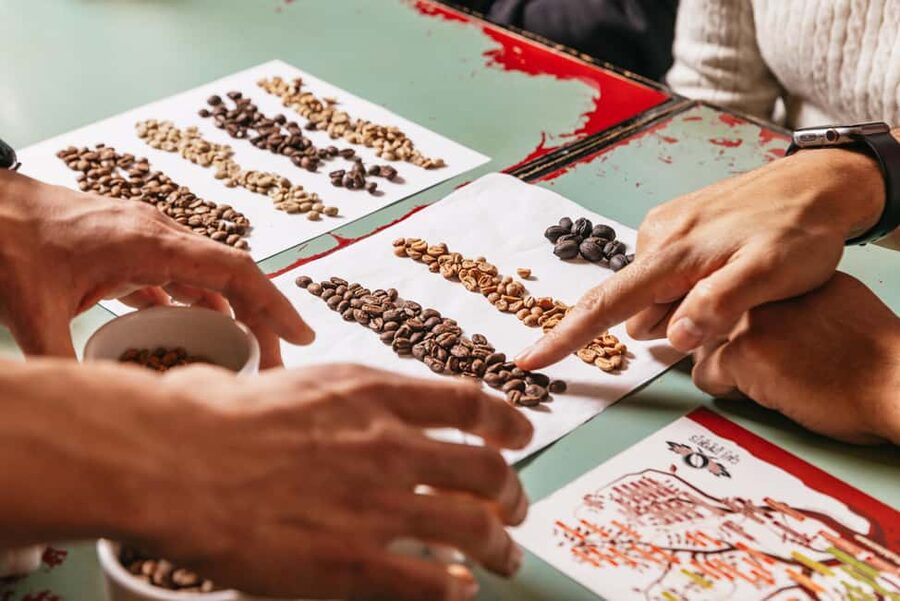
You begin with the raw material: green coffee beans. These are the beans before roasting, and the session explains how their condition and processing help shape the taste you later find in the cup. That matters because coffee flavor is not created only by the barista. The bean itself, how it was processed, and how it was brewed all play a part.
You will then compare different extraction methods. Espresso uses pressure and produces a concentrated drink, while filter brewing gives you a different way to notice aroma, texture, and flavor. The point is not to declare one method better. It is to show how the same broad ingredient can present itself in very different ways.
That makes this a useful experience for anyone who drinks coffee but has never had a clear explanation of why one cup tastes fruity, bitter, clean, heavy, or flat. You are not expected to arrive with a trained palate. The workshop is designed to help you find those differences by tasting them side by side.
More Coffee Tastings in Italy
- Rome: Espresso, Gelato and Tiramisù Tasting Tour
★ 4.9 · 74 reviews - The Best of Polignano a Mare Walking Tour and Special Coffee Tasting
★ 5.0 · 6 reviews - Trieste: coffee dive! espresso tasting
★ 5.0 · 3 reviews
The opening lesson: green beans before the roast
The first part focuses on coffee before it becomes the dark, fragrant bean most people recognize. You will examine the role of green coffee and learn how its processing affects the qualities that later appear in your drink.
This is one of the more valuable parts for beginners. Coffee packaging can be full of terms that sound important but mean little without context. Here, the discussion connects the raw bean to the finished cup, giving you a way to understand why coffees from different sources or processing styles can taste so unlike one another.
You also learn to separate positive and negative attributes. That distinction is practical. A coffee can have an appealing aroma but still taste harsh if it has been poorly prepared, while another may be more subtle but cleaner and more balanced.
The exact teaching order may depend on the pace of the group. The session is not described as a formal roasting class, so you should not expect to roast your own beans. Its focus is tasting, comparison, and understanding the choices that affect extraction.
Comparing three to four espresso tastings
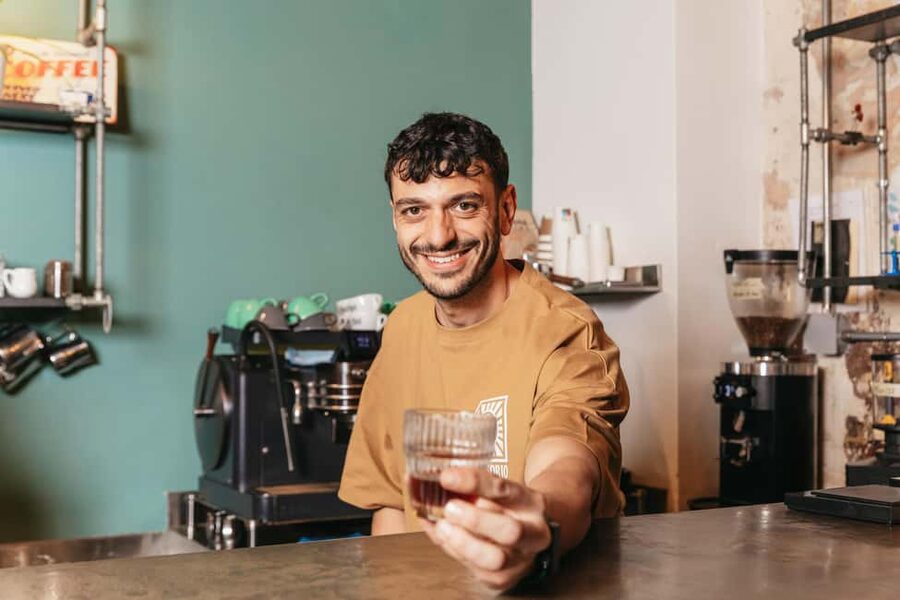
The espresso section gives you several cups to compare rather than one isolated shot. The available information indicates approximately three to four espresso tastings, with one past session including three different espressos.
That number is enough to make comparison useful. After the first espresso, you may notice only that it tastes strong. By the second and third, you can start to identify differences in aroma, acidity, bitterness, body, and finish. The guide helps you put words to those impressions without turning the exercise into a test.
This is also where the workshop can correct a common misunderstanding: strong does not automatically mean good, and bitter does not automatically mean authentic. The goal is to identify what is in the cup, then consider how the brewing method may have brought it out.
The espresso tasting is likely to appeal most to people who enjoy Rome’s traditional coffee culture. You can connect the lesson to the short drinks you will order throughout Italy, but with a better sense of what you are tasting.
There is a practical limit here. Espresso samples are small by nature, and three or four tastings do not represent every coffee style. Still, the side-by-side format is far more useful than drinking one espresso and trying to remember its flavor later.
Watching filter coffee take shape
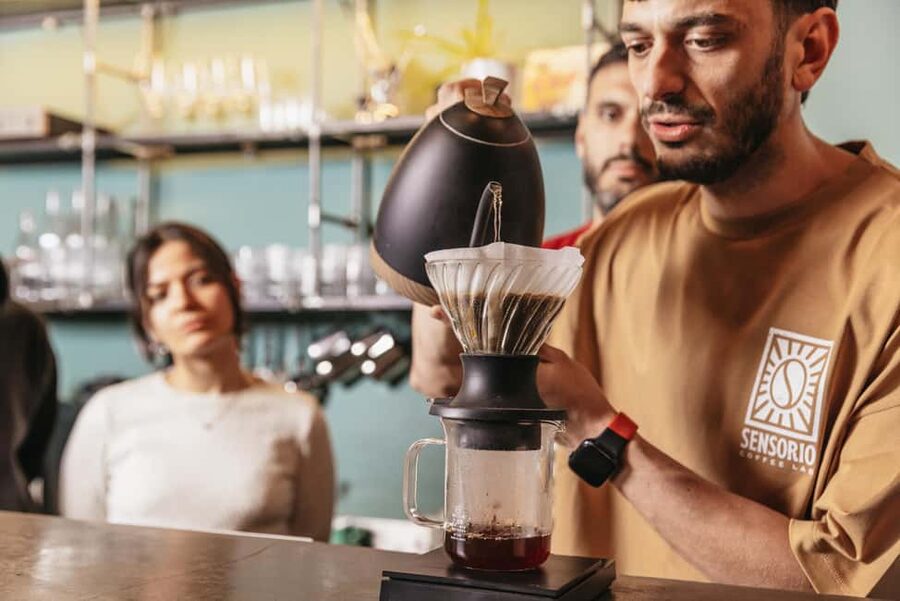
The filter portion changes the pace and texture of the workshop. You will taste approximately three to four filter coffees, and you will also see how a pour-over is made.
That demonstration is important because filter brewing depends on a series of visible choices. Water passes through the ground coffee rather than being forced through under espresso pressure, so the method can reveal different aromas and flavors. Seeing the preparation helps you understand that a pour-over is not simply a weaker espresso.
One past session included a single pour-over alongside three espressos, with the preparation shown step by step. The exact number of filter samples can change according to the group’s pace and interest, so do not treat six to eight as a rigid promise of an identical lineup at every session.
Filter coffee may be especially useful for people who normally drink coffee with milk or sugar. It gives you a chance to focus on the bean’s own character, including lighter aromas and more delicate flavor notes. You may find it easier to compare coffees when they are not concentrated into a small espresso shot.
The workshop does not require you to operate the equipment yourself based on the information provided. You can expect a hands-on learning format and a clear look at the brewing process, but the guide remains responsible for the preparation.
More Roastery Tours in Italy:
- The Specialty Coffee Roastery Tasting Experience in Turin
★ 5.0 · 2 reviews - Hoi An: Vietnamese Coffee Making Workshop at Local Roastery
★ 4.8 · 174 reviews - Cartagena: Colombian Specialty Coffee Tasting
★ 4.4 · 130 reviews - Coffee Farm Tour with Roasting & Tasting Workshop – Da Lat
★ 5.0 · 126 reviews
How brewing changes aroma and flavor
The central lesson is that brewing is not a minor finishing touch. It changes what you notice.
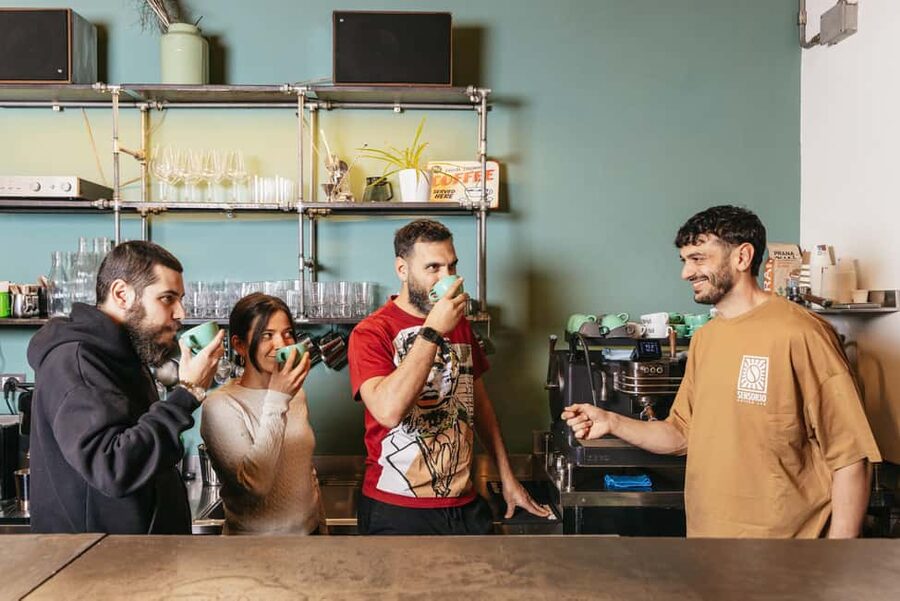
Espresso concentrates the drink and can emphasize body, intensity, and finish. Filter brewing usually gives you more time to notice aroma and the shape of the flavor as you sip. Neither method tells the whole story by itself, which is why tasting both is useful.
The guide will help you look for tasting attributes rather than simply deciding if you like or dislike a coffee. You may discuss aroma first, then flavor, texture, and aftertaste. You do not need a specialist vocabulary. A simple description such as bright, bitter, heavy, clean, or mild can be enough to start.
The session also covers negative qualities. That is a welcome detail because coffee classes sometimes focus only on praise. Learning to notice unpleasant bitterness, dull flavor, or other faults gives you a better way to judge coffee at home and in cafés.
Your palate will not become expert in 90 minutes, and the workshop does not claim it will. What you gain is a framework for paying attention. Afterward, you may find yourself asking why a coffee tastes the way it does instead of treating every dark drink as the same.
A small group makes the tasting easier
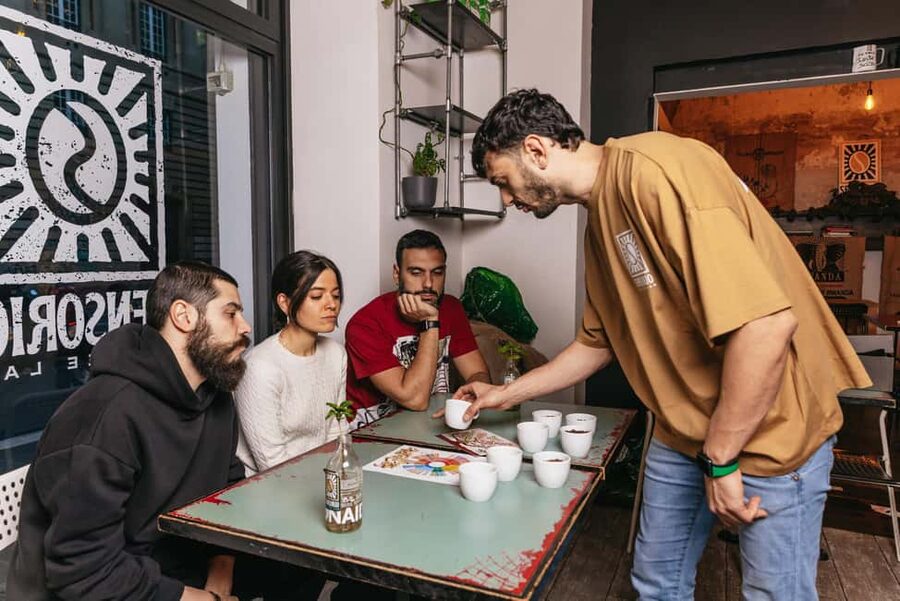
The group is limited to 10 participants, which suits this kind of activity. Coffee tasting works better when you can hear the guide, inspect the beans, ask questions, and discuss what you are noticing without competing with a large crowd.
The small format also allows the pace to adjust. The number of samples may change according to participant engagement, so an interested group may spend more time comparing flavors before moving on. That flexibility is useful, though anyone expecting a tightly timed flight of identical samples should keep it in mind.
Matteo is the named guide associated with the experience. His approach has been described as charming, kind, and good at drawing people into the discussion. Those qualities matter here because a tasting can quickly become dry if it is delivered as a lecture.
The owner’s care for bean quality is another part of the experience’s character. You are not simply being handed random cups. The session has a clear interest in explaining what makes a coffee good or poor, and how those qualities reach the drinker.
Who should spend $70 on this experience
At $70 per person, this is not a casual coffee break. It is priced as a guided tasting class, and its value depends on how much you want to learn.
I think the price makes the most sense for:
- Coffee drinkers who want to understand espresso and filter brewing
- People curious about specialty coffee but unsure where to start
- Visitors who enjoy food and drink experiences more than another sightseeing stop
- Couples or friends who like discussing flavors together
- Anyone who wants a structured introduction rather than a solo café visit
The price is harder to justify if you only want to drink a good espresso in Rome. You can find coffee far more cheaply at a local bar, and this workshop does not include a meal or transportation.
Still, the six to eight samples, instruction, bean discussion, and pour-over demonstration add up to more than a single drink. You are paying for access to comparison and explanation. If that changes how you buy and brew coffee after your trip, the value improves.
The session suits both novices and experienced drinkers. Beginners get a clear starting point, while more serious coffee fans can use the comparison to refine their palate. The workshop may be less appealing if you already have extensive coffee training and want advanced technical work, roasting, or equipment practice, none of which is specified.
Fitting it into a day in central Rome
The coffee shop is in Rome’s city center, about a 20-minute walk from Trevi Fountain. That makes it easy to pair with sightseeing in the historic center, but you should allow time to arrive without rushing.
Because the session lasts 1.5 hours, it works well as a morning activity, an afternoon pause, or a planned stop between central Rome visits. Check the available start times when booking, since the schedule can affect how easily it fits around your day.
Transportation to the venue is not included. You are responsible for getting there, but the central location means this is primarily a walking and city-scheduling question rather than a long transfer.
Coffee tasting can be a thoughtful break from churches, ruins, and crowded streets. It gives you something to do with your senses while also connecting to an everyday part of Italian life. Just remember that this is a workshop, not a meal, so plan food separately if you will be hungry.
The experience is wheelchair accessible. English and Italian are available, and the small group format should make it easier to follow the guide and ask for clarification.
What the atmosphere may be like
The tone is likely to be friendly and interactive rather than formal. The workshop is built around tasting and discussion, and Matteo’s teaching style is described as engaging. That matters if you worry that you do not know enough about coffee to join.
You can expect attention to the cup in front of you, but not a stiff exam. The purpose is to notice differences and learn how to describe them. If you are new to specialty coffee, you should be able to participate without arriving with technical terms.
The experience may also work well for a parent and older child with a serious interest in coffee. One booking included a son who was especially interested in coffee, and the tasting was enjoyed together. The supplied information does not state a minimum age, so families should confirm any age requirements before booking.
The group’s pace can shape the final session. A curious group may spend more time on the samples, while a quieter group may move through the material more quickly. That is a small tradeoff for a personal format.
Booking details worth knowing
The standard price is $70 per person, with a duration of 90 minutes. The activity is offered with a live guide in English or Italian.
You can cancel up to 24 hours in advance for a full refund. A reserve-now, pay-later option is available, which helps if your Rome plans are still moving around.
The exact number of coffee samples may vary. The planned range is about three to four espressos and three to four filter coffees, but the pace and interest of the group can affect the final total.
Meals are not included, and transportation is not included. Plan this as a focused coffee class rather than a full food tour.
Should you book the Rome coffee workshop?
Book it if you want to understand what you are drinking, not merely consume another cup. The mix of green-bean instruction, espresso comparison, filter brewing, and guided tasting gives you a useful structure in a short amount of time.
I would especially recommend it to coffee lovers who want a break from standard sightseeing and to curious beginners who find specialty coffee confusing. Matteo’s warm style and the owner’s concern for bean quality add a personal touch, while the group limit keeps the session manageable.
Skip it if $70 feels too high for coffee, if you want a full meal, or if you prefer a quick espresso at the bar. This is a lesson with tastings, not an all-day food experience.
For the right person, it is a smart Rome splurge. You leave with more than a caffeine boost. You gain a better way to compare coffee, ask useful questions, and notice what is happening in the cup.
FAQ
Where does the coffee workshop take place?
It takes place at a coffee shop in Rome city center, about a 20-minute walk from Trevi Fountain.
How long does the experience last?
The workshop lasts 1.5 hours.
How much does it cost?
The listed price is $70 per person.
How many coffees will I taste?
You can expect approximately three to four espresso tastings and three to four filter tastings, for about six to eight samples in total. The exact number may change based on the group’s pace and engagement.
Will I taste both espresso and filter coffee?
Yes. The workshop compares espresso and filter brewing and explains how each method affects aroma, flavor, and overall quality.
Will I learn about green coffee beans?
Yes. The session introduces green coffee beans and explains how their processing can affect the taste of the finished coffee.
Which languages are available?
The live guide speaks English and Italian.
Is the workshop wheelchair accessible?
Yes, the activity is wheelchair accessible.
Can I cancel my booking?
You can cancel up to 24 hours in advance for a full refund. A reserve-now, pay-later option is also available.
More Food and Drink Tours in Italy
- Rome Pantheon: Award Winning Gelato Tiramisu & Espresso Food Tour
★ 5.0 · 99 reviews - Lucca: Morning Food Tour with Snacks and Coffee
★ 4.9 · 72 reviews - Trastevere Breakfast to Lunch Food Tour: Coffee, Maritozzi & Wine
★ 5.0 · 14 reviews - Rome: Private Espresso, Gelato and Tiramisu Food Tour
★ 5.0 · 3 reviews
More Coffee Making Classes in Italy
- Hoi An: Vietnamese Coffee Culture and Coffee Making Class
★ 4.9 · 4,006 reviews - Istanbul: Turkish Coffee Making and Fortune Telling Workshop
★ 4.9 · 1,308 reviews - Hanoi Coffee Workshop: Taste Salt, Coconut and Egg Coffee
★ 5.0 · 1,286 reviews - Hanoi: Salt Coffee Workshop Awake Your Senses With 6 Brews
★ 5.0 · 792 reviews
Just added around Italy
- Venice Delights: Coffee & Food Experience Walking Tour★ 5.0 · 2 reviews
- Turin: Art Nouveau Walking Tour with Coffee★ 5.0 · 11 reviews
- Rome: Private Espresso, Gelato and Tiramisu Food Tour★ 5.0 · 3 reviews
- Trastevere Breakfast to Lunch Food Tour: Coffee, Maritozzi & Wine★ 5.0 · 14 reviews
- Private Gelato, Pastry and Espresso Walking tour★ 5.0 · 15 reviews
- Sunrise Kayak Tour with Snorkeling and Coffee Experience★ 5.0 · 22 reviews
- NAPLES Highlights Walking Tour + Veiled Christ Chapel and Original Espresso★ 5.0 · 2 reviews
- Milan Coffee & History Crawl with a Licensed Tour Guide★ 5.0 · 10 reviews
Specialty Coffee & Roastery Tours, compared.
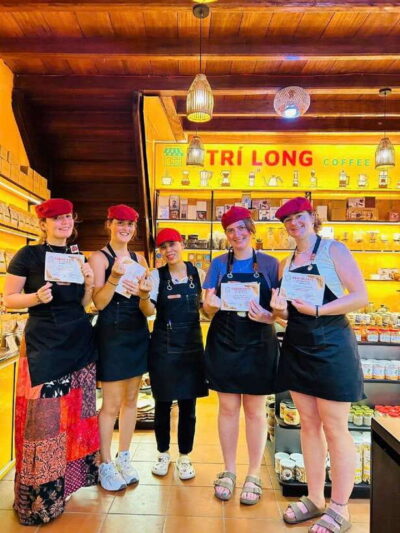
Vietnamese Coffee Making Workshop at Local Roastery
Read our review →
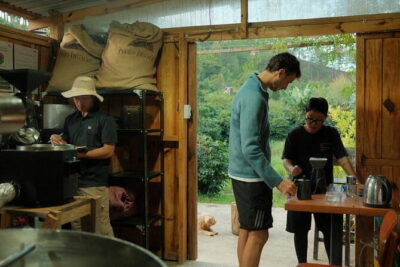
Coffee Farm Tour with Roasting & Tasting Workshop – Da Lat
Read our review →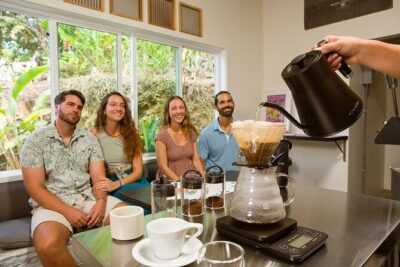
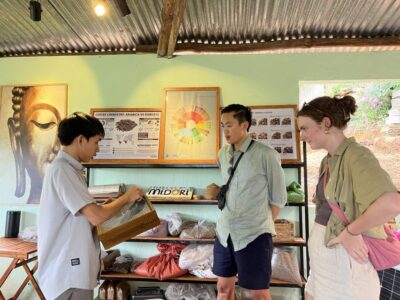
Experience specialty coffee with sustainable coffee farmers
Read our review →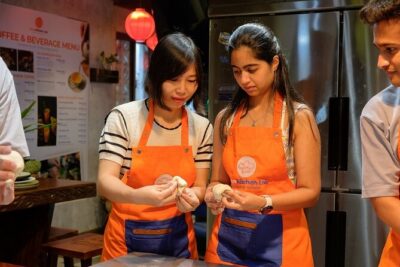
Vietnamese Bread & Brew: Banh Mi Baking Class & Specialty Coffee
Read our review →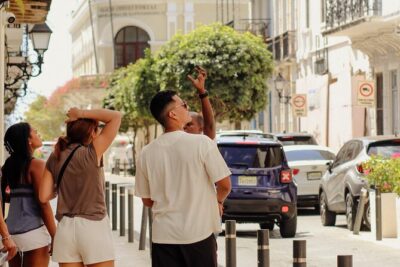
Santo Domingo Small Group Walking Tour: Beer and Specialty Coffee
Read our review →
Browse the lists this tour appears in