
Review · ANTIGUA
Coffee farm experience
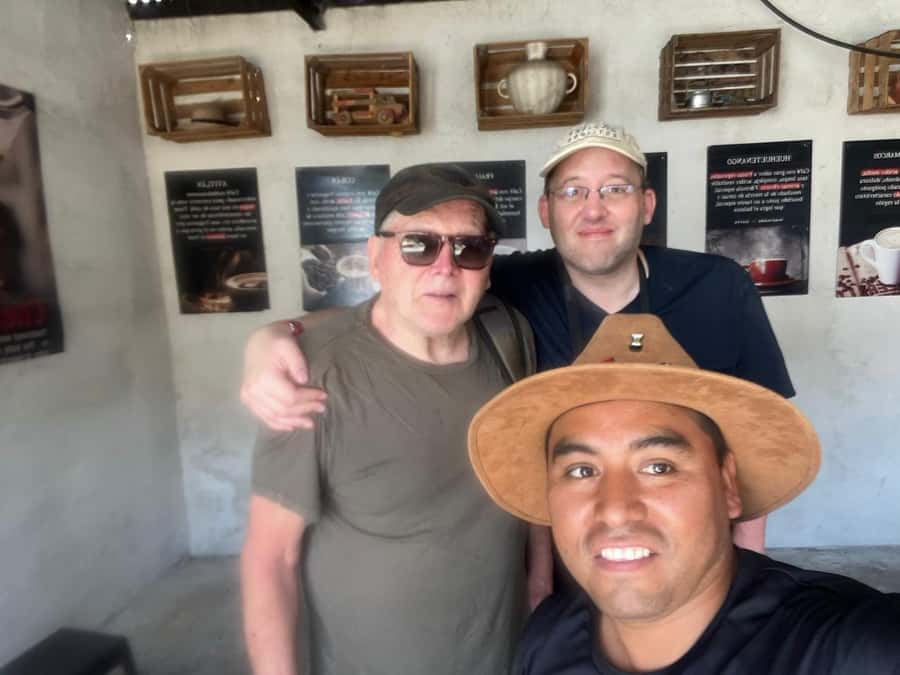
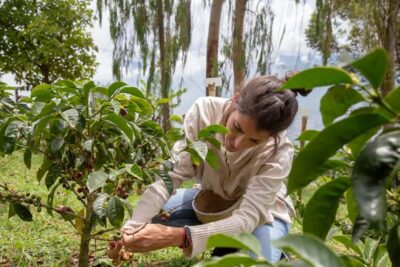
Guatemala’s coffee story becomes much clearer when you leave Antigua’s cobbled center and see the work behind the cup. In Ciudad Vieja, Baudilio and his family explain how coffee plants are cared for, how beans move through processing, and why small growers matter to Guatemala’s economy. You see the farm as a working family business, not just a pretty stop for a sample.
I like the personal welcome and the chance to meet local people, and I like that the visit covers both farming and the business side of coffee. The main consideration is that this is a hands-on outdoor circuit, so you need closed shoes, sun protection, and comfort around insects. The activity also lists restrictions for people over 70 and over 95, as well as people with insect allergies, so check suitability before booking.
Key points at a glance
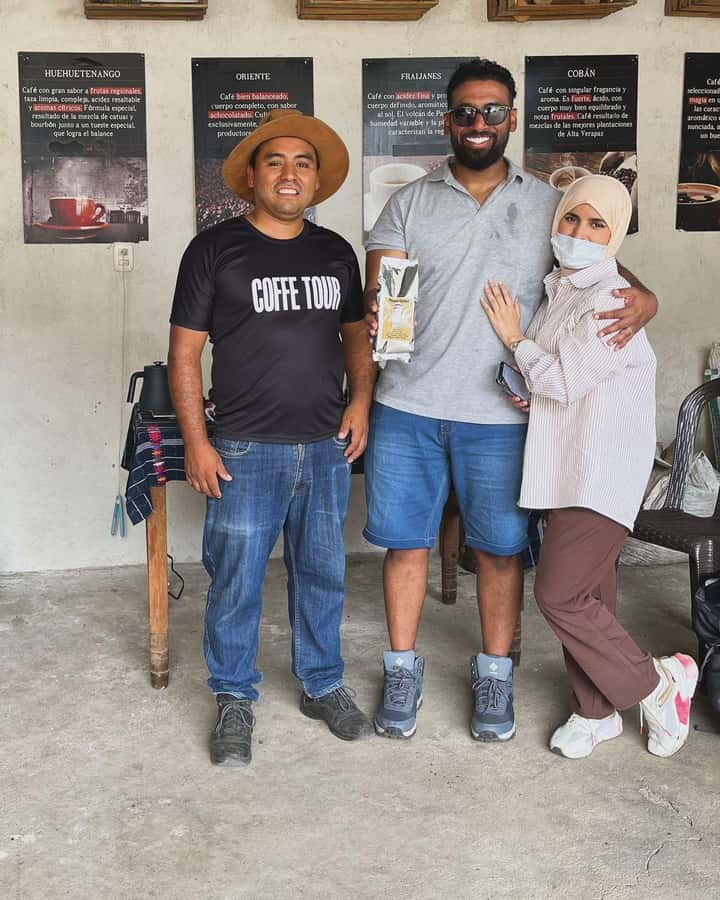
- A family-run farm: Meet the people who grow, process, roast, and package coffee for local sale.
- More than a tasting: Learn about plant care, fertilization, harvesting, and processing before you drink.
- Ciudad Vieja setting: Spend about 105 minutes walking and sightseeing in a community near Antigua.
- Two coffee types may be sampled: The tasting gives you a practical way to compare what you have learned.
- Pickup from Antigua included: Baudilio provides transportation in his pickup vehicle.
- Good value for coffee fans: At $55 per person, transport, a guide, and tasting are included.
From Antigua to a working coffee farm
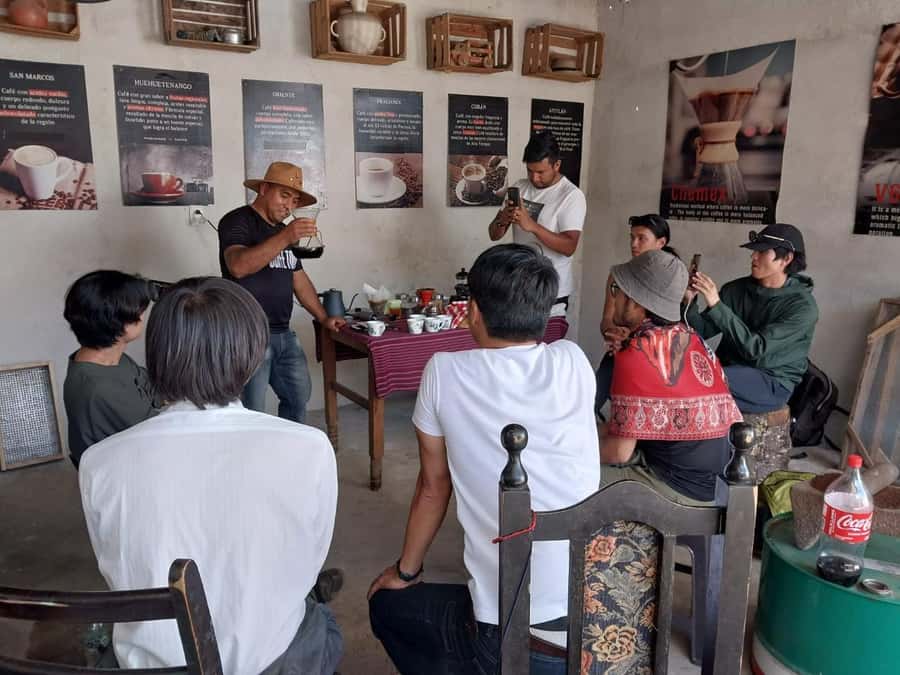
The day begins with pickup in Antigua Guatemala. Baudilio, the person in charge of the circuit, arrives in his pickup vehicle and takes you toward Ciudad Vieja in the Sacatepéquez Department. That pickup matters because it removes the need to arrange separate transport for a short, specialized outing.
The total activity lasts three hours, with about 105 minutes set aside for guided sightseeing and walking in Ciudad Vieja. The timing leaves enough room for an explanation of the farm, conversation with the family, and a tasting without turning the visit into an all-day commitment.
You should dress for a practical outdoor visit. Wear comfortable clothes, closed-toe shoes, and a hat or cap. Bring cash and a charged smartphone. The farm setting means sun, uneven walking conditions, and insects are possible, so this is not the place for sandals or formal holiday clothes.
Baudilio leads tours in English and Spanish. His wife is also part of the warm family welcome described by the experience, and the farm has been passed down through generations. That family connection gives the visit a useful human scale. You are not only hearing about coffee as an export crop. You are meeting people whose work reaches your breakfast table.
More Coffee Farm Tours in the world:
- Award Winning Farm Tour: Coffee, Chocolate and Unique Gifts
★ 5.0 · 484 reviews - La Herradura Coffee Farm: tour in Europe’s only plantation
★ 4.8 · 430 reviews - Big Island: Volcanoes, Waterfalls, & Coffee Farm Day-Trip
★ 4.9 · 414 reviews
Ciudad Vieja and the 105-minute walking visit
Ciudad Vieja is the main setting for the farm visit and guided walk. The activity combines sightseeing with practical instruction, so you are not simply driven to a tasting room and handed a cup.
The walking portion is listed at about 105 minutes. During this time, you learn how coffee plants are treated and what conditions they need to grow. The guide explains the care involved in maintaining the plants, including fertilization methods used by coffee growers.
That detail is important because coffee is often presented as a finished product, separated from the land and labor that produced it. Here, you get a clearer picture of the steps before roasting. You learn that good coffee depends on regular care, suitable growing conditions, and the daily effort of people working in the fields.
The visit also introduces Guatemala’s eight coffee regions. The tour does not simply focus on one farm in isolation. It places this local production within the wider coffee culture of the country, helping you understand why coffee varies from one area to another.
The drawback is that the exact walking route and terrain are not specified. If you have mobility concerns, ask about the route before paying. The activity is also not suitable for people with insect allergies, and the supplier lists age restrictions for people over 70 and over 95. Those details are worth taking seriously rather than treating them as routine booking fine print.
Seeing the work behind each coffee plant
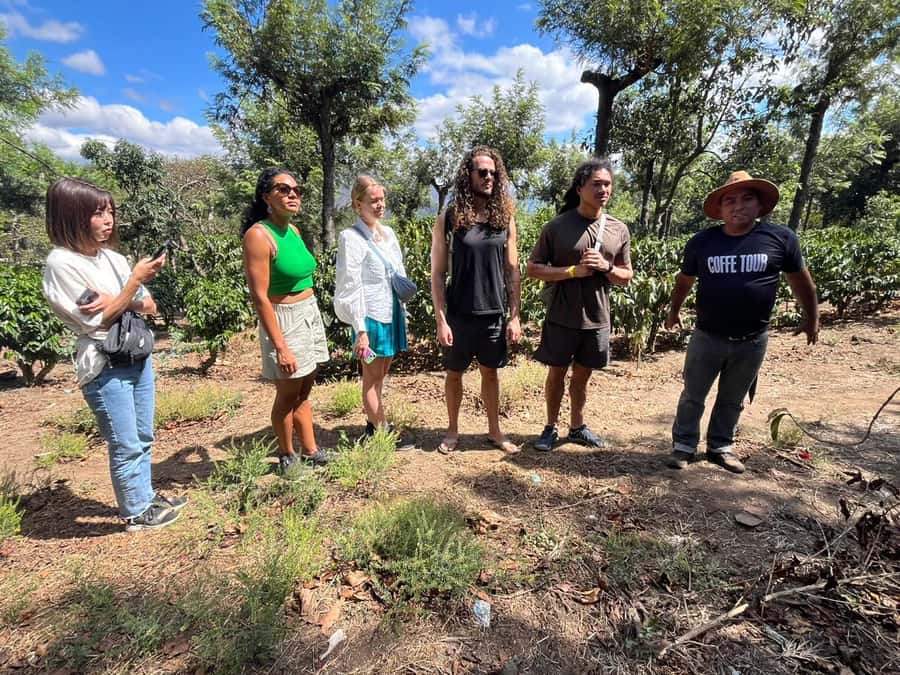
The strongest part of the experience is its attention to the people and labor behind coffee production. You learn how growers look after plants, what a coffee plant requires, and how fertilization supports production.
This makes the tour useful even if you are not a coffee expert. You do not need to know the difference between growing regions or processing methods before you arrive. Baudilio explains the subject in a direct way, and the information is presented as part of the visit rather than as a formal lecture.
The tour also discusses the price of the coffee industry for growers. That phrase points to an important part of the experience: coffee is one of Guatemala’s major sources of income, but producing it requires steady work from growers and their families. The visit gives you a chance to consider the gap between the price of a cup and the effort required to produce the beans.
For me, this is where the $55 price begins to make sense. You are paying for more than a drink. The cost includes transport from Antigua, a live guide, access to a family farm, a guided walk, and a tasting. You are also supporting an activity centered on local producers rather than a generic café demonstration.
Still, the value depends on what you want. If you only want to try Guatemalan coffee, a café will cost much less. If you want to understand farming, processing, and the role coffee plays in local income, this three-hour visit offers a fuller experience.
From plant care to processing and local sales
The tour covers several stages of coffee production. You learn how coffee is grown and cared for, then how it is processed. The family farm also roasts and packages its coffee and distributes it locally, giving you a look at the product after it leaves the field.
This connection between farming and sales is one of the most useful aspects of the visit. Many coffee activities stop once the beans are harvested. Here, you can ask how the family turns its crop into a product that can be sold and enjoyed.
The explanations include fertilization processes, the conditions plants need, and the work involved in getting coffee ready for a cup. You might also see or handle parts of the process during the visit, since the experience is designed around learning through direct contact with the farm and its products. The precise order of demonstrations can vary, but the focus remains on the full route from plant to drink.
A family operation also means the visit may feel informal. That is a plus if you enjoy conversation and questions. It may be less suitable if you expect a large, highly staged attraction with fixed presentation times and polished displays.
Bring cash if you want to purchase coffee. Pounds of coffee are not included in the tour price, and extra drinks or food are also excluded. Since the family packages and roasts its own coffee, buying a bag can be a sensible way to take home something directly connected to the visit, but you should budget for it separately.
A few more coffee tours around the world worth a look
- Hoi An: Vietnamese Coffee Culture and Coffee Making Class
★ 4.9 · 4,006 reviews - Hanoi Coffee Experience: 6 Brews, 9 Recipes & 3 Liquor Tastings
★ 5.0 · 2,945 reviews - 4×4 Dominican Adventure with Chocolate and Coffee Tasting
★ 5.0 · 2,920 reviews - Rome Morning Vespa Sidecar Tour in Rome with Cappuccino
★ 5.0 · 1,771 reviews
The tasting: a simple test of what you learned
The coffee tasting is included, and the experience can include two types of coffee for comparison. This gives the visit a satisfying finish because you can connect the earlier explanations with your own senses.
You are encouraged to smell, taste, and pay attention to differences in the coffee. The tasting is not only a reward at the end. It helps make the farming and processing discussion more concrete. After hearing about growing conditions and production, you can think about how those choices affect what reaches the cup.
The tasting may be the highlight for coffee lovers, but it is not the only reason to book. If you are more interested in rural life, local income, or meeting a family business, the coffee itself is one part of a broader visit.
Do not assume the tasting includes food or unlimited drinks. Extra food and drinks are not part of the price. If you want a fuller meal during the day, make separate plans in Antigua or ask what is available before the tour begins.
What makes the family welcome important
A family farm changes the tone of the visit. Baudilio and his wife welcome you onto a property passed through generations, and the activity gives you time to speak with people connected directly to the work.
That personal contact is especially valuable in a place where coffee is an important income source. You can ask questions about farming, processing, local distribution, and the effort required from families. The experience is built around contact with local people in Ciudad Vieja, rather than keeping you at a distance.
The guide’s style also seems central to the activity. Baudilio is described as taking time with explanations and questions, which suits visitors who prefer a thoughtful conversation over a rushed circuit. English and Spanish are available, so you can book in the language that works best for you.
Because the tour is family-run, the experience may have a more personal and less standardized feel. That can mean a warm welcome and plenty of room for questions. It also means you should expect the character of the visit to come from the hosts and the farm, not from elaborate visitor facilities.
A practical look at the $55 price
At $55 per person, this is not the cheapest way to drink coffee in Antigua. It is priced as a three-hour guided experience with transportation, a farm visit, and tasting.
I see the value in four parts:
- You do not need to arrange transport from Antigua.
- A guide explains the farming and processing stages in English or Spanish.
- You meet a family involved in growing and preparing coffee for local sale.
- The tasting gives you a direct way to compare the finished product.
The price does not cover pounds of coffee, additional drinks, or food. Plan to carry cash if you want to shop at the farm or need to pay for anything extra.
The tour is a good buy for someone who wants context and conversation. It is less compelling for someone who already knows coffee production well and only wants a quick tasting. The three-hour length makes it easy to fit into an Antigua itinerary, but the visit is still long enough to feel like a real activity rather than a brief stop.
Free cancellation is available up to 24 hours before the start for a full refund, and you can reserve now and pay later. Those terms help if your Antigua schedule is still changing.
Who should book this coffee experience
I would recommend this visit to coffee drinkers who want to understand where Guatemalan coffee comes from. It also suits anyone who enjoys meeting local families, asking questions, and seeing a small business at work.
It is a good choice for couples, solo visitors, and families with older children who can manage outdoor walking. The activity is not suitable for babies under one year, people with insect allergies, or people who fall within the listed age restrictions. Since the information includes both over 70 and over 95 as restrictions, older visitors should confirm the rule directly before booking.
You should also choose another activity if you dislike outdoor conditions, want a strictly scheduled museum-style tour, or have no interest in coffee production. The focus is educational and personal, with time spent walking and listening rather than simply taking photographs.
For most visitors staying in Antigua, the pickup and three-hour format are convenient. You get out of town, see a different side of the Sacatepéquez Department, and return to Antigua without giving up an entire day.
Should you book the Ciudad Vieja coffee farm visit?
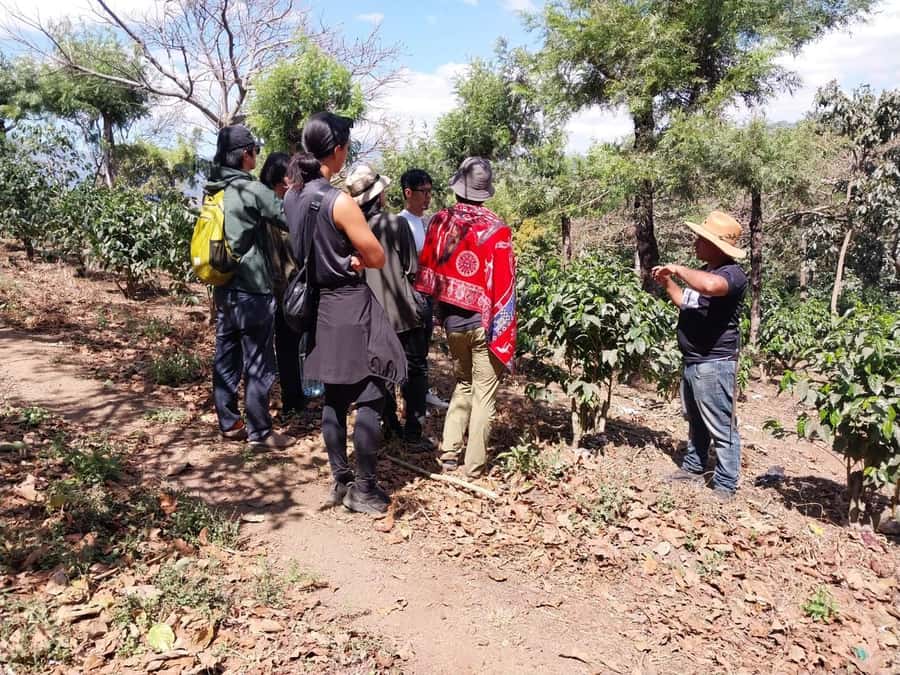
Book it if you want more than a good cup. Baudilio’s tour connects the plant, the farm, the family, the processing work, and the final tasting. That combination gives you a better understanding of why coffee matters to Guatemala and why small growers deserve attention.
The best reasons to go are the family setting, the chance to learn about all eight coffee regions, the included tasting, and the clear focus on the work behind the industry. The main cautions are the outdoor conditions, possible insects, age restrictions, and extra cost if you want to buy coffee or food.
At $55, I consider it worthwhile for anyone curious about coffee and local life. If that sounds like your kind of morning or afternoon, bring closed shoes, a hat, cash, and an open mind.
FAQ
Where does the coffee farm experience take place?
The experience takes place in Ciudad Vieja in Guatemala’s Sacatepéquez Department, with pickup and return in Antigua Guatemala.
How long does the activity last?
The full experience lasts three hours. The guided sightseeing and walking portion in Ciudad Vieja is listed as 105 minutes.
Is transportation included?
Yes. Transportation from Antigua Guatemala and return transportation are included. Baudilio arrives in his pickup vehicle.
Who leads the experience?
Baudilio is the person in charge of the circuit. His wife is also part of the family farm welcome.
What languages are available?
The live guide is available in English and Spanish.
What will I learn about coffee?
You will learn about Guatemala’s eight coffee regions, coffee plant care, growing conditions, fertilization, processing, and the role coffee plays in Guatemala’s income.
Is a coffee tasting included?
Yes. A tasting is included in the activity. The tasting can include two types of coffee.
Can I buy coffee during the visit?
Pounds of coffee are not included in the tour price, but the family farm roasts and packages coffee for local distribution, so you should bring cash if you want to purchase some.
What should I bring?
Bring cash, a charged smartphone, closed-toe shoes, comfortable clothes, and a hat or cap for sun protection.
What is not included?
Pounds of coffee, extra drinks, and food are not included.
Can I cancel the booking?
Yes. You can cancel up to 24 hours in advance for a full refund. You can also reserve now and pay later.
Who should not take this activity?
The activity is not suitable for babies under one year, people with insect allergies, or people over the listed age limits. The information gives restrictions for people over 70 and over 95, so older participants should confirm eligibility before booking.
Just added around the world
- Yerevan: Private Coffee Tour with 2 Café Stops★ 5.0 · 2 reviews
- Vietnamese Coffee 101 Workshop★ 5.0 · 11 reviews
- Vietnamese Coffee Making Class in Hoi An★ 5.0 · 4 reviews
- Vietnamese cooking class and coffee making with local girl★ 5.0 · 5 reviews
- Venice Delights: Coffee & Food Experience Walking Tour★ 5.0 · 2 reviews
- Private Vienna Tour: Literature Walk with Coffee House Visit★ 5.0 · 2 reviews
- Turin: Art Nouveau Walking Tour with Coffee★ 5.0 · 11 reviews
- Turkish Coffee and Traditional Turkish Dessert Cooking★ 4.6 · 8 reviews
Coffee Farm Tours, compared.
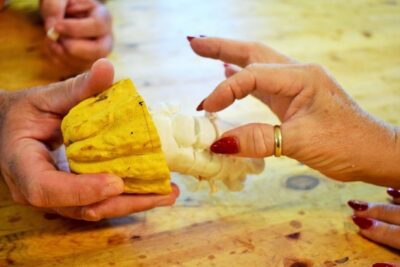
Award Winning Farm Tour: Coffee, Chocolate and Unique Gifts
Read our review →
La Herradura Coffee Farm: tour in Europe’s only plantation
Read our review →
Medellín Coffee Farm Tour with Trolley and Cable Car Ride
Read our review →
Private Cocora Valley, Salento & Coffee Farm Tour
Read our review →
Liamuiga Natural Farm Tour – St.Kitts’ Coffee Farm
Read our review →
Horseback Riding Coffee Farm Tour with Coffee Spa
Read our review →Browse the lists this tour appears in