Review · HOI AN
Hoi An: Vietnamese Coffee Culture and Coffee Making Class
Hoi An’s coffee culture makes more sense once you stop treating coffee as a quick drink and start seeing it as a small performance. In this two-hour workshop, you use the little metal Phin filter, learn how dark-roasted beans meet condensed milk, and prepare several styles, including egg, salt, coconut, black, and iced coffee. I like the clear link between coffee and Vietnamese history, and I like that you actually make the drinks instead of only watching a demonstration.
The family team, including instructors called Tan and Le, keeps the mood light with jokes, music, and plenty of help. The main thing to consider is the caffeine: five small coffees can add up quickly, so eat beforehand and choose an earlier session if coffee tends to keep you awake.
Quick take: what makes this workshop worthwhile
- Five Vietnamese coffee styles: Prepare black coffee, iced or white coffee, Hue Imperial salt coffee, coconut coffee, and Hanoi egg coffee. The description sometimes refers to four styles, but the detailed program and recent experience reports consistently describe five.
- A proper Phin lesson: Learn how Vietnam’s slow-drip metal filter works and why it produces such a strong, concentrated cup.
- Coffee from crop to cup: Hear about growing, roasting, brewing, and the family’s connection to coffee production.
- Family-run atmosphere: Tan, Le, and the wider team bring humor and easygoing instruction to a small group setting.
- Useful take-home value: You receive recipes and, according to several recent accounts, a small Phin filter or gift to help recreate the drinks at home.
- Strong value at $14: The price includes ingredients, tools, coffee, tea, cookies, instruction, and tasting five drinks.
Starting with tea, stories, and a taste of Hoi An coffee culture

You meet the class at a workshop marked by a board reading Coffee Making Workshop and decorated with silk lanterns. There is no hotel pickup, so you arrange your own way there, but the meeting point is designed to be easy to recognize.
The session begins with Vietnamese herbal tea rather than coffee. That is a sensible opening. It gives you a moment to settle in while the instructor explains how cafés became part of daily life in Vietnam and how coffee arrived through French influence before developing its own local habits.
I especially like this part because it gives the drinks a setting. Vietnamese coffee is not simply strong coffee with sweet milk. It is tied to café culture, long conversations, family recipes, and the habit of slowing down while the Phin drips. The explanation is fairly relaxed, with humor woven through it rather than delivered as a formal lecture.
The family connection adds another useful layer. The coffee used in the class comes from the family business, and one account describes a connection to their grandfather’s farm. You are not just handling anonymous ingredients from a packet. You get a sense of how coffee fits into a local family enterprise.
More Coffee Making Classes in Hoi An
- Vietnamese Culture and Coffee Making Class
★ 5.0 · 497 reviews - Hoi An: Vietnamese Coffee Making Workshop at Local Roastery
★ 4.8 · 174 reviews - Hoi An: Lantern and Coffee Making Class
★ 5.0 · 154 reviews
Using the Phin filter instead of rushing the coffee
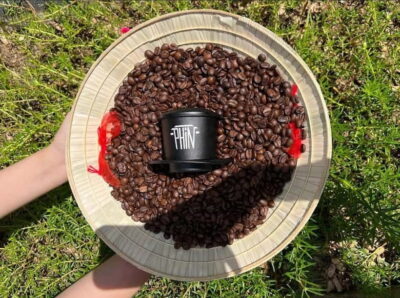
The Phin is a small metal filter that sits directly on top of your cup. Coffee grounds go inside, a metal insert holds them in place, and hot water passes slowly through. The result is concentrated and heavy, closer in feel to espresso than to a large filtered coffee, though the method is entirely its own.
You learn how to place the grounds, add water, and let the coffee drip. This pace matters. If you pour too fast or use the wrong amount of water, the drink can become weak or overly bitter. The instructor demonstrates the process, then gives you the chance to repeat it yourself.
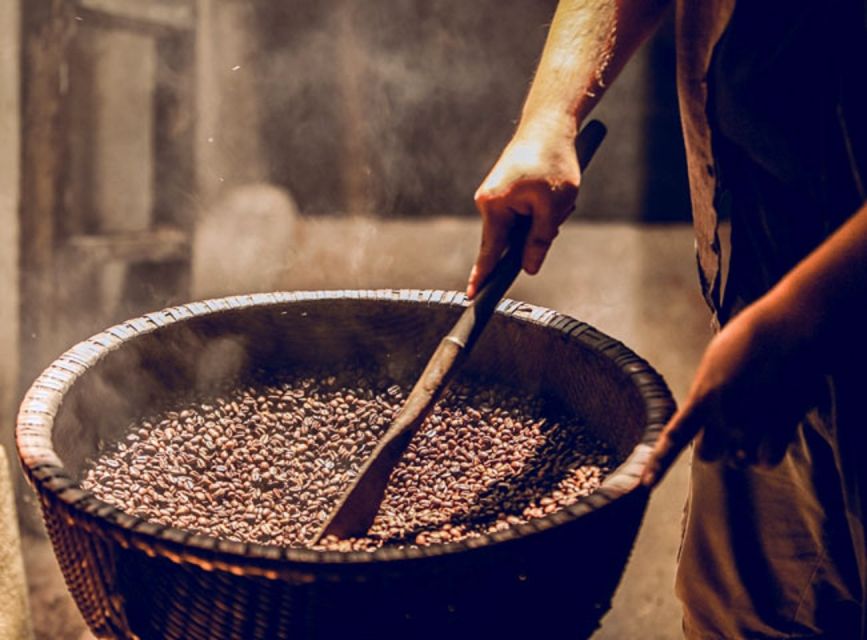
The coffee is typically roasted dark, and condensed milk is a major part of the familiar Vietnamese style. The class explains how these strong beans balance the sweetness. You also see how ice, coconut, salt, and egg change the same coffee base in very different ways.
This hands-on approach is more useful than a tasting alone. Once you understand the filter and the basic coffee concentrate, you can adjust sweetness and toppings at home. The technique is simple enough to remember, but it still feels like a genuine skill rather than a souvenir trick.
Five cups, five very different ideas
The exact wording of the activity description can be confusing. It first refers to four Vietnamese coffee styles, while the program details and repeated recent accounts describe five. The five preparations are:
- Black coffee
- Iced or white coffee with condensed milk
- Hue Imperial salt coffee
- Coconut coffee
- Hanoi egg coffee
You should expect to prepare and taste all five.
Black coffee
The black coffee gives you the clearest sense of the beans and the Phin. It is strong, dark, and direct. This is the base from which the other drinks make more sense.
If you normally drink mild coffee, this first cup may be a shock. It is also the best reference point for noticing what the milk, salt, coconut, and egg do later.
More Coffee Making Classes in Vietnam
- Hoi An: Hands-on Vietnamese Coffee Making Class with Long
★ 4.8 · 66 reviews - Unique Lantern and Coffee Making Class in Hoi An
★ 5.0 · 55 reviews - Hoi An: Vietnamese Coffee Making Course
★ 4.9 · 25 reviews - Coffee Class & Basket Boat Experience or Lantern Class -optional
★ 5.0 · 18 reviews
Iced or white coffee
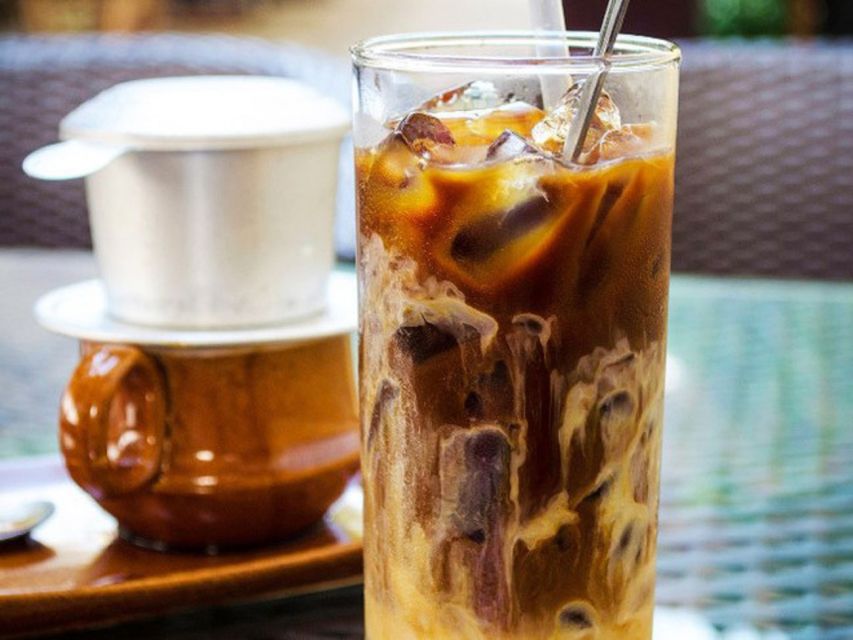
The familiar Vietnamese iced coffee combines concentrated coffee with sweet condensed milk and ice. The sweetness is not a minor touch. It is part of the drink’s identity and helps balance the dark roast.
You prepare the elements yourself, then taste the result. This is one of the easiest recipes to repeat at home, provided you can find a Phin and good condensed milk.
Hue Imperial salt coffee
Salt coffee sounds odd until you taste it. The salt is not meant to make the drink salty. Used carefully, it changes the balance and softens some of the bitterness, especially when combined with a creamy layer.
The class connects this style to Hue, Vietnam’s former imperial capital. That regional link makes the drink more interesting than a simple novelty. You are tasting a local variation with a story attached.
Coconut coffee
Coconut coffee brings sweetness and a cooler, smoother texture. It offers a change from the darker, more forceful cups and is often a favorite for people who prefer a softer coffee drink.
You should still expect a real coffee flavor underneath. This is not simply a coconut beverage with a little coffee added. The concentrated Phin coffee remains central.
Hanoi egg coffee
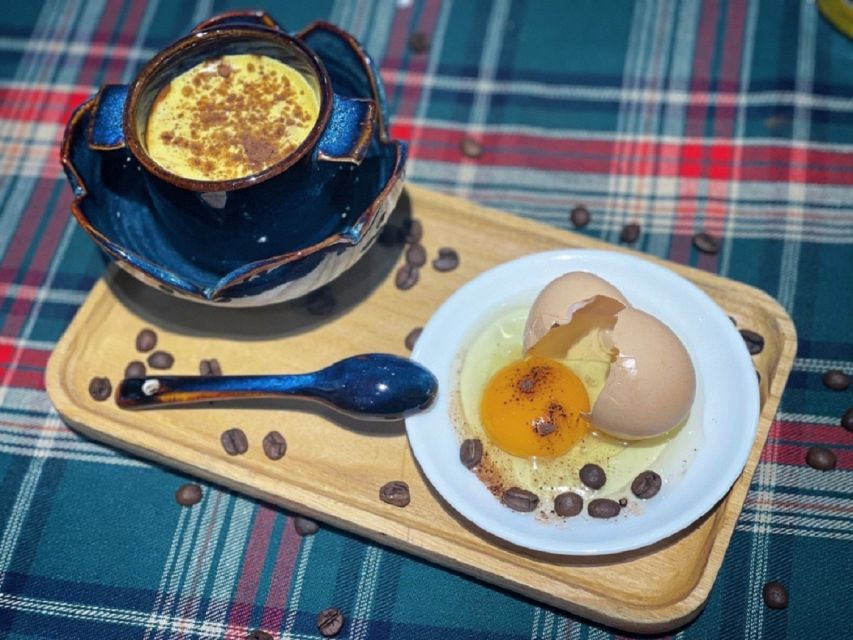
Egg coffee is the most unusual preparation in the class and one of the best reasons to attend. The coffee is topped with a whipped egg mixture that becomes creamy and dessert-like.
The class helps explain why egg coffee takes time to prepare. The topping must be beaten properly to create its texture, which also explains why ordering one in a café is not instant. The final drink feels almost like a liquid dessert, but the coffee underneath keeps it from becoming pure sweetness.
If you choose a vegan option, check the details carefully. The available information says there is no vegan substitute for the egg, though non-dairy milk can be used. That means the option may work for someone avoiding dairy, but not for someone avoiding eggs.
Why the instructors matter as much as the recipes
This is a social class, not a silent cooking lesson. The instructors are described as funny, playful, and good at keeping a group involved. Tan and Le are specifically praised for making the session enjoyable, while the broader family team helps with demonstrations and preparation.
That matters because coffee making can become repetitive if the instructor simply lists ingredients. Here, the jokes and music keep the pauses lively while your coffee drips. The setting also makes it easier to meet the other people in the group.
The class is limited to 10 participants. That is small enough for hands-on help and large enough to feel social. You will not have a private lesson, but you should have a reasonable chance to see the demonstrations and ask questions.
The teaching is offered in English and Vietnamese, with an English audio guide included. The written information does not promise advanced coffee training, so I would treat this as a cultural workshop for curious visitors, not professional barista instruction.
The final tasting, cookie, and take-home lessons
At the end, you taste the coffees you made with a cookie and more time to enjoy the music and relaxed room. The cookie is a small detail, but it helps after several strong drinks and gives you something to pair with the sweeter coffee styles.
The real value continues after the class. Recipes are provided, and several accounts describe receiving a small Phin filter or another gift. One practical tip is to take a clear photo of the recipe card before you leave. That way you can find the instructions later, even if the paper gets lost in your luggage.
You can also buy coffee afterward, though it is not included as part of the $14 price. If you enjoy the family’s blend, purchasing some gives you a way to continue the experiment at home. I would ask about the roast and the best grind for a Phin before buying.
Is $14 good value for two hours?
Yes, provided you actually want to taste several coffee drinks. At $14 per person, the price includes the class, ingredients, tools, coffee, Vietnamese tea, cookies, and a local instructor. You are getting both a tasting and an activity, not just a drink at a café.
The value is strongest for couples, friends, and solo visitors who enjoy practical food experiences. You learn a method, prepare the drinks yourself, and receive recipes that can be used later. The small gift or Phin described by several participants adds to the usefulness.
The price is less compelling if you dislike sweet coffee, cannot tolerate caffeine, or only want a quick introduction. You may spend much of the two hours preparing drinks you do not want to finish. There is no need to force yourself to drink every cup, but the experience is built around tasting the full set.
Timing, caffeine, and practical details

The activity lasts two hours, with starting times depending on availability. Several people wished they had chosen a morning session because of the amount of coffee consumed. I agree with that advice. A morning class leaves more time for the caffeine to fade and fits naturally into a day of exploring Hoi An.
Eat something before you arrive, especially if you are sensitive to coffee. The workshop includes tea and cookies, but those are not a substitute for a proper meal.
Bring a camera if you want photos of the process, the decorated room, or your finished drinks. The workshop is wheelchair accessible, and the group is capped at 10 people. The published restriction says the activity is not suitable for people over 95, which is an unusually specific limit but worth noting for older participants.
Cancellation is flexible up to 24 hours before the activity for a full refund. You can also reserve and pay later, which helps if your Hoi An plans are still moving around.
Who should book this Hoi An coffee class?
I would book it if you want more than a café stop and like learning through your hands. It suits coffee drinkers, curious cooks, couples, families with older children if permitted by the booking conditions, and anyone looking for a two-hour indoor activity in Hoi An.
It is also a good choice early in your Vietnam trip. Once you know how Vietnamese coffee is made, café menus become easier to understand, and you can order with more confidence. You may also find yourself watching the Phin drip more patiently instead of wondering why your drink has not arrived yet.
I would think twice if you avoid caffeine, dislike condensed milk, or need a fully vegan egg coffee. The vegan information is limited, and the egg itself cannot be replaced. I would also avoid a late session if coffee affects your sleep.
Should you book it?
Book this workshop if you want a friendly, practical introduction to Vietnamese coffee culture at a low price. The strongest features are the five recipes, the family-run teaching style, the Phin technique, and the chance to recreate the drinks at home.
Choose a morning time, eat first, and expect a good deal of caffeine. If that sounds manageable, this is one of Hoi An’s more useful food activities: you leave with new recipes, a better understanding of local café habits, and a small skill you can share long after the silk lanterns are out of sight.
FAQ
How long does the Hoi An coffee class last?
The class lasts two hours.
How many Vietnamese coffee styles will I make?
The detailed program describes five styles: black coffee, iced or white coffee, Hue Imperial salt coffee, coconut coffee, and Hanoi egg coffee. Some activity wording refers to four styles, but the practical description and recent accounts specify five.
What is included in the price?
The $14 price includes the coffee-making class, ingredients, tools, Vietnamese tea, coffee tasting, cookies, and a local guide.
Is hotel pickup included?
No. Hotel pickup and drop-off are not included. You need to make your own way to the workshop, which is marked by silk lanterns and a Coffee Making Workshop board.
Is the activity suitable for someone who does not drink dairy?
A non-dairy milk option is available, but the supplied information says there is no vegan replacement for the egg in the egg coffee. Check the option carefully if you avoid both dairy and eggs.
Can I cancel for a refund?
Yes. You can cancel up to 24 hours before the activity for a full refund. Reserve now and pay later is also available.
More Vietnamese Coffee Experiences in Hoi An
- Authentic Vietnamese Coffee Making Experience in Hoi An
★ 5.0 · 13 reviews - Hoi An: Hand-on Making Vietnamese Coffee Class & Culture
★ 4.7 · 9 reviews - Vietnamese Coffee Making Class in Hoi An
★ 5.0 · 4 reviews - Hoi An Vietnamese Coffee Workshop: Hands-On Brewing Class
★ 5.0 · 3 reviews
Just added around Hoi An
- Vietnamese Coffee Making Class in Hoi An★ 5.0 · 4 reviews
- Vietnamese Egg Coffee Making Course in Hoi An★ 3.5 · 2 reviews
- Authentic Vietnamese Coffee Making Experience in Hoi An★ 5.0 · 13 reviews
- Hoi An Ancient Town and Coffee Making Course★ 5.0 · 4 reviews
- Hoi An Vietnamese Coffee Workshop: Hands-On Brewing Class★ 5.0 · 3 reviews
- Hoi An Coffee Making Workshop★ 5.0 · 7 reviews
- Market- Coffee- Cooking class in Hoi An (JHA2)★ 5.0 · 16 reviews
- Hoi An Coffee Tasting And Old Town Discovering Tour★ 5.0 · 4 reviews
Vietnamese Coffee Experiences, compared.
Fun & Easy Vietnamese Coffee Workshop in Hồ Chí Minh City
Read our review →
Vietnamese Coffee Workshop with 6 Brews and 8 Recipes
Read our review →
Vietnamese Coffee & Culture Exploration in Hồ Chí Minh City
Read our review →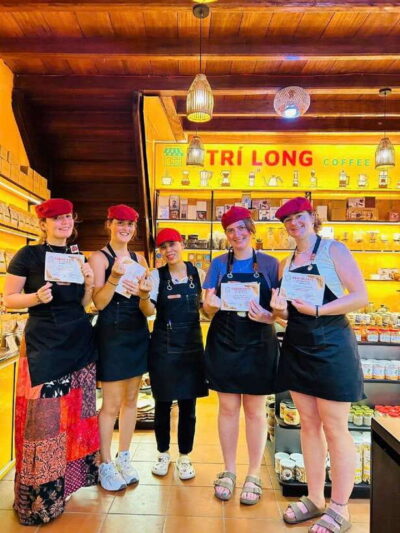
Vietnamese Coffee Making Workshop at Local Roastery
Read our review →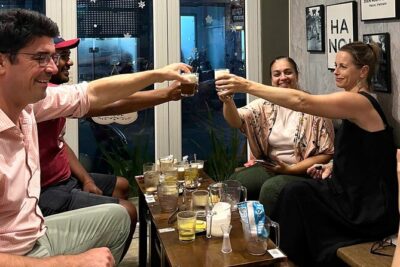
Hanoi Coffee Workshop: Master 6 Signature Vietnamese Coffee
Read our review →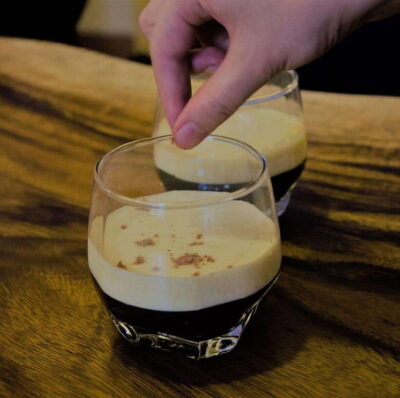
Hands-on Vietnamese Coffee Making Class with Long
Read our review →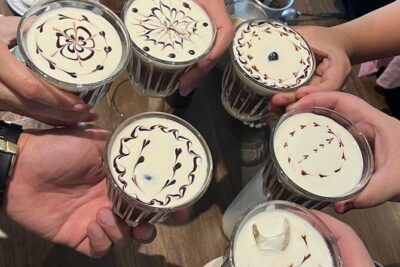
Six Cups of Vietnam Coffee Workshop in Hanoi with Local Barista
Read our review →