
Review · DA NANG
Vietnamese cooking class and coffee making with local girl
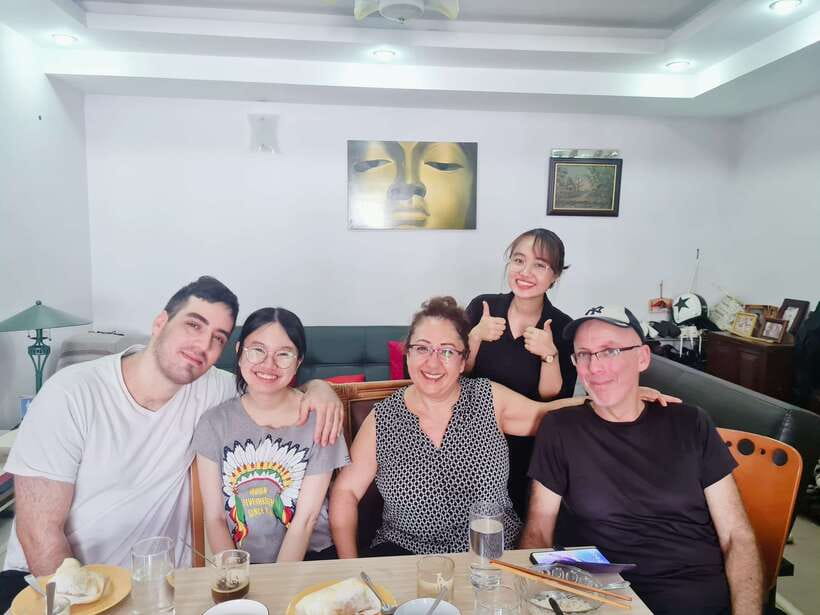
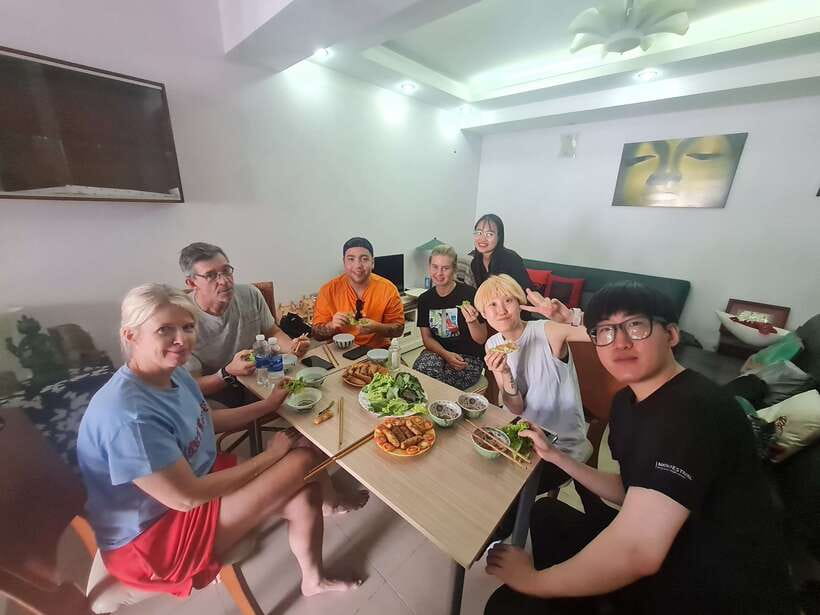
The most appealing part of this Da Nang cooking class is its setting: you cook in Rosie’s own kitchen, not in a large commercial studio. I like the hands-on format and the chance to learn both Vietnamese food and traditional coffee making. I also like the small group, limited to six people, which leaves room for questions and personal help.
The main point to check before booking is the menu. The class offers several dishes rather than one fixed set, so confirm what you will cook, especially if you have a food allergy or need a vegan, vegetarian, or gluten-free meal. The session lasts 2.5 hours, so it is a focused cooking lesson rather than a long food tour.
Key points to know before you book
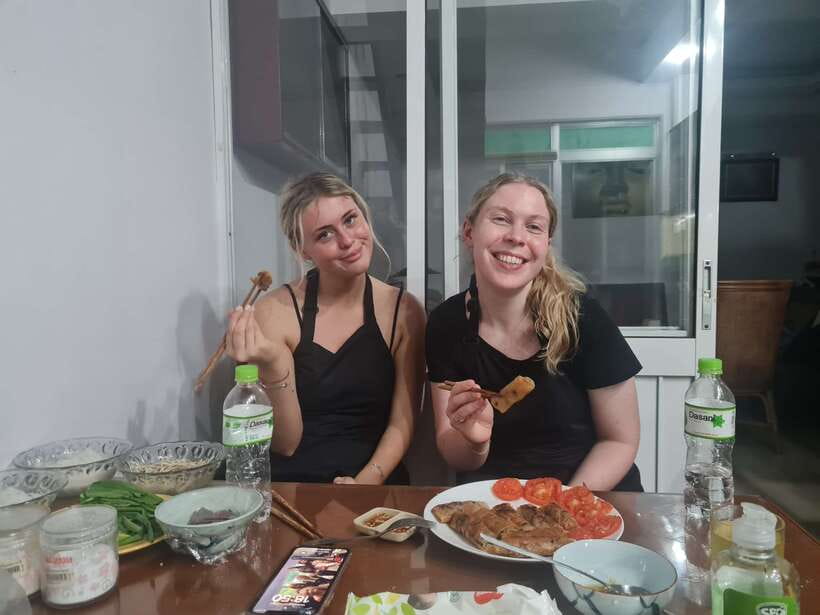
- Cook in Rosie’s home kitchen: The class has a personal, relaxed setting with the meal prepared and eaten in the same place.
- Choose from well-known Vietnamese dishes: Options include phở, bánh xèo, Quang noodles, fried spring rolls, and fresh spring rolls.
- Learn traditional Vietnamese coffee: You can also request passion fruit juice or another drink if Rosie can adjust the menu.
- Small group of up to six: The limited size should make it easier to follow each step and ask questions.
- Dietary requests are welcome: Vegan and vegetarian options are available, and Rosie has adapted recipes to be gluten-free.
- Allow 2.5 hours: This is enough time for cooking, drinks, and sitting down to eat what you prepared.
Cooking Vietnamese food in Rosie’s Da Nang kitchen
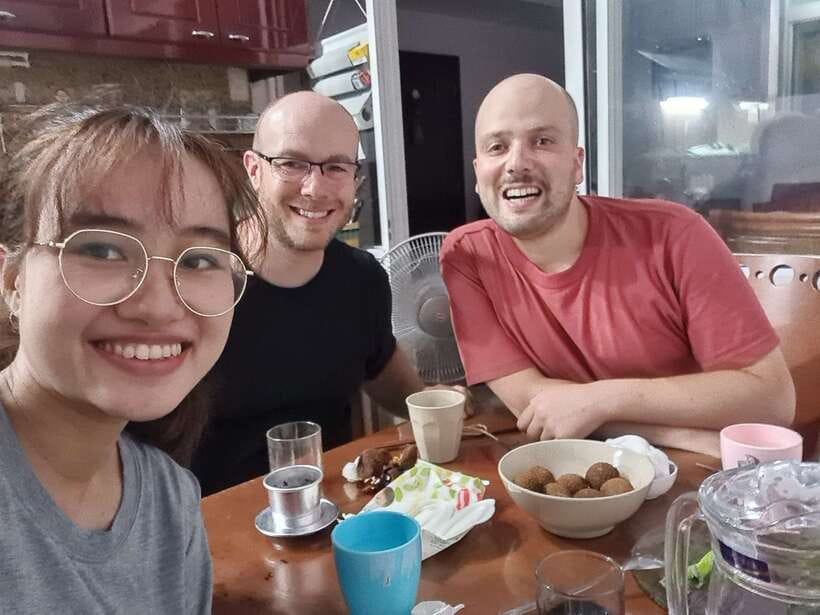
This experience is built around a simple idea: learn a few Vietnamese dishes properly, then eat them while the instructions are still fresh in your mind. Rosie welcomes you into her home kitchen and guides you through the preparation with fresh local ingredients.
That home setting matters. You are not simply watching someone demonstrate a recipe from across a counter. You take part in the cooking, ask questions as you go, and see how the food comes together step by step. The tone is described as warm and sociable, with clear instructions suited to beginners as well as people who already cook.
The small group size helps here. With no more than six participants, you should have a better chance of receiving individual guidance than in a large class. If you are unsure about chopping, rolling, mixing, or timing, you can ask rather than trying to keep up from the back of a crowded room.
The class is taught in English. Rosie’s friendly manner and clear explanations are especially useful if you want more than a recipe card. You can ask about the ingredients, the cooking process, and the place these dishes have in Vietnamese food culture.
More Coffee Making Classes in Vietnam
- Hoi An: Vietnamese Coffee Culture and Coffee Making Class
★ 4.9 · 4,006 reviews - Hanoi Coffee Workshop: Taste Salt, Coconut and Egg Coffee
★ 5.0 · 1,286 reviews - Hanoi: Salt Coffee Workshop Awake Your Senses With 6 Brews
★ 5.0 · 792 reviews
Picking your Vietnamese dishes
The menu gives you several choices. The main dish options are phở, bánh xèo, and Quang noodles. For the second dish, you can prepare fried spring rolls or fresh spring rolls.
This is a good range because each item shows a different side of Vietnamese cooking. Phở introduces you to one of the country’s best-known noodle dishes. Bánh xèo, a Vietnamese pancake, brings a different texture and cooking method. Quang noodles offer another noodle style, while the spring rolls give you a lesson in wrapping and balancing fillings.
The details of your exact combination are not fixed in the information provided, so I would confirm your choices before the class. That is not a problem in itself. It may allow Rosie to shape the lesson around your tastes, dietary needs, and available ingredients. It does mean you should not assume that every dish listed will be served during your particular session.
Phở, a lesson in Vietnamese noodle cooking
Phở is listed as a beef noodle option. If you choose it, expect the focus to be on combining noodles, meat, and the seasoning that gives the dish its familiar Vietnamese character.
Phở is a useful choice if you want to learn a dish that you may try repeatedly during the rest of your time in Vietnam. Preparing it yourself also gives you a better sense of the work behind a bowl that can look deceptively simple.
Bánh xèo, a crisp and social dish
Bánh xèo is a Vietnamese pancake, and it makes a strong choice for anyone who enjoys cooking with a bit of action. The class includes making the pancake rather than simply tasting it, so you can learn how the mixture is handled and assembled.
One participant needed a gluten-free version, and Rosie adjusted the recipes accordingly. If you need a similar change, contact her before booking or as soon as possible. Do not wait until you are sitting at the table, since substitutions may depend on the ingredients available.
Same place, a different way to drink it:
- Hanoi Coffee Experience: 6 Brews, 9 Recipes & 3 Liquor Tastings
★ 5.0 · 2,945 reviews - Early Morning My Son Sanctuary Trip w. Champa Food & Coffee
★ 5.0 · 629 reviews - Da Nang Coffee Making Workshop
★ 4.9 · 543 reviews - Hanoi: Master the Art of 4-6 Signature Vietnameses Coffees
★ 5.0 · 517 reviews
Quang noodles, a regional-style option
Quang noodles are also available as a main dish. The description does not give a fixed recipe or list of ingredients, so ask Rosie what version will be prepared when you arrange the class.
This choice may suit you if you want something beyond the most familiar Vietnamese dishes. It also gives you a reason to discuss regional food traditions with a local cook rather than treating Vietnamese cuisine as one single style.
Fried or fresh spring rolls
The spring roll choice lets you compare two very different preparations. Fried rolls offer crispness and a cooking step involving heat. Fresh rolls are lighter in style and place more attention on arranging and wrapping the ingredients.
The class is suitable for all skill levels, so you do not need polished kitchen technique. Rosie guides you through the process, and the small setting should make it easier to correct a loose roll, ask about filling combinations, or repeat a step.
Learning to make Vietnamese coffee
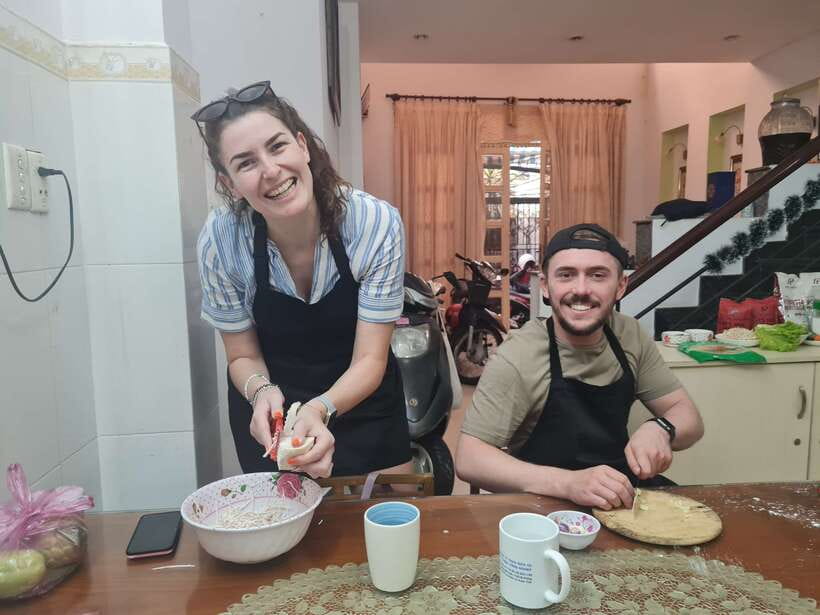
The coffee lesson adds a welcome second subject to the class. You will learn how to make coffee in the traditional Vietnamese style, giving you something to carry into the rest of your trip.
This is more than an extra drink added to the meal. Vietnamese coffee is part of the country’s everyday food culture, and learning the method helps explain why coffee appears so often on local menus and street corners. The class lets you prepare it yourself rather than simply ordering a finished glass.
If coffee is not your thing, you can request passion fruit juice or another kind of drink. Rosie says she will adjust the drink if possible. Because that wording is flexible rather than guaranteed, send your request in advance.
The coffee or juice also gives the session a natural pause. After cooking, you can sit with your food and drink in the same cozy kitchen. That final meal is an important part of the experience because you get to taste the results while the techniques are still fresh.
What the 2.5-hour session feels like
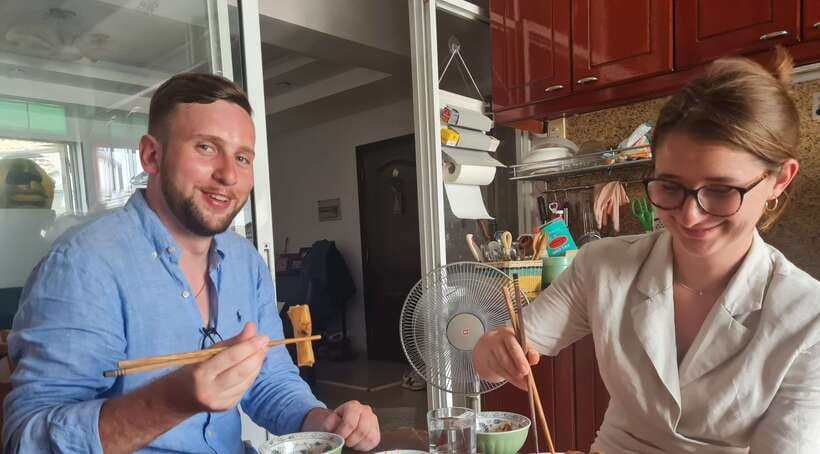
The session has enough time for a relaxed cooking lesson without taking up your entire day in Da Nang. You begin with the cooking guidance, prepare your selected dishes, make the drink, and then sit down to eat together.
The exact starting time depends on availability. If the available booking time does not fit your plans, Rosie may be able to adjust it, so it is worth asking rather than rejecting the class immediately.
You should expect active participation. This is not a demonstration where you watch from a chair and receive a plate at the end. Wear something comfortable for a kitchen setting and arrive ready to handle ingredients, follow directions, and take part in each stage.
The experience is presented in English. Since the class takes place in a home, you may find the atmosphere quieter and more personal than a busy restaurant-based lesson. The tradeoff is that a home kitchen may not offer the polished equipment or formal structure of a professional cooking school. For many people, that informal quality is the point.
The value of a $40 cooking class
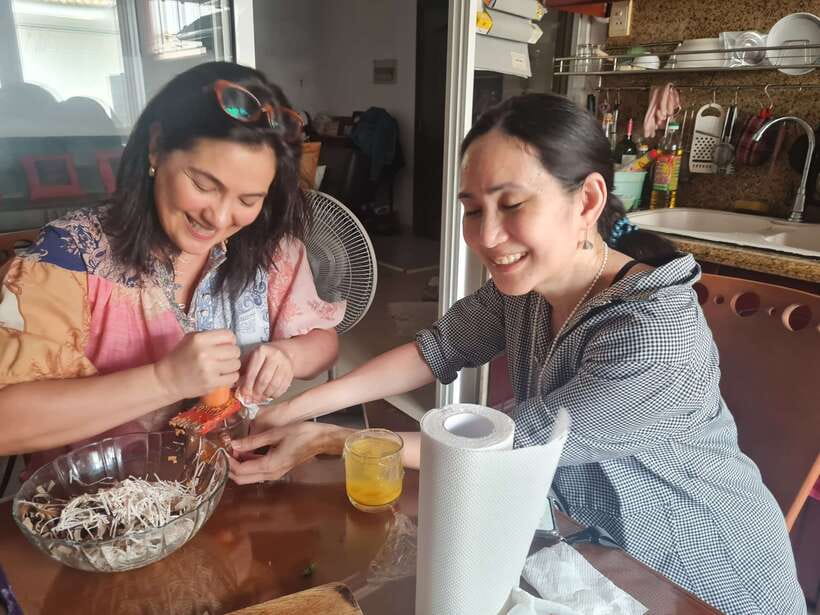
At $40 per person, this is not the cheapest way to get a Vietnamese meal in Da Nang. Local restaurants and street stalls will cost less, and they offer a faster way to try familiar dishes.
The price makes more sense if you value the instruction, ingredients, personal attention, coffee lesson, and shared meal. You are paying for a 2.5-hour activity rather than just lunch or dinner. The class also gives you practical knowledge that can change how you read Vietnamese menus and notice ingredients during the rest of your trip.
The group limit of six improves the value. A larger class could offer the same dishes at a lower price, but you might receive less help. Here, the small size should make the personal guidance more useful, particularly if you are a first-time cook or have dietary needs.
I would also count the menu flexibility as part of the value, with one caution. Vegan and vegetarian options are available, and gluten-free adjustments have been made before, but you should discuss your requirements in advance. The more specific your needs, the more important that advance message becomes.
Dietary requests and menu planning
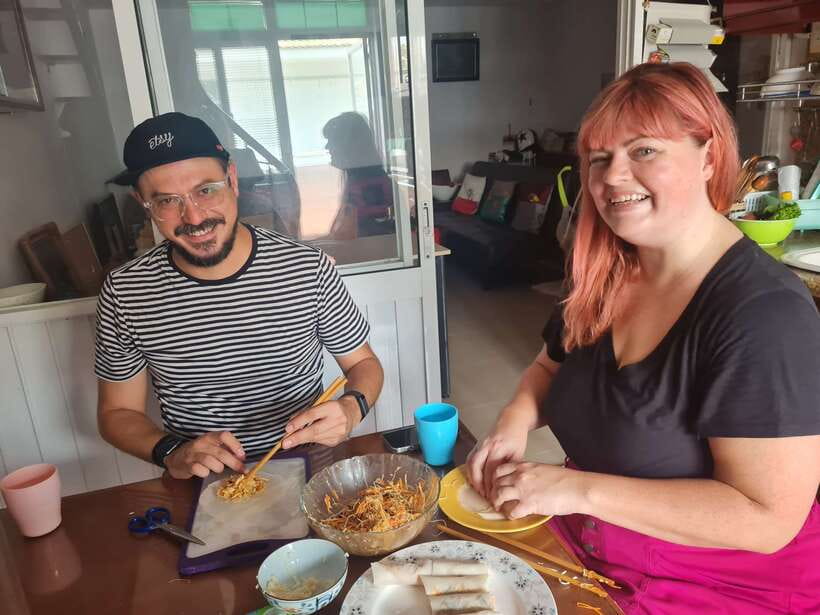
The class specifically offers vegan and vegetarian options. Rosie also asks you to share allergies and other food restrictions before the session.
That is encouraging, but you should be precise. Tell Rosie what you cannot eat and ask which dishes can be adapted. Do not assume that removing one ingredient will make every dish suitable, particularly when sauces, noodles, fillings, or cooking methods are involved.
The gluten-free adjustment is a useful example of the class’s personal approach. A participant received gluten-free recipes for bánh xèo and summer rolls, showing that Rosie may be able to make practical changes. Still, the information does not promise that every request can be met, so confirmation is essential.
If you have no dietary restrictions, you can focus on comparing the dishes. Ask Rosie to explain the difference between fried and fresh rolls, or why you might choose bánh xèo instead of phở. The class gives you room to shape the conversation around your own interests.
Who will enjoy this experience most
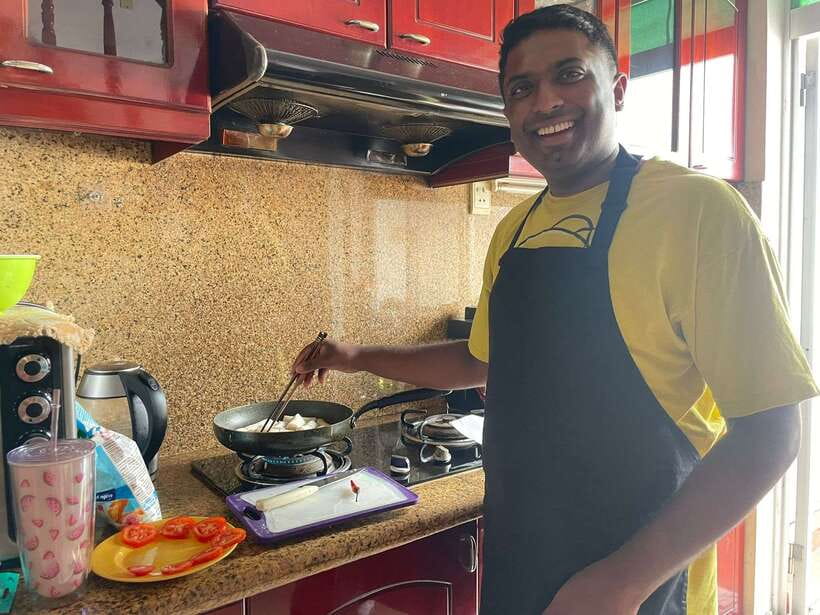
I would recommend this class to you if you want a personal food activity in Da Nang and prefer making a meal to simply eating one. It suits beginners because Rosie provides guidance, but experienced home cooks can also benefit from learning local methods and ingredient combinations.
It is a good fit for couples, friends, and solo participants who enjoy meeting a local host. The six-person limit makes it more intimate than a large group workshop, although the experience may feel less suitable if you prefer a formal school with a detailed printed curriculum.
Families and mixed-skill groups may also find it workable because the class welcomes all abilities. The main thing to consider is the length and level of participation. You need to be comfortable spending 2.5 hours cooking and eating in a home kitchen.
This is less suitable if your main goal is a quick meal, a city sightseeing tour, or a broad tasting of many restaurants. The focus is on a few selected dishes, personal instruction, and time at the table afterward.
Practical booking advice for Da Nang
Check the menu before you confirm your place. Since the class offers several main dishes and two spring roll styles, ask which combination will be available and whether you can choose.
Share allergies, vegan or vegetarian needs, and drink preferences in advance. You can request passion fruit juice or another drink, but Rosie may need time to check whether the adjustment is possible.
The class has a free cancellation period up to 24 hours before the start time. You can also reserve now and pay later, which helps if you are still arranging your Da Nang schedule.
English is the stated teaching language. The group is capped at six participants, and the duration is 2.5 hours. Starting times depend on availability, with possible adjustments if the standard time does not work for you.
Should you book Rosie’s cooking class?
Book it if you want a friendly, home-based cooking lesson with real participation, a small group, and a chance to learn Vietnamese coffee as well as food. The strongest reasons are the personal guidance, menu flexibility, and shared meal at the end.
Think twice if you want a fixed menu, professional kitchen facilities, or a fast restaurant-style experience. Also confirm your dish choices and dietary needs before paying.
For most food-focused visitors in Da Nang, $40 is fair value for 2.5 hours of instruction, ingredients, drinks, and a meal you help prepare. The class gives you more than a plate of food: it helps you understand how several familiar Vietnamese dishes are made and lets you spend time with Rosie in her own kitchen.
FAQ
Where does the cooking class take place?
The class takes place at Rosie’s home in Da Nang, in her cozy kitchen.
How long does the experience last?
The cooking class and coffee-making experience lasts 2.5 hours.
How much does the class cost?
The price is $40 per person.
How many people can join?
The class is limited to six participants.
What language is the class taught in?
The stated language is English.
Which Vietnamese dishes can I cook?
The choices include phở with beef noodles, bánh xèo, Quang noodles, fried spring rolls, and fresh spring rolls. Confirm the exact menu combination before the class.
Is Vietnamese coffee included?
Yes. You can learn to make Vietnamese coffee in the traditional style.
Can I request another drink?
You can request passion fruit juice or another kind of drink, and Rosie will adjust it if possible.
Are vegan and vegetarian options available?
Yes. Vegan and vegetarian options are available. You should also tell Rosie about allergies or other food restrictions before the class.
Can I cancel or pay later?
You can cancel up to 24 hours in advance for a full refund. You can also reserve your place and pay later.
More Cooking Classes in Vietnam
- Da Nang Cooking Class with Coffee Tasting and Market Visit
★ 5.0 · 310 reviews - Hanoi Cooking Class: Pho/Bun Cha/Banh Xeo…+Free Egg/Salt Coffee
★ 5.0 · 267 reviews - Vietnamese Bread & Brew: Banh Mi Baking Class & Specialty Coffee
★ 5.0 · 76 reviews - 1 hour Egg Coffee Cooking Class with Snack and Local Instructor
★ 5.0 · 72 reviews
Just added around Vietnam
- Vietnamese Coffee 101 Workshop★ 5.0 · 11 reviews
- Vietnamese Coffee Making Class in Hoi An★ 5.0 · 4 reviews
- Vietnamese Egg Coffee Making Course in Hoi An★ 3.5 · 2 reviews
- Authentic Vietnamese Coffee Making Experience in Hoi An★ 5.0 · 13 reviews
- Hoi An Ancient Town and Coffee Making Course★ 5.0 · 4 reviews
- Hoi An Vietnamese Coffee Workshop: Hands-On Brewing Class★ 5.0 · 3 reviews
- Hoi An Coffee Tasting And Old Town Discovering Tour★ 5.0 · 4 reviews
- Hoi An Coffee Making Workshop★ 5.0 · 7 reviews
Coffee Making Classes, compared.
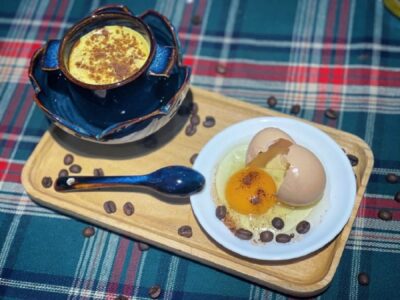
Vietnamese Coffee Culture and Coffee Making Class
Read our review →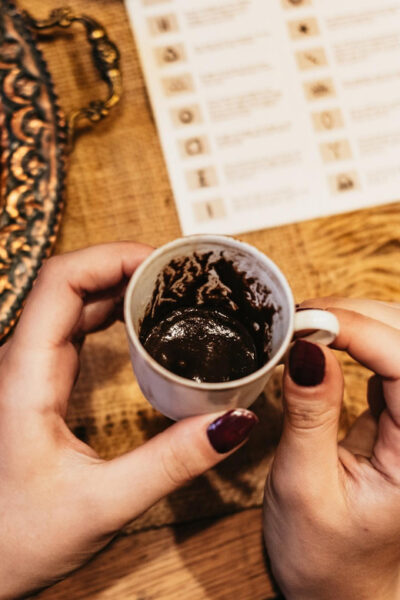
Turkish Coffee Making and Fortune Telling Workshop
Read our review →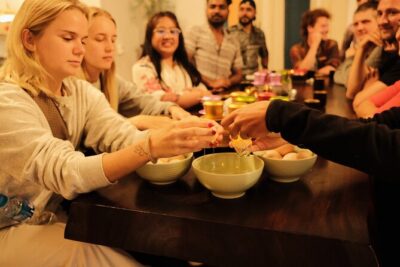
Hanoi Coffee Workshop: Taste Salt, Coconut and Egg Coffee
Read our review →
Salt Coffee Workshop Awake Your Senses With 6 Brews
Read our review →

Turkish Coffee Making and Fortune Telling Workshop
Read our review →Browse the lists this tour appears in