
Review · HANOI
Hanoi: Taste Fresh Lotus Tea Ceremony & Untold Stories
Hanoi’s lotus tea tradition is the heart of this experience. In a quiet heritage villa, you learn why West Lake lotus tea is treated as Vietnam’s finest scented tea, then handle fresh lotus stamens and brew the tea yourself. I like the hands-on format and the way it explains the work behind each cup, rather than simply serving you a drink.
I also like the pairing with traditional floating cakes, plus the small social purpose behind the booking: it contributes to the education of coffee farmers’ children in Da Lat. The main consideration is the price. At $28 per person, this is good value if you want cultural context and personal instruction, but it is more than a simple tea tasting.
Key Points
- Fresh lotus stamens: See and smell the delicate part of the lotus used in traditional scenting.
- A preserved heritage villa: The setting gives the tea lesson a calm connection to Hanoi’s past.
- Multi-day scenting methods: Learn why authentic West Lake lotus tea takes patience and repeated scenting.
- Practical brewing skills: Get guidance on water temperature, tea ratios, steeping time, and aroma.
- Floating cakes and another scented tea: Compare flavors instead of tasting lotus tea in isolation.
- Take-home materials: Receive a recipe book, class photos by Google link, and a professional certificate if requested.
Why West Lake Lotus Tea Deserves Two and a Half Hours
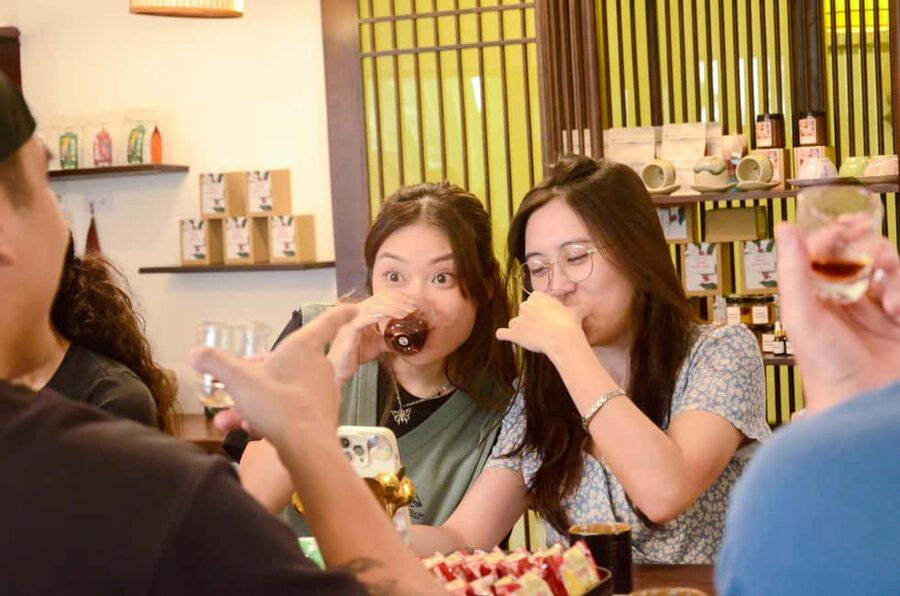
Many Hanoi food activities move quickly from one taste to the next. This one takes a slower route. The purpose is not to pile up samples, but to help you notice how a traditional tea is made, prepared, and enjoyed.
The setting matters. You begin at a preserved villa described as a peaceful place that reveals parts of Vietnam’s past. I would choose this experience when you want a break from traffic, markets, and busy sightseeing. The villa is not just a backdrop for photographs. It gives the ceremony a sense of place and helps connect the tea to Hanoi’s cultural life.
The full session lasts 150 minutes. That is long enough for a proper introduction, practical brewing, tasting, and conversation without making the activity feel like a full-day commitment. You should still allow extra time if pickup or drop-off is arranged, since traffic can affect the schedule.
This is a good fit for a morning or afternoon when you want one focused activity. It may feel too slow if you prefer a short tasting at the end of a packed sightseeing day.
Other coffee tours people book around Hanoi:
- Hanoi Coffee Experience: 6 Brews, 9 Recipes & 3 Liquor Tastings
★ 5.0 · 2,945 reviews - Hanoi Coffee Workshop: Taste Salt, Coconut and Egg Coffee
★ 5.0 · 1,286 reviews - Hanoi: Salt Coffee Workshop Awake Your Senses With 6 Brews
★ 5.0 · 792 reviews
Starting With Tea Mindfulness in a Hanoi Villa
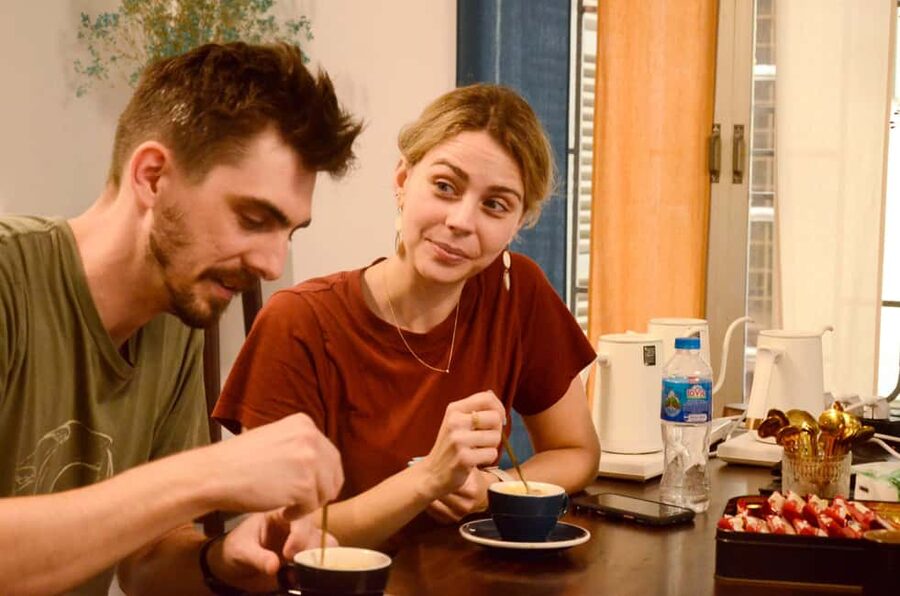
The session begins with a short, gentle introduction to tea mindfulness. You are encouraged to slow your body and attention before the lesson moves into history and technique.
I like this opening because it gives the ceremony a clear rhythm. You are not expected to rush into tasting notes or memorize facts. Instead, the first few minutes help you notice the smell, warmth, and pace of the tea.
The mindfulness portion is described as short, so you should not expect a long meditation class. It is a simple way to shift gears. That makes the experience suitable even if you have never attended a tea ceremony before.
The host then introduces West Lake lotus tea, often called the king of Vietnamese teas. The important point is not the title itself, but the labor behind it. You learn that the traditional scenting process has remained unchanged for generations and requires several days.
This is where the experience gains value. A cup of scented tea can seem simple until you understand how much work goes into getting the fragrance right. The lesson gives you a better reason to slow down when you drink it.
Fresh Lotus Stamens and the Test of Authentic Tea
A particularly useful part of the session is the chance to see and smell fresh lotus stamens. This takes the tea from an abstract cultural story to something you can examine directly.
You also learn how to tell authentic lotus tea from tea made with added flavoring. The supplied details do not promise a laboratory-style test, and you should not expect a technical certification lesson. Instead, the guide helps you recognize the difference through scent, preparation, and flavor.
The multi-day scenting method is the key idea. The lotus fragrance is not simply poured into a finished tea. The process takes patience, and the ceremony explains why traditional tea costs more than a flavored alternative.
I find this kind of information useful when shopping in Hanoi. It gives you a better basis for judging what you are buying. The session is not presented as a shopping tour, so you should not expect a market visit or a purchase allowance. Its value is in learning what to notice.
The subject also makes this more than a standard tea break. Lotus is closely tied to Vietnamese culture, and the ceremony shows how a familiar flower becomes part of a careful food tradition.
Learning the Brew, One Small Detail at a Time
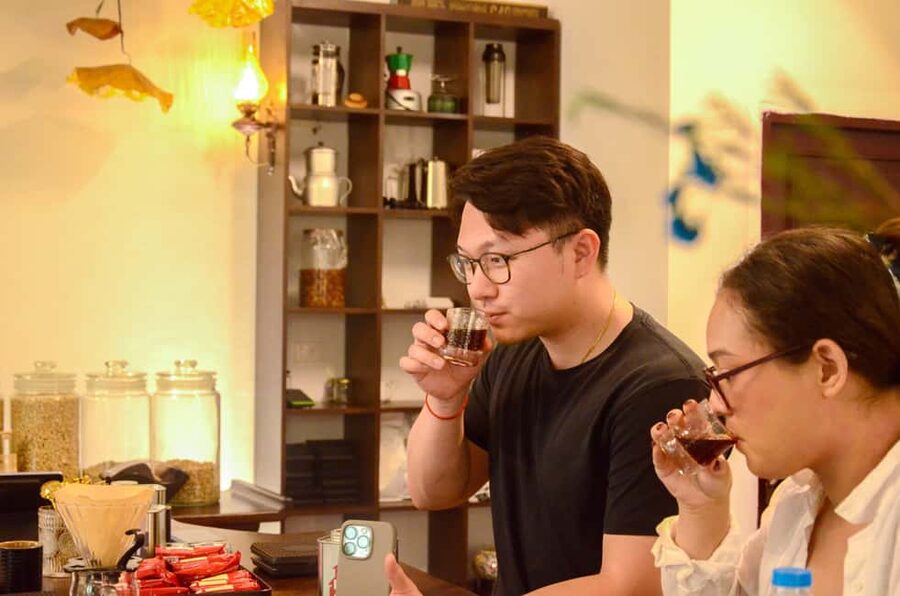
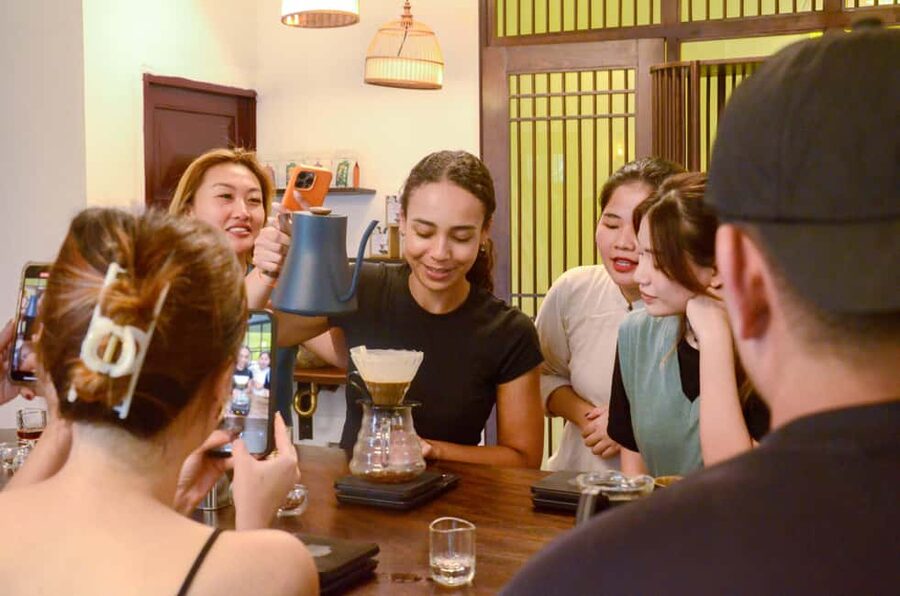
After the introduction, the ceremony becomes hands-on. The guide explains water temperature, tea ratios, and steeping time. These details may sound small, but they are exactly what can make one cup pleasant and another harsh.
You are guided through the brewing rather than left to guess. That is useful for beginners, especially if you normally pour boiling water over tea and wait until it looks dark.
The lesson focuses on recognizing several parts of the flavor:
- The first aroma
- The softer floral layers
- A gentle bitterness
- The sweet aftertaste that remains after swallowing
The phrase gentle bitterness is important. Good tea is not necessarily free of bitterness. The goal is balance, and the tasting teaches you to notice how the bitterness sits beside the lotus fragrance.
I like that the process includes aroma as well as taste. Lotus tea is partly about fragrance, so simply drinking it quickly would miss much of the point. You are encouraged to sip slowly and pay attention to how the cup changes.
The recipe book is a practical bonus. It lets you repeat the brewing method at home, though the provided information does not specify every recipe included. You should think of it as a reminder of the techniques learned in class, not a guarantee that you can recreate every part of the multi-day scenting process in your kitchen.
Same place, a different way to drink it:
- Hanoi: Master the Art of 4-6 Signature Vietnameses Coffees
★ 5.0 · 517 reviews - Hanoi: Vietnamese Street Food Tour with Egg Coffee
★ 4.9 · 315 reviews - Hanoi Cooking Class: Pho/Bun Cha/Banh Xeo…+Free Egg/Salt Coffee
★ 5.0 · 267 reviews - Hanoi: Vietnamese Coffee Workshop with 6 Brews and 8 Recipes
★ 5.0 · 237 reviews
Floating Cakes and a Second Scented Tea
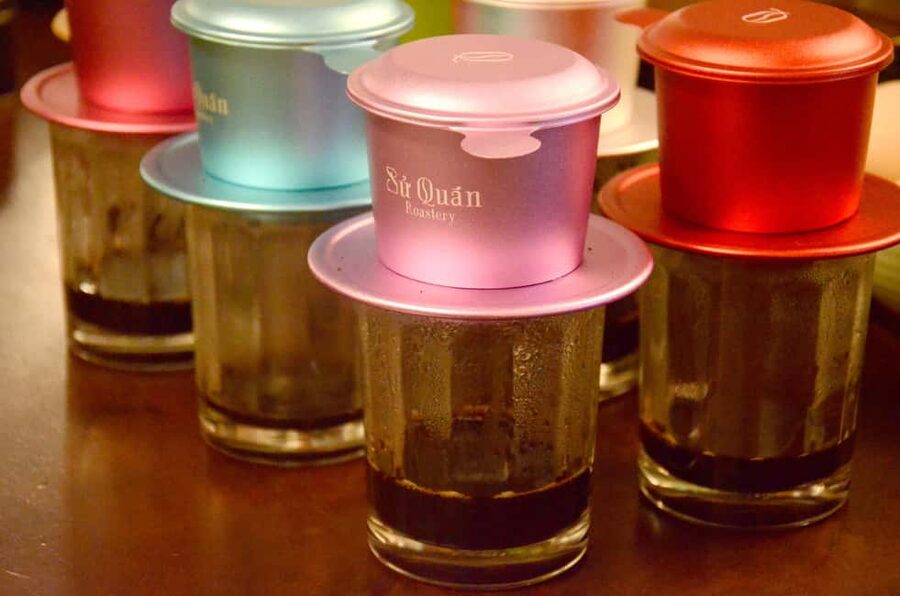
The tea is paired with traditional Vietnamese floating cakes. This gives the tasting some food context and keeps the session from becoming a long stretch of drinking tea alone.
Floating cakes are especially useful here because they show how tea fits into Vietnamese hospitality and snack traditions. The cakes also give your palate something different from the floral tea, making the tasting feel more like a small cultural meal than a technical demonstration.
The session then compares lotus tea with another Vietnamese scented tea. This is one of the best parts for anyone who is new to scented teas. A comparison helps you identify what makes lotus tea distinctive instead of treating its flavor as simply sweet or floral.
You should not expect a large food spread. The activity promises traditional floating cakes, not a full lunch or dinner. If you are hungry, plan another meal before or after the ceremony.
The comparison also makes the class more balanced. The guide is not asking you to admire lotus tea without context. You taste another style and consider the differences in aroma and finish.
The People Guiding the Ceremony
The activity is offered in English and Vietnamese. Several guide names appear in the available feedback, including Piey, Maxie, and Sue. Piey is specifically praised for making participants feel welcome and for giving an informative, enjoyable class. Maxie receives similar praise for connecting tea and coffee with Vietnamese culture, while Sue is singled out warmly for creating a good experience.
Guide assignments can change, so you should not book on the assumption that one particular person will lead your session. Still, these details tell you something useful about the tone to expect. The instruction is designed to be friendly and accessible rather than formal or academic.
One published comment refers to learning about coffee as well as Vietnamese culture, even though this experience centers on lotus tea. That may reflect the provider’s wider food and drink program. If lotus tea is your main reason for booking, confirm the exact focus when you reserve.
The workshop is suitable for beginners. The supplied information does not require prior tea knowledge, and the brewing instruction covers the basics directly. You do not need to arrive knowing the difference between scented and flavored tea.
What $28 Buys You
At $28 per person, the experience is not the cheapest way to drink tea in Hanoi. You can find a cup of tea for far less. The value comes from the setting, instruction, tasting comparison, food pairing, and take-home material.
You are paying for 150 minutes of guided attention. The price also includes a workshop on lotus tea history, cultivation, and roasting techniques, guidance from tea specialists, class photos sent through a Google link, and a recipe book.
A professional certificate is available if requested. That is a nice addition for someone building a food or beverage portfolio, though it is not likely to matter to most holidaymakers.
The social purpose adds another layer. The activity contributes to the education of coffee farmers’ children in Da Lat. That does not replace the need to judge the experience on its own quality, but it may help you choose this workshop over an ordinary commercial tasting.
I would call the price fair for people who enjoy food culture, tea, and small-group instruction. It is less compelling for anyone who only wants a quick drink or a short photo stop.
Who Will Enjoy This Experience Most
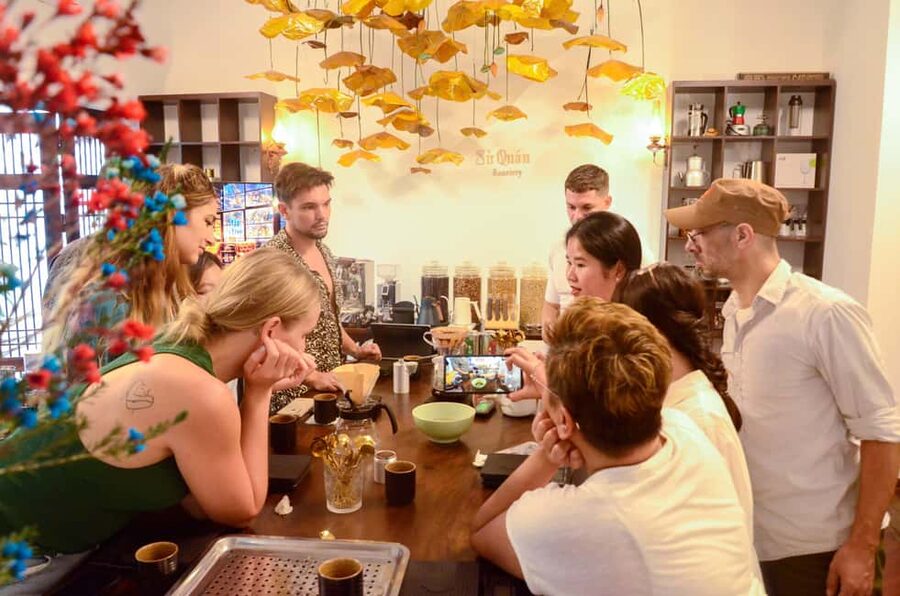
I would recommend this ceremony to you if you like learning how ordinary-looking foods and drinks are made. It suits curious visitors who want a quieter cultural activity and enjoy asking questions while they taste.
It is also a strong choice for:
- Tea drinkers who want to understand scented tea
- Couples looking for a calm shared activity
- Visitors interested in Vietnamese food traditions
- People who prefer a hands-on class to a sightseeing lecture
- Anyone wanting a slower break during a Hanoi itinerary
- Travelers who value a booking with an education-related contribution
Families may also find it appealing, but the supplied information does not give a minimum age or a child price. You should confirm those details before booking for children.
This may not be right for you if you dislike floral aromas, cannot sit through a slow tasting, or want a large meal. It is also not a substitute for a broad tour of Hanoi’s West Lake area. The focus is the tea ceremony inside the villa.
The activity is wheelchair accessible, which is useful for visitors who need step-free access. The details do not explain the exact layout or restroom arrangements, so it is sensible to ask the provider about those practical points before arrival.
Timing, Booking Flexibility, and Practical Details
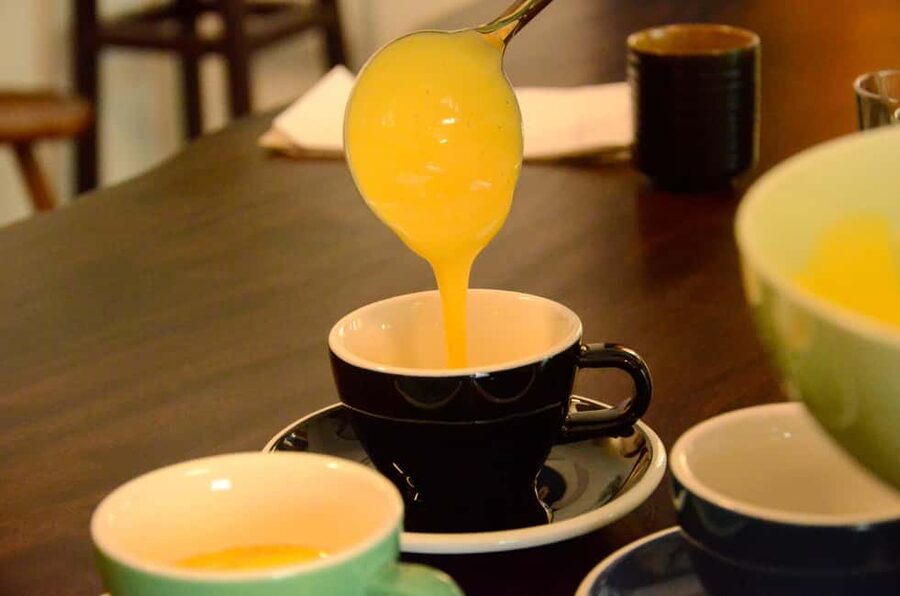
The activity lasts 150 minutes, with starting times based on availability. You can reserve now and pay later, which helps if your Hanoi schedule may change.
Free cancellation is available up to 24 hours in advance for a full refund. That is helpful in a city where traffic and changing plans can affect a short stay.
Pickup and drop-off times may shift slightly because of actual traffic conditions. Build some breathing room around the start and end of the session, especially if you have a flight, train, or another timed booking afterward.
The experience skips the ticket line, though this is not a major advantage in the same way it would be at a major monument. The more important point is that your time is organized around a scheduled workshop.
English and Vietnamese are the listed languages. If you need another language, it is not included in the information provided, so do not assume translation support.
My Verdict on the Lotus Tea Ceremony
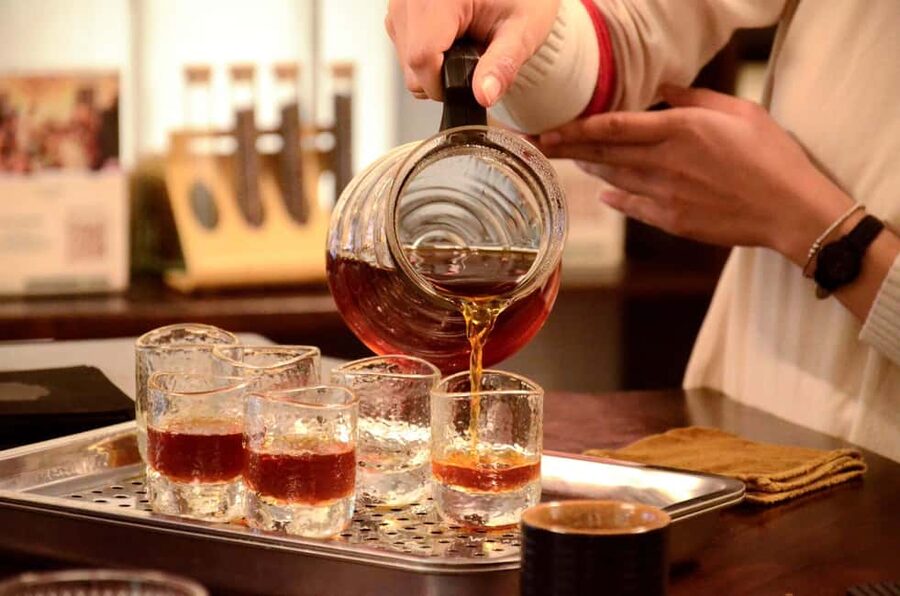
I like this experience because it treats tea as a living part of Hanoi rather than a decorative souvenir. You learn about lotus stamens, scenting, brewing, aroma, and aftertaste, then put that knowledge to work with floating cakes and a second scented tea.
The strongest reasons to book are the preserved villa, the hands-on brewing, and the explanation of why authentic lotus tea takes several days to make. The recipe book and class photos give you something useful after the session, while the education contribution adds purpose to the purchase.
The main drawback is narrow focus. If you want sightseeing, a full Vietnamese meal, or a wide range of teas, this 150-minute workshop may feel limited. At $28, it earns its price through instruction and atmosphere, not quantity.
Book it if you want a calm, culturally focused afternoon and enjoy understanding what is in your cup. Skip it if you only need a quick refreshment or prefer a faster-moving Hanoi activity.
FAQ
Where does the lotus tea ceremony take place?
The experience takes place in a peaceful, preserved heritage villa in Hanoi. The villa is presented as a place connected to Vietnam’s history.
How long does the activity last?
The ceremony lasts 150 minutes.
What languages are available?
Instruction is available in English and Vietnamese.
Does the activity include food?
Yes. Lotus tea is paired with traditional Vietnamese floating cakes.
Will I learn how to brew lotus tea?
Yes. The guide explains water temperature, tea ratios, and steeping time, then provides hands-on brewing guidance.
What else will I taste?
You will compare lotus tea with another Vietnamese scented tea.
What is included in the price?
The experience includes the tea workshop, guidance from tea specialists, class photos sent by Google link, a recipe book, and a professional certificate if requested.
Is the activity wheelchair accessible?
Yes. The activity is listed as wheelchair accessible.
Can I cancel for a refund?
Yes. You can cancel up to 24 hours in advance for a full refund.
Just added around Hanoi
- Vietnamese Coffee 101 Workshop★ 5.0 · 11 reviews
- Private tour: Hanoi city tour-Van Phuc silk village with egg coffee, lunch★ 5.0 · 2 reviews
- Hanoi 2.5 hour Guided Sightseeing Cyclo Tour & Egg Coffee Class★ 5.0 · 16 reviews
- Taste of Vietnam’s Coffee Scene – A Guided Experience★ 5.0 · 2 reviews
- Hanoi daily egg coffee making course with local guide★ 5.0 · 17 reviews
- Private Hà Nội Coffee History Tour★ 5.0 · 6 reviews
- hidden gems cafe – learn making coconut and egg coffee★ 5.0 · 2 reviews
- Hanoi Street Food Tour with egg coffee making★ 5.0 · 22 reviews
Hanoi Coffee Tours, compared.
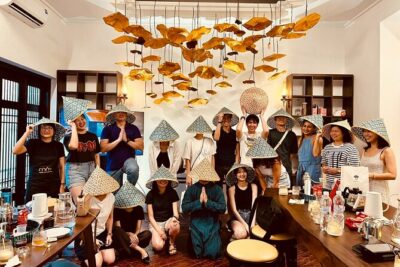
Hanoi Coffee Experience: 6 Brews, 9 Recipes & 3 Liquor Tastings
Read our review →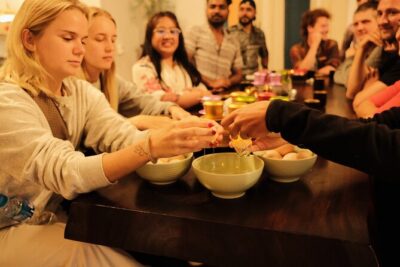
Hanoi Coffee Workshop: Taste Salt, Coconut and Egg Coffee
Read our review →
Salt Coffee Workshop Awake Your Senses With 6 Brews
Read our review →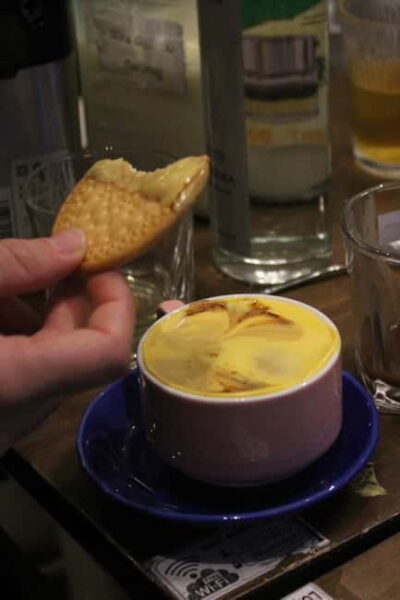
Master the Art of 4-6 Signature Vietnameses Coffees
Read our review →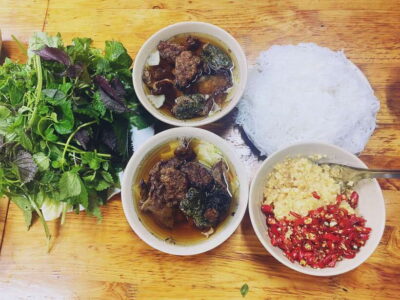
Hanoi Cooking Class: Pho/Bun Cha/Banh Xeo…+Free Egg/Salt Coffee
Read our review →
Vietnamese Coffee Workshop with 6 Brews and 8 Recipes
Read our review →
Browse the lists this tour appears in