
Review · ADDIS ABABA
Ethiopia coffee cupping class/Ethiopian food injera making
Ethiopian coffee and injera are not just food and drink here. They are daily customs, social rituals, and a fine way to understand the country without spending a day inside a museum. This private four-hour experience lets you taste coffee with a local expert, then make sourdough injera and eat it with classic Ethiopian dishes.
I like the direct contact with local hosts and the chance to learn by doing, not just watching. I also like that the guides, including Joe, Mike, Aelaf, and Jonas, have helped guests add useful Addis sights or local stops when time and plans allowed. The main consideration is pacing: the cooking class can feel brief, and the day may include driving between locations rather than four uninterrupted hours at one kitchen.
Key points to know before booking
- Coffee comes first: Spend about 45 minutes learning about Ethiopian growing regions, roasting, aromas, and tasting notes.
- Injera is hands-on: Mix, ferment, and bake the sourdough flatbread on a traditional mitad, then learn the tricky flip.
- Your meal uses your work: Eat handmade injera with dishes such as shiro and misir wot, plus other local sides.
- Guides add cultural context: Joe, Mike, Aelaf, Ale, and Jonas have been praised for their care, communication, and knowledge of Addis life.
- The group is private: Pickup is included in Addis Ababa, with coordination usually handled the day before.
- Plan for a half day: The price is $94 per person, with equipment, ingredients, water, lunch, and the coffee ceremony included.
Why coffee and injera make such a good Addis experience
If you have only a short stay in Addis Ababa, food and coffee give you a useful introduction to local life. You are not simply handed a cup and a plate. You learn why these two things matter, then take part in preparing them.
Coffee gives the experience its first layer. Ethiopia is closely tied to coffee culture, and the session introduces you to different growing areas, roast levels, brewing methods, and tasting notes. That makes the coffee more than a caffeine stop. You begin to notice how aroma, acidity, body, and preparation affect what reaches the cup.
Injera gives the afternoon a more practical side. This soft, spongy, sourdough-risen flatbread is used to hold food and scoop up sauces. You will work with the batter, see how it is spread on a hot mitad, and try to flip the finished bread without tearing it. It is simple in appearance but takes some practice.
I like this pairing because the coffee session suits curious tasters, while the injera class gives you something physical to do. The two parts also connect well: both are everyday traditions with social meaning, not staged add-ons made only for tourists.
More Coffee Tastings in the world:
- Hanoi Coffee Experience: 6 Brews, 9 Recipes & 3 Liquor Tastings
★ 5.0 · 2,945 reviews - 4×4 Dominican Adventure with Chocolate and Coffee Tasting
★ 5.0 · 2,920 reviews - 4×4 ATV Experience, Water Cave, Chocolate and Coffee Tasting
★ 5.0 · 1,430 reviews
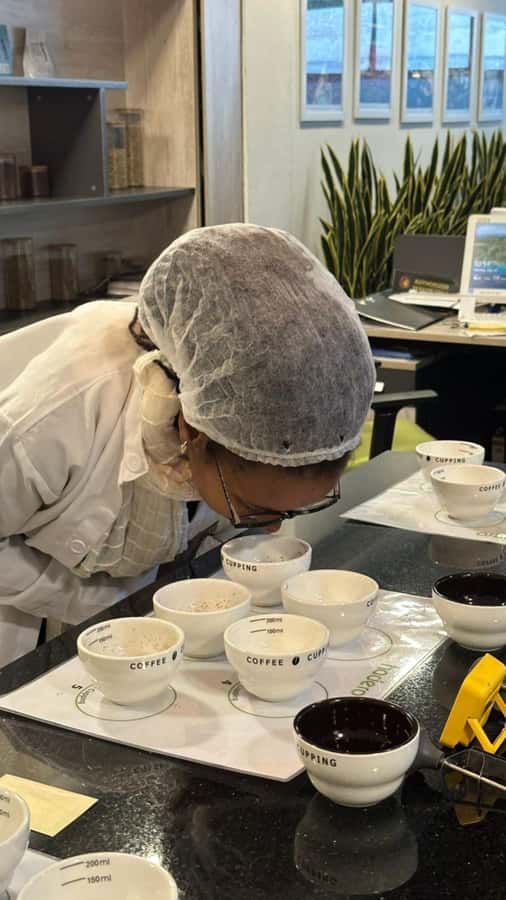
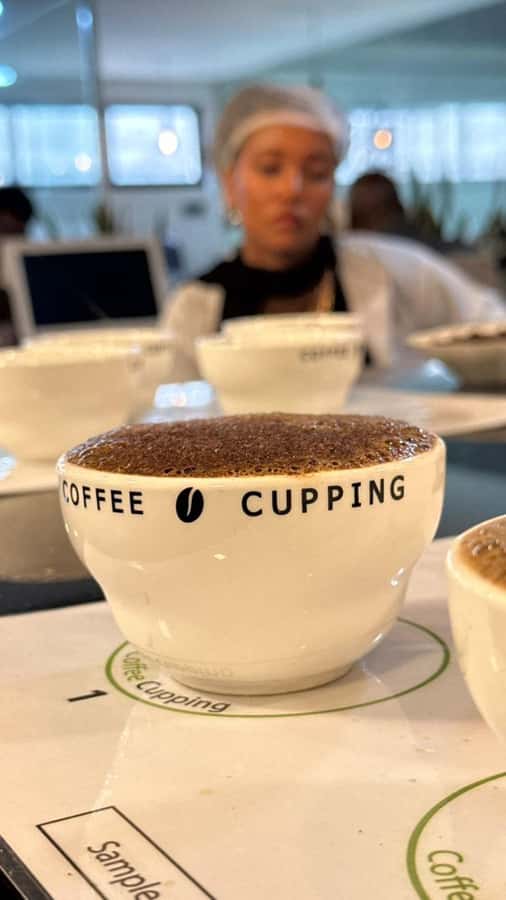
The coffee cupping session, about 45 minutes
The experience begins after pickup in Addis Ababa, with the exact start time arranged according to availability. A local coffee expert leads the tasting and explains how coffee moves from growing region to cup.
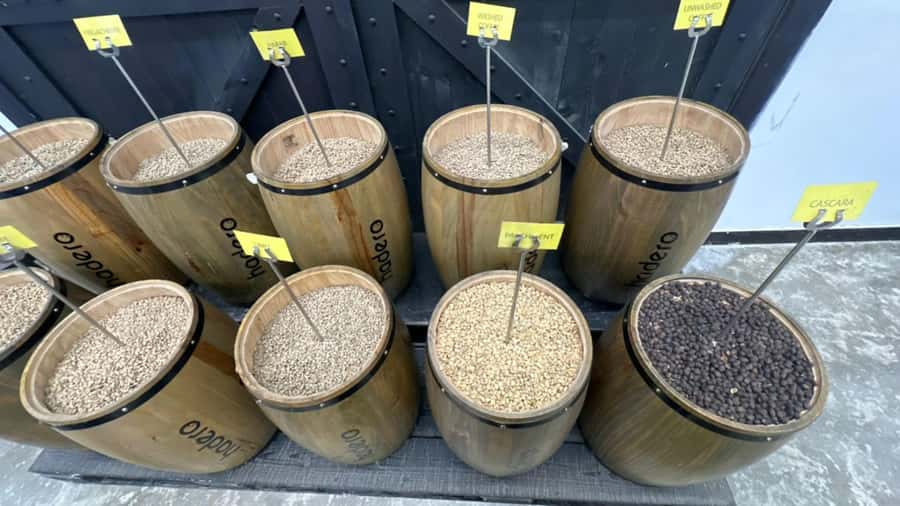
You can expect to compare varieties and notice differences in aroma and flavor. The session also covers roast levels and basic tasting skills, so you are encouraged to pay attention rather than simply drink. If you are new to coffee tasting, this is a friendly way to learn the vocabulary without needing previous experience.
The session may take place at a coffee facility such as the Hadero Coffee building, which one guest described as covering cultivation, processing, quality control, cupping, and tasting. That is useful context because it connects the finished drink to the work behind it.
Ask questions as you go. Guides such as Joe and Aelaf have been praised for explaining coffee clearly and adding local context. Aelaf, also called Ale, has been described as careful about making sure nothing important is missed. If you want to know more about farming, processing, or the differences between regions, this is the time to speak up.
The coffee stop lasts roughly 45 minutes in the supplied schedule, so it is a focused introduction rather than a professional barista course. You will learn the basics of tasting and Ethiopian coffee culture, but you should not expect advanced roasting or brewing certification.
Making injera on a traditional mitad
After coffee, you move to the cooking portion. The class is held in a comfortable indoor or outdoor kitchen setting, and all ingredients, spices, cooking equipment, and traditional tools are supplied.
The lesson centers on injera, also written as enjera. You will mix the batter, learn about its fermented sourdough character, and watch or help with the baking process. The bread is cooked on a mitad, the traditional flat cooking surface used for injera.
The most satisfying moment is the flip. Injera is broad and delicate, so lifting it cleanly takes a little nerve. You may not produce a perfect circle on your first attempt, and that is part of the fun. The instructor translates and guides you through the steps, making the process easier to follow if you have never cooked Ethiopian food before.
The class is described as relatively quick by one participant, so keep your expectations sensible. This is an introduction, not a multi-day cooking school. You will get a working sense of the method and the tools, but the fermentation process itself is not presented as a long lesson from start to finish.
The setting can vary. Some sessions have taken place around Entoto National Park, giving you a chance to see another part of Addis Ababa. One guest combined the injera lesson with views of the city and a little time outdoors. That can make the outing feel broader than a kitchen appointment, though driving time may also reduce the time spent cooking.
Lunch with shiro, misir wot, and local sides
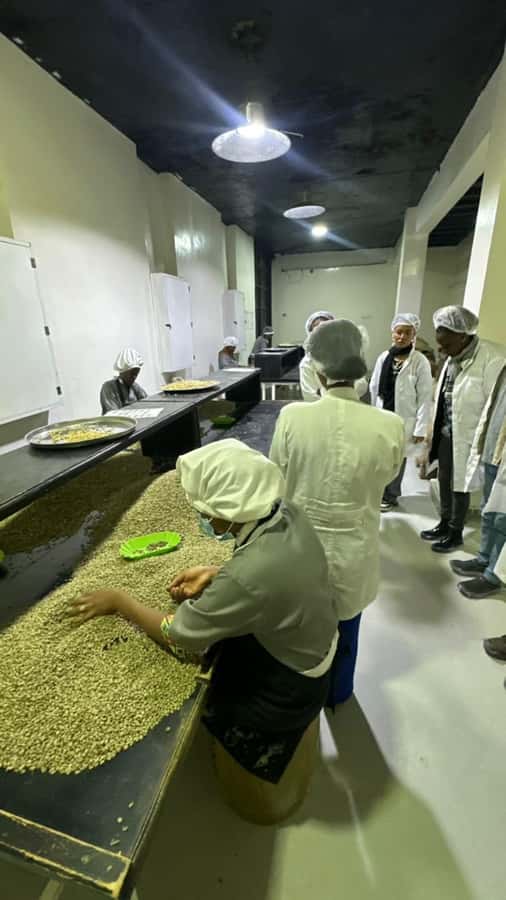
Once the injera is ready, you eat it with a traditional Ethiopian lunch. Dishes listed for the meal include shiro and misir wot, along with other local sides.
Shiro is a smooth, hearty dish made from seasoned chickpea or legume flour. Misir wot is a lentil stew with Ethiopian spices. Served on injera, these dishes show you how the bread works as both plate and utensil. Tear off a piece, scoop up the food, and eat with your right hand if you are comfortable doing so.
This communal meal is more valuable than a standard restaurant lunch because you have just helped make the bread. You understand its texture and purpose before using it to gather the sauces. The meal also gives you time to ask your guide about ingredients, daily eating habits, and local customs.
The description promises a variety of dishes, but the exact menu can change. If you have dietary restrictions, ask when arranging pickup. The supplied information does not list vegetarian, vegan, or allergy arrangements, so do not assume every request can be met without confirmation.
Bottled water is included. Personal purchases, extra food, and drinks are not included, so bring some money if you want anything beyond the provided meal.
More Food and Drink Tours in the world:
- Early Morning My Son Sanctuary Trip w. Champa Food & Coffee
★ 5.0 · 629 reviews - Buggy Ride Into the jungle with cave coffee & chocolate tasting
★ 5.0 · 465 reviews - Hamburg: Speicherstadt Walking Tour with Coffee Tasting
★ 4.6 · 360 reviews - Road Off Half Day Buggy with Chocolate and Coffee Tasting
★ 5.0 · 326 reviews
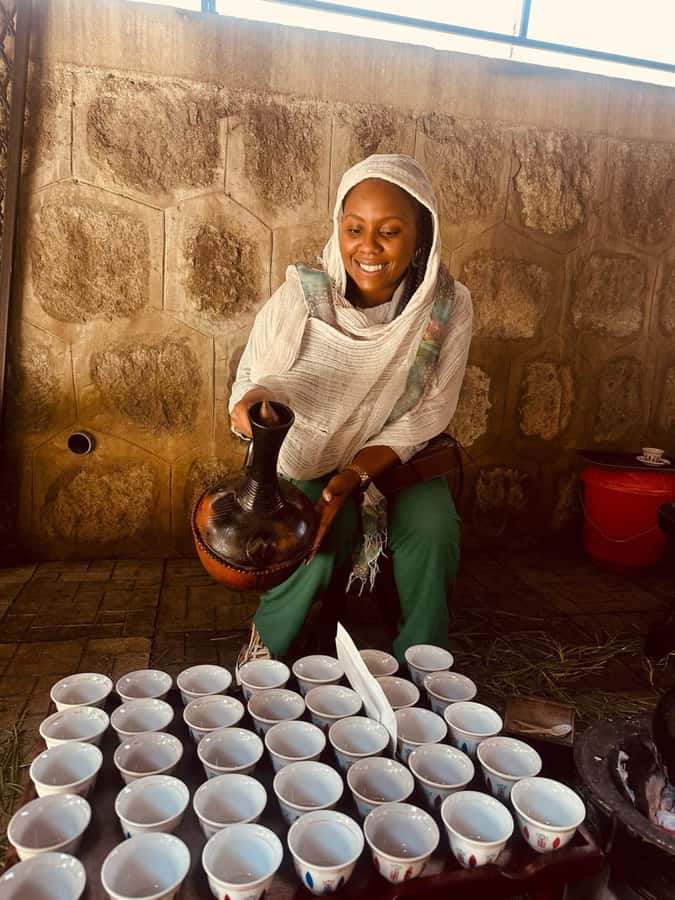
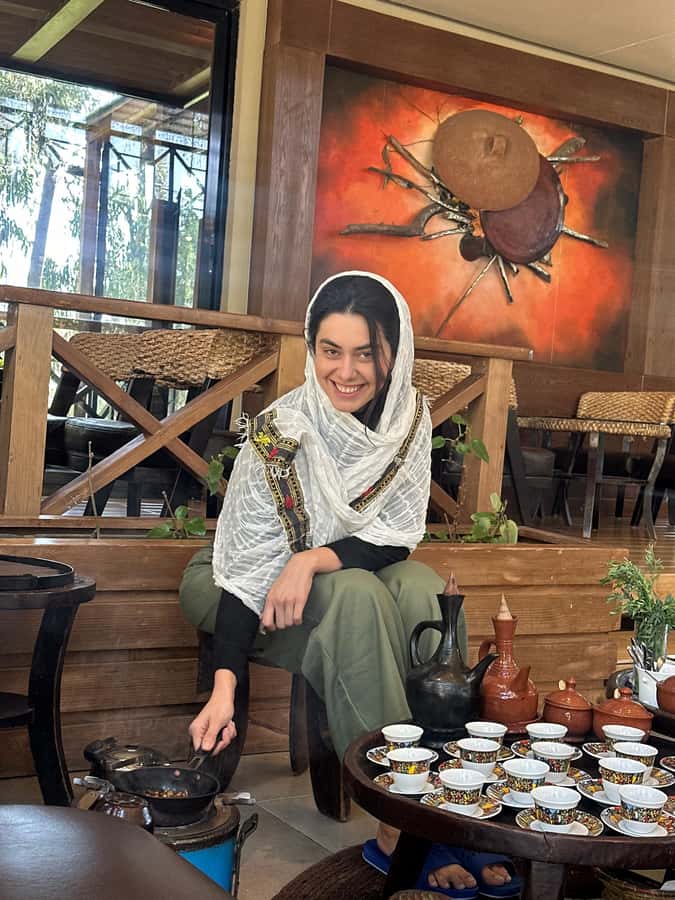
The Ethiopian coffee ceremony at the end
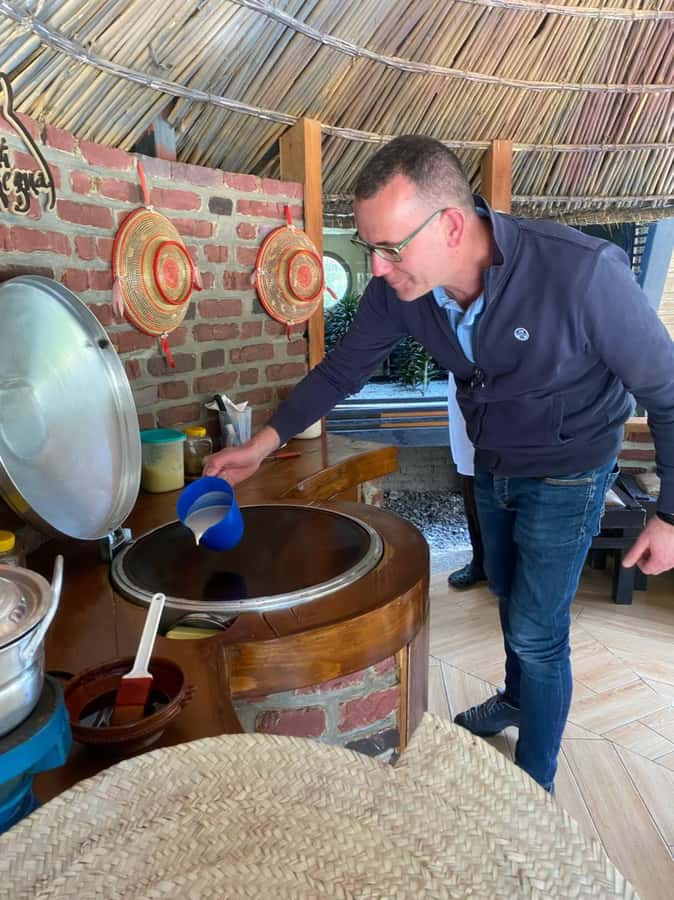
The experience closes with a traditional Ethiopian coffee ceremony. This is a slower, more social finish after the practical work of cooking and tasting.
The ceremony gives you another way to understand coffee. The earlier cupping session is analytical, with attention to flavor and production. The ceremony is more about hospitality, conversation, and sharing time. Together, the two parts show both the technical and social sides of Ethiopian coffee.
I especially like the contrast. You first learn to identify aromas and tasting notes, then sit down to enjoy coffee in a cultural setting. The final cup is not treated as a rushed refreshment before the vehicle leaves.
Your local host is an important part of this section. Jonas has been praised for his easy conversation, respectful manner, and clear English. Mike has been described as caring and passionate when explaining his country. Joe has also been praised for adapting plans and spending extra time helping people understand Addis and Ethiopia.
The guide you receive may vary. The experience is conducted in English and uses a local cultural host, but no single guide is guaranteed in the supplied details.
What the pickup and private format mean
Pickup is included in Addis Ababa, and the provider plans to contact you the day before to organize the details. That is helpful in a city where a simple meeting point can otherwise take time to arrange.
This is a private group rather than a large shared tour. You can ask questions freely, move at a comfortable pace, and discuss adjusting the day with your guide. Joshua’s outing with Aelaf included extra interests such as Menelik Palace and the church museum, while Lea and Pascal spent extra time seeing Addis and stopping at a honey shop. These additions were handled as personal arrangements, not guaranteed parts of the four-hour activity.
That flexibility is a strong reason to book if you want more than a fixed cooking demonstration. Still, you should confirm any extra stops before assuming they are included. The advertised experience covers coffee, injera, lunch, the coffee ceremony, and pickup, not additional sightseeing or shopping.
The route may involve driving between coffee and cooking locations. One guest described a longer drive up toward Entoto Hill. That can be worthwhile if you want to see more of the city, but the day will not feel like four hours spent at one compact venue.
Is $94 per person good value?
At $94 per person, this is not the cheapest way to eat lunch in Addis Ababa. The value comes from the combination of a private guide, transport, instruction, food, equipment, and cultural explanation.
You are paying for more than the ingredients. The fee includes a guided coffee cupping session, coffee varieties, the injera workshop, lunch, the local dishes, the coffee ceremony, bottled water, and all cooking tools and ingredients. You also avoid the need to arrange separate transport between locations.
The private format improves the value for couples, friends, or solo visitors who want direct access to a guide. You can ask about coffee regions, religion, city life, food customs, or places you pass on the way. Guides have also helped shape the day around individual interests when schedules allowed.
The price is less appealing if you want a long, technical cooking course. The injera section can be quick, and the coffee tasting is an introduction rather than an expert qualification. You should book it for contact, context, and a well-organized half day, not for advanced culinary training.
Which guides have been especially helpful?
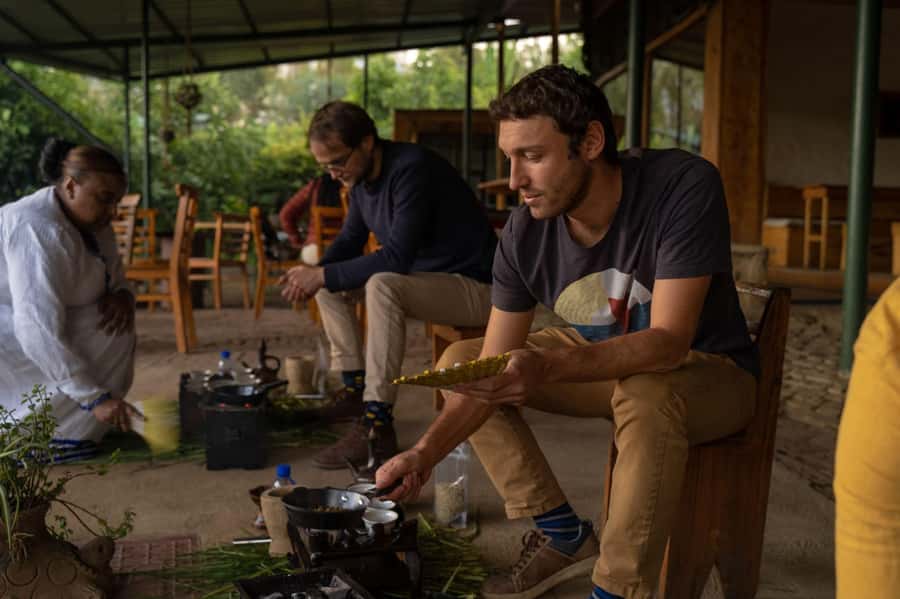
Several guides have received strong praise for qualities that matter on a private cultural outing.
Joe has been described as kind, organized, and good at explaining coffee and injera. He has also arranged extra local experiences, including views around Entoto and a honey shop.
Aelaf, also called Ale, has been praised for arriving early, coordinating by message, driving safely, and explaining city life, culture, and religion along the way. His work at the Hadero Coffee building and translation during the injera class were especially useful.
Mike has been praised for storytelling, care, and a clear affection for Ethiopia. He has also adapted plans when circumstances changed.
Jonas has been described as punctual, genuine, polite, and easy to talk with, with very strong English. These qualities matter when you are spending several hours in a private vehicle and kitchen setting.
The provider does not promise one particular guide, so treat these names as examples of the team rather than a booking guarantee.
Who should book this experience?
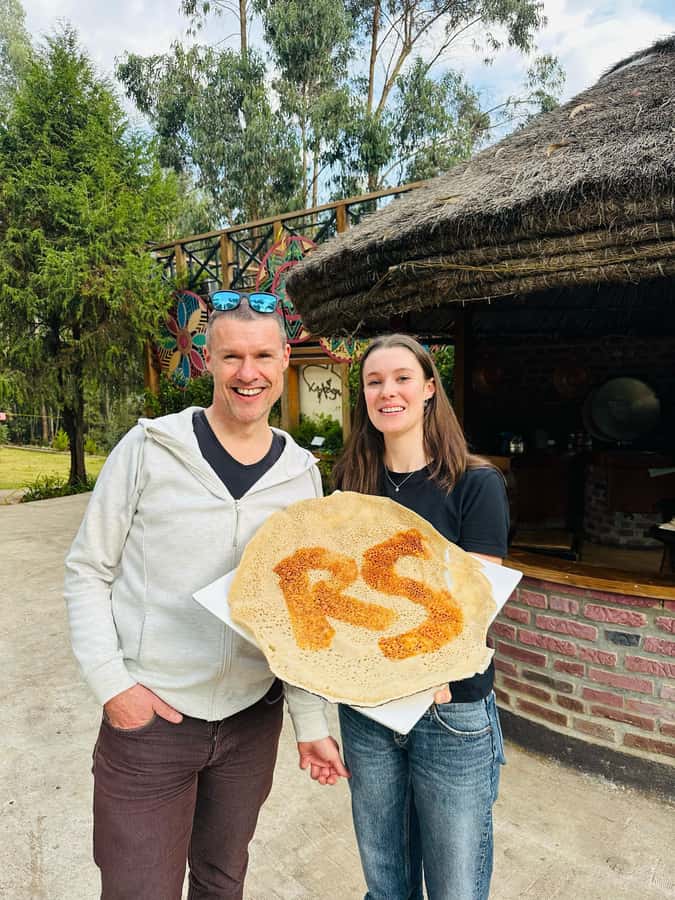
I would choose this for coffee lovers who want to understand Ethiopian coffee beyond a café menu. It also suits food-focused visitors who want to make injera rather than only order it.
It is a good fit for first-time visitors to Addis Ababa because the guide can explain local customs during the transfers. It also works well for repeat visitors who want a more personal activity than another city walk.
The private setup suits solo visitors, couples, and small groups. You can ask questions without competing with a busload of people, and there is room to discuss possible changes to the day.
This is not suitable for children under 15, according to the activity information. It is also not suitable for people with altitude sickness. Addis Ababa and the Entoto area are at high elevation, so take that restriction seriously.
Alcohol and drugs are not allowed. The experience is conducted in English, and a live English-speaking guide accompanies you.
Practical details before you go
The experience lasts four hours, though the exact starting time depends on availability. Wear something comfortable for cooking, and choose clothing you do not mind getting close to batter, spices, or cooking surfaces.
You do not need to bring cooking tools or ingredients. Those are supplied, along with bottled water. Extra purchases are your responsibility.
The activity allows free cancellation up to 24 hours before the start for a full refund. You can also reserve now and pay later, which helps if your Addis schedule is still changing.
Ask about dietary needs before the day begins. The supplied details list the food served but do not explain every ingredient or guarantee a special menu.
Should you book it?
Yes, if you want a private half day built around two central Ethiopian traditions. The best parts are the coffee education, the chance to make injera on a mitad, the communal meal, and the quality of local guiding.
Book it with realistic expectations. The cooking lesson is an introduction, not a long masterclass, and driving between locations can take part of the four hours. If you want a technical coffee qualification or a full-day culinary course, choose something more specialized.
For most food, coffee, and culture lovers in Addis Ababa, $94 is a fair price for the transport, personal guide, tasting, hands-on cooking, lunch, and ceremony. I would especially choose it early in your stay, since the local advice from Joe, Mike, Aelaf, or Jonas may help you make better choices for the rest of your time in Ethiopia.
FAQ
How long does the Ethiopian coffee and injera experience last?
The experience lasts four hours. Starting times depend on availability.
Where does pickup take place?
Pickup is included in Addis Ababa. The provider will contact you the day before to organize the details.
Is the activity private?
Yes. The experience is offered for a private group.
What language is the tour conducted in?
The live guide speaks English, and the activity information lists English as the available language.
What food is included?
You receive a traditional Ethiopian lunch with handmade injera and local dishes such as shiro and misir wot. Other local sides are also included.
Are cooking tools and ingredients provided?
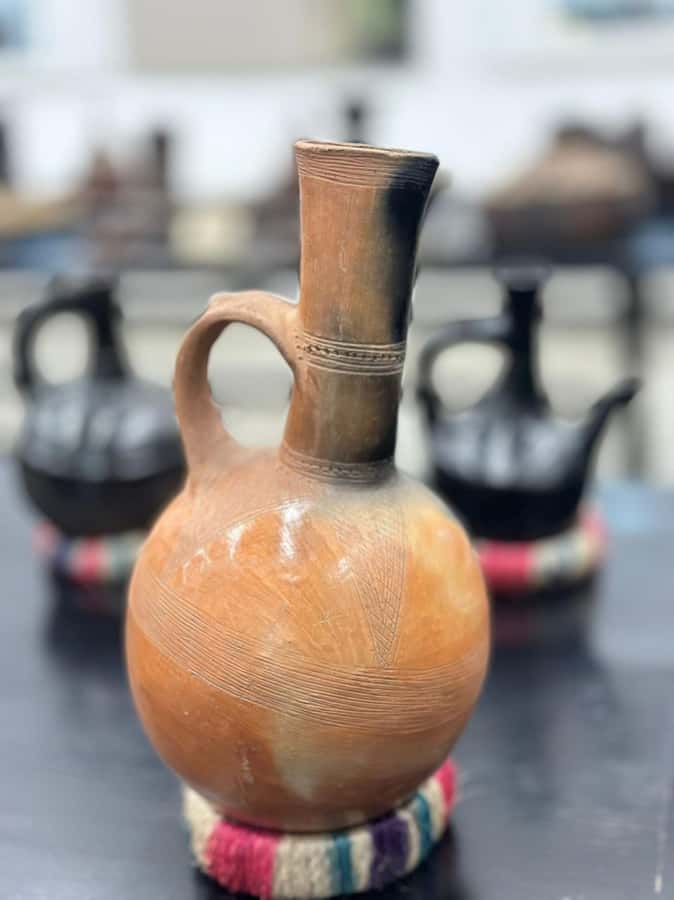
Yes. The activity includes all ingredients, spices, cooking equipment, and traditional tools such as a mitad and clay coffee pot.
Can I cancel for a full refund?
You can cancel up to 24 hours in advance for a full refund.
Who should not book this experience?
The activity is not suitable for children under 15 or people with altitude sickness. Alcohol and drugs are not allowed.
More Food Tours in the world
- Hanoi: Vietnamese Street Food Tour with Egg Coffee
★ 4.9 · 315 reviews - Hungry in Vienna? A Food Lover’s Coffee & Market Walk
★ 4.9 · 276 reviews - Private Walking Tour, Food Tasting and Bosnian Coffee in Sarajevo
★ 5.0 · 255 reviews - Vienna: Typical Austrian Food Tour with Coffee House Visit
★ 4.8 · 159 reviews
Just added around the world
- Yerevan: Private Coffee Tour with 2 Café Stops★ 5.0 · 2 reviews
- Vietnamese Coffee 101 Workshop★ 5.0 · 11 reviews
- Vietnamese Coffee Making Class in Hoi An★ 5.0 · 4 reviews
- Vietnamese cooking class and coffee making with local girl★ 5.0 · 5 reviews
- Venice Delights: Coffee & Food Experience Walking Tour★ 5.0 · 2 reviews
- Private Vienna Tour: Literature Walk with Coffee House Visit★ 5.0 · 2 reviews
- Turin: Art Nouveau Walking Tour with Coffee★ 5.0 · 11 reviews
- Turkish Coffee and Traditional Turkish Dessert Cooking★ 4.6 · 8 reviews
Coffee Tastings, compared.
Hanoi Coffee Experience: 6 Brews, 9 Recipes & 3 Liquor Tastings
Read our review →
Coffee Tour with Transport, Snacks and Tastings
Read our review →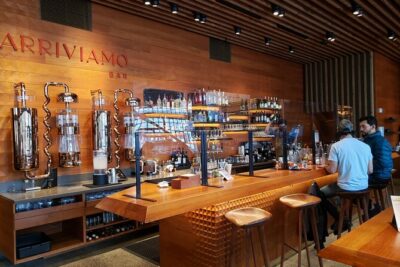
Seattle Coffee Tour: Capitol Hill Cafes, Tastings & Local Stories
Read our review →
Buggy Ride Into the jungle with cave coffee & chocolate tasting
Read our review →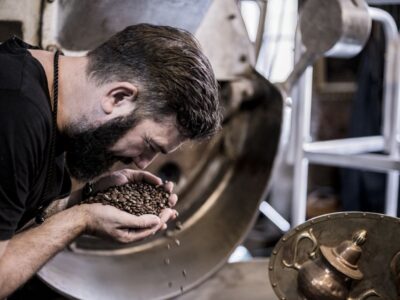
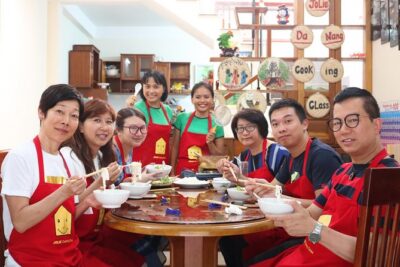
Da Nang Cooking Class with Coffee Tasting and Market Visit
Read our review →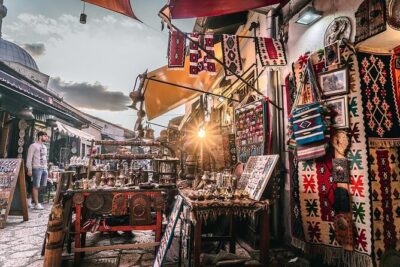
Private Walking Tour, Food Tasting and Bosnian Coffee in Sarajevo
Read our review →
Poás Volcano and Coffee Tour with Tasting and La Paz Falls
Read our review →Browse the lists this tour appears in