
Review · DA LAT
Experience specialty coffee with sustainable coffee farmers
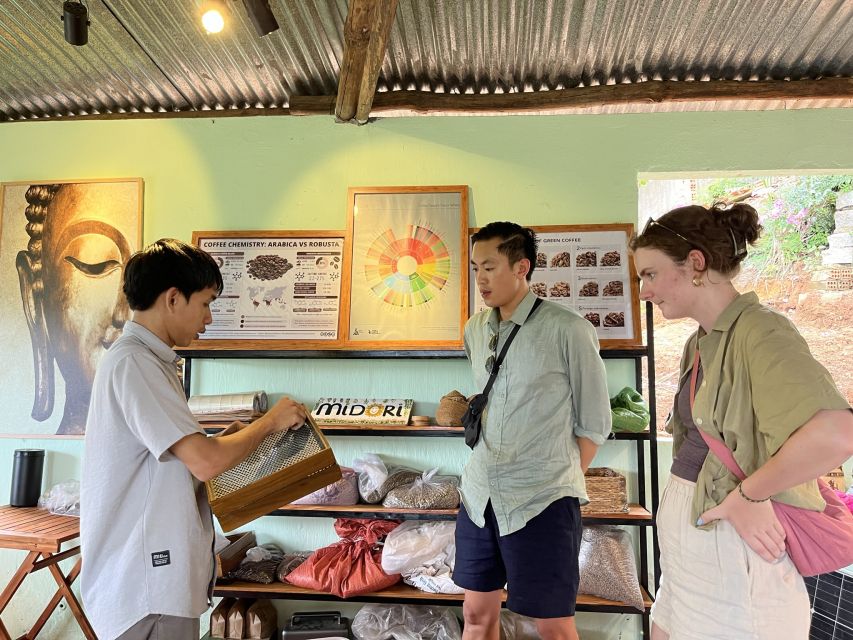
Da Lat coffee tastes very different when it comes straight from the farmer. At HuyEco Coffee & Culture, Huy guides you through five coffees made from Arabica and Robusta, with varied processing and roast levels. You can roast beans yourself, compare brewing methods, then make a traditional Phin coffee while looking over the city.
I like the hands-on roasting, since you see green beans turn brown rather than hearing only a farm-to-cup talk. I also like the chance to compare coffee that is sour, sweet, or fruity without milk, sugar, or added flavorings. Huy’s partner, friendly service, scenic setting, and even a couple of kittens add a relaxed touch.
The main thing to check is the timing. The experience is listed as 90 minutes to five hours, and some versions include a farm visit while the central cafe session is shorter. Confirm the exact duration and meeting point before you go, especially if you expect a full farm tour.
Key points at a glance
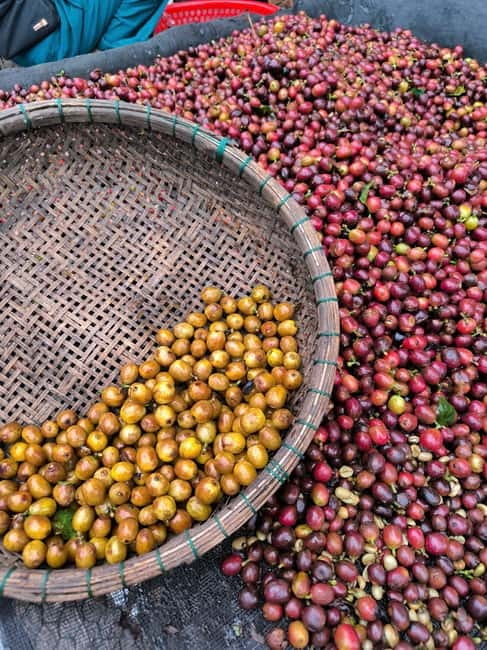
- Five coffees from one sustainable farmer: Compare Arabica and Robusta beans shaped by different processing and roasting methods.
- Roast your own beans: Watch the beans change from green to the familiar dark brown, then taste the result.
- Learn three roast levels: Light, medium, and dark roasts show how heat changes a coffee’s flavor.
- Make Vietnamese Phin coffee: Finish by preparing your own slow-dripped cup while taking in Da Lat views.
- Small groups of up to 10: The format leaves room for questions and personal guidance in English or Vietnamese.
- Strong value at $14: Five coffee drinks and the guide are included, with no hotel transfer, food, or extra drinks.
Meeting farmer Huy in central Da Lat
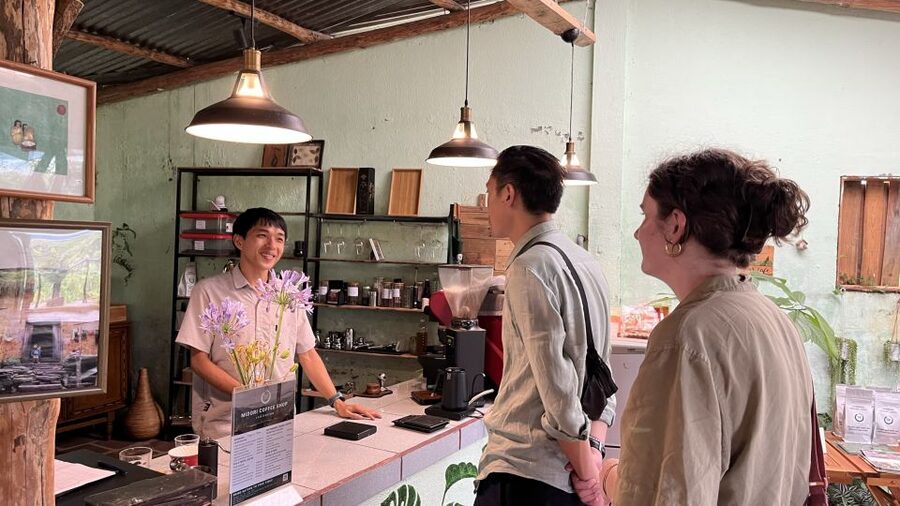
The experience begins at HuyEco Coffee & Culture, a cafe in central Da Lat. Search that exact name in Google Maps and check the location carefully. You can reach it on foot, by motorbike, taxi, or a booking app.
This is not a polished coffee chain where the farm is an abstract idea. Huy grows coffee himself and brings that connection into the cafe. You learn how his beans are grown, processed, roasted, and brewed, then taste the results in the same setting.
That direct link is the heart of the visit. Vietnam is famous for strong coffee, often served with condensed milk or prepared in a Phin filter. Here, you get to taste the beans without anything added, so natural notes such as sourness, sweetness, and fruit become easier to notice.
The cafe also gives the session a pleasant base. Several accounts describe a comfortable setting with verandas and city views, while one longer visit included the farm, a vegetable garden, and peaceful surroundings. The exact setting depends on the version you book, so treat the central cafe as the confirmed meeting point and the farm portion as something to verify.
More Specialty Coffee Tours in Vietnam
- Coffee Farm Tour with Roasting & Tasting Workshop – Da Lat
★ 5.0 · 126 reviews - Experience Making specialty coffee in Da Lat City
★ 5.0 · 3 reviews - Hoi An: Vietnamese Coffee Making Workshop at Local Roastery
★ 4.8 · 174 reviews
Tasting five coffees side by side
The first useful lesson is that coffee is not one fixed flavor. Huy presents five coffees from his farm, including Arabica and Robusta, and shows how different beans and treatments affect the cup.
Arabica and Robusta are not simply better and worse versions of the same thing. They can offer different aromas, body, bitterness, and sweetness. Processing also matters. The way a coffee cherry is handled after picking can change what you notice in the final drink.
You may taste a coffee with a sharper sour note, another with more sweetness, and another with fruit-like character. This is a good place to slow down and pay attention. You do not need a trained palate. Huy explains what you are tasting and gives you a way to compare one cup with the next.
The session includes five coffee drinks, which makes the $14 price easy to understand. You are not paying just for a small cup and a quick explanation. You are getting several samples, instruction, and the chance to make coffee yourself.
One practical point: this is designed for people who want coffee without added ingredients. If you usually drink only sweetened coffee, some cups may taste sharper or more bitter than expected. That is part of the lesson, but it is worth knowing before you book.
Roasting green beans yourself
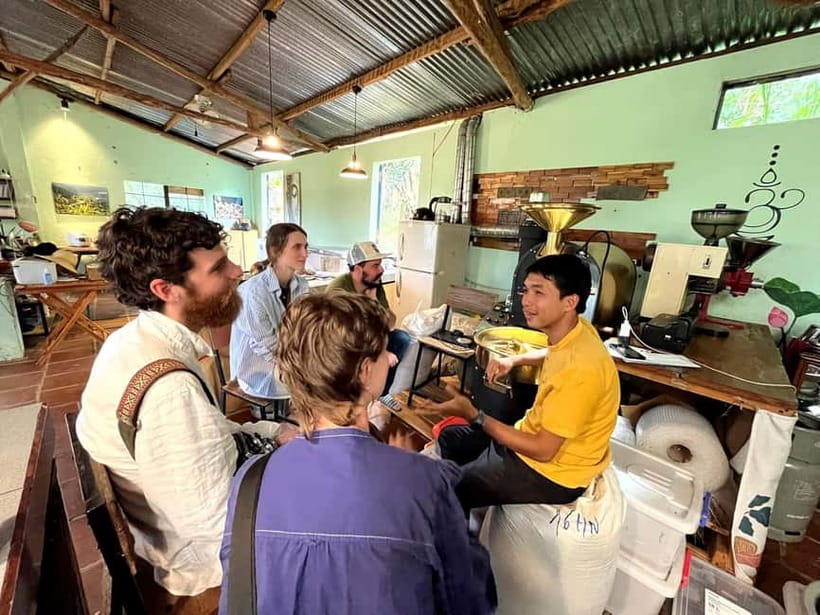
Roasting is the most memorable hands-on part. You begin with green coffee beans, then use heat to bring out the color and aromas you recognize from roasted coffee.
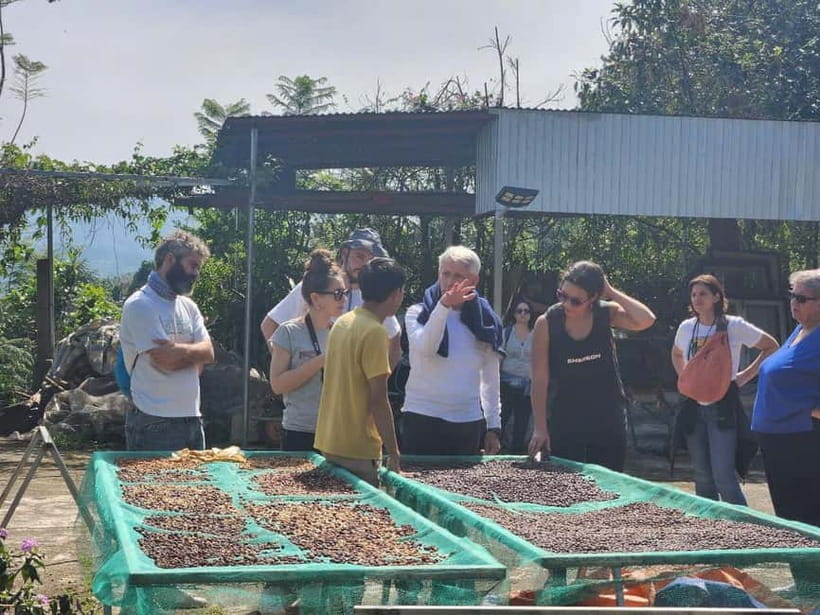
The change happens in front of you. The beans move from green to yellow and then toward brown, with the final roast level affecting the taste. One account specifically describes roasting beans until they became the dark brown beans most people know.
This step gives useful context to the coffee in your cup. Roast is not just a label on a bag. A light roast can keep more of the bean’s original character, while a darker roast tends to produce a heavier, stronger taste. The activity introduces light, medium, and dark roast styles so you can compare them directly.
You should not expect to leave as a professional roaster. The value is seeing how much work and judgment sit between the farm and the cafe. You also get a better sense of why two coffees made from similar beans can taste so different after roasting.
Because you take part, this works well for curious beginners. You can ask questions as you go instead of trying to absorb a long lecture. The group limit of 10 also helps keep the practical side manageable.
Comparing light, medium, and dark roast
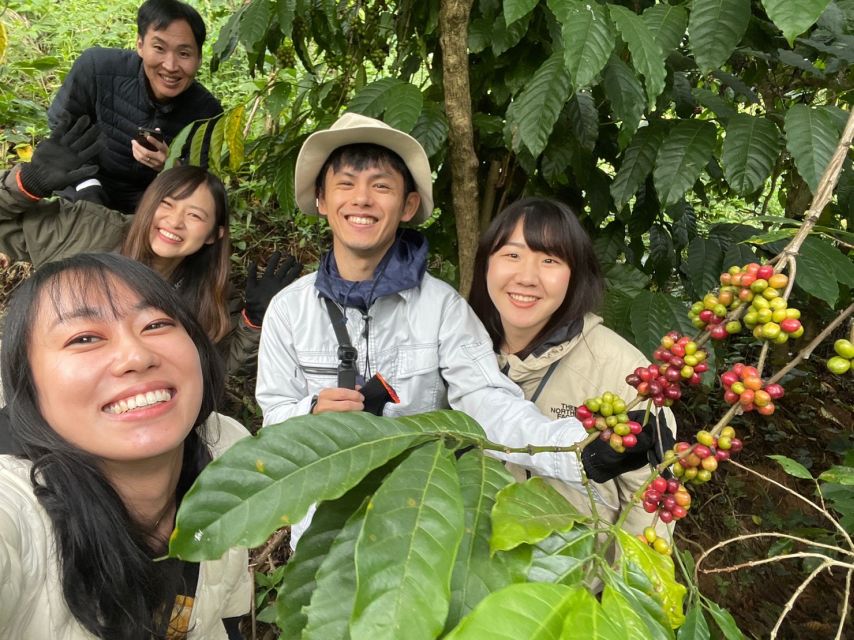
After roasting, the experience turns into a guided tasting. Huy prepares coffee using different roast levels and brewing methods, allowing you to compare the effects.
Light roast tends to let more of the bean’s own character show through. Medium roast can give a middle ground between distinct flavor and fuller body. Dark roast usually brings a stronger roasted taste. The point is not to name one winner. It is to notice what changes.
This comparison is especially helpful if you buy coffee at home and feel lost among roast labels. You can decide if you prefer bright, fruity notes or a deeper, heavier cup. You can also see why a coffee that tastes good as a filter brew might not be your favorite in a Phin.
The activity covers several brewing techniques, then ends with the traditional Vietnamese method. That progression makes sense. You first taste how roast affects coffee, then learn how the brewing tool changes the final drink.
More Roastery Tours in Dalat:
- Cartagena: Colombian Specialty Coffee Tasting
★ 4.4 · 130 reviews - Private Coffee Roasting Class
★ 5.0 · 101 reviews - Vietnamese Bread & Brew: Banh Mi Baking Class & Specialty Coffee
★ 5.0 · 76 reviews - Santo Domingo Small Group Walking Tour: Beer and Specialty Coffee
★ 5.0 · 55 reviews
Making your own traditional Phin coffee
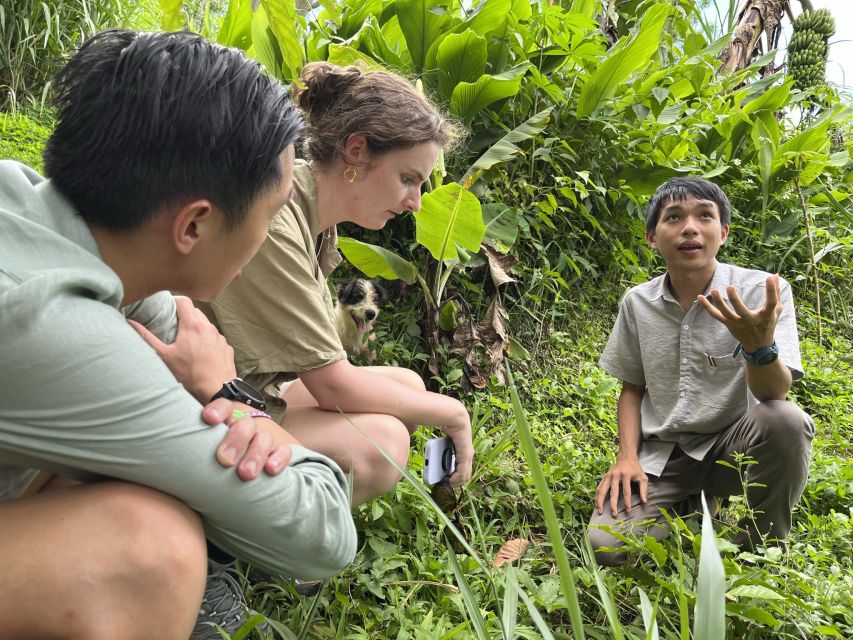
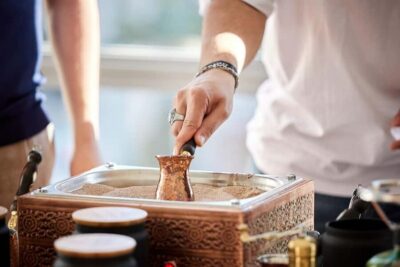
The Phin is a small Vietnamese metal filter that sits on top of a cup. Water passes slowly through the grounds, creating a concentrated drink. You get to make your own cup rather than only watching Huy prepare one.
This is a valuable part of the experience because it connects the coffee lesson to daily life in Vietnam. The Phin is simple, compact, and easy to use at home once you understand the steps. It also slows the process down. You watch the coffee drip instead of rushing from grinder to machine.
You make the coffee while looking over Da Lat, which gives the final drink a sense of place. The city view is part of the appeal, but the real benefit is practical: you leave knowing how Vietnamese coffee is prepared and why it tastes so strong.
If you prefer espresso or very mild coffee, the Phin may feel intense. You can still enjoy the method, but this is not a tasting built around weak, heavily diluted cups.
What the farm element adds
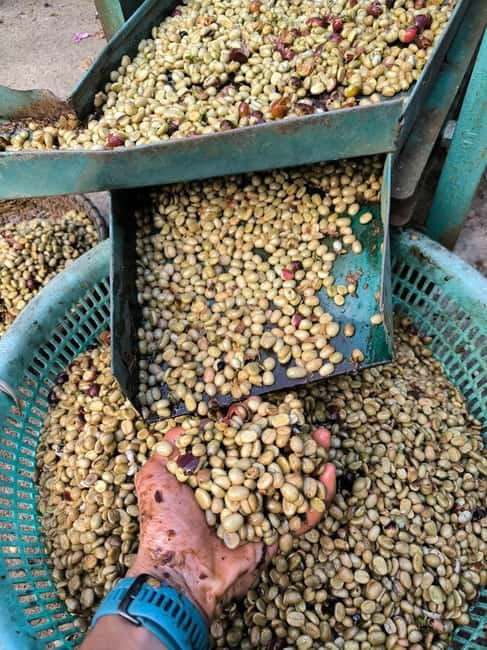
The experience is led by a working sustainable coffee farmer, not just a cafe employee repeating general facts. Huy explains how he grows coffee and how his farming choices affect the beans later in the process.
Some longer visits include a tour of the organic coffee farm and a vegetable garden. That makes the experience more useful for anyone interested in sustainable agriculture, not just coffee drinking. You see the broader setting behind the crop and gain a clearer idea of the labor involved.
The available information does not guarantee that every booking includes the same farm route. The listed meeting point is the cafe in central Da Lat, and the duration can range from 90 minutes to five hours. Ask ahead if you specifically want the farm, garden, or a longer countryside visit.
This variable timing is the only real planning concern. A 90-minute cafe session fits neatly into a day of sightseeing. A longer version needs more space in your schedule and may involve transport beyond the city center.
The guide, group size, and overall mood
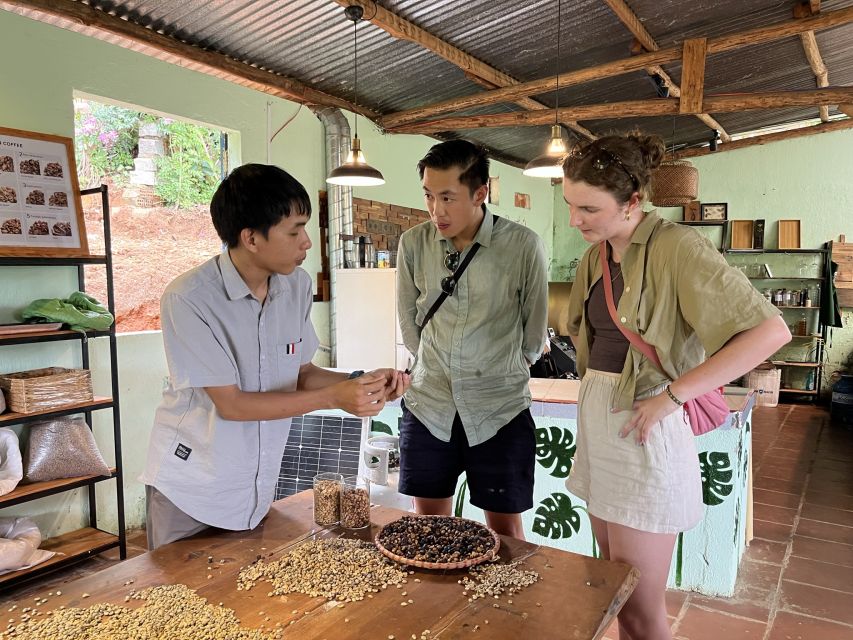
Huy is the central personality of the activity. He explains coffee in English or Vietnamese, answers questions, and keeps the session informal. The strongest praise focuses on his warmth, humor, and clear explanations rather than on showy presentation.
That matters because coffee tasting can become overly technical. Here, you can ask simple questions about beans, flavor, growing, or brewing without needing prior knowledge. The small-group limit of 10 supports that style.
The setting adds to the relaxed feel. Huy’s partner helps create a friendly welcome, and the cafe has been described as comfortable and well equipped. A few visitors also enjoyed the resident kittens, a small detail but a pleasant one if you like animals.
Da Lat can be cold, especially if you arrive without a jacket. One person was lent a jacket at the cafe, but you should still bring your own warm layer. The provided information specifically asks you to bring your passport, so keep it with you.
Is $14 good value?
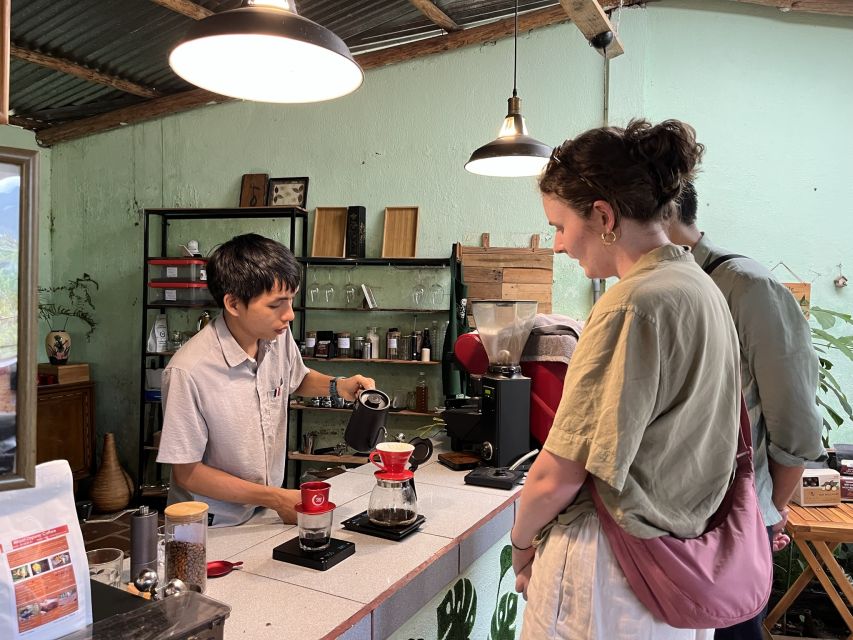
At $14 per person, this is a strong buy for anyone who drinks coffee or wants a local food-and-farm activity. The fee includes five coffee drinks and the guide ticket. It does not include extra drinks, food, or hotel and airport transfers.
The value comes from the variety. A standard cafe visit might give you one drink and a view. This session gives you five drinks, several roast comparisons, hands-on roasting, brewing practice, and farming instruction.
It is also cheaper than many dedicated tasting sessions in major cities, though the experience is less formal than a professional coffee school. You are paying for access to Huy’s farm knowledge and a personal introduction to Vietnamese coffee, not for laboratory-style scoring sheets or advanced barista certification.
If you are on a tight schedule, the shorter version makes sense. If you are booking mainly for a farm visit, confirm the longer format before paying so your expectations match the program.
Who should book this coffee experience?
I would book this if you want to understand Vietnamese coffee beyond condensed milk and strong cafe drinks. It suits beginners, coffee fans, and anyone interested in small-scale sustainable farming.
It also works well early in a Da Lat visit. After tasting several beans and roast styles, you will have a better idea of what to order in local cafes and what kind of coffee to buy as a souvenir.
You do not need expert coffee knowledge. In fact, beginners may gain the most because Huy explains the basics in a direct, friendly way. The experience is also a good choice for couples or small groups who prefer a personal session over a large tour.
I would think twice if you dislike black coffee, have no interest in how coffee is made, or want a full-day farm excursion without checking the booking details. The tasting focuses on unflavored coffee, and the length varies.
Should you book HuyEco Coffee & Culture?
Yes, if coffee is part of your reason for visiting Vietnam. For $14, you get five drinks, a farmer’s view of sustainable growing, hands-on roasting, several brew methods, and your own Phin coffee. That is a lot of substance for a short Da Lat activity.
Book with two details in mind: search carefully for HuyEco Coffee & Culture, and confirm whether your chosen time includes only the cafe session or also a farm visit. Bring a passport and a jacket, especially in cooler weather.
This is not merely a coffee stop. It is a practical lesson in how beans become the drink in your cup, delivered by the person who grows them. That personal connection, plus the chance to roast and brew for yourself, makes it one of Da Lat’s better small-group food experiences.
FAQ
Where does the coffee experience meet?
The meeting point is HuyEco Coffee & Culture, a cafe in central Da Lat. Search for that exact name on Google Maps and check the location carefully.
How much does the experience cost?
The price is $14 per person.
How long does the activity last?
The stated duration ranges from 90 minutes to five hours. Check the available start times and confirm the length of the option you choose.
How many people are in the group?
The activity is limited to 10 participants.
Which languages are available?
The live guide speaks English and Vietnamese.
What is included in the price?
Five coffee drinks at the cafe and the tour guide ticket are included.
Do I need to bring anything?
You should bring your passport. A jacket is also practical because Da Lat can be cold, although a jacket is not listed as a required item.
Just added around Dalat
- Da Lat Trekking to Langbiang Mountain with Coffee View★ 4.5 · 6 reviews
- Coffee – Wine – Tea: Dalat Treasures tour★ 3.5 · 5 reviews
- Experience Making specialty coffee in Da Lat City★ 5.0 · 3 reviews
- Coffee Class and DaLat Outskirt Tour★ 4.5 · 5 reviews
- VIP Dalat 3 waterfalls – Datanla, Elephant Pongour & Coffee Tour★ 5.0 · 8 reviews
- Tea & Coffee Tour★ 4.8 · 5 reviews
- DALAT EASY RIDER GROUP TOUR – PONGOUR FALL – SILK- COFFEE..★ 5.0 · 6 reviews
- Dalat Group Easy Rider – Elephant Fall-Pagoda-Weasel Coffee…★ 5.0 · 7 reviews
Specialty Coffee & Roastery Tours, compared.
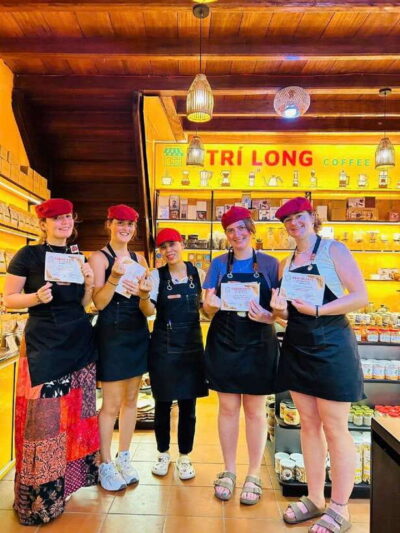
Vietnamese Coffee Making Workshop at Local Roastery
Read our review →
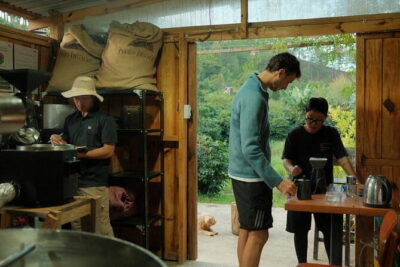
Coffee Farm Tour with Roasting & Tasting Workshop – Da Lat
Read our review →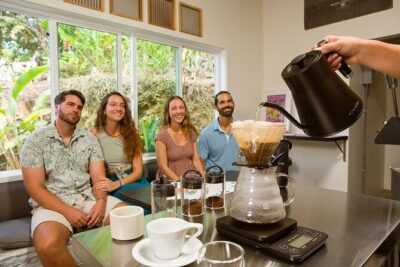
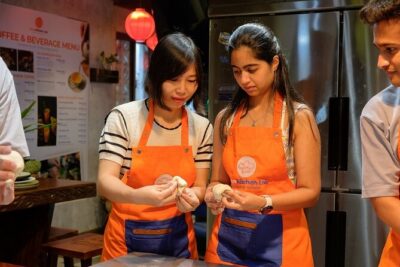
Vietnamese Bread & Brew: Banh Mi Baking Class & Specialty Coffee
Read our review →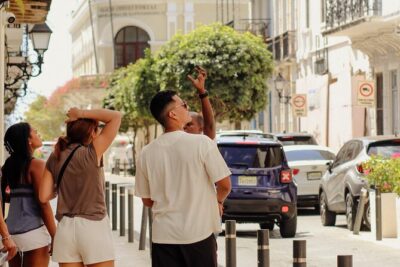
Santo Domingo Small Group Walking Tour: Beer and Specialty Coffee
Read our review →
Browse the lists this tour appears in