
Review · SPAIN
La Herradura Coffee Farm: tour in Europe’s only plantation
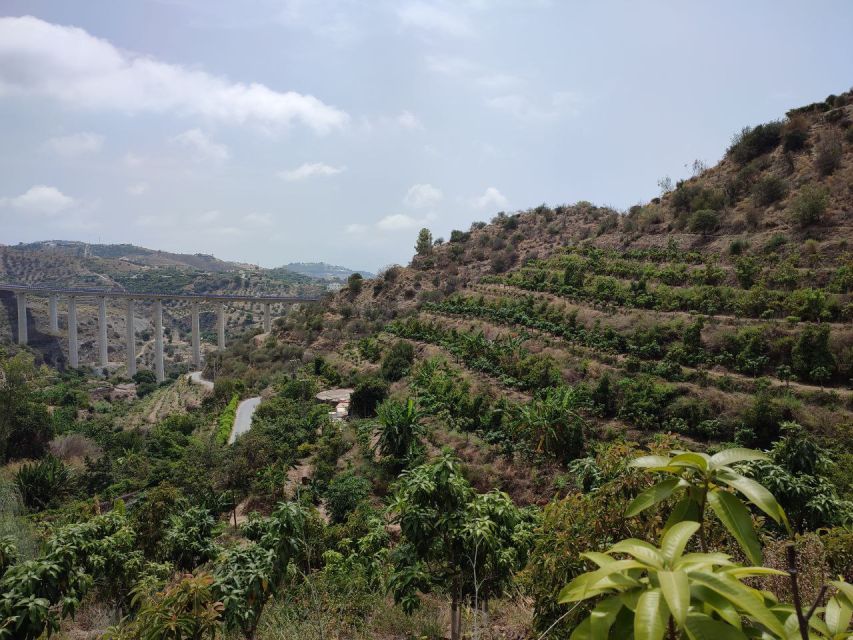
Europe’s only coffee plantation is not hidden in a faraway mountain valley. It sits near La Herradura beach, about 10 minutes from Nerja, where Mediterranean weather helps coffee plants and tropical fruit trees grow side by side. That unusual mix is the reason to come.
I like the family-run feel and Manuel’s lively way of explaining the work. I also like the chance to see unusual crops in the ground, not just hear a talk about them, from coffee and dragon fruit to sugar cane and several types of mango. The main drawback is the terrain: two steep sections make this a poor fit for wheelchair users, people with limited fitness, and anyone with serious mobility concerns.
Key points
- Europe’s only coffee farm: See productive coffee plants growing near the Costa del Sol.
- Up to 30 types of exotic fruit: Mangoes, avocados, lychees, bananas, dragon fruit, papayas, and more may appear along the route.
- Manuel leads the visit: The owner explains the farm’s past, present challenges, and future plans with plenty of humor.
- Organic farming in practice: Learn about water saving, permaculture, soil regeneration, and the difficulty of farming without pesticides.
- A 300-year-old cortijo finish: End at the old Andalusian farmhouse, where seasonal produce, local goods, and roasted coffee are sold.
- Bring proper shoes: The walk is manageable for many people, but steep areas, heat, insects, and uneven ground are part of the setting.
Why this coffee farm feels so unexpected

Coffee is not the first crop you expect to see in Andalusia. The Costa del Sol is better known for beaches, white villages, mangoes, and avocados, yet La Herradura’s warm coastal conditions allow coffee plants to grow productively here. That makes this a different kind of outing from a standard garden visit or food tasting.
You walk through a working family farm, where coffee plants share space with tropical fruit trees and experimental crops. Manuel, the owner, explains how his family developed the property and why growing coffee in this environment takes patience, careful water use, and plenty of trial and error.
I like that the tour does not treat farming as a polished backdrop. You hear about the hard parts too: heat, water demands, soil care, crop timing, and the challenge of producing organically. The result feels personal and grounded, with the farm’s future still being built rather than presented as a finished museum display.
More Coffee Farm Tours in the world:
- Award Winning Farm Tour: Coffee, Chocolate and Unique Gifts
★ 5.0 · 484 reviews - Big Island: Volcanoes, Waterfalls, & Coffee Farm Day-Trip
★ 4.9 · 414 reviews - Small-Group Big Island Tour: Hawaii Volcanoes National Park and Kona Coffee Farm
★ 5.0 · 343 reviews
Walking from the meeting point to the coffee plants
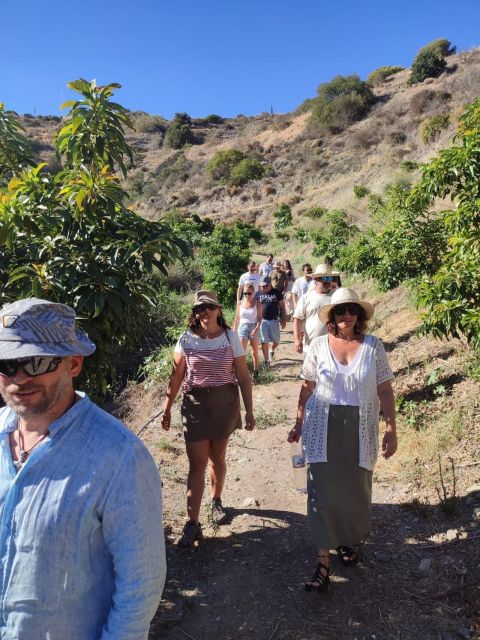
The experience begins at a designated meeting point, which can differ depending on the option you book. Confirm it before setting out, since the start and finish are not necessarily the same place.
The walking route takes you through the coffee plantation and fruit-growing areas. You can expect to see coffee plants with developing fruit, along with the wider mix of crops that makes this farm unusual. The route is guided rather than self-directed, so Manuel’s explanations give meaning to what you are seeing.
He covers the basic process from planting and tending to harvesting and roasting. The appeal is not just seeing a coffee plant for the first time. You also learn how a crop that most people associate with tropical mountain regions can be managed in southern Spain.
The tour is often described as friendly and funny, with Manuel using stories and questions to keep children and adults involved. Families seem to get a lot from the visit because there is always something concrete to look at. A child may focus on mangoes or dragon fruit while an adult listens to the discussion about irrigation or soil.
A tropical fruit collection in Mediterranean Spain
Coffee is the headline, but the fruit trees may be the most memorable part of the walk. The farm has up to 30 types of exotic fruit, including mangoes, avocados, bananas, papayas, lychees, sugar cane, and dragon fruit.
You can also see Spain’s oldest mango tree, centennial cherimoya trees, and a low water use avocado plantation. These details give the visit a sense of place. You are not simply touring a collection of imported plants. You are seeing how a local farm has adapted to its climate and tested what else might grow.
Season matters. Mangoes may not be ripe during your visit, so do not book this expecting a guaranteed tasting of one particular fruit. Fruit sampling can form part of the experience, and fresh produce may be available, but the exact selection depends on what is ready in the orchard.
That seasonal uncertainty is worth accepting. It is the nature of a working farm, and it makes the visit more honest than a fixed tasting menu. If you are keen to try a certain fruit, ask Manuel what is in season when you arrive.
Organic methods, water use, and soil repair
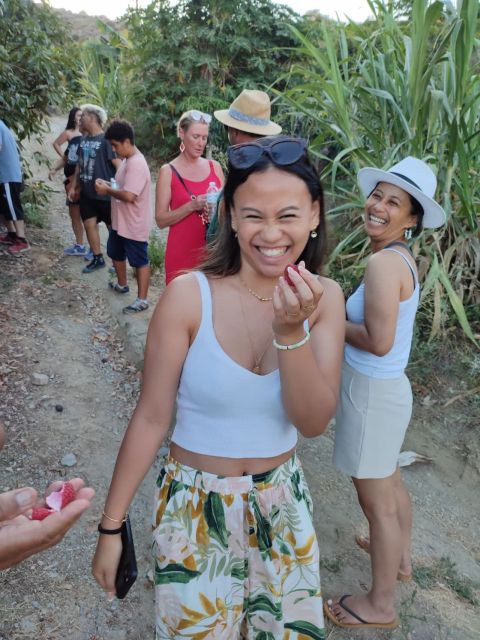
The farm’s strongest educational side is its discussion of sustainable agriculture. Manuel explains the problems involved in developing an organic plantation in this setting, including how to supply crops with enough water without wasting a scarce resource.
You learn about water optimization, permaculture, soil regeneration, and the value of planting different crops together instead of relying on one crop alone. That variety has a practical purpose. It can support healthier soil, reduce dependence on a single harvest, and make better use of the ground.
I appreciate this part because it connects the pretty views with the work behind them. A mango tree or coffee plant may look effortless once it is established, but the guide explains the decisions needed to keep it alive and productive.
This is also useful for anyone interested in responsible food production. The tour does not offer a technical farming course, but it gives you a clear introduction to the pressures faced by a small organic operation. You leave with a better sense of why local produce costs what it does and why water management matters in southern Spain.
A few more coffee tours around the world worth a look
- Hoi An: Vietnamese Coffee Culture and Coffee Making Class
★ 4.9 · 4,006 reviews - Hanoi Coffee Experience: 6 Brews, 9 Recipes & 3 Liquor Tastings
★ 5.0 · 2,945 reviews - 4×4 Dominican Adventure with Chocolate and Coffee Tasting
★ 5.0 · 2,920 reviews - Rome Morning Vespa Sidecar Tour in Rome with Cappuccino
★ 5.0 · 1,771 reviews
The owner as guide: Manuel’s personal approach
Manuel is central to the experience. He is not simply reading prepared information while leading you between plants. He tells the story of his family farm, explains what he has tried, and shares plans for the future.
His style is informal and humorous. That matters because a farm tour can become a list of plant names and growing dates. Manuel keeps it moving with jokes, questions, and practical examples. He also makes an effort to keep the group together, which helps when the route includes slopes.
The tour is offered in English and Spanish, with additional language availability listed as French and German. Some visits have included mixed language groups, and Manuel has been praised for handling that setting well.
Names in past descriptions vary between Manuel and Manolo, but the farm owner and principal guide is Manuel. You may also encounter family members or another guide, depending on the day. The personal connection remains a major part of the visit.
Sea views and the old Andalusian cortijo
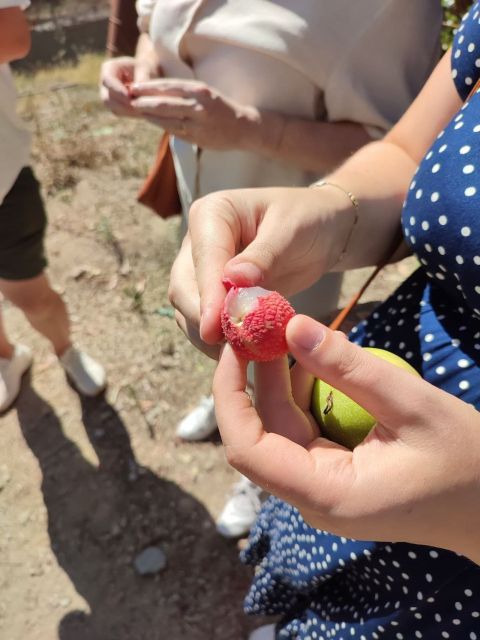
The farm’s setting adds more than a pleasant background. From the grounds, you get views toward La Herradura, with rolling hills and the Mediterranean nearby. The combination of sea air, tropical plants, and old agricultural buildings gives the visit a strong Costa del Sol character.
The walk ends at a 300-year-old Andalusian cortijo. This is a fitting finish because it connects the modern coffee project with the area’s older farming traditions. It also gives you time to pause after the route and look over the farm’s products.
You can buy seasonal fruit, local goods, and coffee roasted by the farm. Buying something here supports the small family operation directly and gives you a practical souvenir. Coffee is the obvious choice, though the available fruit and other products change with the season.
A few people have found the farm’s own fruit especially good, and fresh items may sometimes be offered during the visit. Do not assume that every product listed will be available on every date. Small farms work with what is harvested and prepared at that time.
What the 70 minute visit is really like
The advertised duration is 70 minutes, while the detailed route has also been described as lasting around 1.5 hours. I would allow roughly 70 to 90 minutes, especially if the group pauses for questions, fruit, photographs, or shopping at the cortijo.
The pace is a walking tour rather than a strenuous hike, but it is not completely flat. Two steep areas are part of the route. Chairs are available for pauses, and the guide allows the group to stop, but you still need comfortable shoes and a reasonable level of fitness.
In warm weather, bring sun protection and water. Several past visitors specifically found sunscreen useful, and the farm can be hot. Insects are also part of a plantation setting, so this is not a good choice if you have a serious insect allergy.
The route is unsuitable for wheelchair users and people with significant mobility impairments. It is also not recommended for people with heart problems or a low level of fitness. That information is important, since the photos and sea views might make the outing look easier than it is.
Getting there from La Herradura and Nerja
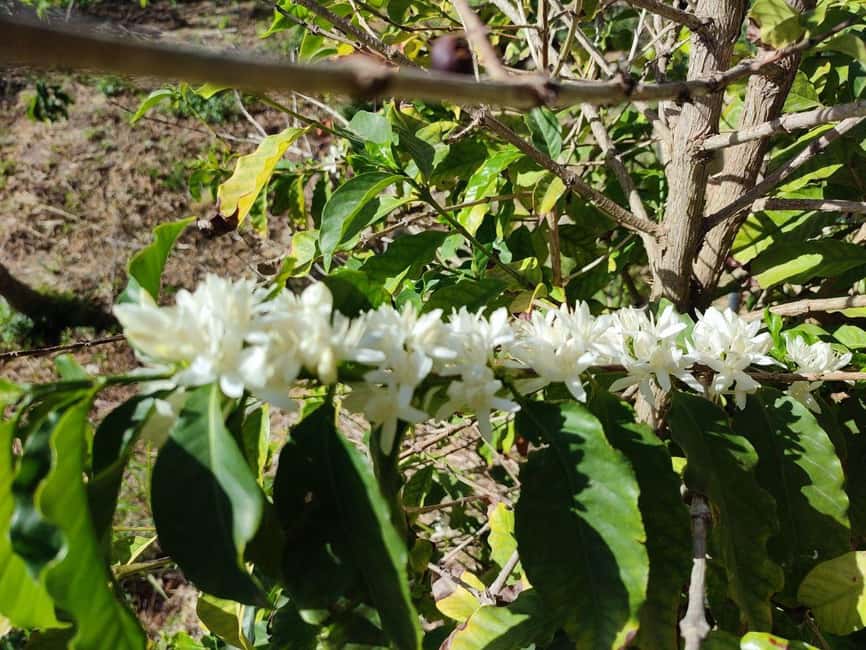
The farm is within walking distance of La Herradura beach, and it is only a short drive from Nerja. One person walked from La Herradura in about 30 to 35 minutes during a cool morning. That can work if you are comfortable walking uphill and have enough time, but check the exact meeting point first.
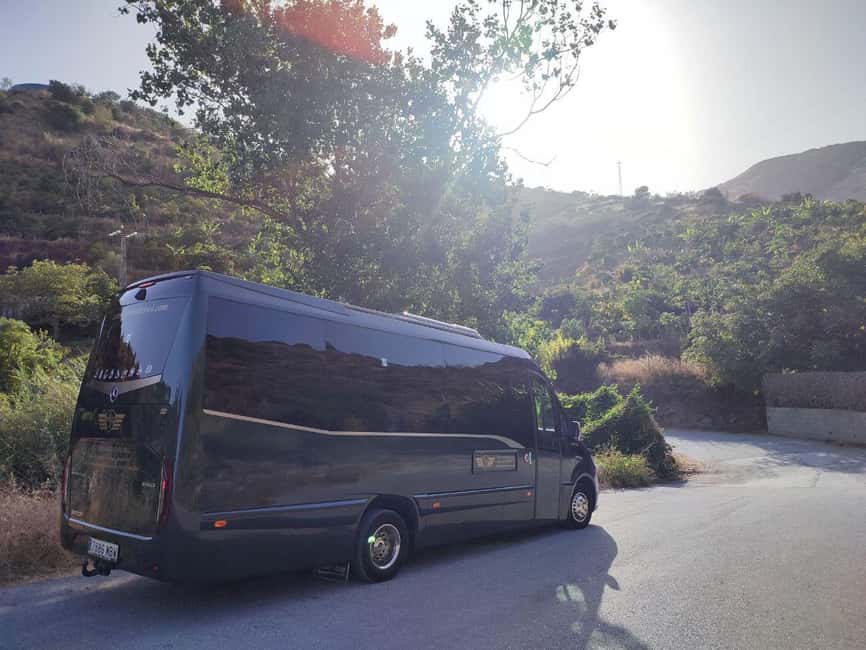
Transport planning deserves attention because the tour begins and ends at different locations. A taxi or ride service may take you to the farm but not reliably bring you back. Uber has been used to reach the farm, while a local taxi was needed for the return on at least one occasion.
If you do not have a car, arrange the return before the tour begins. The owner has sometimes helped visitors find a local taxi, but I would not rely on that as your only plan. This is an easy detail to solve in advance and an annoying one to discover after the final coffee purchase.
Hotel pickup and drop-off are not included. A paella workshop is also separate, so do not assume it forms part of this visit.
Is $17 a fair price?

At $17 per person, this is good value if you want a personal farm visit rather than a polished attraction built around a single product. You get a guided walk, access to a rare coffee-growing site, a broad range of tropical plants, farming information, sea views, and the chance to buy produce at the end.
The value comes mainly from the guide and the setting. You are paying for access to an unusual working farm and for Manuel’s time explaining how it operates. The price also compares well with many short Costa del Sol activities, especially if you enjoy food, agriculture, or small family businesses.
I would not choose it solely for a guaranteed coffee tasting. Coffee is central to the farm, and freshly roasted coffee is available to buy, but a formal tasting is not clearly promised every time. Fruit sampling may happen, yet the range depends on the harvest.
For families, the price can work well because children have plants, fruit, and a real farm to explore rather than a long indoor presentation. Just be ready for heat, slopes, and the possibility that a favorite fruit is not ripe.
Who should book this farm tour?
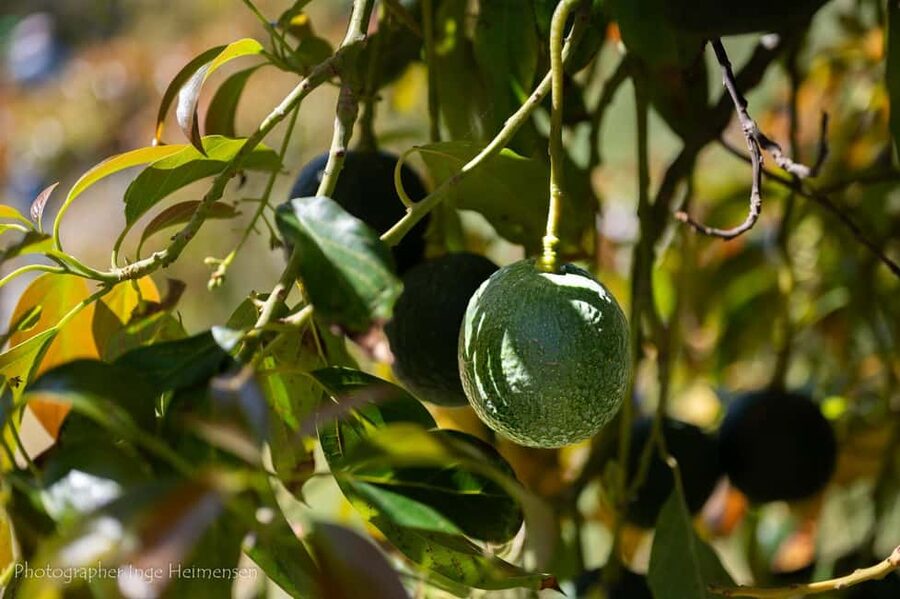
I would choose this outing if you are staying in Nerja, La Herradura, or Almuñécar and want something beyond beaches and resort activities. It suits people who enjoy local food, small producers, gardening, unusual crops, and stories about how a business grows over time.
It is also a strong option for families with children old enough to walk on uneven ground. The guide’s humor and the variety of plants help hold attention, while the short duration keeps the outing manageable.
You should think twice if you need step-free access, dislike outdoor heat, have a low fitness level, or have a serious insect allergy. The tour is not difficult for a reasonably fit walker, but it is not a flat garden stroll.
Final verdict: book it for the farm, not just the coffee
Book La Herradura Coffee Farm if you want a friendly, authentic look at tropical agriculture on Spain’s southern coast. The coffee plants are the unusual hook, but the wider fruit collection, organic methods, sea views, old cortijo, and Manuel’s personal storytelling make the visit worthwhile.
I would allow up to 90 minutes, wear sturdy shoes, confirm the meeting point, and arrange your return ride in advance. If you do that, $17 buys a memorable change of pace from the usual Costa del Sol sightseeing, with a local coffee bag or seasonal fruit as a useful reminder of the visit.
FAQ
Where is La Herradura Coffee Farm?
The farm is in La Herradura, Andalusia, near La Herradura beach and about 10 minutes from Nerja. The exact meeting point depends on the option booked.
How long does the tour last?
The stated duration is 70 minutes. The guided plantation walk has also been described as lasting about 1.5 hours, so allow extra time for pauses, questions, and shopping.
What can I see on the farm?
You can see productive coffee plants and up to 30 types of tropical fruit, including mangoes, avocados, bananas, papayas, lychees, dragon fruit, and sugar cane. The farm also has Spain’s oldest mango tree and old cherimoya trees.
Is the tour available in English?
Yes. The tour is available in English and Spanish, with French and German also listed as available languages.
Is the route suitable for people with mobility problems?
No. The farm has two steep areas and is not suitable for wheelchair users or people with mobility impairments. Chairs are available for pauses, but you need comfortable shoes and a reasonable level of fitness.
Are food and drinks included?
Food and drinks are not included. Seasonal fruit may be available to sample, and you can buy roasted coffee, farm produce, and local products at the old cortijo.
Is transportation included?
Hotel pickup and drop-off are not included. The meeting point and ending point can differ, so confirm both locations and arrange your return transportation in advance.
Just added around the world
- Yerevan: Private Coffee Tour with 2 Café Stops★ 5.0 · 2 reviews
- Vietnamese Coffee 101 Workshop★ 5.0 · 11 reviews
- Vietnamese Coffee Making Class in Hoi An★ 5.0 · 4 reviews
- Vietnamese cooking class and coffee making with local girl★ 5.0 · 5 reviews
- Venice Delights: Coffee & Food Experience Walking Tour★ 5.0 · 2 reviews
- Private Vienna Tour: Literature Walk with Coffee House Visit★ 5.0 · 2 reviews
- Turin: Art Nouveau Walking Tour with Coffee★ 5.0 · 11 reviews
- Turkish Coffee and Traditional Turkish Dessert Cooking★ 4.6 · 8 reviews
Coffee Farm Tours, compared.
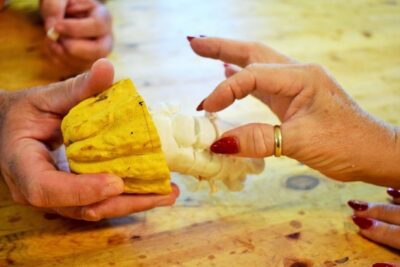
Award Winning Farm Tour: Coffee, Chocolate and Unique Gifts
Read our review →
Medellín Coffee Farm Tour with Trolley and Cable Car Ride
Read our review →
Private Cocora Valley, Salento & Coffee Farm Tour
Read our review →
Liamuiga Natural Farm Tour – St.Kitts’ Coffee Farm
Read our review →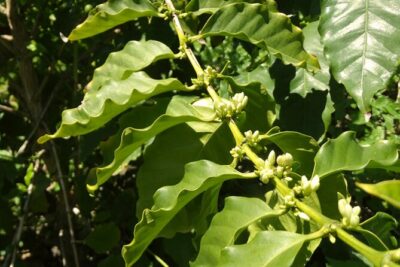
Horseback Riding Coffee Farm Tour with Coffee Spa
Read our review →
Browse the lists this tour appears in