
Review · NAIROBI
Nairobi: Guided Coffee Farm Tour with Tastings
The most interesting part of this Nairobi outing is that you do not stop at drinking coffee. You follow the bean from the coffee plant and cherry to drying, roasting, brewing, and tasting. The visit also includes hands-on flavor games in the liquor room, where you learn to tell coffee aromas apart.
I like the easy hotel pickup and the personal touch from Patrick Solomon, who shares Nairobi history, local culture, and basic Swahili during the drive. I also like the chance to meet farmers and see the work behind a cup of Kenyan coffee. The main caution is the price wording: the tour is advertised at $27, but a separate farm entry fee may apply if you do not choose an option that includes it.
Key points to know before booking
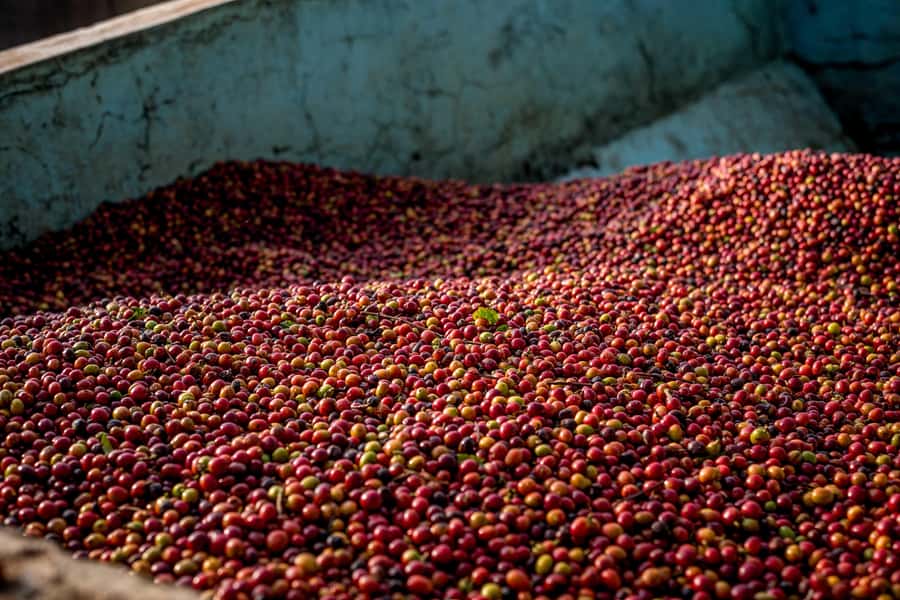
- Follow coffee from cherry to cup: See how coffee is grown, harvested, processed, dried, roasted, and brewed.
- Taste with a purpose: Smell-the-coffee games and guided tastings help you notice flavor differences instead of simply drinking a hot cup.
- Patrick adds Nairobi context: Transfers can include information about the city, Kenyan culture, history, notable areas, and basic Swahili.
- Pickup is included: You can arrange collection from a Nairobi hotel or wait at the airport taxi area if that is your pickup point.
- A small-group feel is possible: Private and small-group options are available, which suits solo visitors and anyone who wants more time for questions.
- Check the entry-fee option: If farm admission is not included in your booking, the stated fee is $30 for adults and $15 for children over seven.
Why this coffee tour is more than a farm walk
Coffee makes a good introduction to Kenya because it connects agriculture, trade, science, taste, and daily life. This experience gives you a chance to see those links in one short outing, rather than simply visiting a café and being told that Kenyan coffee is famous.
The tour begins with the story of coffee and its African origins. You then move into the working side of the subject: coffee varieties, plant care, harvesting, and the choices that affect the final flavor. That progression matters. Once you have seen the coffee cherry and heard how much work goes into it, a brewed cup becomes less like a quick drink and more like the end of a long chain of careful tasks.
The farm portion includes contact with farmers and explanations of local growing methods. The available information does not promise a particular harvest season, so the plants may look different depending on when you visit. You should still expect a guided walk around the plantation and a practical look at how coffee is grown.
I would choose this experience for anyone who wants a clear introduction to coffee without committing to a full-day agricultural program. At three hours, it fits neatly into a Nairobi schedule. It also gives you a useful cultural introduction before or after other city activities.
More Coffee Farm Tours in Kenya:
- Nairobi Coffee Farm and Factory Tour
★ 5.0 · 87 reviews - Coffee Farm Tour (Fairview)
★ 4.8 · 71 reviews - Nairobi: Coffee Factory and Farm Tour with Transfer
★ 4.5 · 60 reviews
The drive from Nairobi with Patrick Solomon
Hotel pickup and drop-off make this tour easier than arranging your own transport to a farm. You are asked to wait in your hotel lobby 15 minutes before pickup. If you are being collected at the airport, the meeting point is the taxi area, also 15 minutes before pickup.
Patrick Solomon is the guide most often associated with this experience. He handles the transfers and adds information about Nairobi, Kenyan culture, and local history along the way. That makes the drive feel like part of the outing rather than dead time between your hotel and the farm.
Patrick has also been able to explain city landmarks, point out notable areas, and offer suggestions for places to eat and other activities around Nairobi. Some visitors have received a short city detour, including views of the United Nations headquarters and embassy areas, but you should treat that as dependent on time and the day’s arrangement, not a guaranteed part of the coffee tour.
A basic Swahili lesson is included. Do not expect a full language course. It is better viewed as a useful, friendly introduction to a few local words and expressions that can make your time in Kenya more engaging.
The drive can be especially helpful if this is your first day in Nairobi. You get practical orientation and a chance to ask questions before reaching the farm. For a solo visitor, having a named guide who stays involved from pickup through return can make the outing feel more personal.
Walking among coffee plants and varieties
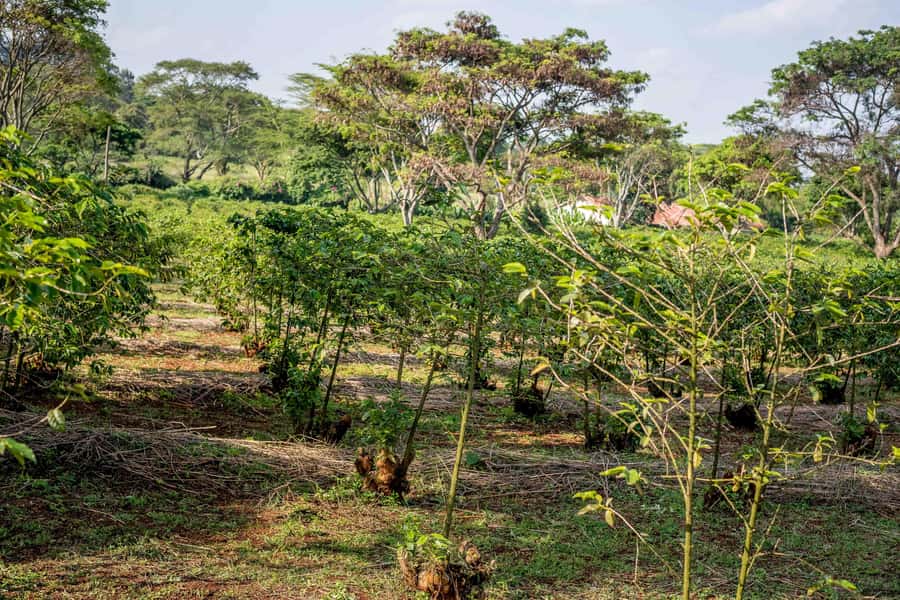
At the farm, the focus shifts from city life to cultivation. You will walk around the plantation, learn about different coffee varieties, and hear about the advantages and disadvantages of each. This is the part that gives the tasting session its foundation.
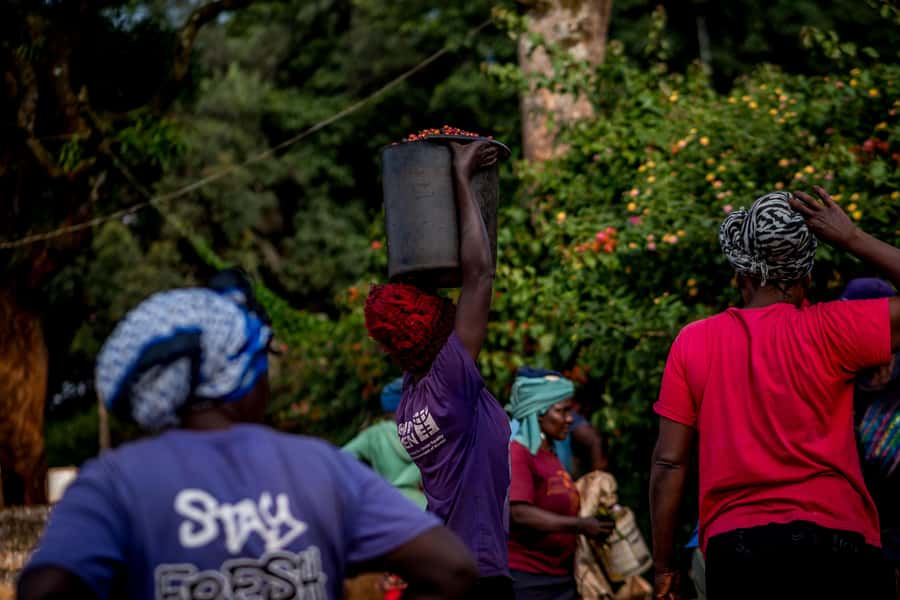
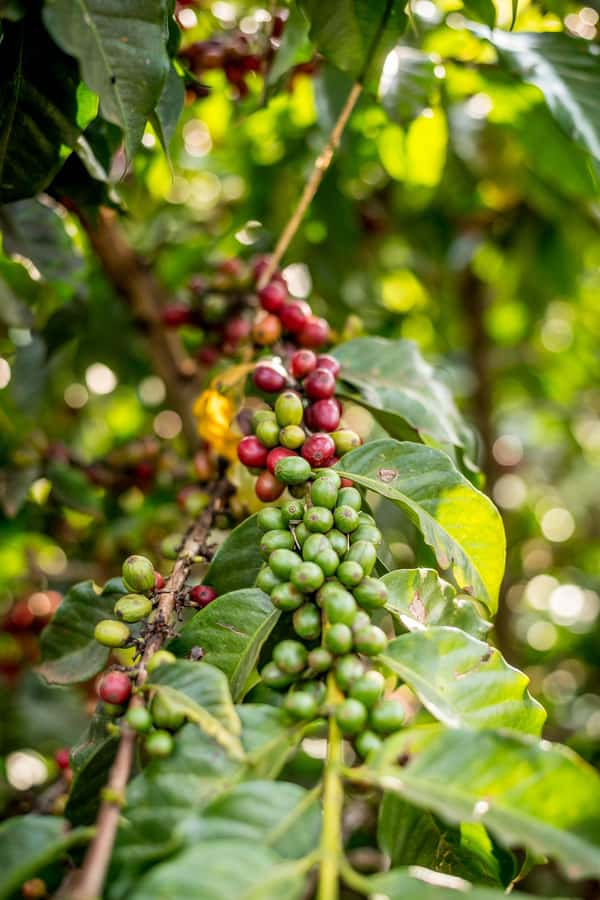
You learn how coffee cherries develop and how they are harvested. The tour also covers farming techniques and the work done by the people who grow the crop. If you have only encountered coffee as roasted beans or ground powder, seeing the fruit itself helps explain why coffee production takes time and care.
The stated material also includes soil, plant differences, cross-pollination techniques, drying, roasting, and the way coffee is sold around the world. The exact level of detail may depend on your guide and the group, but the program reaches well beyond a basic plantation stroll.
The walking is a real consideration. Wear comfortable shoes, since you will be moving around the farm rather than sitting indoors for the entire visit. A hat is sensible if you prefer extra protection from the sun. The activity is not intended for people over 95 years old, people weighing more than 209 pounds or 95 kilograms, or people with hearing impairments.
That last restriction is worth taking seriously. Much of the value comes through spoken explanations, so anyone with hearing difficulties should ask the operator in advance whether suitable arrangements are possible.
From coffee cherries to processing
The farm visit explains what happens once coffee cherries are picked. You learn about harvesting and the stages that turn the fruit into the beans used for brewing. Drying and roasting are part of the broader discussion, giving you a clearer sense of how flavor is shaped before the coffee reaches your cup.
This is also where the tour becomes useful for coffee drinkers who want to understand quality. A plant variety, growing method, processing choice, drying period, or roast can change the taste. You are not simply told that one coffee is better than another. You get the basic reasons why different coffees can smell and taste different.
The tour description refers to the liquor room, a space used for coffee testing and flavor work. You take part in a playful smell-the-coffee activity and try to distinguish aromas. That keeps the session active and gives you a way to test what you have just learned.
I like this hands-on approach. Coffee tasting can sound formal or intimidating, but the activity is presented as a game. You do not need expert vocabulary before you arrive. The point is to pay attention, compare, and become more confident about what you smell and taste.
More Coffee Tastings in Kenya:
- Coffee farm tour, coffee roasting and tasting experience
★ 5.0 · 20 reviews - Hanoi Coffee Experience: 6 Brews, 9 Recipes & 3 Liquor Tastings
★ 5.0 · 2,945 reviews - 4×4 Dominican Adventure with Chocolate and Coffee Tasting
★ 5.0 · 2,920 reviews - 4×4 ATV Experience, Water Cave, Chocolate and Coffee Tasting
★ 5.0 · 1,430 reviews
Tasting different coffees in the liquor room
The tasting session is the heart of the visit. You try different coffee types and learn to identify flavor notes. The experience includes a coffee-tasting competition or game, so there is a little challenge alongside the instruction.
For a coffee beginner, this is a gentle introduction to tasting. You may notice that one coffee smells fruitier, another feels stronger, or another has a different finish. The guide can help connect those impressions to the growing and processing choices discussed earlier.
For a serious coffee fan, the value is the chance to ask more detailed questions about varieties, farming, cross-pollination, drying, roasting, and global sales. One account of the experience described the farm tour as close to an expert-level introduction, with attention to flavor profiles and the work involved in creating coffee. The format can therefore serve both the curious beginner and the committed coffee drinker, provided you ask questions as you go.
After the tasting, you receive a hot cup of coffee of your choice and a complimentary snack. Bottled water is also included. Food beyond the snack is not included, so do not book this as a substitute for lunch or a full meal.
Free Wi-Fi and Kenyan merchandise giveaways are also listed among the inclusions. The merchandise is connected with a chance to win, so it should be viewed as a possible extra rather than something every person is guaranteed to receive.
What the $27 price really covers
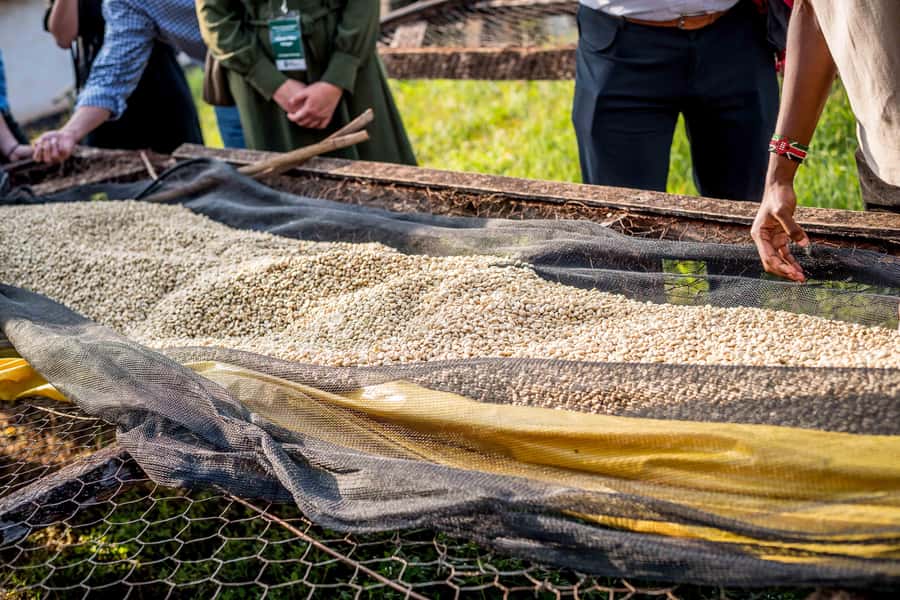
At $27 per person, the experience offers good value if your booking includes farm admission. You receive hotel pickup and drop-off, a professional guide, the farm visit, the tasting session, a hot coffee, a snack, bottled water, Wi-Fi, and a basic Swahili lesson.
The important detail is the separate entry-fee wording. If you select an option without the farm entry fee, the stated admission cost is $30 for adults and $15 for children over seven, payable by cash or card. That adult fee is higher than the advertised tour price, so check the selected option carefully before paying.
This does not necessarily make the experience poor value. It simply changes the total cost. A private or small-group booking can also be worthwhile if you value questions, personal attention, and a smoother pace. If you mainly want a quick cup of coffee and a short photo stop, the cost may feel less attractive.
The three-hour duration is another value point. It is long enough to cover coffee farming and tasting, while short enough to fit beside a Nairobi city visit. Transfers take up part of the time, so the actual farm instruction is not three full hours. The listed sightseeing and coffee activity includes about 1.5 hours at the farm, with the rest covering transport and the wider experience.
Who will get the most from this experience
I would recommend this tour to:
- Coffee drinkers who want to understand how coffee is grown and processed.
- Solo visitors who prefer a guided outing with hotel transport.
- First-time visitors to Nairobi who want city context during the drive.
- People interested in Kenyan farming, food production, and local culture.
- Anyone looking for a half-day activity rather than a full-day excursion.
- Small groups who want a private or more personal arrangement.
It may be less suitable if you dislike walking, want a full meal included, or need a tour delivered in a language other than English. The live guide language is English. It is also not a good fit for anyone who cannot comfortably manage the stated physical and communication limits.
Alcohol and drugs are not allowed. That is a simple rule, but it matters because this is a working farm and a guided educational activity, not a party outing.
Practical booking advice for Nairobi
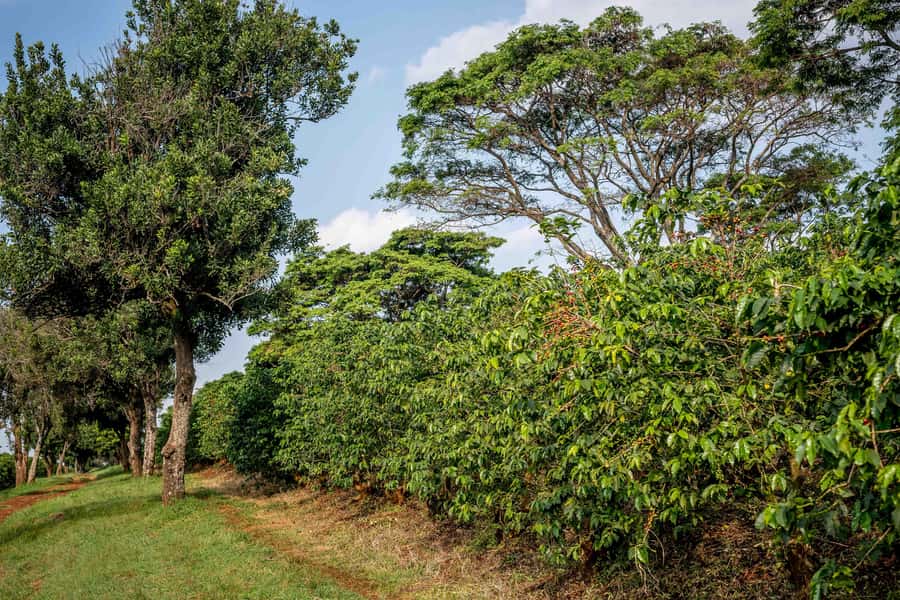
Before booking, confirm three things. First, check whether your price includes the farm entry fee. Second, make sure your hotel or airport pickup details are clear. Third, plan for comfortable shoes and a hat.
Cancellation is flexible: you can cancel up to 24 hours ahead for a full refund. You can also reserve now and pay later, which helps if your Nairobi schedule is still changing. Starting times are subject to availability, so check the available slot rather than assuming the tour runs at any hour.
A private or small-group format is worth considering if you want to ask about coffee production in detail. It can also be useful for solo visitors, couples, or families with different levels of coffee knowledge. A larger group may keep the cost down, but the tasting and walking portions may feel less personal.
The tour is conducted in English, and the guide’s role goes beyond explaining coffee. Patrick has been especially useful for cultural questions, Nairobi orientation, and practical suggestions. If you want a pure farm lesson with no city conversation, say so when arranging the trip. If you want a broader introduction to Nairobi, his transfer commentary is one of the stronger parts of the experience.
Should you book the Nairobi coffee farm tour?
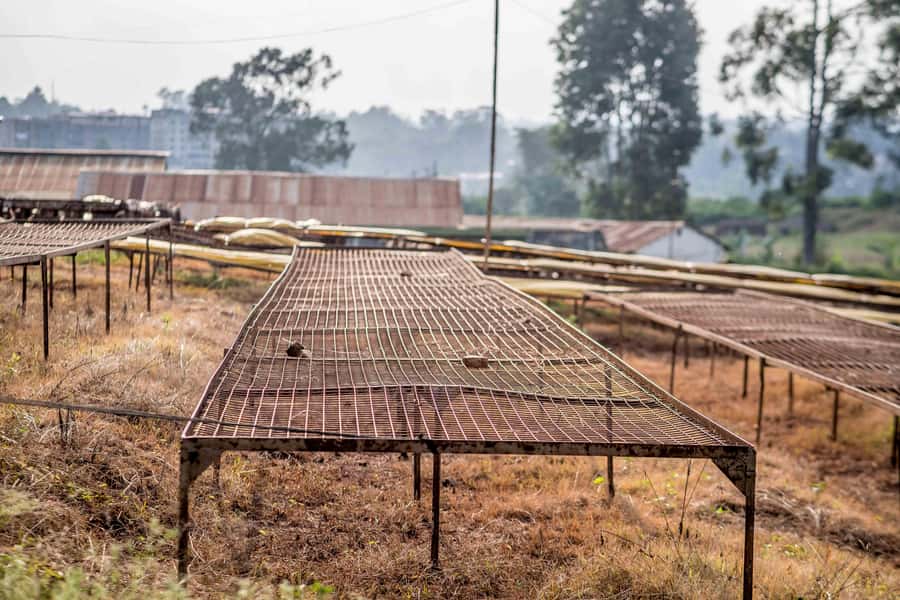
Book it if you want to understand the work behind Kenyan coffee, not just sample a drink. The combination of plantation walking, farming explanations, aroma games, tasting, and a final hot cup gives the visit a clear beginning and end.
The tour is also a smart choice for a short Nairobi stay. You get transport, a cultural introduction, and a focused farm activity in three hours. Patrick Solomon adds value through his city and Kenya commentary, while the farm staff provide the direct coffee instruction.
Check the entry fee before booking, bring comfortable shoes, and do not expect a full meal. With those points understood, this is a practical and unusually hands-on way to spend part of a Nairobi day.
FAQ
How long does the Nairobi coffee farm tour last?
The activity lasts three hours, including the pickup, transfer, coffee farm visit, tasting session, and return to Nairobi.
What is the price of the tour?
The advertised price is $27 per person. If you choose an option without the farm entry fee, admission is listed as $30 for adults and $15 for children over seven.
Is hotel pickup included?
Yes. Hotel pickup and drop-off are included. You should wait in the hotel lobby 15 minutes before pickup.
Where should I wait if I am being picked up at the airport?
If your pickup is at the airport, wait at the taxi area 15 minutes before the scheduled pickup.
Who is the guide?
Patrick Solomon is the guide associated with the Nairobi transfers and wider cultural commentary. A farm guide also leads parts of the coffee instruction.
What language is the tour conducted in?
The live tour guide speaks English. A basic Swahili language lesson is also included.
Is coffee tasting included?
Yes. The tour includes a guided coffee tasting session, smell-the-coffee games, different coffee types, and a complimentary hot cup of coffee with a snack.
What should I wear and bring?
Wear comfortable shoes for walking around the farm and bring a hat if needed. Bottled water is included, and food beyond the complimentary snack is not included.
Just added around Kenya
- Private Half-Day Tour in Fairview Coffee Farm from Nairobi★ 5.0 · 13 reviews
- Fairview Estate Coffee Farm Tour With Pick up★ 5.0 · 2 reviews
- Coffee Farm Half-Day Tour in Kenya★ 3.0 · 2 reviews
- Coffee Farm Tour (Fairview)★ 5.0 · 4 reviews
- Private Tour to Fairview Coffee Farm in Nairobi with Pickup★ 5.0 · 2 reviews
- Coffee farm tour, coffee roasting and tasting experience★ 5.0 · 20 reviews
- Nairobi: Beads Factory Tour with Pickup & Coffee★ 5.0 · 7 reviews
- Fairview Coffee Estate Tour From Nairobi★ 5.0 · 3 reviews
Coffee Farm Tours, compared.
Award Winning Farm Tour: Coffee, Chocolate and Unique Gifts
Read our review →
La Herradura Coffee Farm: tour in Europe’s only plantation
Read our review →
Medellín Coffee Farm Tour with Trolley and Cable Car Ride
Read our review →

Private Cocora Valley, Salento & Coffee Farm Tour
Read our review →
Liamuiga Natural Farm Tour – St.Kitts’ Coffee Farm
Read our review →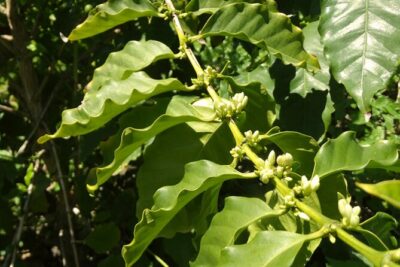
Horseback Riding Coffee Farm Tour with Coffee Spa
Read our review →Browse the lists this tour appears in