
Review · JAPAN
Tokyo’s Neighborhood Digs: Coffee, Records & Vintage Vibes
Tokyo’s best stories often sit away from the famous sights. This four-hour outing links Shimokitazawa, Kichijoji, Koenji, and Nakano, giving you a quick but useful look at the city through secondhand fashion, independent coffee, music, tattoos, anime, and old cameras.
I like the easy mix of shopping and cultural context, especially the stop for coffee at an independent cafe and the chance to use Tokyo’s public transport between neighborhoods. I also like that guides such as Ryuhki and Hiro can shape the walk around your interests. The main drawback is the brisk pace: four districts in four hours means you will sample each place rather than know any one of them well.
Key Points
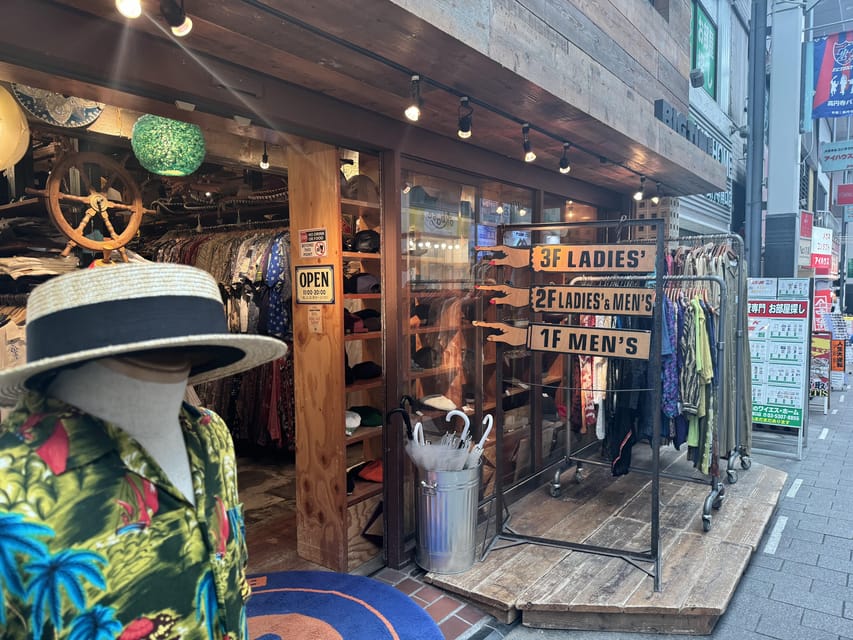
- Four very different neighborhoods: Move from Shimokitazawa’s vintage shops to Kichijoji’s coffee culture, Koenji’s indie style, and Nakano’s anime and collector shops.
- Public transport is included: The tour uses Tokyo’s trains or local transit, making the route practical as well as scenic.
- A useful introduction to subcultures: Learn how postwar change, the economic bubble, shifting social norms, and independent artists shaped these districts.
- Shopping is central: You can look for vintage clothing, records, art, anime, manga, retro games, cameras, and unusual fashion.
- The guide makes the difference: Ryuhki is described as flexible and personal, while Hiro is noted for warm guidance around shopping and food spots.
- Plan for plenty of walking: Comfortable shoes, water, sunscreen, and a camera will serve you well.
Four Tokyo Districts, Four Different Moods
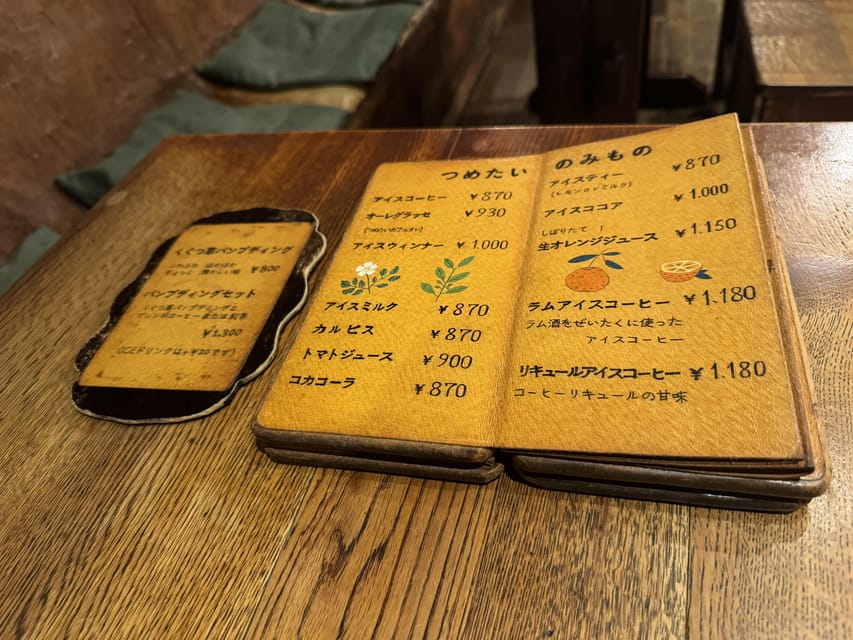
This is not a standard Tokyo highlights tour. You will not spend the afternoon moving between temples and observation decks. Instead, you follow the city’s creative side through neighborhoods that show how ordinary streets become centers for music, fashion, collecting, and cafe culture.
The route begins at Shimokitazawa Station’s Odakyu Line East Exit. From there, you travel by public transport to the next areas. The transit matters because it shows how these neighborhoods connect in daily life, rather than treating them as isolated attractions.
Each stop gets a set amount of time: about an hour in Shimokitazawa, an hour in Kichijoji, and roughly 40 minutes each in Koenji and Nakano. I see that as a useful introduction for a first visit. You get four strong clues about Tokyo’s subcultures, then you can return later to the area that caught your attention.
The format also suits you if shopping is more interesting than formal sightseeing. Personal purchases are not included, so set your spending limit before you start. It is easy to find one more jacket, record, manga volume, or camera accessory than you planned.
A few more coffee tours around the world worth a look
- Hoi An: Vietnamese Coffee Culture and Coffee Making Class
★ 4.9 · 4,006 reviews - Hanoi Coffee Experience: 6 Brews, 9 Recipes & 3 Liquor Tastings
★ 5.0 · 2,945 reviews - 4×4 Dominican Adventure with Chocolate and Coffee Tasting
★ 5.0 · 2,920 reviews
Shimokitazawa: Vintage Clothes and Postwar Change
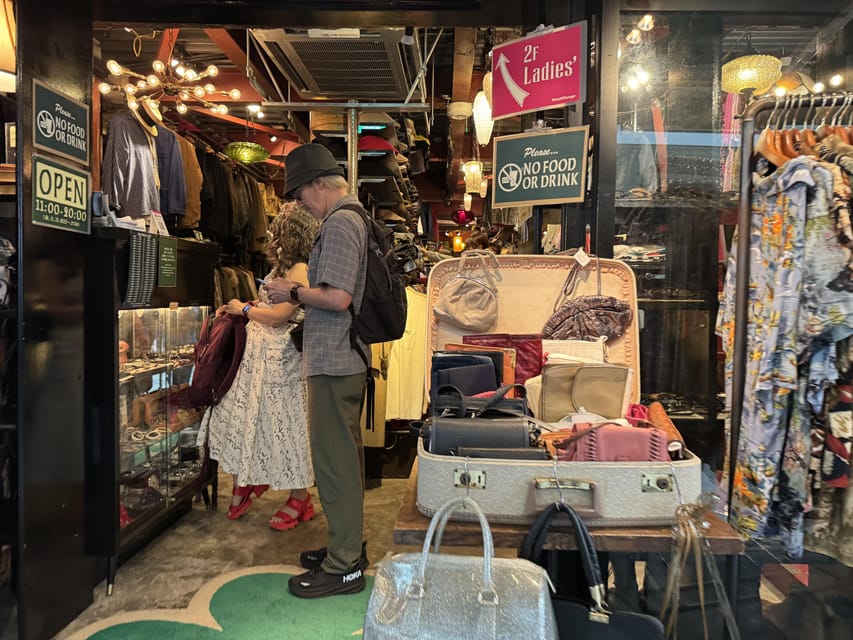
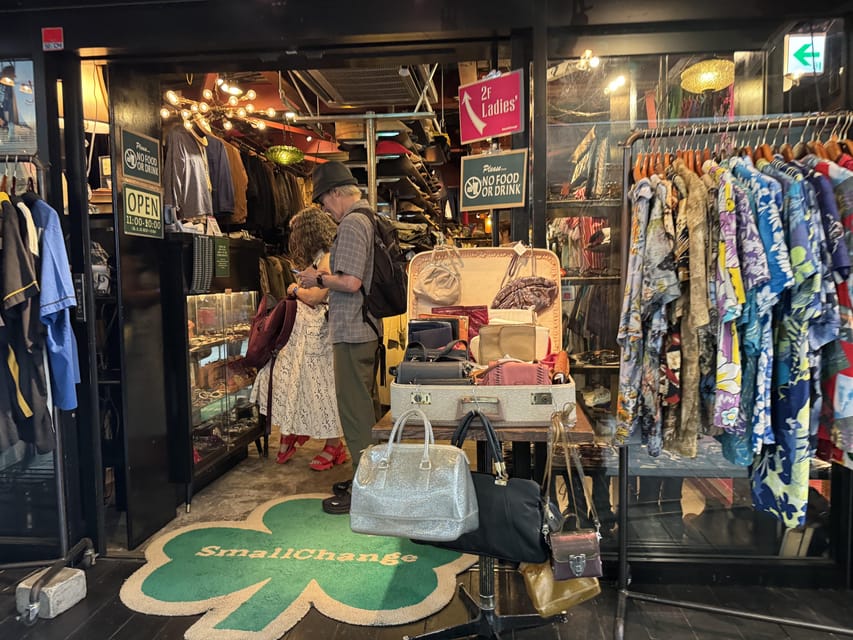
Shimokitazawa is the most natural opening stop because it sets the tone for the whole experience. Its labyrinthine streets are made for wandering, with vintage shops, independent businesses, and places linked to Tokyo’s music and arts scenes.
You will have about an hour here for guided sightseeing and shopping. The focus is Japanese vintage style, with time to look for clothing and other secondhand finds. The guide also explains how the district changed after the war and became a home for independent artists.
That context helps you look past the racks. Shimokitazawa is not simply a place to buy used clothes. Its appeal comes from the connection between small creative businesses, young artists, music, and a district that developed outside Tokyo’s polished commercial centers.
I would give this stop your full attention if you like fashion, records, or small shops. You may find the pace slightly frustrating if you want to inspect every item. One hour passes quickly in a neighborhood built around browsing, and the best finds are not guaranteed.
A camera is useful here, but remember that flash photography is not allowed. Bring a payment method you are comfortable using for personal purchases, though no specific shopping budget is included in the tour price.
Kichijoji: Local Coffee and a Softer Side of Tokyo
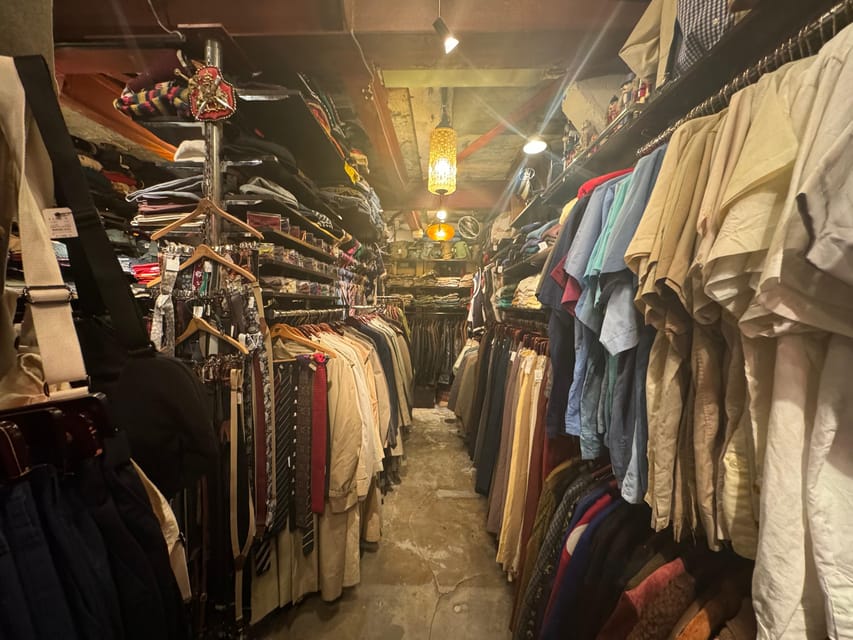
Kichijoji brings a change of mood. After Shimokitazawa’s vintage focus, you get a more relaxed look at Tokyo’s independent cafe and shopping culture.
The tour includes coffee at a local cafe, and the coffee itself is locally roasted. That small detail adds real value. Rather than stopping only for a quick drink at a familiar chain, you get a taste of the independent businesses that help define this part of the city.
You will have about an hour for coffee, sightseeing, and shopping. The guide also connects the neighborhood’s architecture and current atmosphere to Japan’s economic bubble era. That gives you a way to read the streets: not just as pleasant places to walk, but as areas shaped by changing money, design, and social habits.
I like this stop because it creates a pause in the route. Four hours of walking and shopping can become tiring, and a cafe break gives you time to ask questions. It is also a good moment to tell the guide what interests you most before the final two neighborhoods.
The coffee is included, but additional food and personal shopping are not listed as part of the experience. If you want a proper meal, do not assume this stop provides one. The tour promises coffee, not lunch.
Koenji: Indie Shops and Changing Social Rules
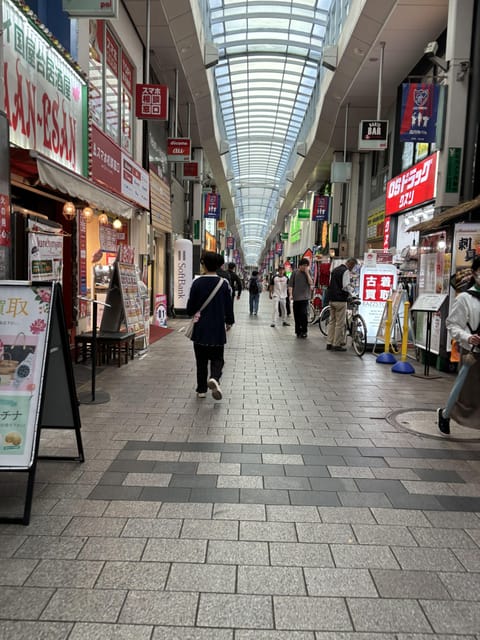
Koenji gets about 40 minutes, making it the shortest stop along with Nakano. The district is presented as a creative center with maze-like streets and independent boutiques showing current Tokyo style.
This is where the tour shifts from older vintage culture toward present-day fashion. You can look for unusual pieces and discuss the social changes that helped tattoo parlors flourish in the area. That subject gives the stop a little more depth than a simple shopping walk.
Tattoo culture can tell you a great deal about changing attitudes in Japan, and the guide uses Koenji to discuss those shifts. You are not just being pointed toward shops. You are learning how changing social norms affect what kinds of businesses can find a place in a neighborhood.
Forty minutes is enough for an introduction, but not enough for a full shopping session. If you find a boutique you love, you may need to return later on your own. This is a recurring tradeoff on the tour: the route gives you range, while each neighborhood receives limited time.
Koenji should appeal to you if you enjoy independent fashion and want a look at Tokyo’s newer style. It may be less satisfying if your main goal is a long visit to vintage stores. Shimokitazawa offers more time for that.
Same place, a different way to drink it:
- Rome Morning Vespa Sidecar Tour in Rome with Cappuccino
★ 5.0 · 1,771 reviews - Giethoorn: Village & National Park Canal Cruise with Coffee
★ 4.6 · 1,596 reviews - Dresden: Guided City Walk with a Cup of Coffee
★ 4.7 · 1,568 reviews - 4×4 ATV Experience, Water Cave, Chocolate and Coffee Tasting
★ 5.0 · 1,430 reviews
Nakano Broadway: Anime, Manga, Cameras, and Retro Games
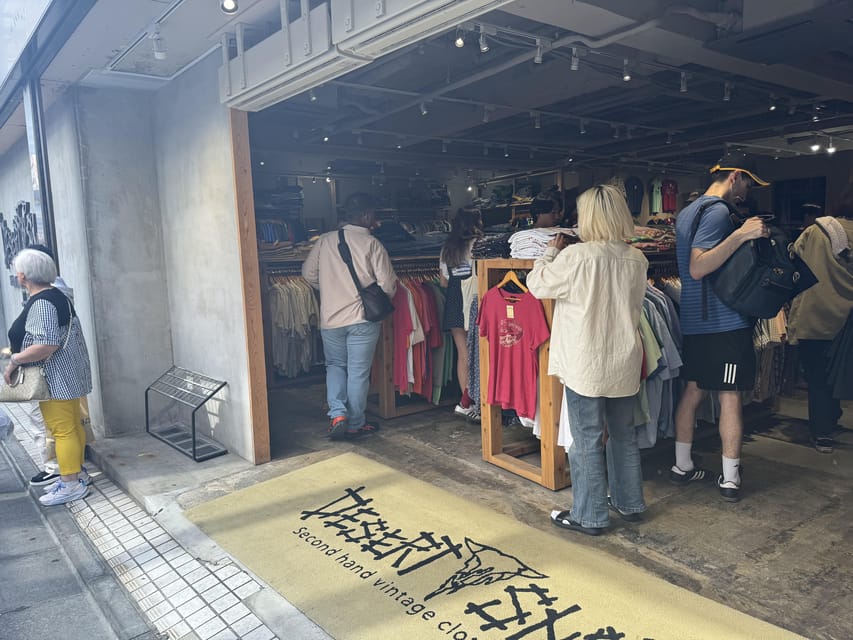
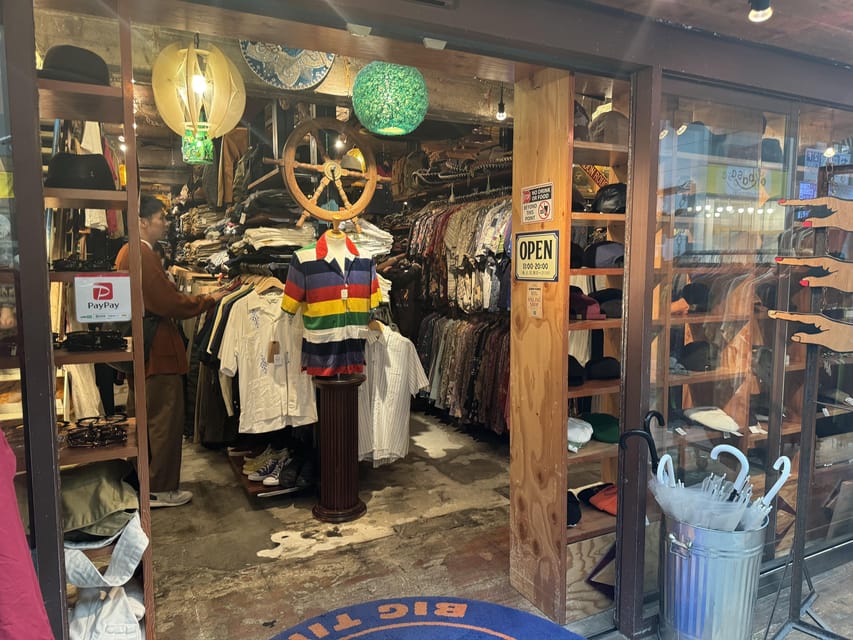
The final stop is Nakano Broadway, a compact collector’s world filled with shops connected to Japanese pop culture. You will have about 40 minutes to look through stores selling anime, manga, vintage cameras, and retro games.
This stop works well at the end because it gathers several threads from the earlier neighborhoods. Shimokitazawa shows secondhand style. Kichijoji shows independent cafe culture. Koenji focuses on newer fashion and changing social customs. Nakano turns to collecting and the entertainment industries that shaped modern Japan.
The guide also discusses the bubble era and its lasting effect on anime and manga. That background is useful because Nakano Broadway can otherwise feel like a wall of merchandise. With some context, the shelves become a record of Japanese pop culture and collecting habits.
If you are an anime or manga fan, you may wish this stop lasted longer. There are many shops to browse, and 40 minutes only gives you a first look. The same goes for vintage cameras and retro games. Keep your priorities clear before entering, or you may spend the entire visit trying to decide where to begin.
Flash photography is not allowed, so take ordinary photos only where permitted. Personal shopping costs are separate from the tour price.
What the Four-Hour Format Really Gives You
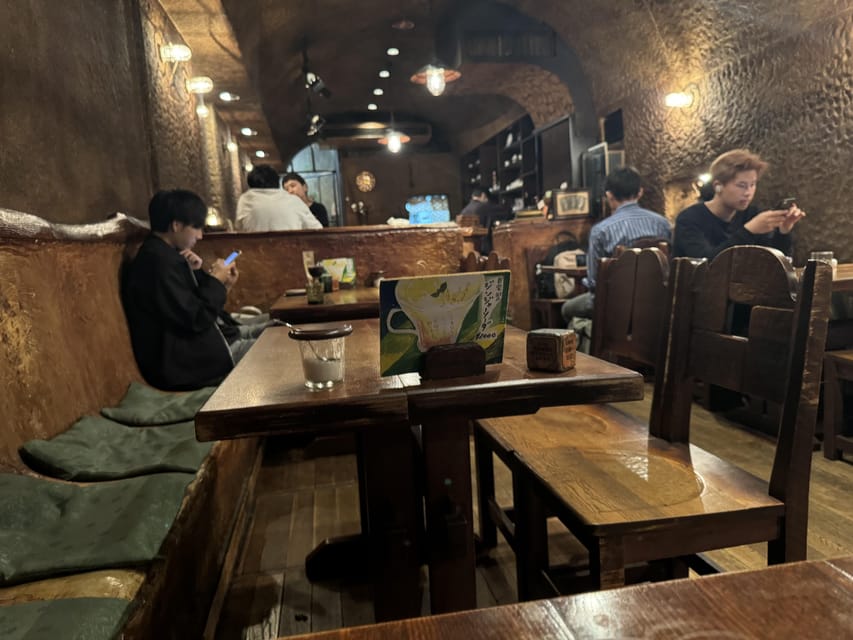
At $83 per person, the value depends on how much you want from a guide. You are paying for four hours of local orientation, an English-speaking guide, public transport, coffee, and access to shops and boutiques that can be harder to identify on your own.
The tour is less useful if you already know all four districts well. In that case, much of the route may feel like a guided sampler. But if Tokyo is new to you, the price is easier to justify. You get a practical introduction to four areas without spending time figuring out train connections, deciding which streets matter, or guessing which shops fit your interests.
The most valuable part may be the interpretation. A map can show you where Shimokitazawa, Kichijoji, Koenji, and Nakano are located. It cannot easily explain why these places developed different identities, how the bubble era affected them, or how fashion, tattoos, coffee, anime, and collecting fit into modern Tokyo.
The format also offers some flexibility. Private or small-group options are available, and the guide may be able to adjust the route or focus. Ryuhki is specifically associated with making changes and showing personal favorite shops. Hiro is associated with a warm approach and useful stops for shopping and food. Guide assignments can vary, so do not book solely for one person unless the provider confirms the name.
Walking, Transit, and What to Bring
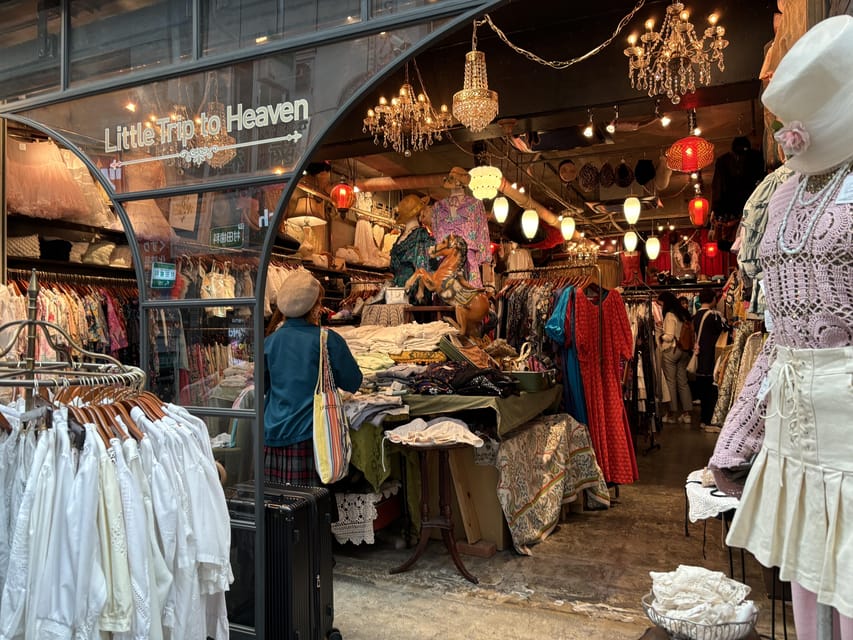
Wear comfortable walking shoes. The route includes station areas, shopping streets, indoor stores, and transfers between districts. The tour description makes clear that there is a fair amount of walking, and the accessibility information says it is not suitable for wheelchair users or people with mobility impairments.
Bring water and sunscreen, especially in warm weather. A camera is worthwhile for street scenes and storefronts, but flash photography is not allowed. Smoking is also not permitted during the activity.
The meeting point is Shimokitazawa Station at the Odakyu Line East Exit. Arrive with enough time to find the correct exit, since large Tokyo stations can have several routes to the street. The tour is conducted in English and lasts four hours, with starting times depending on availability.
Public transport is included, which keeps the route practical. You are not simply being driven between neighborhoods. You get a feel for how Tokyo’s districts connect, though transfers and walking add to the physical effort.
Who Will Enjoy This Tour Most
I would recommend this experience to you if you like cities through their local businesses rather than only through major attractions. It is especially well suited to:
- First-time Tokyo visitors who want an introduction to lesser-known shopping districts
- Fans of vintage clothing, records, anime, manga, retro games, or old cameras
- People who enjoy coffee shops and independent boutiques
- Visitors who want social and cultural background while they shop
- Couples, friends, or solo visitors who prefer private or small-group guiding
- Anyone who wants help finding areas to revisit later
It is less suitable if you dislike shopping, need a slow pace, or have mobility limitations. You should also skip it if you want a long, detailed visit to one neighborhood. The appeal here is variety.
The tour is not a bargain shopping excursion. The guide can point you toward distinctive stores, but your purchases are extra. Think of the $83 as the cost of orientation, transport, coffee, and local explanation, not as a package that includes souvenirs.
Should You Book Tokyo’s Neighborhood Digs?
Book this tour if you want to see how Tokyo’s creative districts fit together and you appreciate having a guide explain what you are seeing. The strongest reasons are the four-neighborhood route, included transit, local coffee, and the chance to ask questions while browsing.
I would be especially inclined to book it early in a Tokyo visit. Then you can return to Shimokitazawa for more vintage shopping, spend extra time in Nakano Broadway, or revisit a cafe in Kichijoji after you know where to go.
Skip it if you prefer famous sights, dislike walking, or want one neighborhood explored at length. At four hours, this is a sampler with useful local context. For the right person, that is its strength: it gives you several new directions for the rest of your Tokyo stay.
Free cancellation is available up to 24 hours before the activity, and you can reserve now and pay later. Those policies make it easier to fit the tour into a changing itinerary.
FAQ
Where does the tour begin?
It begins at Shimokitazawa Station, at the Odakyu Line East Exit.
How long does the experience last?
The tour lasts four hours.
Which neighborhoods does the tour visit?
It visits Shimokitazawa, Kichijoji, Koenji, and Nakano.
What language is the tour conducted in?
The live tour guide speaks English.
Is public transport included?
Yes. Transit between the neighborhoods is included.
Is coffee included?
Yes. Coffee at a local cafe is included.
Are shopping purchases included in the price?
No. Personal shopping expenses are not included.
Is this a private tour?
Private or small-group options are available.
What should I bring?
Bring comfortable shoes, a camera, sunscreen, and water.
Is the tour suitable for wheelchair users?
No. The activity is not suitable for wheelchair users or people with mobility impairments.
Just added around the world
- Yerevan: Private Coffee Tour with 2 Café Stops★ 5.0 · 2 reviews
- Vietnamese Coffee 101 Workshop★ 5.0 · 11 reviews
- Vietnamese Coffee Making Class in Hoi An★ 5.0 · 4 reviews
- Vietnamese cooking class and coffee making with local girl★ 5.0 · 5 reviews
- Venice Delights: Coffee & Food Experience Walking Tour★ 5.0 · 2 reviews
- Private Vienna Tour: Literature Walk with Coffee House Visit★ 5.0 · 2 reviews
- Turin: Art Nouveau Walking Tour with Coffee★ 5.0 · 11 reviews
- Turkish Coffee and Traditional Turkish Dessert Cooking★ 4.6 · 8 reviews
Japan Coffee Tours, compared.

Discover Japanese Politics Over a Coffee in Tokyo
Read our review →
Discover Japanese Coffee Brewing Experience at Tokyo
Read our review →
Best of Downtown Tokyo: Nature, Coffee, & Japanese Sweets Tasting
Read our review →
Discover Coffee Experience Latte Art Workshop at Tokyo
Read our review →Browse the lists this tour appears in