
Review · ITALY
The Specialty Coffee Roastery Tasting Experience in Turin
The most interesting part of this Turin experience is the chance to see specialty coffee from farm to cup in a working roasting laboratory. You begin with a fresh batch brew, then learn how coffee varieties, cultivation, fermentation, roasting, and brewing shape the taste in your cup. I love the Colombian connection, since the couple behind the roastery personally visits farmers there. I also like the side-by-side tasting, which makes the differences between coffees much easier to understand.
The main consideration is time. At just one hour, this is a compact introduction rather than a long coffee course, and the price of $58 per person is easier to justify if you care about specialty coffee. The roastery is not suitable for wheelchair users, and you should avoid smoking before the tasting so your palate can pick up the finer flavors.
Key points at a glance
- Start with a batch brew: Your first taste is a freshly brewed filter coffee, not a rushed espresso at the counter.
- See the roasting laboratory: The guided visit connects the equipment and working space to the coffee in your cup.
- Learn about Colombian coffee: The workshop draws on personal visits to farmers and explains cultivation and fermentation.
- Compare two filter coffees: Different varieties and processing methods become clearer when tasted side by side.
- Choose English or Italian: A live guide leads the experience in either language.
- Walk from central Turin: The roastery is about 15 minutes from Castello Square, with no transport provided.
A rare look at coffee beyond the Italian espresso bar
Turin has a serious coffee culture, and most visitors naturally think first of espresso, cappuccino, and historic cafés. This experience offers a different angle. It shows you the newer specialty coffee movement, where the goal is to identify the character of the bean instead of roasting every coffee until it tastes dark and bitter.
That difference matters. The flavor in your cup begins long before the beans arrive in Piedmont. The variety of coffee plant, the growing conditions, the way the fruit is processed, and the length and style of fermentation all affect the final result. Roasting then changes those flavors again.
I like this approach because it gives you a useful framework for tasting. You are not simply told that one coffee is fruity or another is intense. You can begin to understand why the coffees taste different and which style suits you.
The experience also avoids making specialty coffee feel like a private club. One of the strongest points is that it can work for both an experienced coffee drinker and someone who usually orders a traditional espresso with milk. The tasting is designed to show contrasts, not to test your vocabulary.
More Coffee Tastings in Italy
- Rome: Espresso, Gelato and Tiramisù Tasting Tour
★ 4.9 · 74 reviews - The Best of Polignano a Mare Walking Tour and Special Coffee Tasting
★ 5.0 · 6 reviews - Specialty Coffee Workshop & Tasting Experience in Rome
★ 5.0 · 4 reviews
Your first cup: a welcome batch brew
The visit begins with a welcome batch brew, also called filter coffee. This first cup sets the tone for the hour and gives you something to taste before the workshop starts.
Batch brew is a useful choice for teaching because it lets you notice the coffee clearly. Unlike milk-based drinks, it does not cover the bean’s flavor. It also gives you a chance to pay attention to aroma, acidity, sweetness, body, and finish.
If you normally drink espresso, this may taste lighter or more open than you expect. That does not mean it is weaker. Filter coffee extracts the cup in a different way and can show delicate flavors that are harder to notice in a short espresso.
You are not expected to arrive with technical knowledge. The guide introduces the coffee in a practical way, so the welcome drink acts as both refreshment and a first lesson. This is one reason I would recommend the experience to curious beginners, not only to people who already buy specialty beans.
Inside the roasting laboratory
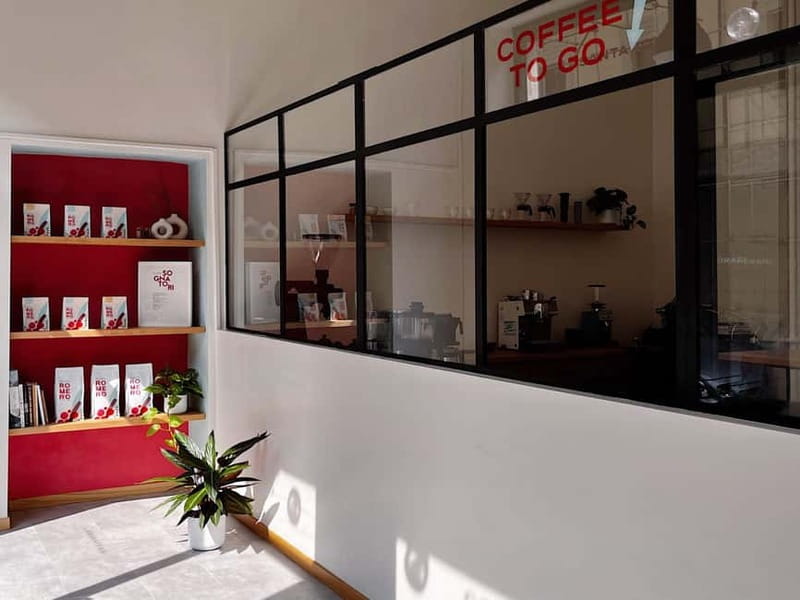
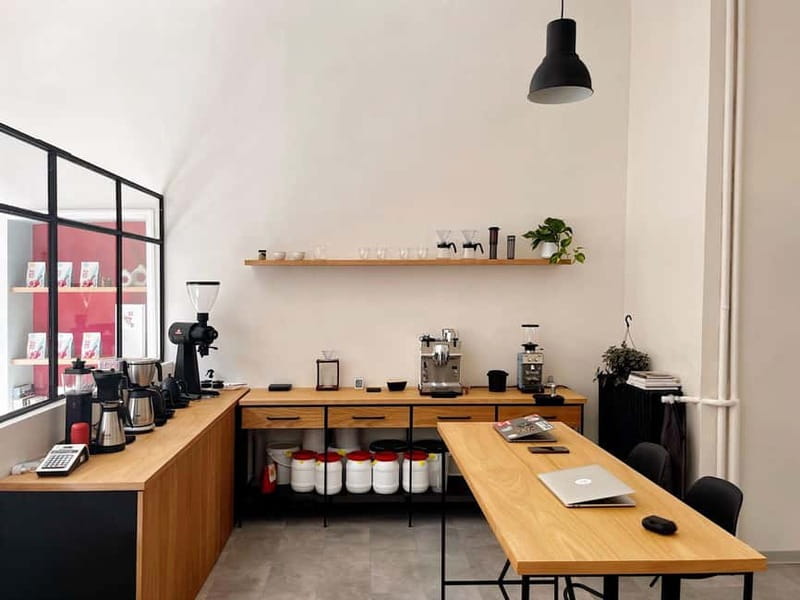
The guided visit moves into the roastery’s working laboratory. The available information does not specify the exact roasting equipment or the size of the group, so you should think of this as a focused visit rather than a large factory tour.
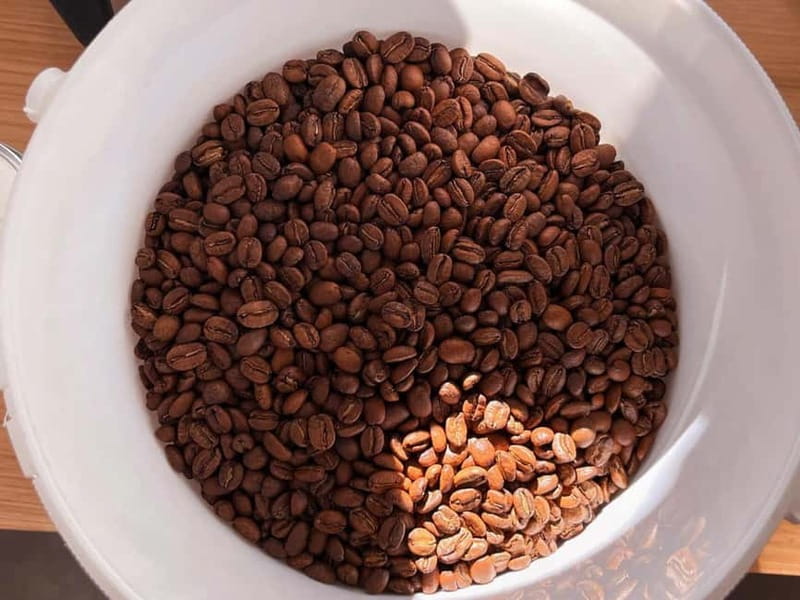
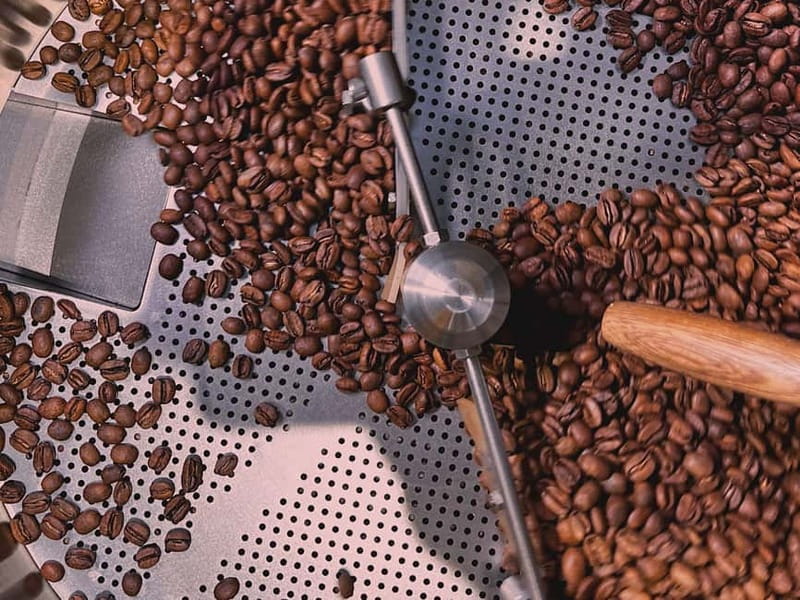
The value is in seeing coffee as a process. The guide explains how green coffee becomes roasted coffee and how roasting affects the sensory notes you later taste. You learn about specialty beans, their processing methods, and the choices that shape the finished cup.
This part can be especially useful if you buy coffee for home. Roasting is not simply a matter of making beans darker. The roast has to suit the bean and the intended brewing method. A coffee roasted for a bright filter cup may taste very different from one developed for a traditional espresso.
The roastery also challenges the idea that Italian coffee must always taste smoky or heavily roasted. One verified booking described the experience as a refreshing alternative to the old image of burnt beans, while still exploring more classic preferences such as espresso with milk. That balance is important. You do not have to abandon familiar Italian coffee to appreciate lighter, more expressive styles.
The Colombian workshop on cultivation and fermentation
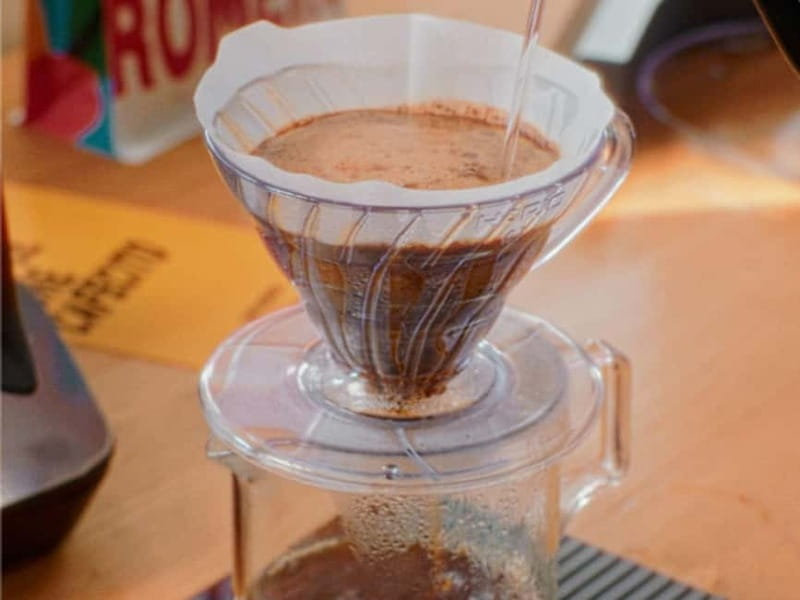
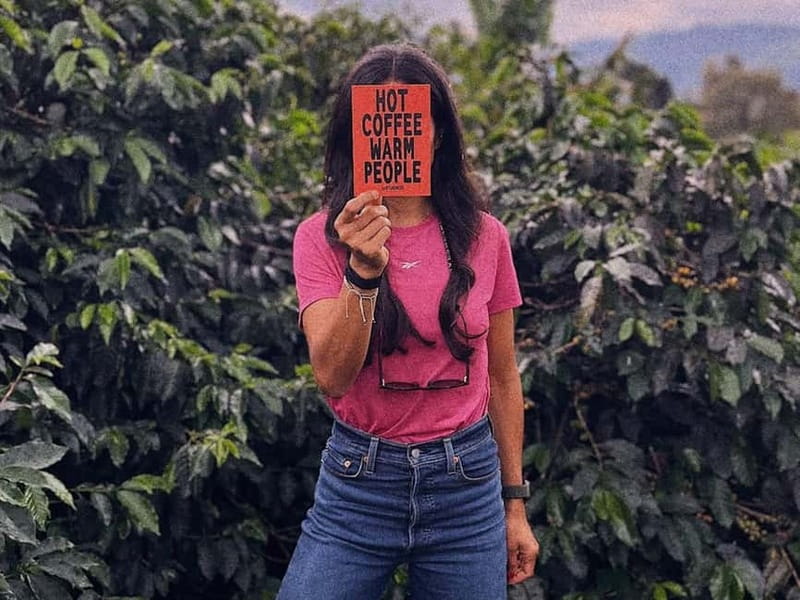
The workshop brings the story back to the farms. The couple running the roastery personally visits coffee producers in Colombia, builds relationships with farmers, and uses those visits to inform the way the beans are selected and presented.
You learn about cultivation and fermentation, two stages that can seem remote when you are standing in a Turin café. Coffee is a fruit, and the processing of that fruit after picking can change the taste considerably. Fermentation is one of the methods that can add or reveal particular sensory qualities, depending on the variety and process used.
The session also introduces coffee varieties and their processing methods. This gives you more useful information than a simple list of countries of origin. Two coffees from the same broad region can taste very different because of the plant variety, farm practices, processing, roast, and brewing method.
I appreciate that the workshop draws on direct contact with producers. The coffee is not presented as an abstract luxury product. You are shown how farming decisions and careful sourcing connect to what you smell and taste in Turin.
The one limitation is that an hour can only cover the subject at a brisk pace. If you want a full lesson in agricultural science, coffee economics, or professional roasting, this will feel short. If you want a clear introduction that makes your next cup more interesting, the format works well.
More Roastery Tours in Italy:
- Hoi An: Vietnamese Coffee Making Workshop at Local Roastery
★ 4.8 · 174 reviews - Cartagena: Colombian Specialty Coffee Tasting
★ 4.4 · 130 reviews - Coffee Farm Tour with Roasting & Tasting Workshop – Da Lat
★ 5.0 · 126 reviews - Private Coffee Roasting Class
★ 5.0 · 101 reviews
The comparative tasting: two coffees, two personalities
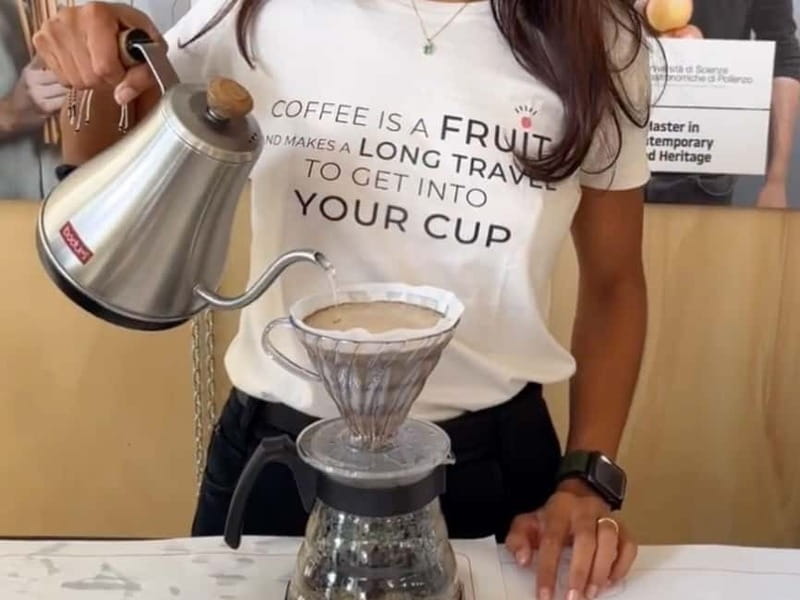
The final tasting compares two distinct filter coffees. This is the heart of the experience, because side-by-side tasting gives you a reference point. It is much easier to notice differences when the coffees are served as part of the same session.
The coffees may differ in variety, fermentation, processing method, or sensory notes. The precise coffees are not specified in advance, so you should expect the selection to reflect what the roastery is working with at the time.
Pay attention to simple features:
- The aroma before you sip
- The first flavor on the tongue
- The level of acidity
- The sweetness and body
- How long the flavor remains after swallowing
You do not need to identify exact fruit or spice notes. A useful tasting can be as simple as deciding which cup feels brighter, heavier, sweeter, cleaner, or more familiar.
This format also makes the session friendly to different preferences. A person who enjoys a classic espresso with milk and a person who prefers a bright, light roast can both find something to discuss. The experience is not built around one correct taste.
For me, this comparative element gives the $58 price its strongest argument. You are paying for guided interpretation, not just three cups of coffee. The lesson helps you understand why specialty beans cost more and how to choose a style you actually enjoy.
What the $58 price gets you
At $58 per person, this is not a cheap coffee stop. You do not receive a meal, transport, or an extended half-day course. The experience lasts about one hour.
The price includes the guided visit to the roasting laboratory, the coffee production and fermentation workshop, an introduction to varieties and processing, information about roasting and sensory notes, the welcome batch brew, and the final tasting of two filter coffees.
That is reasonable value for a coffee enthusiast who wants access to a working roastery and a guided explanation from people involved in sourcing and roasting. It is less compelling if you simply want a good drink before sightseeing. Turin has plenty of cafés where you can spend far less.
I would compare this experience to a short specialist class. The benefit is not volume. It is the chance to taste intentionally and ask questions in a setting built around coffee production.
The two available ratings are perfect, and the most praised features are the personal care given to different preferences, the Colombian farm relationships, and the mix of classic and modern coffee styles. Those points support the price, but you should still book only if the subject interests you.
Getting there from central Turin
The roastery is close to Turin city center, about a 15-minute walk from Castello Square. That makes it easy to pair with central sightseeing, though you should allow enough time to arrive without rushing.
Transportation to and from the roastery is not included. Since the meeting point is within walking distance of a major central landmark, this is less of a problem for most visitors staying in central Turin. The exact route and address should be checked when you book.
Wear comfortable shoes. The visit takes place in a roastery and laboratory rather than a formal theater, and comfortable footwear is part of the practical advice for the experience.
The roastery is not suitable for wheelchair users. If accessibility is important for you, confirm your plans before booking rather than assuming that a central location guarantees a step-free visit.
Language, pace, and who should book
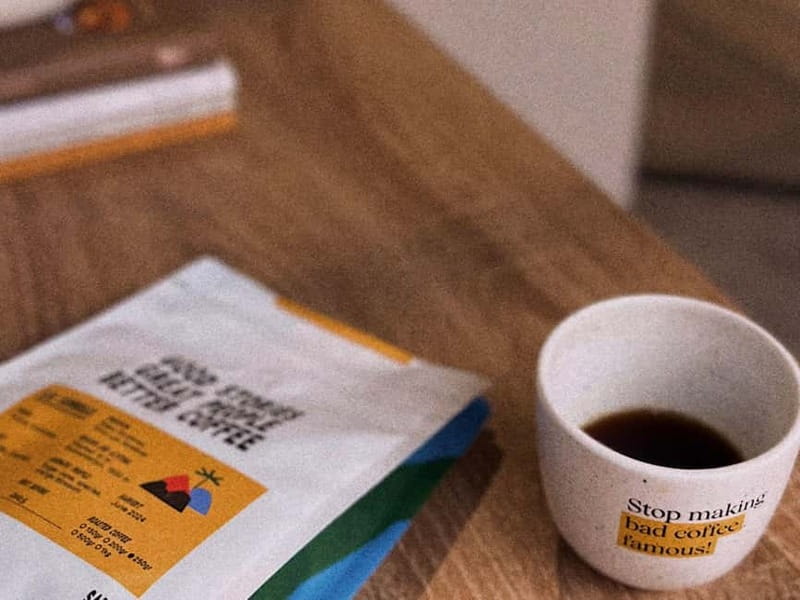
A live guide leads the session in English or Italian. That makes it a useful choice for international visitors, but you should select the language you want when checking availability.
The pace is focused. In one hour, you will move from the welcome coffee to the production explanation, workshop, and comparative tasting. There is enough time to build a basic understanding, but not enough for a long sit-down seminar.
I would recommend it most strongly to:
- Coffee drinkers curious about lighter or more expressive roasts
- Visitors who want a local Turin experience beyond major sights
- People who enjoy learning how food and drink are produced
- Couples or friends with different coffee preferences
- Home brewers who want a better sense of varieties and processing
You may want to skip it if you do not drink coffee, dislike tasting acidic or lighter styles, or want a relaxed meal-based activity. Food is not included, and this is a coffee workshop rather than a café breakfast.
Avoid smoking before the tasting. Smoke can dull your sense of smell and taste, which would undercut the main point of the session.
Booking flexibility for your Turin schedule
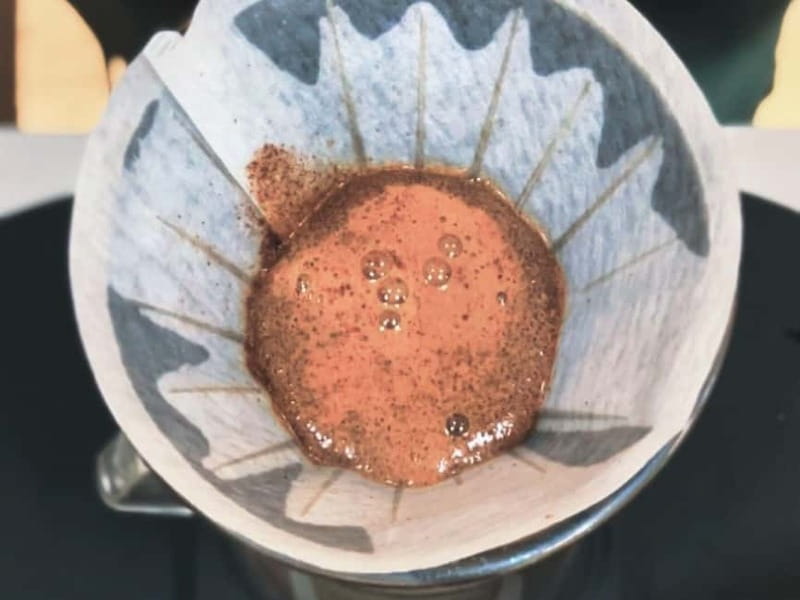
The experience lasts one hour, but you still need to check the available starting times. That matters because Turin sightseeing days can fill quickly, especially if you are also visiting museums and historic cafés around the center.
You can cancel up to 24 hours in advance for a full refund. The reserve-now-and-pay-later option also lets you hold a place without paying immediately, which is useful when your itinerary is still changing.
Those policies do not change the character of the activity, but they make it easier to fit into a short city break. I would schedule it when your palate is fresh and avoid placing it after a heavy meal or several other tastings.
Should you book this Turin coffee experience?
Book it if you want to understand why two coffees can taste so different and you like the idea of connecting a Turin roastery with Colombian farms. The personal sourcing story, the working laboratory, and the two-cup comparison give the hour a clear purpose.
The strongest reason to go is the balance between traditional and modern coffee preferences. You do not need to be a light-roast specialist, and you will not be pushed to reject classic Italian coffee. You simply get a better sense of what changes from bean to bean, farm to farm, and roast to roast.
Skip it if $58 feels high for a one-hour activity, if you want food included, or if you prefer a casual espresso stop with no workshop. For the right audience, though, this is a compact and well-focused way to add substance to Turin’s coffee culture.
FAQ
Where is the roastery located?
The roastery is close to Turin city center, about a 15-minute walk from Castello Square.
How long does the experience last?
The experience lasts one hour.
What is included in the price?
The price includes a guided visit to the roasting laboratory, a guided coffee tasting, a workshop on coffee production and fermentation, an introduction to coffee varieties and processing methods, information about specialty beans and sensory notes, a welcome batch brew, and a comparative tasting of two filter coffees.
Is transportation included?
No. Transportation to and from the roastery is not included.
Is food included?
No. Food is not included in the experience.
What languages are available?
The live tour guide provides the experience in English or Italian.
What coffees will I taste?
You receive a welcome batch brew and a comparative tasting of two distinct filter coffees. The specific coffees are not stated in advance.
What should I bring?
You should wear comfortable shoes. You should also avoid smoking before the tasting so you can better appreciate the coffee flavors.
Is the experience suitable for wheelchair users?
No. The activity is not suitable for wheelchair users.
Can I cancel my booking?
Yes. You can cancel up to 24 hours in advance for a full refund. You can also reserve now and pay later.
More Food and Drink Tours in Italy
- Rome Pantheon: Award Winning Gelato Tiramisu & Espresso Food Tour
★ 5.0 · 99 reviews - Lucca: Morning Food Tour with Snacks and Coffee
★ 4.9 · 72 reviews - Trastevere Breakfast to Lunch Food Tour: Coffee, Maritozzi & Wine
★ 5.0 · 14 reviews - Rome: Private Espresso, Gelato and Tiramisu Food Tour
★ 5.0 · 3 reviews
Just added around Italy
- Venice Delights: Coffee & Food Experience Walking Tour★ 5.0 · 2 reviews
- Turin: Art Nouveau Walking Tour with Coffee★ 5.0 · 11 reviews
- Rome: Private Espresso, Gelato and Tiramisu Food Tour★ 5.0 · 3 reviews
- Trastevere Breakfast to Lunch Food Tour: Coffee, Maritozzi & Wine★ 5.0 · 14 reviews
- Private Gelato, Pastry and Espresso Walking tour★ 5.0 · 15 reviews
- Sunrise Kayak Tour with Snorkeling and Coffee Experience★ 5.0 · 22 reviews
- NAPLES Highlights Walking Tour + Veiled Christ Chapel and Original Espresso★ 5.0 · 2 reviews
- Milan Coffee & History Crawl with a Licensed Tour Guide★ 5.0 · 10 reviews
Specialty Coffee & Roastery Tours, compared.
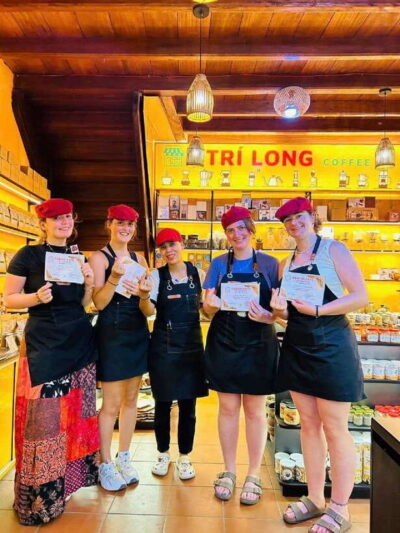
Vietnamese Coffee Making Workshop at Local Roastery
Read our review →
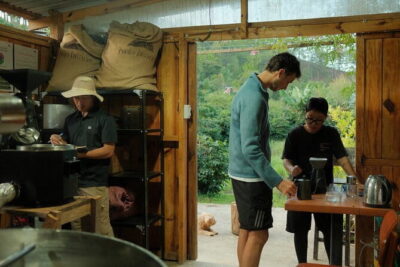
Coffee Farm Tour with Roasting & Tasting Workshop – Da Lat
Read our review →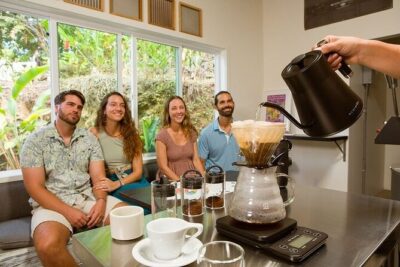
Experience specialty coffee with sustainable coffee farmers
Read our review →
Vietnamese Bread & Brew: Banh Mi Baking Class & Specialty Coffee
Read our review →
Santo Domingo Small Group Walking Tour: Beer and Specialty Coffee
Read our review →
Browse the lists this tour appears in