
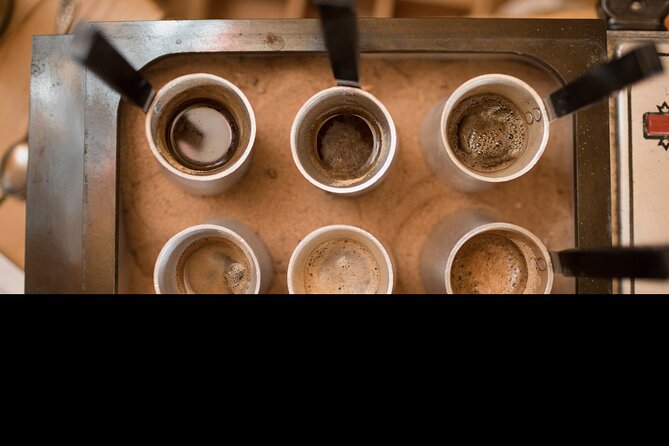
Review · COFFEE TOURS
Private Traditional Coffee And Dessert Making Activity
The most unusual part of this Gyumri activity is the chance to prepare ghayfa, a roasted wheat drink that was once common in town but is now rarely made. You also choose one traditional dessert, work with a local chef, and eat the results in a museum and guest house filled with old tools and household objects.
I like the small private format and the strong local focus. I also like that the food is not limited to the familiar Armenian staples found on many menus. The main drawback is location: Chalet Gyumri is a little outside the center, so you will need to allow extra time to reach Movses Khorenatsi Street.
Key points
- Make your own coffee and dessert: You prepare Armenian coffee, ghayfa, and one dessert with a local chef.
- Choose from four traditional sweets: Pick yaghli, bishi, shakar lokhum, or bagharj.
- Tour a museum before cooking: See antiques from the Russian Empire era and a large collection of historic Gyumri photographs.
- Use old kitchen tools: The utensils used for preparation and serving are antiques preserved by the host team.
- Private one-hour visit: Only your group participates, with the activity offered in English.
- Good value at $30: The price includes a cultural visit, hands-on cooking, and the food and drinks you prepare.
A Gyumri food lesson with a forgotten drink
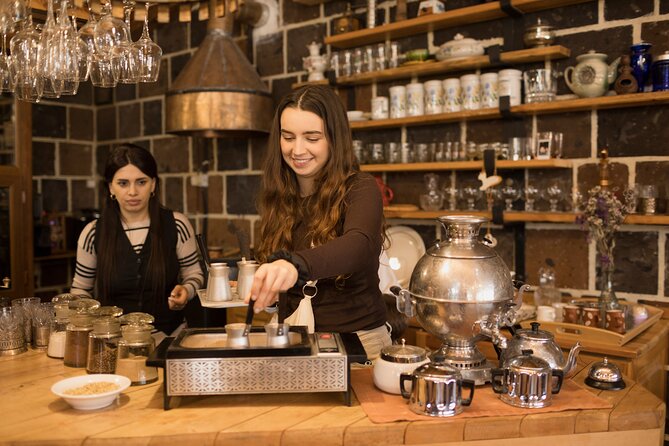
This is not a standard coffee stop. It is a compact introduction to Gyumri through food, household objects, and family-style hospitality. You begin at Chalet Gyumri, a museum and guest house, then move from old photographs and antiques to a working kitchen.
The activity lasts about one hour, so it fits neatly into a morning or afternoon in Gyumri. You do not spend the whole time watching someone else cook. The point is to take part. A local chef shows you how to prepare Armenian coffee and ghayfa, then helps you make one dessert from a choice of four.
That format gives the experience a useful sense of place. Coffee is not treated as a generic refreshment, and the sweets are not simply brought out on a plate. You learn how they are made and why they matter to local people.
The private setup also helps. Only your group takes part, which means the cooking can be adjusted to your pace and questions. The activity is offered in English, and confirmation is provided when you book.
More Dessert Tours in the world:
- 4×4 Dominican Adventure with Chocolate and Coffee Tasting
★ 5.0 · 2,920 reviews - 4×4 ATV Experience, Water Cave, Chocolate and Coffee Tasting
★ 5.0 · 1,430 reviews - Buggy Adventure Tour with Chocolate and Coffee in Punta Cana
★ 5.0 · 953 reviews
Starting with antiques and old Gyumri photographs
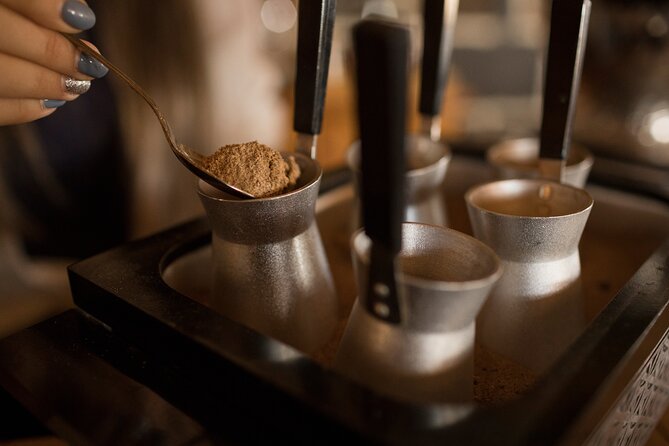
Before the cooking begins, you tour the museum at Chalet Gyumri. The collection includes antiques dating as far back as the Russian Empire, along with what is described as the largest collection of historic photographs of Gyumri.
That introduction matters because the kitchen activity is tied to the city’s past. You are not simply mixing ingredients in a modern cooking studio. You first see the objects and images that help explain how daily life looked in earlier Gyumri.
The photo collection should be especially useful if you have already walked through the city and noticed its old stone buildings, neighborhoods, and earthquake-shaped changes. Historic photographs give you a way to compare the city you see today with the city that came before it.
The museum is not presented as a long formal tour, and the entire experience lasts only about an hour. If you want a full museum visit with extensive explanations, this will feel brief. If you want a short cultural preface before making food, the timing works well.
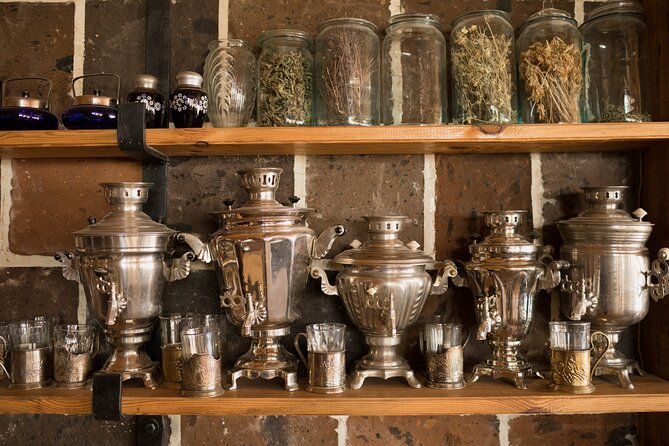
I also like that antiques are not kept behind a glass case and then forgotten. Some of the old tools are used during the food preparation and meal. That gives the objects a practical connection to the activity.
Preparing Armenian coffee and ghayfa
After the museum visit, you work with a local chef to prepare two drinks. The first is traditional Armenian coffee. The second is ghayfa, a roasted wheat drink that was once popular in Gyumri and is now nearly forgotten.
The coffee gives you a familiar entry point, but ghayfa is the more distinctive part of the session. It is a reminder that local food traditions include everyday drinks that may never appear on a restaurant menu. A short lesson like this can preserve a piece of food culture that is easy to overlook.
You will likely appreciate the contrast between the two drinks. Armenian coffee is a recognized part of the region’s coffee culture, while ghayfa offers a taste of something more local and less commonly encountered. The roasted grain drink also makes this activity different from a standard coffee tasting.
The supplied information does not specify the exact preparation method, serving size, or amount of time spent on each drink. You should therefore think of this as a practical introduction rather than a long specialist coffee course. The focus is on making and enjoying the drinks alongside dessert.
Once the drinks are ready, you can sit down and enjoy them with the sweet you made. That final step is important. You are not rushing from one demonstration to the next. The food and drinks become the shared end of the activity.
Choosing one of four Armenian desserts
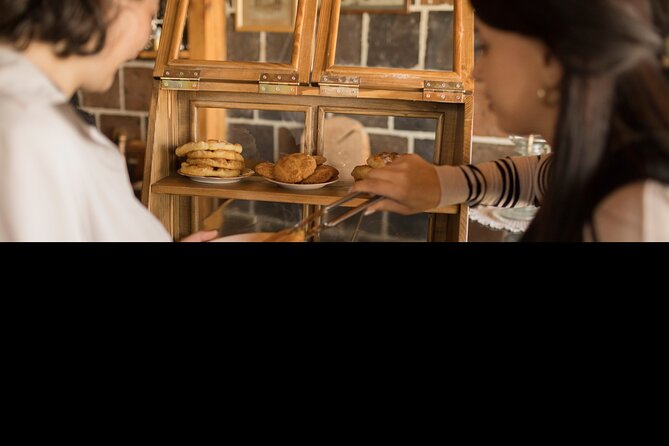
The most hands-on part is the dessert. You choose one of four traditional options: yaghli, bishi, shakar lokhum, or bagharj. Each one offers a different texture and style, so the choice is worth considering.
Yaghli is made from layers of thin dough and oil. It is fried and topped with sugar. Choose it if you want something crisp, layered, and plainly sweet.
Bishi is a yogurt-based pastry that is fried and eaten with hot chocolate. This is a good choice if you like the contrast between a warm fried pastry and a drink served alongside it.
Shakar lokhum is an oily, sweet cake baked in the oven. It will appeal to you if you prefer a soft baked dessert rather than a fried one.
Bagharj is another yogurt-based pastry. It can be prepared sweet or salty and decorated with intricate designs. This is the most flexible option, and it may suit you if you want to see more decorative work or prefer a less sugary version.
The choice also makes the experience more personal. Everyone in your group does not have to want the same dessert, although the information does not state whether each participant may choose separately. Ask the host when booking if your group has several preferences.
The names may be unfamiliar, and that is part of the appeal. You are not simply recreating a dessert you could find at home. You are learning about local pastries with their own methods, shapes, and ways of serving.
A few more coffee tours around the world worth a look
- Private Walking Tour, Food Tasting and Bosnian Coffee in Sarajevo
★ 5.0 · 255 reviews - Salento: Private Cocora Valley, Salento & Coffee Farm Tour
★ 4.9 · 202 reviews - Grand Segway Tour of Budapest – Private Tour with Coffee Stop
★ 5.0 · 163 reviews - Private Coffee Roasting Class
★ 5.0 · 101 reviews
Farm ingredients and antique kitchen tools

Most of the ingredients come from the host’s local farm. That does not mean every ingredient is guaranteed to be farm-grown, but it does connect the cooking to the surrounding area and to the people running the activity.
I value this detail because it gives the lesson a more direct food chain. You hear about local production, then use ingredients in a traditional recipe. The activity remains small and practical instead of becoming a polished cooking show.
The utensils and serving pieces are antiques carefully saved by the team. Using them adds character, but it also means you should expect an old-fashioned setting rather than a purpose-built culinary classroom.
That distinction may matter to you. If you want modern work surfaces, professional equipment, and a detailed recipe packet, this may not be the right format. If you prefer food prepared with objects that have a connection to earlier life in Gyumri, the setting adds a memorable layer.
The antique tools also link the museum visit to the kitchen. You begin by seeing historical objects, then encounter them in use. For a one-hour activity, that is an efficient way to connect history with something you can taste.
What the one-hour schedule feels like
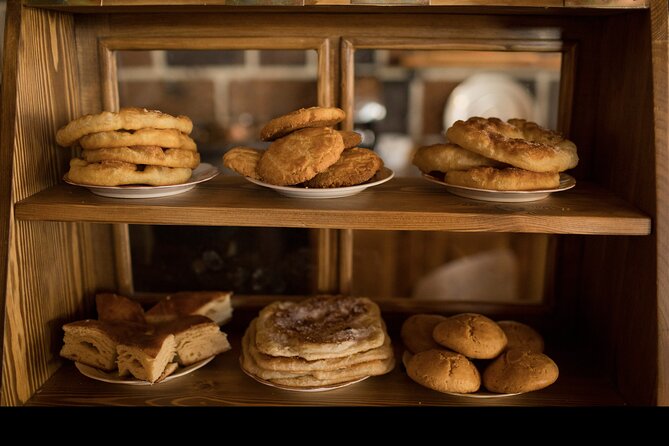
The schedule is short but full. You visit the museum, learn about local objects and photographs, prepare Armenian coffee and ghayfa, make one dessert, and eat what you have prepared with tea and the drinks.
You should arrive ready to take part rather than simply observe. The description specifically invites you to roll up your sleeves, so practical clothing is sensible. No special cooking experience is required in the information provided, and the activity is described as suitable for all ages in the available feedback.
The one-hour length works well for families, couples, and small groups with a busy Gyumri schedule. It also makes this an easy addition to a day that includes the city’s other sights. You will not need to sacrifice half a day to learn a few recipes.
The tradeoff is that the session cannot cover every dessert in detail. You choose one, and the time is shared with the museum and drinks. If you want to learn four recipes, make a full meal, or receive a long lesson on Armenian food history, look for a longer cooking class.
For most people, the short schedule is a strength. You get several distinct elements without turning the activity into a major commitment.
Why the private format improves the experience
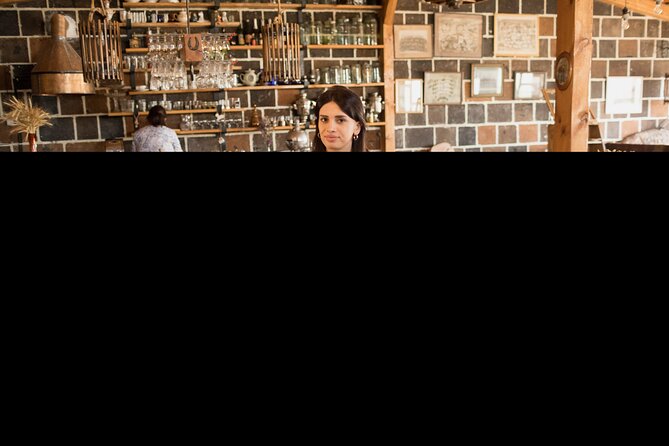
This is a private activity, so only your group participates. That is useful when you want to ask questions, take your time with the dessert designs, or include children without worrying about a large class.
A private format can also make a food experience feel more natural. You have room to discuss the drinks, compare the dessert options, and ask about the objects in the museum. The team is described as warm and hospitable, which fits the guest house setting.
The activity is offered in English. That makes the instructions accessible to English-speaking visitors, though the supplied details do not name the chef or explain the chef’s professional background.
The private arrangement may be less valuable if you are traveling alone and mainly want the lowest possible price. At $30 per person, the cost is reasonable for a one-hour private visit that includes a museum tour, instruction, drinks, dessert preparation, and the food you make. The value is strongest when you care about personal attention and local context.
Group discounts are available. If you are traveling with family or friends, check the final price before booking, since the discount may make the private format even more appealing.
Reaching Chalet Gyumri from the city center
The meeting point is Chalet Gyumri on Movses Khorenatsi Street in Gyumri, postal code 3126. The activity begins and ends there, so you do not need to arrange a separate return transfer through the provider.
The location is a little off-center. That is the clearest practical drawback, particularly if you are staying near Gyumri’s central sights and planning a tight walking schedule.
Allow extra time to find the venue and arrive without rushing. The supplied information does not give walking directions, transport instructions, or a pickup service. You should confirm the meeting point on your mobile ticket and plan your route before leaving your hotel.
The slightly removed location is not necessarily a problem. It places the activity in a guest house and museum rather than in a central tourist area. Still, the time needed to reach it should be part of your decision, especially if you have only a few hours in Gyumri.
Who will enjoy this Gyumri activity most
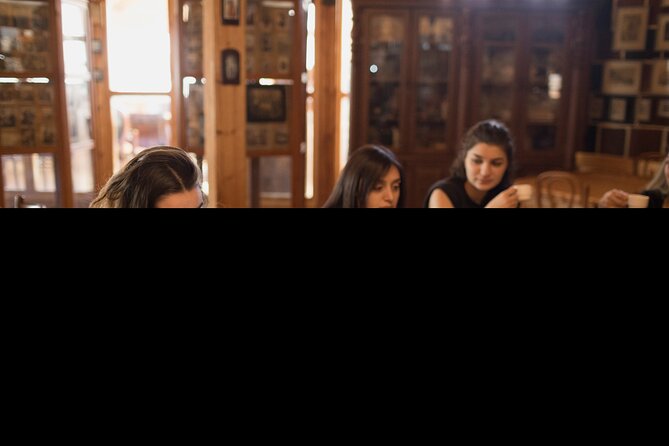
I would recommend this to you if you want a cultural activity that is practical, local, and easy to fit into a city visit. It is especially well suited to:
- Families looking for an activity that includes making and eating food
- Couples who want something more personal than a restaurant meal
- Small private groups interested in Armenian customs and household traditions
- Anyone curious about unusual regional drinks
- Visitors who enjoy historic photographs and old domestic objects
- People who want a short activity rather than a half-day cooking course
The choice is less clear if you dislike sweet foods, have very limited time for reaching the venue, or want a formal culinary workshop with detailed instruction.
Food allergies and dietary needs are not addressed in the available information. If that matters to you, contact Chalet Gyumri before booking and ask what substitutions are possible. Bagharj can be made sweet or salty, but no other dietary adaptations are promised.
Service animals are allowed. The activity is private, and a mobile ticket is accepted.
Price, cancellation, and booking timing
At $30 per person, the price covers more than a drink and a snack. You receive a museum visit, a look at historic Gyumri photographs, instruction from a local chef, two prepared drinks, one traditional dessert, and time to eat what you make.
That is fair value if you are interested in the cultural setting as much as the food. If you only want Armenian coffee, you can find cheaper options in the city. The added value here comes from the museum, the nearly forgotten ghayfa, the antique tools, and the private instruction.
The experience is booked about 22 days ahead on average. That suggests you should reserve in advance if your Gyumri dates are fixed, especially if you want a particular time or are traveling with a group.
Free cancellation is available up to 24 hours before the start time for a full refund. Changes or cancellations made less than 24 hours ahead are not accepted for a refund, and the cut-off uses local time.
Should you book the coffee and dessert activity?
Book it if you want to connect Gyumri’s past with something you can prepare and eat. The forgotten ghayfa drink, the old photographs, and the use of antique kitchen tools give this short activity a clear local identity.
The main question is not the price. It is whether you are willing to travel a little beyond the center for a one-hour private visit. If the answer is yes, $30 buys a thoughtful mix of museum context, hands-on cooking, and unusual food.
I would skip it only if your schedule cannot handle the off-center meeting point or if you are seeking a long, technical cooking course. For families, couples, and curious food lovers, this is a strong choice for seeing a more personal side of Gyumri.
FAQ
Where does the activity take place?
It takes place at Chalet Gyumri on Movses Khorenatsi Street in Gyumri, Armenia.
How long does the experience last?
The activity lasts approximately one hour.
What drinks will I prepare?
You will prepare traditional Armenian coffee and ghayfa, a roasted wheat drink that was once popular in Gyumri.
Which desserts can I choose from?
You can choose yaghli, bishi, shakar lokhum, or bagharj.
Is the activity private?
Yes. Only your group participates.
Is the experience offered in English?
Yes. The activity is offered in English.
How much does it cost?
The listed price is $30 per person. Group discounts are available.
Can I cancel for a refund?
Yes. You can cancel at least 24 hours before the local start time for a full refund. Cancellations or changes made less than 24 hours before the activity are not accepted for a refund.
Just added around the world
- Yerevan: Private Coffee Tour with 2 Café Stops★ 5.0 · 2 reviews
- Vietnamese Coffee 101 Workshop★ 5.0 · 11 reviews
- Vietnamese Coffee Making Class in Hoi An★ 5.0 · 4 reviews
- Vietnamese cooking class and coffee making with local girl★ 5.0 · 5 reviews
- Venice Delights: Coffee & Food Experience Walking Tour★ 5.0 · 2 reviews
- Private Vienna Tour: Literature Walk with Coffee House Visit★ 5.0 · 2 reviews
- Turin: Art Nouveau Walking Tour with Coffee★ 5.0 · 11 reviews
- Turkish Coffee and Traditional Turkish Dessert Cooking★ 4.6 · 8 reviews
Dessert Tours, compared.
Award Winning Farm Tour: Coffee, Chocolate and Unique Gifts
Read our review →
Vienna Coffee, Cake & Pastries Tour with Local Stories
Read our review →
Buggy Ride Into the jungle with cave coffee & chocolate tasting
Read our review →
Coffee & Chocolate Private Tour in Medellin: Genuine Experience
Read our review →
Coffee & Chocolate Tour+Sloths Park & Llanos de Cortez Waterfall
Read our review →
ATV OR BUGGY Ride Into the jungle with cave coffee & chocolate
Read our review →
Punta cana Boogie into the Jungle with Coffee and Chocolate Taste
Read our review →Browse the lists this tour appears in