
Review · HANOI
Vietnamese Bread & Brew: Banh Mi Baking Class & Specialty Coffee
Hanoi’s most famous sandwich gets the full hands-on treatment here. You knead the baguette dough, pickle the vegetables, prepare a meat or tofu filling, mix the sauces, and make Vietnamese coffee in a local home kitchen. The focus stays on banh mi, rather than trying to squeeze several unrelated dishes into one class.
I like the clear division of jobs, so everyone has a real role, and I like the patient, step-by-step approach to both the sandwich and coffee. The free recipe booklet also gives you a fair chance of repeating the meal at home. The main consideration is location: the class meets in Tây Hồ, not Hanoi’s Old Quarter, and the four-hour session may feel long if you only want a quick cooking demonstration.
Key points to know before booking
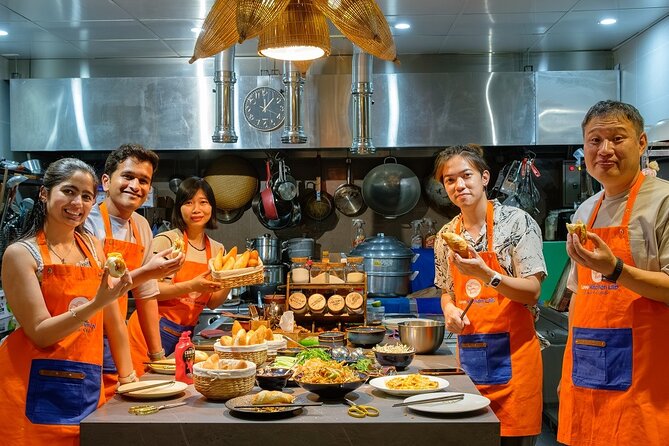
- You make the baguette from scratch: Kneading the dough gives you a better sense of what makes a banh mi roll different from an ordinary sandwich bun.
- The class covers the whole sandwich: You pickle vegetables, prepare a meat or tofu filling, and mix the sauces instead of assembling pre-made ingredients.
- Coffee gets equal attention: You learn traditional methods for egg coffee and may also work with salt or coconut coffee.
- The setting is a home kitchen: The atmosphere is more personal than a large demonstration kitchen, with an English-speaking local chef guiding the group.
- The group can reach 15 people: That is still manageable, but it is not a private lesson, so hands-on time may depend on how roles are shared.
- You leave with practical extras: Ingredients, equipment, homemade wine tasting, luggage storage for up to two days, a digital recipe booklet, and a cooking certificate on request are included.
Why this class is about more than a sandwich
Banh mi is often treated as a quick street-food stop, something you buy for a few dollars and eat while walking. This class slows the process down and shows how several small details create the finished sandwich: a light baguette, sharp pickles, savory filling, fresh herbs or vegetables, and sauces that pull everything together.
The class also gives you a useful bit of food history. You learn how the French-style baguette became part of Vietnamese cooking and how local cooks turned it into something distinctly Vietnamese. That context matters because banh mi is not simply a French sandwich with Vietnamese ingredients. It is a food shaped by both traditions.
I especially like that the lesson does not stop at bread. A good banh mi depends on balance, and you work through the parts that provide it. Pickled vegetables add acidity, the filling adds substance, and the sauces tie the flavors together. You can prepare either a meat or tofu filling, which makes the class more useful if you do not eat meat.
More Specialty Coffee Tours in Vietnam
- Hoi An: Vietnamese Coffee Making Workshop at Local Roastery
★ 4.8 · 174 reviews - Coffee Farm Tour with Roasting & Tasting Workshop – Da Lat
★ 5.0 · 126 reviews - Experience specialty coffee with sustainable coffee farmers
★ 4.9 · 91 reviews
Arriving at Love Kitchen Lab in Tây Hồ
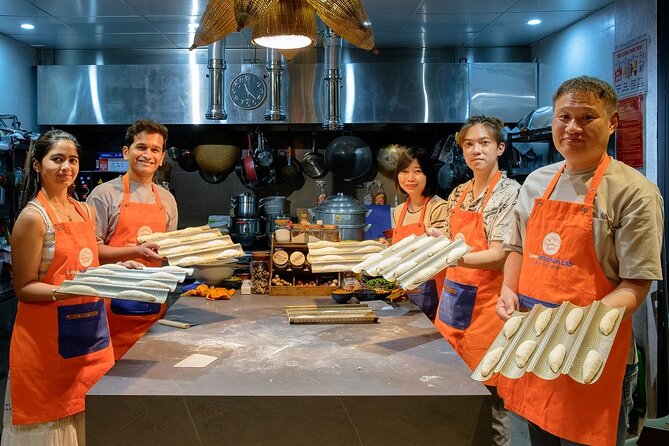
The meeting point is Love Kitchen Lab, at 519 Đ. Âu Cơ in Nhật Tân, Tây Hồ, Hanoi. The activity starts and ends there, and the location is near public transportation. Since the class lasts about four hours, plan your route before you set out, especially if you are staying in the Old Quarter or another part of Hanoi.
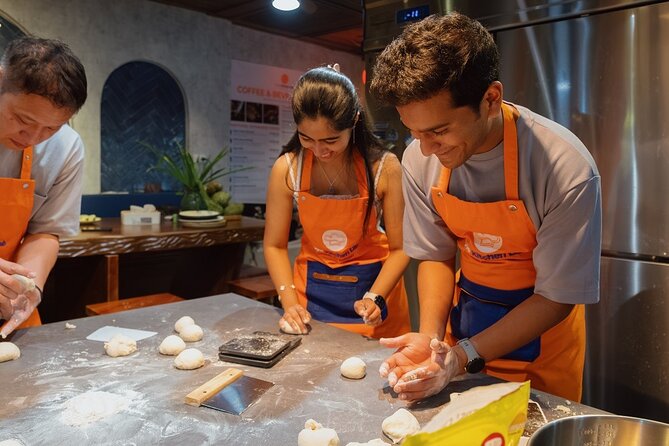
The home kitchen setting is part of the appeal. You are not watching a chef work from the back of a large room. You take part in the process and work alongside the rest of the group. The maximum group size is 15, so this is a shared lesson rather than a private cooking session.
That size creates a practical trade-off. A group gives the class a social feel and can make the meal more fun, but the instructor must divide tasks among several people. One useful detail from the class format is that each person receives a role and purpose. That keeps you involved rather than leaving you to watch while one person does all the cooking.
Still, if you want one-on-one correction at every stage, you should know that a group of up to 15 cannot offer the same attention as a private lesson. The class is best for people who enjoy working with others and are comfortable taking turns.
Kneading the baguette dough from scratch
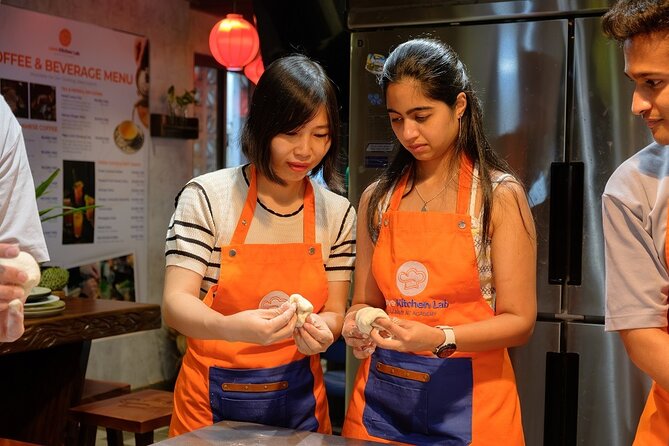
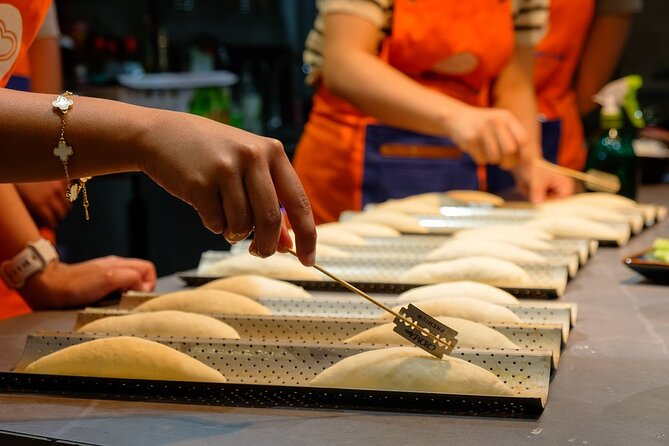
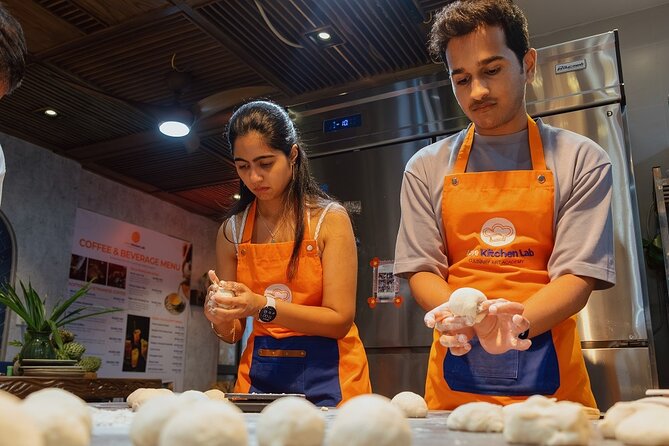
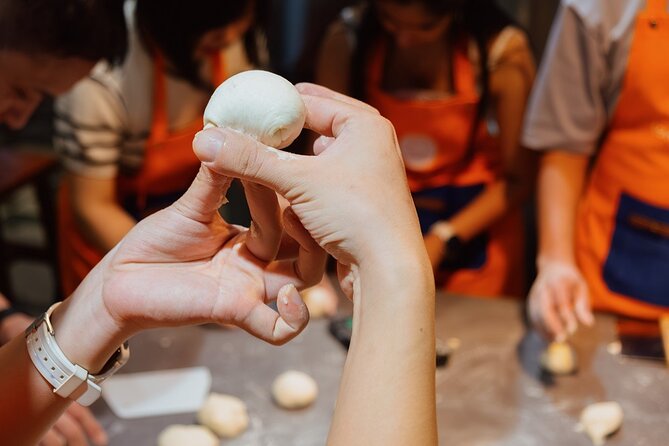
The first major task is the bread. You knead your own baguette dough rather than starting with a finished roll. This is one of the most worthwhile parts of the class because it explains the foundation of the dish.
Banh mi bread has a particular job. It needs enough structure to hold fillings and sauces, but it should not eat like a heavy European loaf. Working with the dough gives you a better feel for texture, handling, and the role of the baguette in the finished sandwich.
The teaching is described as methodical and easy to follow. That is important here. Bread can become confusing when instructions move too quickly, so a clear sequence helps you understand what you are doing instead of simply copying hand movements.
You should also keep your expectations sensible. This is a four-hour cooking class, not a professional baking course. You will learn the process used for this meal and gain a recipe you can try again, but the exact result at home may depend on your oven, flour, humidity, and practice.
Pickled vegetables, fillings, and sauces
Once the bread work is underway, the class moves into the ingredients that give banh mi its character. You prepare the pickled vegetables, make the savory filling, and mix the sauces. This is where the sandwich begins to taste like more than bread with meat inside.
The pickles are especially useful to learn because they are simple but important. Their sharp flavor cuts through the richness of the filling and gives the sandwich its clean, lively edge. Making them yourself also helps you understand why a banh mi can taste balanced even when it contains several bold ingredients.
For the main filling, you work with either meat or tofu. The choice makes the class accessible to more people, though the supplied information does not specify which exact meat, tofu style, or seasoning blend is used in a particular session. If you have dietary restrictions, tell the provider before booking rather than assuming every ingredient can be changed.
The sauces are another practical lesson. The right amount can make the sandwich moist and flavorful, while too much can overwhelm the bread. Since you prepare them yourself, you can later adjust the balance at home to suit your taste.
Fresh, top-grade ingredients are provided, and the cooking oil is unused. That attention to food handling is reassuring in a class where several people are preparing food together. Ingredients and equipment are included, so you do not need to bring cooking supplies.
More Roastery Tours in Hanoi:
- Cartagena: Colombian Specialty Coffee Tasting
★ 4.4 · 130 reviews - Private Coffee Roasting Class
★ 5.0 · 101 reviews - Santo Domingo Small Group Walking Tour: Beer and Specialty Coffee
★ 5.0 · 55 reviews - Kigali: Traditional Coffee Experience ( Bean to Brew)
★ 4.8 · 54 reviews
Vietnamese coffee with egg, salt, or coconut
Coffee is not a small afterthought here. It is the second half of the experience, and it adds a useful look at Hanoi’s café culture.
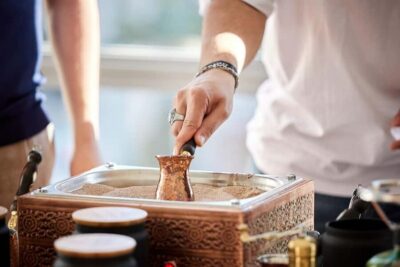
You learn traditional preparation methods for Vietnamese specialty coffee, with egg coffee as the central feature. Depending on the session, you may also taste or prepare salt coffee or coconut coffee. These styles show how Vietnamese coffee can move well beyond a plain cup with milk.
Egg coffee is known for its creamy topping, while salt coffee uses a salty element to sharpen and balance the coffee. Coconut coffee brings a different texture and flavor. The class lets you compare these styles as part of the meal, though the exact coffee choices may vary.
The coffee lesson also breaks up the bread preparation. After working with dough, vegetables, and fillings, making a drink gives the class a change of pace. You are not simply eating a sandwich at the end. You are learning how two familiar Hanoi foods are made and why they matter.
The class promises detailed instructions for the coffee, which is useful because egg coffee can look simple but depends on getting the mixture smooth and properly balanced. You should expect a hands-on lesson, not just a tasting.
Eating what you prepared
At the end, you sit down with the food you made. This is when the separate jobs make sense. You can taste the bread, pickles, filling, sauces, and coffee together, then decide what you would change next time.
The shared meal is also a social part of the class. You eat with the host and other people in the group rather than leaving as soon as the cooking ends. That makes the experience feel closer to a meal in someone’s home than a short food demonstration.
A small extra is homemade wine tasting, which is included. Soda and other pop beverages are not included, so do not expect a full drinks menu. The included coffee and wine tasting are the drinks specifically described as part of the experience.
You can also request a cooking certificate. It is not the reason to book, but it may be a nice keepsake if you enjoy collecting certificates from food classes or want a record of the activity.
What the four-hour schedule means for you
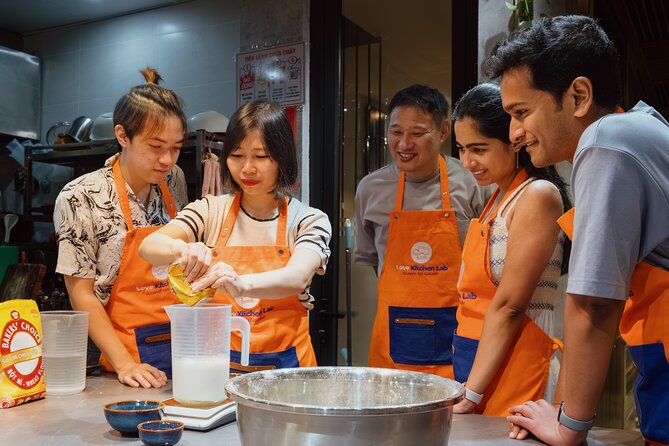
Four hours gives the class enough room for several proper stages. You are not rushed through a quick assembly line, and the instructor can explain the story of banh mi, guide the bread preparation, cover the pickles and fillings, teach the coffee, and finish with a meal.
The downside is simple: this is a substantial portion of your day. If your Hanoi schedule is packed with museums, markets, and neighborhood walks, you need to treat the class as a main activity rather than a short break.
I would choose a time when you can stay relaxed. Bread dough and pickling need attention, and the social side works better when you are not watching the clock. The class ends back at the meeting point, which makes planning easier afterward.
The group format also affects the pace. With as many as 15 participants, some tasks may be shared or completed in turns. The positive side is that the lesson is designed so everyone has a role. The practical point is to stay engaged and listen for your task instead of assuming you will handle every stage alone.
Is $34 good value?
At $34 per person, the price is reasonable for a four-hour class that includes a meal, all ingredients, equipment, specialty coffee, homemade wine tasting, and an English-speaking chef. You also receive a digital recipe booklet, and a cooking certificate is available on request.
The value is strongest if you want a skill you can use after the trip. You are not paying only for lunch. You are paying for the instruction, the cultural background, the chance to work with unfamiliar ingredients, and the practical steps needed to repeat the dishes at home.
The free luggage storage for up to two days is another useful extra, especially if you are moving between accommodations or have a bag with you before a departure. It should not determine your booking decision, but it can make the meeting-point logistics easier.
Group discounts may be available, though the specific discount is not given. If you are booking with friends or family, check the current price before payment. Tips and personal expenses are not included, and neither are soda or pop beverages.
The provider also offers free cancellation up to 24 hours before the start time. Inside that window, the booking is nonrefundable and changes are not accepted. That is a fair policy, but keep your Hanoi schedule firm once you are within the final day.
Who will enjoy this Hanoi food class
I would recommend this experience to anyone who wants more than a food tasting. It suits people who like to understand how a dish works and who enjoy doing the preparation themselves.
It is a good match for:
- First-time visitors who want a direct introduction to Vietnamese food culture.
- Couples, friends, and families who enjoy shared cooking.
- Vegetarians who want the tofu option, after confirming their needs in advance.
- Coffee fans curious about egg, salt, or coconut coffee.
- Home cooks who want recipes and techniques to use after returning home.
- People with a free half-day who prefer a local kitchen setting to a formal sightseeing stop.
It may be less suitable if you dislike group activities, want a private chef, or only want to eat banh mi without preparing it. It is also not the best choice for a tight itinerary where four hours would force you to skip other Hanoi plans.
The experience has earned a perfect overall rating from 77 reviews, with 100 percent recommending it. More useful than the number is the reason behind the praise: the class assigns everyone a role, explains each step clearly, and keeps the staff accommodating and funny. One especially thoughtful detail comes from Jane, who offered an ill participant a later date and then sent gifts after the person had already left Hanoi. You cannot count on needing that kind of help, but it suggests a host who takes care of people beyond the recipe.
My verdict on Love Kitchen Lab
Book this class if you want to spend a meaningful half-day learning two Hanoi staples in one place. The strongest reasons are the from-scratch bread, the complete banh mi preparation, the coffee lesson, and the chance to eat the finished meal with the people who helped make it.
Think twice if you want a short, polished demonstration or if reaching Tây Hồ would complicate your day. The group can reach 15 people, so this is intimate compared with a large cooking school but not a private class.
For $34, the combination of instruction, food, drinks, recipes, and cultural context is solid value. I would put it on your Hanoi list when you want a practical memory you can recreate at home, not just another meal that disappears as soon as you leave the city.
FAQ
Where does the banh mi class take place?
The class takes place at Love Kitchen Lab, 519 Đ. Âu Cơ, Nhật Tân, Tây Hồ, Hanoi, Vietnam. The activity begins and ends at this meeting point.
How long does the activity last?
The experience lasts approximately four hours.
How many people can join the class?
The maximum group size is 15 people.
Is the class taught in English?
Yes. Guidance is provided by a professional English-speaking home chef.
What food and drinks do I learn to make?
You learn to make banh mi from scratch, including the baguette dough, pickled vegetables, fillings, and sauces. You also learn Vietnamese specialty coffee, including egg coffee and possibly salt or coconut coffee.
What is included in the $34 price?
The price includes the chef’s guidance, ingredients, cooking equipment, the hands-on banh mi and coffee lesson, a meal, homemade wine tasting, luggage storage for up to two days, a digital recipe booklet, and a cooking certificate on request.
Can I cancel for a full refund?
Yes. You can cancel at least 24 hours before the experience start time for a full refund. Cancellations or changes made less than 24 hours before the start time are not accepted for a refund.
More Cooking Classes in Hanoi
- Hanoi Cooking Class: Pho/Bun Cha/Banh Xeo…+Free Egg/Salt Coffee
★ 5.0 · 267 reviews - 3 Dishes cooking + Egg Coffee bonus & Local Market Tour
★ 5.0 · 14 reviews - Da Nang Cooking Class with Coffee Tasting and Market Visit
★ 5.0 · 310 reviews - 1 hour Egg Coffee Cooking Class with Snack and Local Instructor
★ 5.0 · 72 reviews
Just added around Hanoi
- Vietnamese Coffee 101 Workshop★ 5.0 · 11 reviews
- Private tour: Hanoi city tour-Van Phuc silk village with egg coffee, lunch★ 5.0 · 2 reviews
- Hanoi 2.5 hour Guided Sightseeing Cyclo Tour & Egg Coffee Class★ 5.0 · 16 reviews
- Taste of Vietnam’s Coffee Scene – A Guided Experience★ 5.0 · 2 reviews
- Hanoi daily egg coffee making course with local guide★ 5.0 · 17 reviews
- Private Hà Nội Coffee History Tour★ 5.0 · 6 reviews
- hidden gems cafe – learn making coconut and egg coffee★ 5.0 · 2 reviews
- 3 Dishes cooking + Egg Coffee bonus & Local Market Tour★ 5.0 · 14 reviews
Specialty Coffee & Roastery Tours, compared.
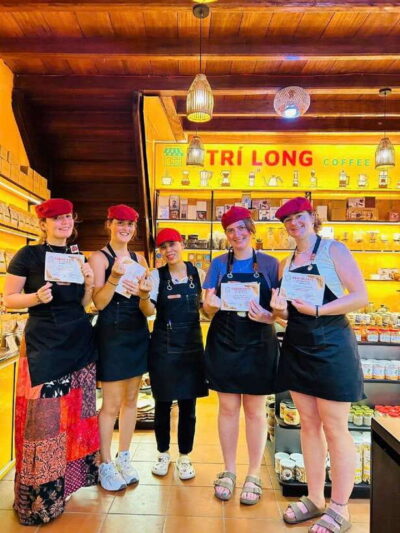
Vietnamese Coffee Making Workshop at Local Roastery
Read our review →
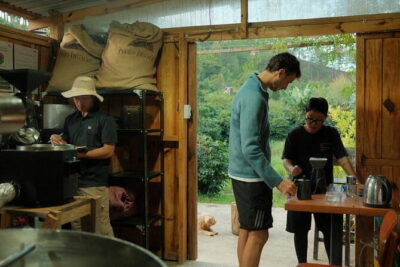
Coffee Farm Tour with Roasting & Tasting Workshop – Da Lat
Read our review →
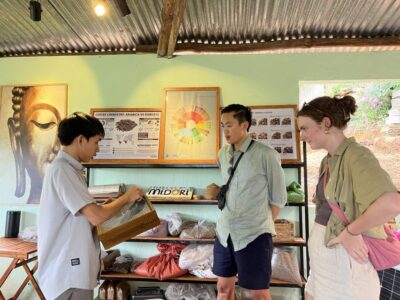
Experience specialty coffee with sustainable coffee farmers
Read our review →
Santo Domingo Small Group Walking Tour: Beer and Specialty Coffee
Read our review →
Browse the lists this tour appears in