

Review · ARUSHA
Coffee walk with stay in the village
The best part of this three-day experience is that coffee is not treated as a quick tasting stop. You sleep on a working coffee farm, walk through the village, and follow the crop from tree to roaster. Guide Samwel adds local knowledge about coffee, plants, culture, and daily life.
I like the organic Fairtrade model, which pays farmers three times the normal price according to the operator. I also like the relaxed village stay, with homemade breakfasts and dinners rather than a rushed hotel stop. The main consideration is the walking: the route includes a 30 to 40-minute walk to the roaster, and this is not the right choice if you want a short, vehicle-based excursion.
Key points to know before booking
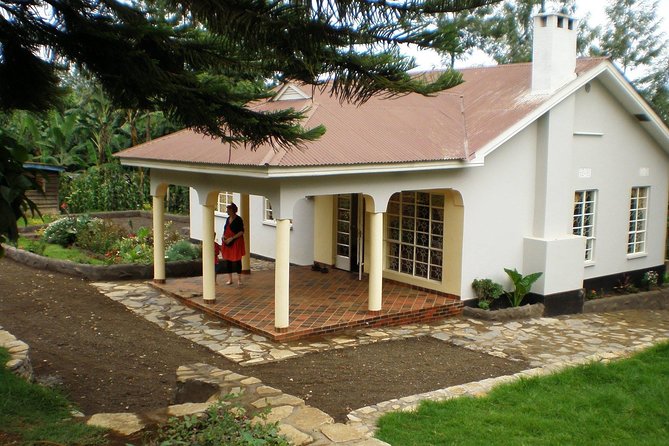
- Sleep on a coffee farm: Two nights at a guesthouse in the same village where the coffee is produced.
- Follow coffee from seed to cup: See organic and traditional growing methods, then walk to the roaster.
- Meet village life on foot: The route passes the hospital, primary and secondary schools, an orphanage, and the oldest church on the mountain.
- Eat local food: Day two includes a hot Tanzanian lunch with chapati, roasted banana, rice, ugali, goat sauce, spinach, salad, and fruit.
- Private experience: Only your group takes part, with group discounts available.
- Simple Arusha access: Pickup from Arusha town is at 5:00 p.m., and airport pickup is also possible.
From Arusha to a coffee village

Your trip begins with pickup in Arusha at 5:00 p.m. You choose the pickup point, then ride for about 30 to 40 minutes to the village. Airport pickup is also available, which can make this a useful first or last stop around a Tanzania itinerary.
The timing is practical. You leave Arusha late in the day, arrive in time to settle into your room, and still have time for a short walk before dinner. This is not a packed arrival day. You get a chance to look around, meet the people running the guesthouse, and adjust to a slower rural rhythm.
The accommodation is on a coffee farm, not simply near one. That matters because the farm becomes part of the stay rather than a separate attraction you visit for an hour. The setting is described as a beautiful garden, and the guesthouse serves homemade breakfast and dinner prepared by its chef.
You should keep your first evening expectations modest. The main purpose is to arrive, eat, and rest before the walking program begins the next morning. If you need nightlife, shopping, or a busy restaurant scene, stay in Arusha instead. If you want a quiet start to your time in northern Tanzania, the village setting makes good sense.
More Walking Tours in Arusha:
- Coffee walk day trip
★ 5.0 · 10 reviews - Waterfall & Coffee Walking Tour
★ 5.0 · 6 reviews - 7 Days Tanzania Luxury Safari Experience & Coffee Walking Tour
★ 5.0 · 6 reviews
Walking through Nkoaranga Village
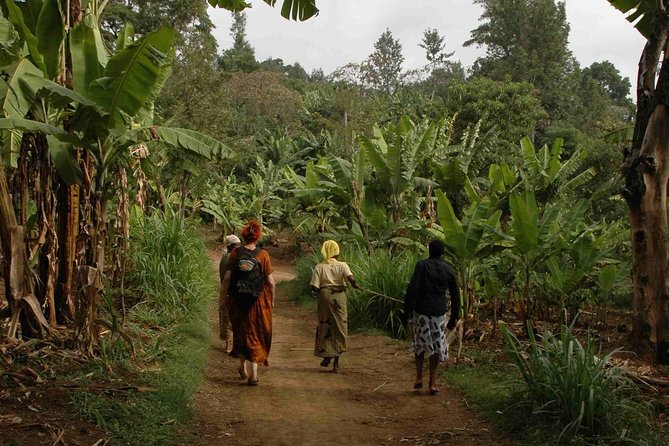
After breakfast on day two, the coffee guide meets you at about 9:30 a.m. You begin from the guesthouse and walk toward the village center. Along the way, you see the hospital, primary and secondary schools, an orphanage, and the oldest church on the mountain.
These stops give the coffee tour a wider purpose. You are not only looking at coffee plants. You are seeing some of the places that shape local life and hearing about culture and traditions from someone connected to the area.
Guide Samwel is specifically associated with this walk. He grew up in the area and is described as friendly, outgoing, and well informed about local plants and the village. That background matters on a walking tour. A guide who knows the community can explain more than a standard script, especially when questions move from coffee to food, family life, plants, and local customs.
The tour is private, so only your own group takes part. That gives you more freedom to ask questions and set the pace than a large group outing would. Still, the route is active. You are walking through a village and out to a farm, not being driven between polished viewing areas.
Wear comfortable walking shoes and bring water. The supplied information does not give a total distance or describe the surface in detail, so you should be ready for ordinary village and farm walking rather than assuming a paved route. Most people can participate, but anyone with mobility concerns should ask the operator for more detail before booking.
Seeing organic coffee at the farm
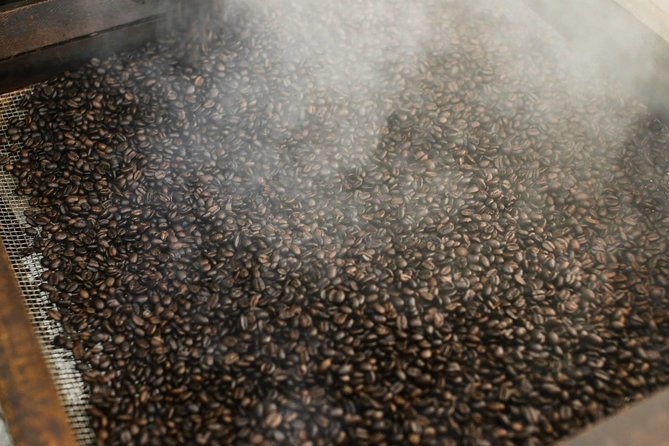
At the farm, the guide explains the coffee journey from seed to cup. You learn how the trees are grown and how organic production differs from traditional methods.
The organic approach is one of the strongest reasons to choose this experience. The coffee trees are not sprayed with chemicals, which the operator presents as safer for the farmer and healthier for the people who drink the finished coffee. You also learn why Fairtrade matters in a place where coffee farmers can receive very little for their work.
The operator says the farm pays farmers three times the normal price. That claim is central to the tour’s purpose, and it gives you a useful way to think about the $270 price. You are paying for transport, accommodation, meals, a private guide, and a farm visit, but you are also supporting a business model that aims to return more money to producers.
You will not be looking at coffee as an abstract export crop. Tanzania sends coffee abroad, and many local people depend on that chain of work. The tour connects the plant in the soil with the drink in your cup and with the wages that support families, including school costs for children.
The information provided does not list every processing stage in technical detail, so do not book this expecting a specialist training course in coffee science. It is better suited to someone who wants a clear, hands-on explanation tied to village life and farming.
A long walk to the roaster and a generous village lunch

After the farm visit, you walk for about 30 to 40 minutes down to the roaster. This is an important practical detail. The day is not just a talk beside the coffee trees. You move through the area and reach the place where the crop becomes a drinkable product.
The walk adds context, but it also adds effort. If you are planning a safari, Kilimanjaro trek, or another active outing afterward, remember that day two lasts about six hours. The schedule is not extreme, yet it is more physical than a short coffee tasting in town.
Lunch is served in the garden near the roaster. The menu includes chapati, roasted banana, rice, ugali, goat sauce, spinach, salad, and fruit. This is a useful part of the experience because it gives you a taste of village cooking rather than a generic boxed meal.
Ugali is a staple in Tanzania, while chapati and roasted banana add familiar and less familiar textures to the plate. The goat sauce provides a local main dish, and the vegetables and fruit round it out. The food is part of the cultural exchange, not a minor add-on.
The supplied menu includes the phrase fruit of the sea, which may be a wording error or a reference to a particular local item. Ask what is being served if you have allergies or dietary restrictions. The available information does not confirm vegetarian, vegan, or allergy-specific arrangements.
A few more coffee tours around Arusha worth a look
- Materuni Waterfalls, coffee tour & Kikuletwa Hot Springs
★ 5.0 · 643 reviews - Materuni waterfalls coffee tour & Chemka hot springs Day trip
★ 5.0 · 131 reviews - Maasai village visit, Materuni waterfalls & coffee experience
★ 4.5 · 95 reviews - Materuni Waterfalls & Coffee Tour from Moshi
★ 5.0 · 92 reviews
Two nights, not just a coffee stop
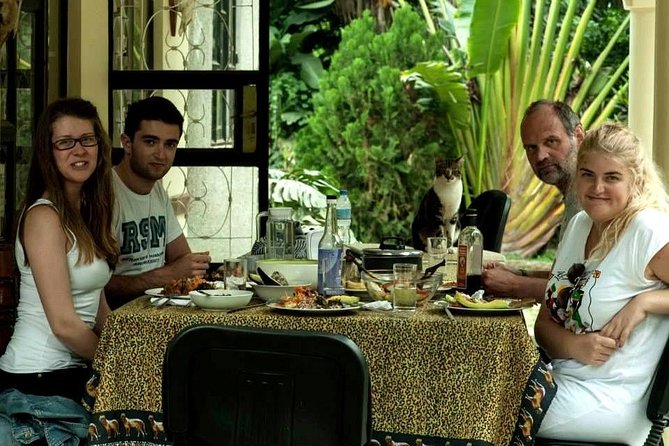
The guesthouse stay is what separates this from many half-day coffee outings around Arusha. You spend two nights in the village, with breakfast and dinner prepared at the accommodation. That gives the trip a calmer pace and lets the coffee walk happen without a same-day rush back to town.
The included meals also improve the value. At $270 per person, the cost is not only for a farm explanation. It covers a private three-day experience with two nights of lodging, transport from Arusha and back, breakfast, dinner, the day-two lunch, and the guided walking program.
The final price may feel high if you compare it with a short city coffee tour. That comparison is not quite fair. You are paying for a rural stay and a small-scale local experience. On the other hand, the supplied information does not spell out every inclusion, so confirm what is covered before paying, especially if you need special meals or extra transfers.
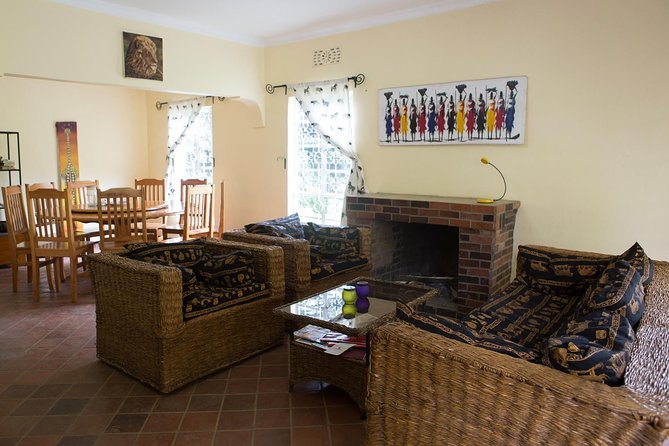
The accommodation is simple enough in spirit to suit people who want a working village setting. The information does not provide room categories, private bathroom details, Wi-Fi information, or a list of amenities. If those details affect your decision, ask before booking rather than assuming the guesthouse operates like a city hotel.
The quiet final morning
Day three begins with a slow breakfast. There is no major activity listed, and that is a plus after the walking day. You have time to pack without an early alarm, then drive back to Arusha.
The return transfer lets you continue with a safari, trekking plan, airport connection, or another Arusha activity. The schedule lists about three hours for the final day, though the actual drive is described as a return to Arusha rather than a full sightseeing program.
This relaxed ending also shows the character of the trip. It is designed around time in one village, not around collecting as many stops as possible. You trade speed for contact with one place.
Who will get the most from this experience
I would choose this for coffee drinkers who want to understand farming, processing, and payment rather than simply sample a cup. It also suits you if you prefer local meals, village walking, and a private guide to a large organized group.
It is a strong fit for couples and small groups. One couple used the farm guesthouse as part of a much longer Tanzania trip, and the two-night stay works well as a gentle break between more demanding activities. Group discounts may improve the value if you are traveling with family or friends.
You should think twice if you want a tightly scheduled sightseeing program. There is no list of major monuments, wildlife viewing, or city attractions. The appeal is the coffee farm, the village, the food, and the conversations along the way.
You should also consider your walking comfort. The program includes a village walk, a farm visit, and a 30 to 40-minute walk to the roaster. Most people can participate, but the operator does not provide enough route detail to guarantee easy access for every mobility level.
Booking details that matter
The advertised cost is $270 per person. Pickup is offered from Arusha town, with airport pickup also possible. Tell the operator where you want to be collected, and confirm the transfer plan if you are arriving by air.
The activity is private, meaning only your group participates. That is useful if you want to ask detailed questions about farming or adjust the pace of conversation. Group discounts are available, though the exact discount is not specified.
Mobile tickets are supported, and booking confirmation is provided at the time of booking. The experience is listed as operating every day from 8:30 a.m. to 11:00 p.m., although the actual program starts with the 5:00 p.m. pickup and follows the two-night schedule described above.
Free cancellation is available if you cancel at least 24 hours before the start time. Cancellations made less than 24 hours ahead, and changes within that period, are not accepted for a refund. The cutoff follows local time.
Should you book the coffee walk?
Book it if you want a real stay on a coffee farm, a private village walk, and a better understanding of how organic and Fairtrade coffee affect local families. The strongest parts are the relaxed guesthouse, Samwel’s connection to the area, the generous Tanzanian lunch, and the chance to see the crop at several points in its journey.
Skip it if you want only a quick tasting, a luxury lodge, or a no-walking excursion. For the right person, $270 buys more than coffee. It buys time in one village and a direct look at the work behind an everyday drink.
FAQ
How long does the coffee walk experience last?
The experience lasts approximately three days and includes two nights at the guesthouse. Day one includes pickup and arrival, day two is the main coffee and village program, and day three includes breakfast and transport back to Arusha.
Where does pickup take place?
Pickup is offered from Arusha town at 5:00 p.m. You should tell the operator where you want to be collected. Airport pickup is also possible.
Can I stay at the coffee farm?
Yes. The experience includes two nights at a guesthouse in the same village where the coffee is produced. The guesthouse is located on a coffee farm.
What meals are included?
The stay includes homemade breakfast and dinner prepared by the guesthouse chef. Day two includes a hot Tanzanian lunch with chapati, roasted banana, rice, ugali, goat sauce, spinach, salad, and fruit.
Who leads the coffee walk?
The coffee walk is led by a special coffee guide. Samwel is identified as a guide for the experience and has local knowledge of the village, plants, culture, traditions, and coffee production.
Is this a private tour?
Yes. Only your group participates in the activity. Group discounts are also available.
How much walking is involved?
You walk from the guesthouse through the village to the organic coffee farm. The walk from the farm down to the roaster takes about 30 to 40 minutes. The total walking distance and route surface are not specified.
Can I cancel for a refund?
Yes, if you cancel at least 24 hours before the experience starts. Cancellations or changes made less than 24 hours before the start time are not accepted for a refund.
Just added around Arusha
- Private Tour to Marangu Waterfalls, Chagga Caves, Coffee tour & Hot Springs★ 5.0 · 7 reviews
- Waterfall & Coffee Walking Tour★ 5.0 · 6 reviews
- Private Materuni Waterfalls Hiking and Coffee Tour★ 5.0 · 4 reviews
- Private Tour to Materuni waterfalls, coffee tour & Kikuletwa hot- springs★ 5.0 · 14 reviews
- Materuni Waterfall Coffee Tour and Chemka Hot Springs Experience★ 5.0 · 15 reviews
- Materuni (Coffee Tour) and Chemka (Kikuletwa Tour)★ 5.0 · 8 reviews
- Materuni Waterfalls and Coffee Tour★ 5.0 · 9 reviews
- Waterfalls, Coffee, Hotsprings, Food Cuisine, & Serval Wildlife★ 5.0 · 6 reviews
Walking Tours, compared.
Hungry in Vienna? A Food Lover’s Coffee & Market Walk
Read our review →
Private Walking Tour, Food Tasting and Bosnian Coffee in Sarajevo
Read our review →
Hanoi Michelin Star Walking Food Tour & Train Street
Read our review →
Vienna Eats: Private Foodie Walk with Coffee & Markets
Read our review →
Angra do Heroísmo: Walking Tour with Local Pastry and Coffee
Read our review →
New Orleans True Crime and Coffee Walking Tour: Adults Only
Read our review →Browse the lists this tour appears in