
Review · DA NANG
Da Nang Coffee Making and Banh Mi Class
Da Nang’s coffee culture is much more than a strong cup with condensed milk. In this three-and-a-half-hour class, you’ll prepare several local coffee styles, including coconut and salted coffee, then make your own Banh Mi in a friendly home-style setting near Dragon Bridge. It is a useful choice if you want more than a quick tasting.
I like the hands-on format, since you do not simply watch a cook work behind a counter. I also like the small group limit of 12, which should give you room to ask questions and work at a comfortable pace. The main drawback is simple: there is no hotel pickup, so you need to reach the meeting point at 14 An Trung Đông 6 yourself.
Key points to know before booking
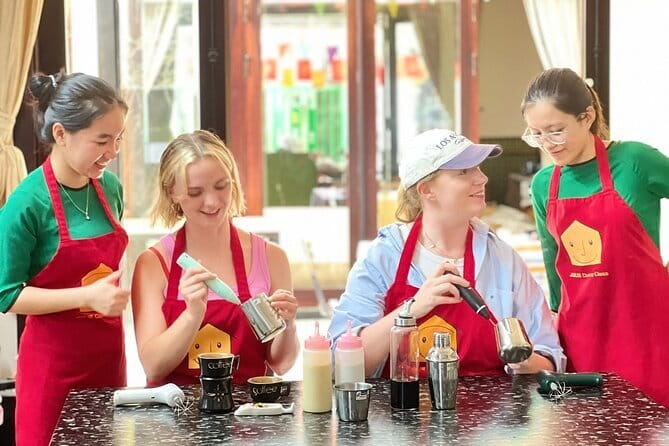
- You make and taste several Vietnamese coffee styles, with coconut coffee and salted coffee singled out as memorable parts of the lesson.
- The Banh Mi portion is practical, focusing on fillings, flavor balance, and sandwich assembly rather than a long professional cooking course.
- Hanna is one of the named instructors, praised for her patient, fun, and clear teaching.
- The class works well for families, with the format successfully engaging children aged 10 and 13.
- The meeting point is near Dragon Bridge, and the class returns there at the end.
- The $35 price includes ingredients, equipment, coffee, Banh Mi, and instruction, but not transport.
Why this class suits a Da Nang afternoon
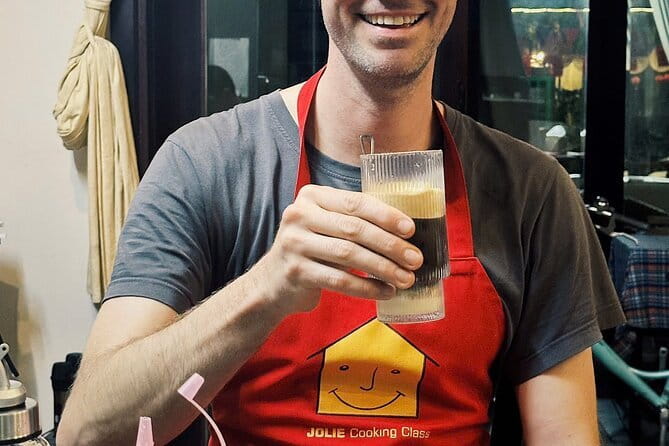
This experience brings two everyday Vietnamese favorites together in one sitting. Coffee gives you a look at local drink culture, while Banh Mi shows how Vietnamese cooks build a meal from bread, fillings, herbs, sauces, and contrasting textures.
That combination makes the class more useful than a single-dish lesson. You get something to drink, something to eat, and a little context for both. You also leave with techniques you can try again at home, especially if you enjoy making coffee with a strong local character.
The setting near Da Nang’s Dragon Bridge helps with planning. You can fit the class into an afternoon around the city center and Sơn Trà area, though you should allow enough time to reach the exact address. Pickup is not included, so do not assume your hotel or resort transfer is part of the booking.
The group can reach a maximum of 12 people. That is not a private lesson, but it is still small enough to feel more personal than a large demonstration. If you prefer constant one-to-one attention, a private class would be a different type of experience. For most people, this group size offers a good balance between social energy and practical participation.
More Coffee Making Classes in Vietnam
- Hoi An: Vietnamese Coffee Culture and Coffee Making Class
★ 4.9 · 4,006 reviews - Hanoi Coffee Workshop: Taste Salt, Coconut and Egg Coffee
★ 5.0 · 1,286 reviews - Hanoi: Salt Coffee Workshop Awake Your Senses With 6 Brews
★ 5.0 · 792 reviews
Starting with Vietnamese coffee near Dragon Bridge
The class begins with coffee making. You learn traditional local methods and taste the cup you prepare, rather than receiving a finished drink with no explanation.
Vietnamese coffee often has a strong, concentrated profile, and the class uses that as a base for different preparations. The coffee session builds from one style to the next, helping you notice how added ingredients change the drink. A family who attended with children aged 10 and 13 found that each coffee built on what came before, making the lesson easy to follow.
That progression matters. Coffee classes can become a string of unrelated recipes, but this one is designed to help you compare styles. You can see how the same basic drink takes on a different character when combined with coconut or salt.
Coconut coffee is one of the specific drinks highlighted by Hanna’s class. It gives the coffee a sweeter, cooler, more dessert-like direction. Salted coffee takes a different route, adding a savory edge that balances bitterness and sweetness. These are the kinds of drinks that may be easy to order in Da Nang but harder to understand until you see how they are made.
Hanna is described as patient and fun, with a clear way of explaining the process. That is especially useful if you are not confident in the kitchen or if you are introducing older children to Vietnamese food. The class is not presented as a serious barista certification course. Think of it as an approachable cultural lesson where you make, taste, and compare.
The coffee segment also gives the afternoon a relaxed rhythm. You are not rushing from one cooking station to another. You have time to notice the ingredients, follow the method, and drink what you prepare.
Preparing Banh Mi fillings and building your sandwich
After the coffee session, you move to the Banh Mi portion. The class provides the ingredients and equipment, so you can focus on preparation and assembly rather than shopping or setting up a kitchen.
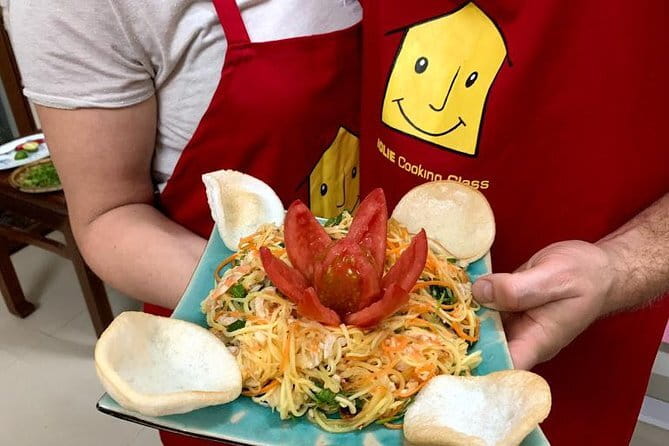
The emphasis is on the fillings and how their flavors work together. You learn about the key ingredients, prepare the filling components, and then assemble your sandwich using prepared bread. This is a sensible format for a three-and-a-half-hour class because it keeps the work focused on the parts that define the sandwich.
Banh Mi is built around contrast. The bread provides structure, while the fillings, vegetables, sauces, and seasonings bring different textures and flavors. The lesson helps you see that the sandwich is not just a Vietnamese version of a standard filled roll. Balance is the important idea, and you get to adjust the sandwich to your own taste.
The assembly stage gives you more freedom than a tightly scripted cooking demonstration. You put together your own Banh Mi rather than receiving an identical sandwich made by the instructor. That makes the final tasting more useful because you can see how your choices affect the finished result.
There is one limit to keep in mind. The information provided does not list specific meat, vegetable, or sauce options, so you should not book expecting a particular filling. The class promises Banh Mi fillings and assembly, but the exact ingredients are not specified in advance.
The bread is prepared for you, which keeps the session manageable. If your main interest is baking the baguette from scratch, this is not that type of course. If you want to learn how a Banh Mi comes together and then eat your own sandwich, the format is a better fit.
A relaxed class in a local family setting
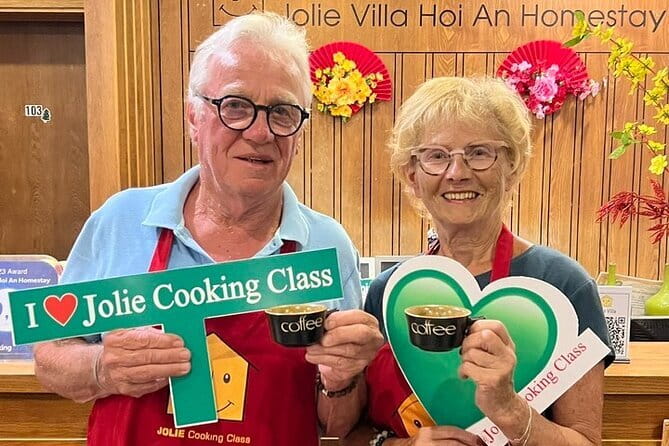
The experience takes place in a cozy local space connected with Jolie Danang Cooking Class. The host shares information about Vietnamese food culture in a friendly family setting, so the class is intended to feel social rather than formal.
I like that the cultural information is tied to what you are doing. You are not sitting through a long talk about food traditions before touching an ingredient. Instead, the explanations arrive as you make coffee and prepare the sandwich. That keeps the learning practical and easier to remember.
The tone also appears suitable for mixed ages. The children in the family group were able to follow the coffee sequence and take part in the afternoon, while adults still had enough variety to make the experience worthwhile. This makes it a reasonable option for families who want an activity that is more interactive than sightseeing but less demanding than a full cooking school.
The class is also a good social choice for solo visitors and couples. A group of up to 12 gives you a chance to meet other people without making the session feel like a crowded food demonstration. Still, the social atmosphere depends partly on the group on your date, so do not expect a private, quiet lesson.
Same place, a different way to drink it:
- Hanoi Coffee Experience: 6 Brews, 9 Recipes & 3 Liquor Tastings
★ 5.0 · 2,945 reviews - Early Morning My Son Sanctuary Trip w. Champa Food & Coffee
★ 5.0 · 629 reviews - Da Nang Coffee Making Workshop
★ 4.9 · 543 reviews - Hanoi: Master the Art of 4-6 Signature Vietnameses Coffees
★ 5.0 · 517 reviews
What the $35 price includes
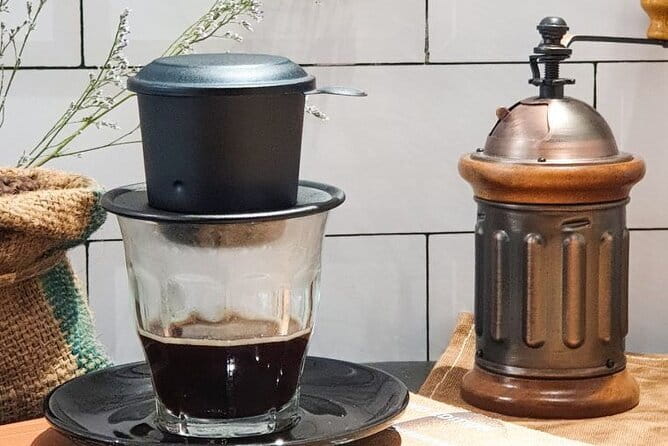
At $35 per person, the class is priced as a midrange food activity rather than a quick tasting stop. Your fee covers the coffee-making session, Banh Mi ingredients and assembly, cooking equipment, and the final coffee and sandwich tasting.
That package has real value if you would otherwise spend money on several café drinks and a meal during the afternoon. You receive instruction as well as food, and the hands-on format gives the experience more lasting value than simply ordering coffee and Banh Mi at a restaurant.
The price does not include transportation. This matters most if you are staying outside central Da Nang or across the river from the meeting point. You need to make your own way to 14 An Trung Đông 6, An Hải Bắc, Sơn Trà, Da Nang 55000, and the class ends at that same location.
The activity is near public transportation, which gives you another way to plan the journey. Since no pickup is offered, check your route before leaving and arrive with enough time to find the address. Mobile tickets are accepted, and confirmation is provided when you book.
The class is often booked around 11 days ahead. That is not a rule, but it is a useful planning signal. If your Da Nang schedule is fixed, booking earlier may help you secure the date you want, particularly if you need space for a family group.
Who should book this coffee and Banh Mi class
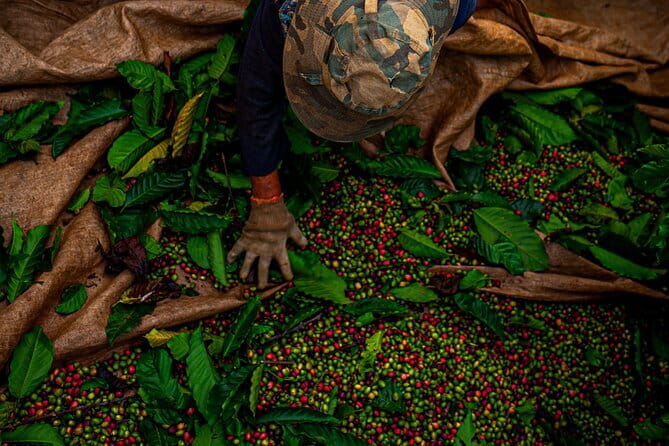
I would recommend it most strongly to people who enjoy food activities with a practical element. You get to handle ingredients, make drinks, assemble food, and sit down to taste the result. That is a better match for you if you want to understand how local dishes are made, not just photograph them.
Families with older children should also consider it. The class has worked well for 10 and 13-year-olds, and the step-by-step coffee format gives younger participants a clear role. Children may not enjoy every coffee flavor, but they can still take part in the process and Banh Mi assembly.
It suits first-time visitors to Da Nang who want an easy introduction to local food. You do not need prior cooking experience, special equipment, or advance knowledge. The host provides the ingredients and tools, and the class is designed to be easy to follow.
It may be less suitable if you want a full Vietnamese cooking curriculum. The focus is narrow: coffee and Banh Mi. You will not be learning a long menu of regional dishes from the information provided.
It is also not the best choice for someone who wants hotel-to-hotel convenience. Since there is no pickup or drop-off, you need to arrange your own transport in both directions.
Timing, group size, and cancellation details
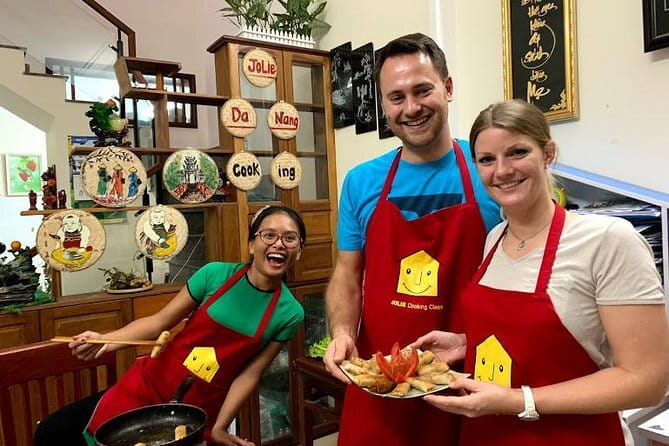
Plan for about three hours and 30 minutes from start to finish. That gives the class enough time to cover coffee, Banh Mi preparation, cultural explanation, and tasting without making the afternoon feel rushed.
The maximum group size is 12. The class is described as small-group, which should allow for active participation, though the exact number on your date can vary.
You can cancel for a full refund up to 24 hours before the start time. Changes or cancellations made less than 24 hours before the experience are not accepted for a refund, and the cutoff follows local Da Nang time.
The activity begins and ends at Jolie Cooking Class near Dragon Bridge. Keep the address available on your phone, especially if you are using a driver or public transportation.
My verdict: a good-value food lesson for an easy afternoon
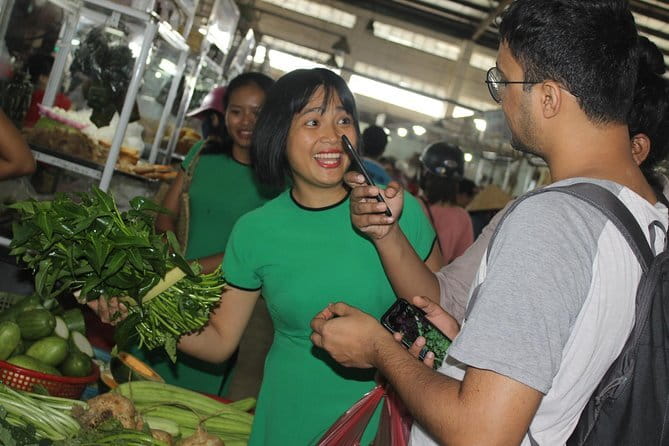
I would book this class if I wanted a relaxed introduction to Vietnamese coffee and Banh Mi, especially as part of a first visit to Da Nang. The $35 fee covers a meal, several drinks, ingredients, equipment, and instruction, so the value is solid for a three-and-a-half-hour activity.
The strongest reasons to choose it are the hands-on format, the chance to compare coconut and salted coffee, and the patient teaching style associated with Hanna. Families with older children should find it particularly workable.
Skip it if you want hotel pickup, a private kitchen lesson, or a wider menu of Vietnamese dishes. Otherwise, meet near Dragon Bridge, bring an appetite, and expect to leave with a better sense of why Vietnamese coffee and Banh Mi are such a useful pair.
FAQ
How long does the Da Nang Coffee Making and Banh Mi Class last?
The experience lasts approximately three hours and 30 minutes.
Where does the class meet?
The meeting point is Jolie Cooking Class at 14 An Trung Đông 6, An Hải Bắc, Sơn Trà, Da Nang 55000, Vietnam.
Where does the class end?
The activity ends back at the meeting point.
Is hotel pickup included?
No. Pickup and drop-off are not included.
What does the coffee portion include?
You take part in a Vietnamese coffee-making session, learn traditional local methods, and taste the coffee you prepare.
Will I make coconut coffee and salted coffee?
These coffee styles are specifically highlighted as part of the class experience, though the exact sequence and full menu can vary.
Do I make my own Banh Mi?
Yes. You prepare and assemble the fillings, then build your own Banh Mi using prepared bread.
Are ingredients and equipment provided?
Yes. The class includes the ingredients and cooking equipment needed for the coffee and Banh Mi activities.
How many people can join the class?
The maximum group size is 12 people.
Is the class suitable for children?
The class has been suitable for children aged 10 and 13, and the instructors were able to engage them in the coffee-making activities.
How much does the class cost?
The listed price is $35 per person.
Can I cancel for a full refund?
Yes. You can cancel at least 24 hours before the start time for a full refund. Cancellations or changes made less than 24 hours before the start time are not accepted for a refund.
Just added around Vietnam
- Vietnamese Coffee 101 Workshop★ 5.0 · 11 reviews
- Vietnamese Coffee Making Class in Hoi An★ 5.0 · 4 reviews
- Vietnamese cooking class and coffee making with local girl★ 5.0 · 5 reviews
- Vietnamese Egg Coffee Making Course in Hoi An★ 3.5 · 2 reviews
- Authentic Vietnamese Coffee Making Experience in Hoi An★ 5.0 · 13 reviews
- Hoi An Ancient Town and Coffee Making Course★ 5.0 · 4 reviews
- Hoi An Vietnamese Coffee Workshop: Hands-On Brewing Class★ 5.0 · 3 reviews
- Hoi An Coffee Making Workshop★ 5.0 · 7 reviews
Coffee Making Classes, compared.
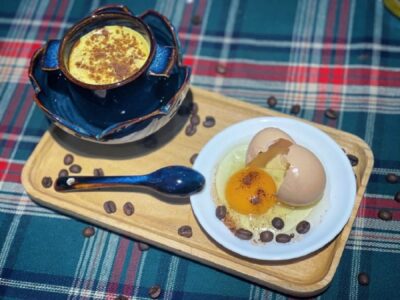
Vietnamese Coffee Culture and Coffee Making Class
Read our review →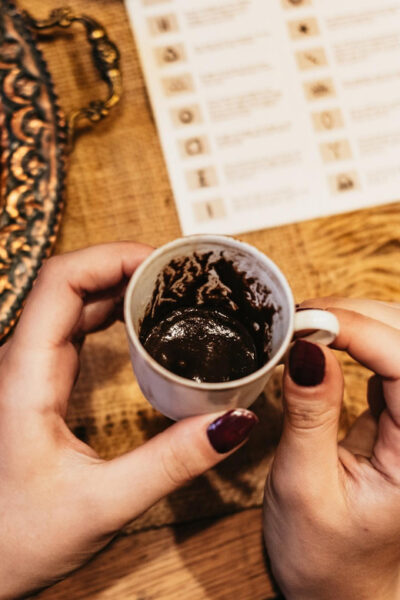
Turkish Coffee Making and Fortune Telling Workshop
Read our review →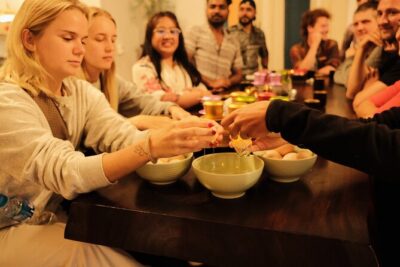
Hanoi Coffee Workshop: Taste Salt, Coconut and Egg Coffee
Read our review →
Salt Coffee Workshop Awake Your Senses With 6 Brews
Read our review →


Turkish Coffee Making and Fortune Telling Workshop
Read our review →Browse the lists this tour appears in