
Review · DA NANG
Da Nang: Coffee Making And Cooking Class
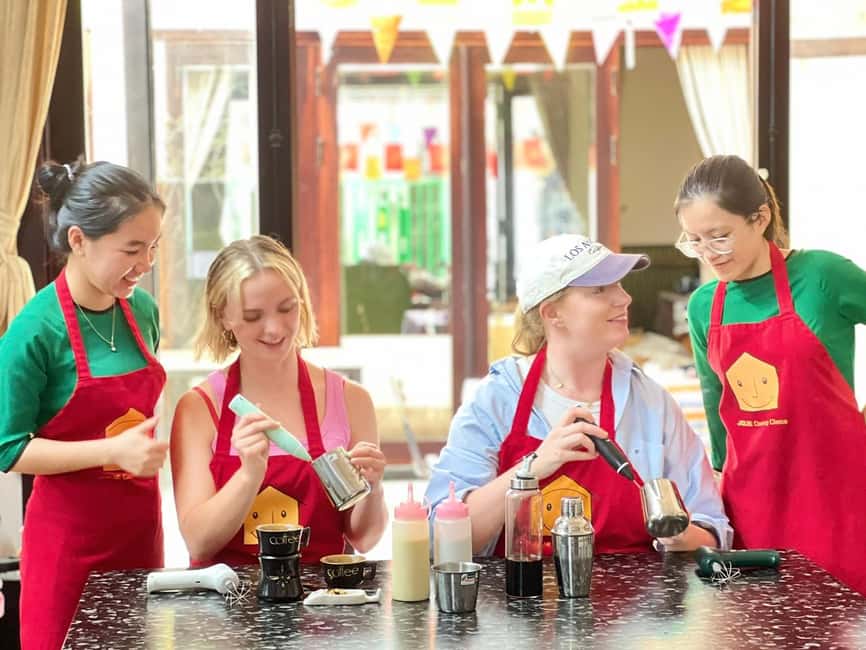
Da Nang’s coffee culture gets the spotlight here, with phin-brewed coffee followed by egg, salt, and coconut versions. Then the focus shifts to the kitchen, where you chop ingredients and prepare four traditional dishes before sitting down to eat them. I like the slow pace and the chance to understand why Robusta beans and the little metal phin matter. I also like the small-group format, which gives Rosie, Nhan, Kate, or Hannah time to help when a recipe goes wrong. The main drawback is the caffeine load: three or four coffees in one sitting can be a lot, so this is not ideal for people with heart problems or anyone sensitive to caffeine.
I especially like that the class is practical rather than just a tasting. You make each coffee yourself, cook the food from the first chop onward, and finish with a relaxed meal. Bring a camera, wear comfortable clothes, and eat a light breakfast first, since the class can leave you full as well as highly caffeinated.
Key points at a glance
- Four coffee styles in one class: Learn phin brewing, then make egg coffee, salt coffee, coconut coffee, and another coffee preparation.
- A hands-on kitchen session: Prepare four Da Nang dishes yourself, including chopping the ingredients.
- A useful location: Jolie Cooking Class is at 14 An Trung Dong 6, near Dragon Bridge.
- Small-group teaching: The format allows personal help, including patient guidance if a coffee or dish does not go perfectly.
- Two daily start times: Choose 8:30 AM or 2:00 PM, with the full session lasting about 4.5 hours.
- A social finish: Eat what you cook, and play guitar or piano if you can.
Why the coffee lesson matters in Da Nang
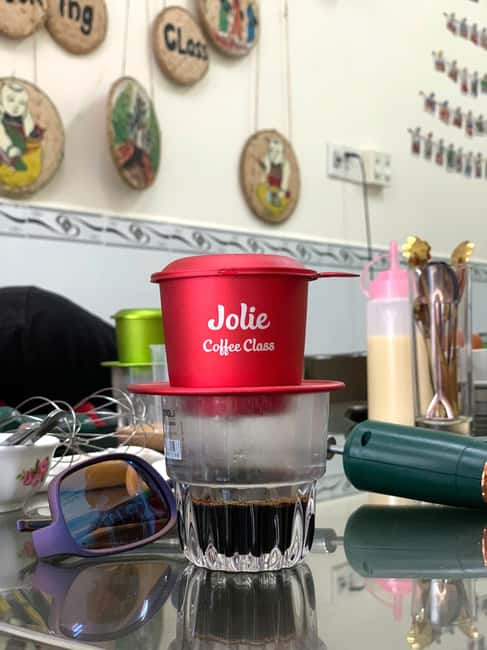
Vietnamese coffee is not simply strong coffee poured over ice. The method, beans, and setting all shape the drink. At Jolie Cooking Class, you begin with the role of Robusta beans, the variety closely linked with the country’s bold coffee style, and learn how the traditional phin filter controls the brew.
A phin is a small metal filter that sits directly over your cup. Water passes slowly through compacted coffee grounds, creating the unhurried ritual you see in local cafés. You are not just shown a finished drink. You handle the equipment and repeat the process, which makes the lesson easier to remember when you return home.
That slow brewing is one of the best reasons to book this class. A quick café order can give you a delicious drink, but it tells you little about how Vietnamese coffee is made. Here, you get the story behind the method and the chance to watch the coffee drip at its own pace.
The class also explains the place of coffee in Da Nang’s café culture. The information is presented in English, and the guides are expected to explain both the practical steps and the traditions behind each drink. Rosie is named as one of the principal guides, while Nhan, Kate, and Hannah are also associated with the teaching team. The descriptions of the guides point to a friendly, patient approach, which matters when you are working with unfamiliar tools.
More Coffee Making Classes in Vietnam
- Hoi An: Vietnamese Coffee Culture and Coffee Making Class
★ 4.9 · 4,006 reviews - Hanoi Coffee Workshop: Taste Salt, Coconut and Egg Coffee
★ 5.0 · 1,286 reviews - Hanoi: Salt Coffee Workshop Awake Your Senses With 6 Brews
★ 5.0 · 792 reviews
Egg, salt, and coconut coffee
The tasting section covers three of Vietnam’s most recognizable specialty coffees: egg coffee, salt coffee, and coconut coffee. Each one changes the basic coffee in a different way, so the class works well if you want more than a standard cup.
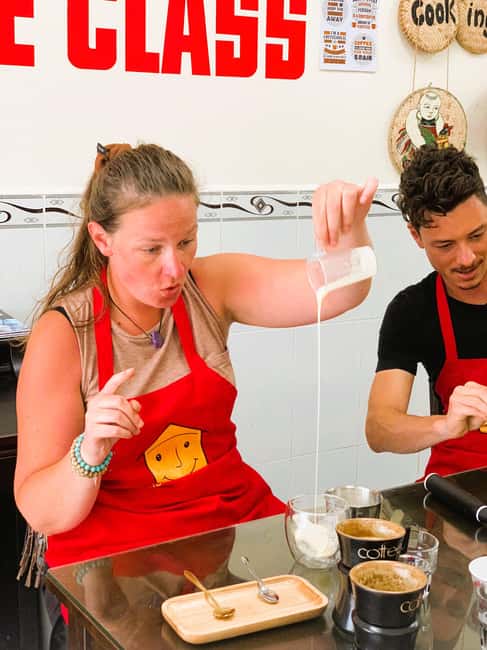
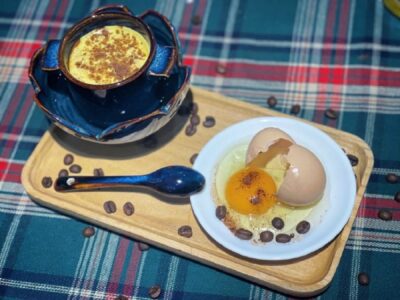
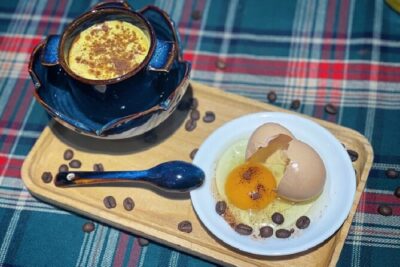
Egg coffee is the most unusual preparation for many first-time visitors. The egg mixture adds a creamy, dessert-like character, and the lesson gives you the chance to make it rather than simply taste it. If you are nervous about getting the texture right, the small class size helps. One participant even received another egg after a first attempt went wrong, a good sign for anyone who does not regard themselves as a natural cook.
Salt coffee shows how a small savory addition can alter a strong coffee. It is associated especially with central Vietnam and offers a useful lesson in balance. You can compare the bitterness of the coffee with the salted cream and decide how the flavors work together.
Coconut coffee brings a cooler, sweeter style into the lineup. The exact preparation may depend on the class setup, but the key point is that you prepare and taste the drink yourself. Having three distinct styles side by side gives you a better feel for the range of Vietnamese coffee than ordering one familiar drink at a café.
A fourth coffee is also prepared during the workshop. The schedule and available information name the three signature styles, while the detailed experience descriptions refer to four coffees. If you want the precise fourth recipe before booking, ask Jolie Cooking Class directly.
The 8:30 AM morning schedule
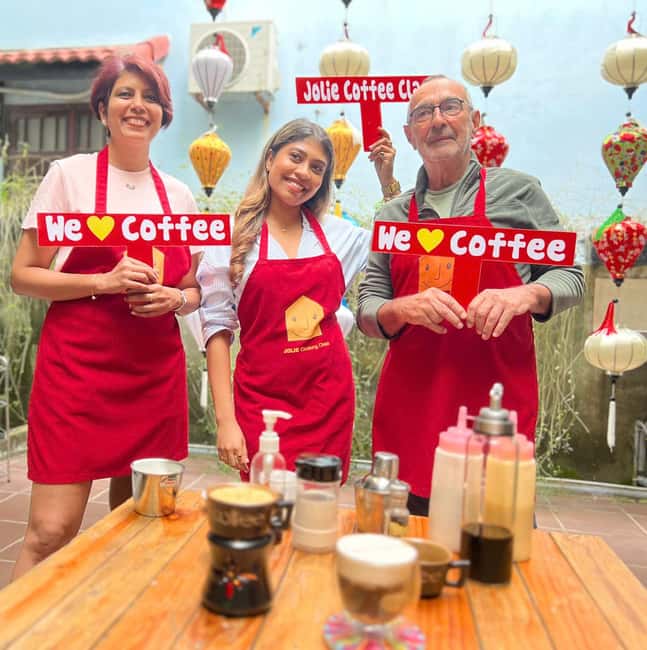
The morning class begins at 8:30 AM at Jolie Cooking Class, 14 An Trung Dong 6, near Dragon Bridge. Starting in the morning makes sense if you want coffee and food to serve as a combined breakfast and lunch, though you should not arrive on a completely empty stomach if caffeine affects you strongly.
At about 8:45 AM, the coffee work begins. You first learn about Vietnamese coffee culture and then move into phin brewing. The session includes a local snack, which gives you something to eat before the coffee tasting starts.
The first part lasts until roughly 10:30 AM. That gives you enough time to prepare and taste the different coffees without treating the class as a rushed demonstration. You can ask questions as you work, and the guide can correct small mistakes before you move on to the next drink.
At 10:30 AM, the cooking portion begins. You prepare four traditional Da Nang dishes, working from the ingredients rather than simply watching someone cook. The available information does not name the dishes, so do not book this class expecting a specific menu unless Jolie confirms it in advance.
By about 1:00 PM, you sit down to eat the meal you prepared. This is a satisfying end to the morning session, especially because you have taken part in the chopping and cooking. There is also time to play guitar or piano if you can, adding an informal note before you return to your accommodation.
The 2:00 PM afternoon schedule
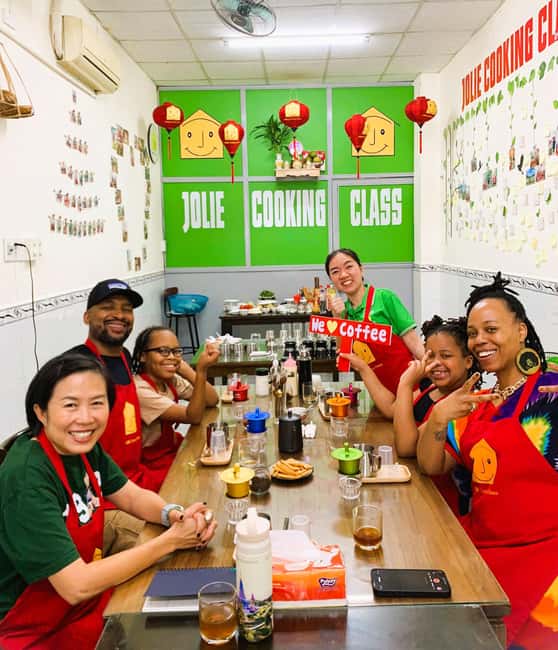
The afternoon option follows the same structure. You meet at 2:00 PM, have a local snack, and begin the coffee lesson at about 2:15 PM. The phin brewing and coffee tasting continue until approximately 4:00 PM.
The cooking session then takes over. You work through four dishes and eat the results at about 6:30 PM. In practical terms, the afternoon class functions as a late lunch and dinner activity, so plan the rest of your day around a substantial meal.
I would choose the afternoon if you prefer a slower start or already have morning plans in Da Nang. The morning option is better if you want to free the evening for the riverfront or other sightseeing. Neither schedule is a quick drop-in activity. Four and a half hours is long enough to feel like a proper workshop, but it may be too much if you only want a short coffee tasting.
Same place, a different way to drink it:
- Hanoi Coffee Experience: 6 Brews, 9 Recipes & 3 Liquor Tastings
★ 5.0 · 2,945 reviews - Early Morning My Son Sanctuary Trip w. Champa Food & Coffee
★ 5.0 · 629 reviews - Da Nang Coffee Making Workshop
★ 4.9 · 543 reviews - Hanoi: Master the Art of 4-6 Signature Vietnameses Coffees
★ 5.0 · 517 reviews
From chopping board to finished meal
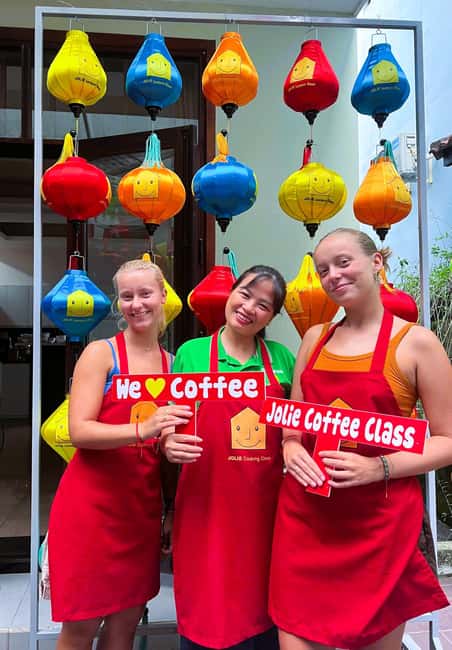
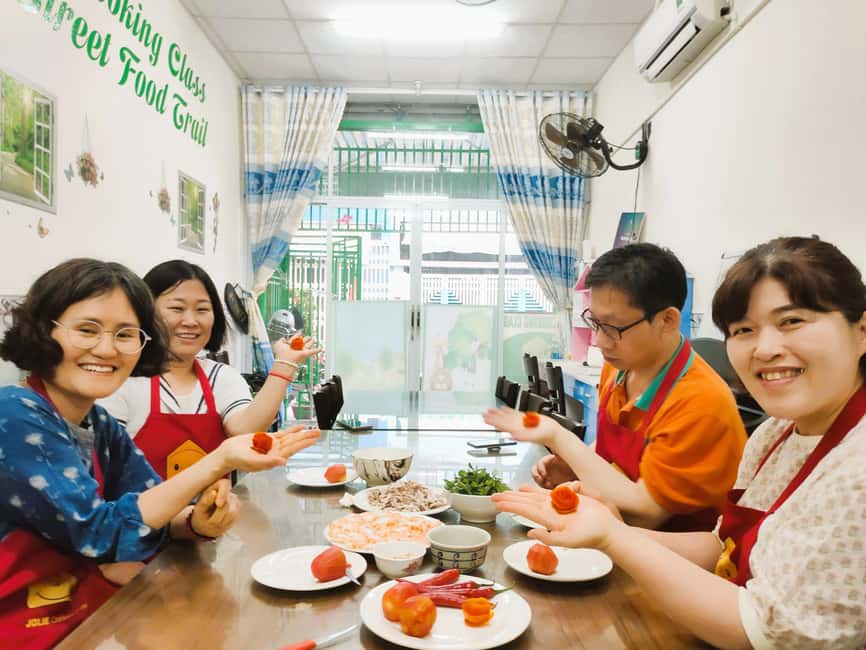
The cooking class is valuable because you take part in the basic work. One detailed account describes making four dishes all the way through chopping the ingredients. That matters if you want skills you can repeat at home, rather than a polished cooking show where the hard work happens out of sight.
The setting is described as welcoming and home-style. I would expect the focus to be on participation and shared food, not on a formal culinary qualification. The class suits beginners because the guides are there to explain the process and help with technique. It also suits experienced home cooks who want a closer look at Da Nang-style food preparation.
The menu is the one point where you should keep expectations flexible. The class promises traditional Da Nang dishes and four preparations, but no dish names are supplied. If you have allergies, dietary restrictions, or strong dislikes, ask about the ingredients before paying.
Once the cooking is done, you eat the food you made. This gives the final hour a clear purpose and lets you judge the results for yourself. It also makes the class more social than a coffee-only workshop, since everyone has contributed to a shared meal.
Small-group teaching and the guides
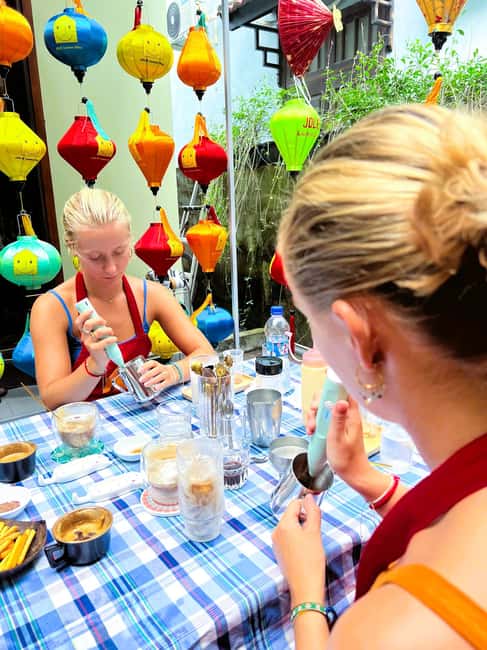
A small group can make a real difference in a hands-on class. Coffee preparation has several points where a little coaching helps: how much coffee to use, how to position the phin, how long to let it drip, and how to prepare the toppings or mixtures. Cooking brings its own questions, especially when chopping and combining ingredients.
Rosie is repeatedly singled out by name in the supplied material, with praise for her enthusiasm, humor, and explanations of Vietnamese coffee culture. Nhan, Kate, and Hannah are also named as English-speaking guides. You may not have all four present, but the teaching team is presented as comfortable working in English.
The class is suitable for children, and the activity is wheelchair accessible. Still, coffee tasting requires sensible judgment. The organizers recommend that you avoid consuming too much caffeine before arrival, and people with heart problems should not book it.
Is $50 a fair price?
At $50 per person, this is not the cheapest way to drink Vietnamese coffee in Da Nang. A café visit costs far less, and you can order egg, coconut, or salt coffee without spending half a day in a class.
The value comes from what is included beyond the drinks. You receive instruction on Vietnamese coffee culture, hands-on use of the phin, several coffee preparations, a local snack, a four-dish cooking lesson, and the meal you make. The session lasts 4.5 hours, so the price covers a substantial portion of your day.
I see the strongest value for people who would otherwise book both a coffee workshop and a cooking class. Combining them saves you from arranging two separate activities and gives the day a natural flow from drink preparation to food preparation.
The price is less convincing if you dislike caffeine, rarely cook, or want to spend your limited Da Nang time outdoors. You are paying for participation, teaching, and food, not simply for a meal or a coffee flight.
Location, clothing, and practical planning
The meeting point is Jolie Cooking Class, 14 An Trung Dong 6, Da Nang, near Dragon Bridge. The listed coordinates are 16.059999465942383, 108.23539733886719, which can help if you are using a map app.
Wear comfortable clothing. You will be handling coffee and food, moving through a kitchen session, and spending several hours at the class. Bring a camera if you want photographs of the drinks, ingredients, and finished dishes.
Eat a light breakfast before the morning class, or a modest meal before the afternoon class. The organizers specifically warn against too much caffeine beforehand, and the coffee tasting itself can add up quickly. At the same time, do not arrive overfull, since the cooking session ends with a full meal.
The activity is offered in English. Free cancellation is available up to 24 hours before the start for a full refund, and you can reserve now and pay later. Those terms are useful if your Da Nang schedule is still changing.
Who will enjoy this class most?
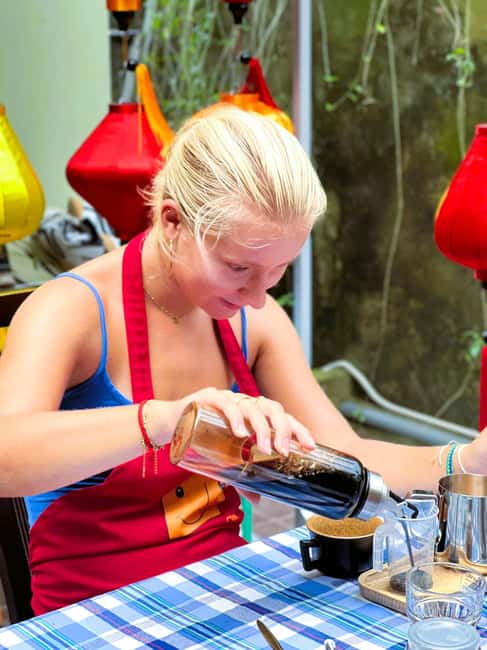
I would recommend it to first-time visitors who want an activity that connects food and local culture. You learn how a familiar drink is made, then move into the cooking traditions that give Da Nang its own character.
It is also a good choice for coffee enthusiasts. The class does not stop at a generic Vietnamese iced coffee. You compare egg, salt, coconut, and another preparation while learning the role of Robusta beans and the phin.
Families can consider it too, since children are welcome and the format is hands-on. Parents should still think about the caffeine issue and make sure younger participants are comfortable with the food preparation.
Couples, friends, and solo visitors can all fit the format. A small group makes it easier to ask questions, and the final meal gives you a natural chance to talk with others. If you are looking for a quiet, independent café morning, though, this is not the right activity. It is structured, social, and several hours long.
Should you book Jolie Cooking Class?
Book it if you want to understand Vietnamese coffee rather than simply photograph it, and if you like the idea of preparing a full meal after the tasting. The strongest reasons are the phin lesson, the three distinctive coffee styles, the four-dish cooking session, and the patient English-language instruction associated with Rosie and the wider team.
Skip it if caffeine is a concern, if you have heart problems, or if your Da Nang schedule cannot spare 4.5 hours. Also ask about the exact cooking menu before booking if specific dishes matter to you.
For most food-focused visitors, $50 is reasonable because the class combines two popular Vietnamese activities and ends with food you prepared yourself. Choose the morning for a coffee-to-lunch outing, or the afternoon for a relaxed coffee-to-dinner plan near Dragon Bridge.
FAQ
Where does the coffee and cooking class meet?
The class meets at Jolie Cooking Class, 14 An Trung Dong 6, Da Nang, near Dragon Bridge. The listed coordinates are 16.059999465942383, 108.23539733886719.
How long does the activity last?
The full experience lasts 4.5 hours. The morning session runs from about 8:30 AM to 1:00 PM, while the afternoon session runs from about 2:00 PM to 6:30 PM.
What types of Vietnamese coffee will I make?
You will learn phin brewing and prepare egg coffee, salt coffee, and coconut coffee. The detailed schedule also refers to a fourth coffee preparation, but its name is not specified.
What happens during the cooking section?
You learn to cook four traditional Da Nang dishes, including preparing and chopping the ingredients yourself. You then eat the food you made.
Is the class taught in English?
Yes. English is the listed language for the instructor, and the named guides include Rosie, Nhan, Kate, and Hannah.
Can I cancel or pay later?
You can cancel up to 24 hours in advance for a full refund. Reserve now and pay later is also available.
More Cooking Classes in Vietnam
- Da Nang Cooking Class with Coffee Tasting and Market Visit
★ 5.0 · 310 reviews - Hanoi Cooking Class: Pho/Bun Cha/Banh Xeo…+Free Egg/Salt Coffee
★ 5.0 · 267 reviews - Vietnamese Bread & Brew: Banh Mi Baking Class & Specialty Coffee
★ 5.0 · 76 reviews - 1 hour Egg Coffee Cooking Class with Snack and Local Instructor
★ 5.0 · 72 reviews
Just added around Vietnam
- Vietnamese Coffee 101 Workshop★ 5.0 · 11 reviews
- Vietnamese Coffee Making Class in Hoi An★ 5.0 · 4 reviews
- Vietnamese cooking class and coffee making with local girl★ 5.0 · 5 reviews
- Vietnamese Egg Coffee Making Course in Hoi An★ 3.5 · 2 reviews
- Authentic Vietnamese Coffee Making Experience in Hoi An★ 5.0 · 13 reviews
- Hoi An Ancient Town and Coffee Making Course★ 5.0 · 4 reviews
- Hoi An Vietnamese Coffee Workshop: Hands-On Brewing Class★ 5.0 · 3 reviews
- Hoi An Coffee Making Workshop★ 5.0 · 7 reviews
Coffee Making Classes, compared.
Vietnamese Coffee Culture and Coffee Making Class
Read our review →
Turkish Coffee Making and Fortune Telling Workshop
Read our review →
Hanoi Coffee Workshop: Taste Salt, Coconut and Egg Coffee
Read our review →
Salt Coffee Workshop Awake Your Senses With 6 Brews
Read our review →

Turkish Coffee Making and Fortune Telling Workshop
Read our review →Browse the lists this tour appears in