
Review · GERMANY
Espresso Kurs im Johann Jacobs Haus in Bremen
The best part of this Bremen coffee class is the hands-on work. You do not simply watch a barista pull a shot and explain the theory. You learn how the bean, roast, grinder, machine, and milk foam all affect the drink in your cup. I especially like the focus on practical espresso skills and the chance to practice fine milk foam until you can pour a heart on a cappuccino. The German-speaking instruction and small group of no more than eight make it easier to ask questions and get time at the machine.
The main drawback is clear: the class is taught in German, so you need enough German to follow technical explanations. At $152 per person, it is also a serious coffee purchase, not a casual tasting. You get 210 minutes of instruction and practice, but the value depends on how much you want to make better coffee at home.
Key Points
- Three and a half hours of practice: The 210-minute class gives you time to work with espresso, grinder settings, machine operation, and milk foam.
- A small group of eight: The limited size should allow more hands-on time and more direct help from the instructor.
- Coffee from bean to cup: You cover the bean, its origin, roasting, grinding, extraction, and milk preparation.
- Heart-shaped cappuccino foam: The final skill is fine, velvety foam that you can pour into a heart.
- Useful take-home material: A handout gives you key information to use after the class, and you can receive a participation certificate.
- German instruction: The course is conducted in German at the Johann Jacobs Haus Heritage Store in Bremen.
What You Actually Learn in 210 Minutes
This is a focused espresso workshop rather than a general coffee sampling. The goal is to help you prepare specialty coffee at home at barista quality, and the class covers the steps that make that possible.
You begin with the raw material: the coffee bean. The course includes information about the bean, its origin, and the roast. That matters because espresso does not start with the machine. The taste in your cup is shaped long before you adjust a grinder or press a button.
The roast gives you another useful piece of the puzzle. You learn why the coffee you buy behaves the way it does and how that affects preparation. The course does not treat espresso as a mysterious café trick. Instead, it links the bean and roast to the practical work you do at the machine.
From there, the instruction moves toward grinding and extraction. You learn what matters when adjusting the grinder, a key skill for anyone who wants repeatable espresso at home. A poor grind setting can leave you with a disappointing shot even when you have good beans and a capable machine.
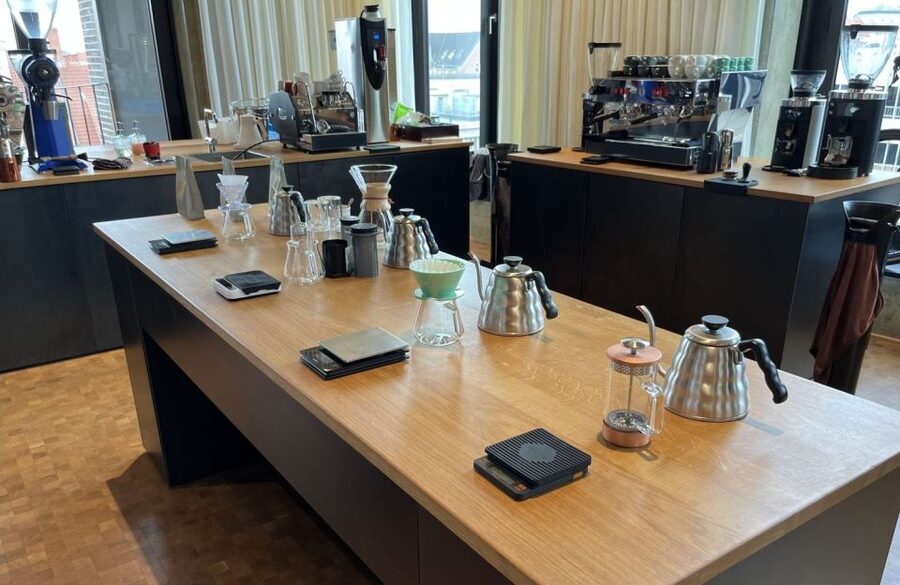
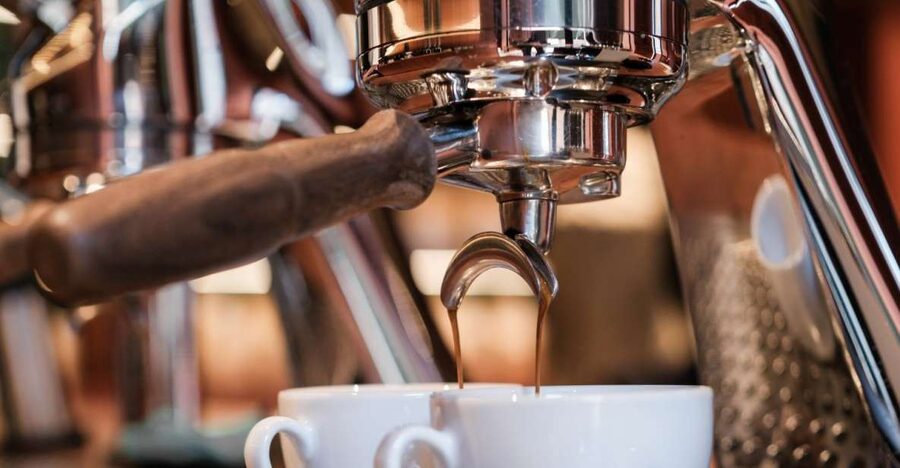
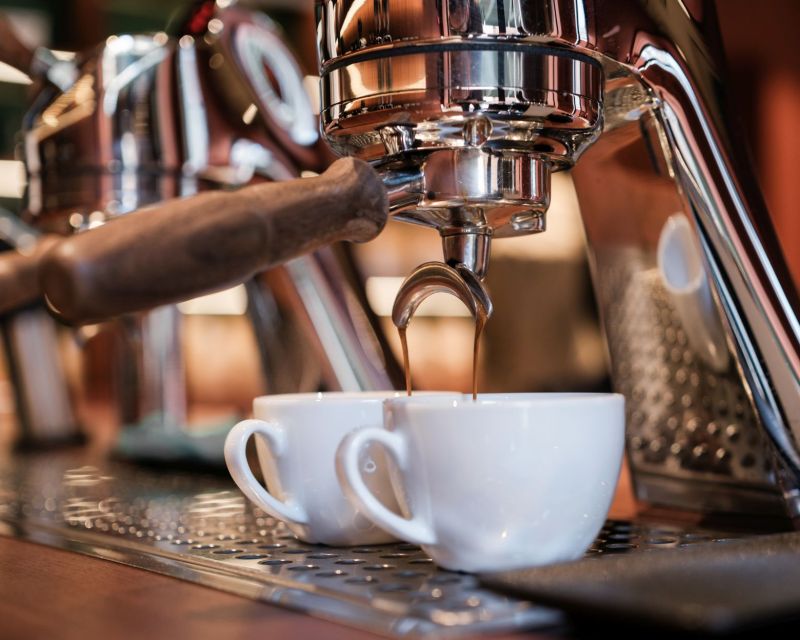
The class also covers operation of the espresso machine. You practice the process rather than only hearing about it. That hands-on approach is important because small changes in grind adjustment and machine use can change the result quickly.
The final major skill is milk foam. You work toward fine, velvety foam that is suitable for a cappuccino and can be shaped into a heart. This is not just decoration. The texture of the milk changes how the drink feels and how easily you can pour a pattern.
The course includes water, espresso, milk, and milk alternatives. That gives you the basic materials needed for the exercises without requiring you to bring supplies. If you prefer a milk alternative, this is worth noting before you book, since it is specifically included.
A few more coffee tours around the world worth a look
- Hoi An: Vietnamese Coffee Culture and Coffee Making Class
★ 4.9 · 4,006 reviews - Hanoi Coffee Experience: 6 Brews, 9 Recipes & 3 Liquor Tastings
★ 5.0 · 2,945 reviews - 4×4 Dominican Adventure with Chocolate and Coffee Tasting
★ 5.0 · 2,920 reviews
From Bean Origin to Grinder Adjustment
The coffee background is useful because it gives meaning to the practical work. You learn about the bean and its origin, then connect that information to the roast and the final espresso.
I like this structure because it helps you understand the whole chain. If you only learn how to operate a machine, you may follow a recipe without knowing why it works. If you only learn coffee history and terminology, you may leave without being able to make a better drink. Here, the theory points toward a task you can perform yourself.
Grinder adjustment is one of the most useful subjects for home preparation. Espresso is sensitive to the grind, and a small change can affect the shot. The course shows you what to consider when setting the grinder instead of treating the correct setting as a fixed number that works forever.
That is a valuable lesson for your own kitchen. Coffee beans change as they age, and different beans may need different settings, but the supplied information does not promise a particular recipe or machine model. You should expect general principles and guided practice, not a single setting you can copy at home without adjustment.
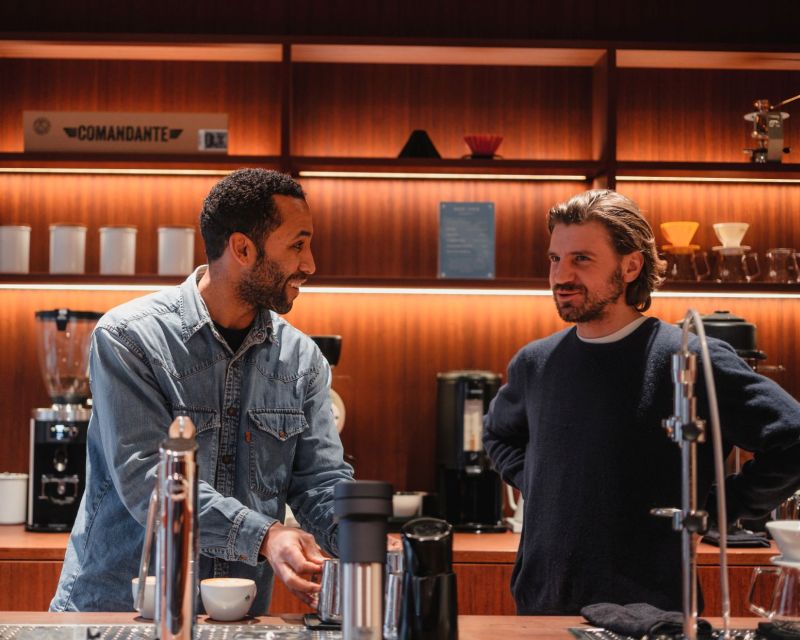
The small group matters here. With a maximum of eight participants, you are not sharing a large demonstration room with dozens of people. The format is better suited to asking a specific question and getting help as you work through the process.
Getting Hands-On With the Espresso Machine
The course is built around using the espresso machine. You learn how to operate it and how to bring together the grinder and machine for a better result.
This part should appeal most to people who already enjoy coffee at home but feel that their espresso is inconsistent. You may understand the basic controls and still not know what to change when the cup tastes wrong. A guided session gives you a chance to connect the adjustment on the grinder with what happens during preparation.
The practical work is also the feature most strongly emphasized by the available feedback. One participant, Pauline from Germany, particularly valued how much of the class involved trying the process herself. That is a useful clue about the character of the session: expect to work, not simply sit through a lecture.
Because the class lasts 210 minutes, there is room for more than a quick demonstration. Still, the exact number of drinks or practice rounds is not specified, so you should not book expecting unlimited espresso. The stated aim is skill-building, with enough practical work to help you prepare coffee at home.
The course is conducted in German. If your German is limited, the technical vocabulary may be the hardest part. The class includes a handout, which should help you keep the main points after the session, but the provided details do not say that instruction is offered in another language.
Learning to Pour a Heart in Milk Foam
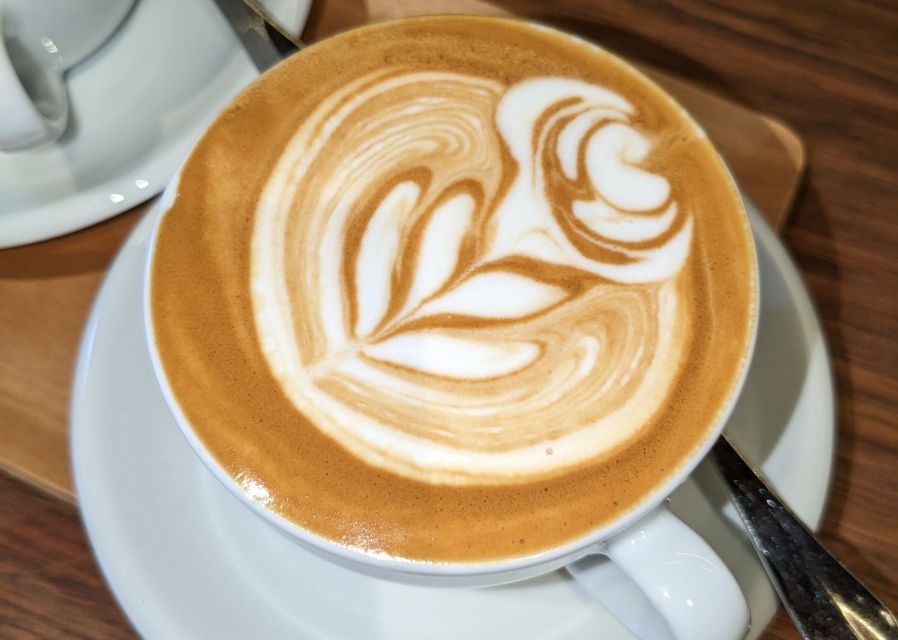
The milk section gives the course a satisfying visual goal. You learn to create fine, velvety foam and pour a heart on top of a cappuccino.
The heart is a nice target because it forces you to pay attention to texture and pouring control. You need foam that is smooth enough to flow, not stiff bubbles that sit on the surface. The course presents this as a practical skill, so you are not only shown the finished pattern.
I would treat the heart as a bonus skill rather than the sole reason to book. A good pattern is pleasing, but the texture of the foam matters more for the drink. If you leave knowing how to make milk feel smooth and integrated with espresso, you have gained something useful even if your first heart is uneven.
Milk alternatives are included along with regular milk. That makes the class more useful for people who do not always use dairy, though the information does not specify which alternatives are available. You can expect the course to provide milk and alternatives for the practice rather than having to bring your own.
The class also includes espresso and water. These inclusions keep the session simple on the day. You can focus on the technique instead of arranging the ingredients yourself.
Same place, a different way to drink it:
- Rome Morning Vespa Sidecar Tour in Rome with Cappuccino
★ 5.0 · 1,771 reviews - Giethoorn: Village & National Park Canal Cruise with Coffee
★ 4.6 · 1,596 reviews - Dresden: Guided City Walk with a Cup of Coffee
★ 4.7 · 1,568 reviews - 4×4 ATV Experience, Water Cave, Chocolate and Coffee Tasting
★ 5.0 · 1,430 reviews
Meeting at the Johann Jacobs Haus Heritage Store
You meet at the counter in the Johann Jacobs Haus Heritage Store. Follow the instruction to report there when you arrive, rather than looking for a separate classroom or waiting elsewhere.
The experience takes place in Bremen, in Northern Germany. The supplied details identify the venue but do not describe parking, public transport, the room, or nearby attractions, so you should check your route before the class.
The meeting point is especially important because the venue is a store. The counter is your first stop, and that should make check-in straightforward. Arriving with enough time to find the Heritage Store is sensible, since the workshop itself is hands-on and you will want to start ready to listen and practice.
The activity is led in German by a professional instructor from Johann Jacobs Haus. No individual instructor name is provided, so you should not expect to choose a particular teacher when booking.
Is $152 a Fair Price?
At $152 per person, this is not an inexpensive way to spend an afternoon in Bremen. The price makes more sense if you are actively interested in espresso and want guided practice that you can use at home.
You receive a 210-minute class, espresso, water, milk and milk alternatives, a handout, and the chance to receive a participation certificate. The small group, capped at eight people, also supports the price because the format should provide more personal practice than a large public demonstration.
The strongest value is the instruction. You cover several connected skills: bean and roast basics, grinder adjustment, machine operation, espresso preparation, milk texture, and a heart-shaped pour. If you have been considering an espresso machine or already own one but cannot get consistent results, the class may save you a long period of guesswork.
The value is weaker if you only want to sample coffee or watch someone prepare it. This is a lesson, not a café visit. You need to be willing to listen, practice, and work in German.
You can reserve now and pay later, which gives you some flexibility when making the booking. Free cancellation is available up to 24 hours before the class for a full refund. Check the available starting times before committing, since the 210-minute duration does not come with one fixed start time in the provided information.
Who Will Get the Most From This Class?
I would recommend this class to a home coffee drinker who wants to understand why espresso changes from one attempt to the next. It also suits someone preparing to buy an espresso machine and hoping to build sound habits before relying on it every morning.
It is a good fit if you enjoy learning by doing. Pauline’s feedback points to the practical work as the most satisfying part, and that matches the structure of the course. You will get more from it if you want to adjust the grinder yourself, operate the machine, and practice the foam rather than simply collect facts.
The class may also suit a coffee-minded couple or friends looking for a shared activity in Bremen. With only eight participants, it has a personal scale without being a private lesson.
I would be cautious if you do not understand German well. The available information lists German as the language, with no alternative language offered. I would also think twice if $152 is outside your budget or if you are looking for a short, low-cost activity between sightseeing stops.
What You Take Home
The main thing you take home is a set of espresso skills. You learn how to think about the bean and roast, adjust the grinder, operate the machine, and prepare milk foam with a smoother texture.
A handout provides the key information for later reference. That matters because coffee preparation involves several small decisions, and it is easy to forget a setting or sequence after one class.
You can also receive a participation certificate from the Johann Jacobs Haus at the end. It is not a professional qualification, but it gives the session a clear finish and may be a pleasant extra if you enjoy keeping a record of workshops.
The course does not state that you receive coffee beans, equipment, recipes, or a machine to take home. Book it for the instruction and practice, not for a package of physical products.
Should You Book the Johann Jacobs Haus Espresso Course?
Book it if you want a serious, practice-based introduction to espresso and can follow German instruction. The strongest reasons are the small group, the long 210-minute format, and the direct work with grinder adjustment, machine operation, and milk foam.
Skip it if you want a quick tasting, a sightseeing stop, or an English-language class. At $152, you should care about making better coffee after you leave. For the right coffee drinker, the chance to move from bean to grinder to espresso to a heart-topped cappuccino makes this a focused and useful Bremen activity.
FAQ
Where does the espresso course take place?
The course takes place at the Johann Jacobs Haus Heritage Store in Bremen, Northern Germany.
Where should I go when I arrive?
Report to the counter in the Johann Jacobs Haus Heritage Store.
How long does the course last?
The course lasts 210 minutes, or three and a half hours.
What language is the class taught in?
The instructor teaches the course in German.
How many people can join the class?
The group is limited to eight participants.
What coffee skills are covered?
You learn about the coffee bean and its origin, roasting, grinder adjustment, espresso-machine operation, espresso preparation, and milk foam.
Are milk alternatives available?
Yes. Milk and milk alternatives are included, along with water and espresso.
Is a certificate available?
You can receive a participation certificate from the Johann Jacobs Haus at the end of the course.
Can I cancel for a full refund?
Yes. You can cancel up to 24 hours in advance for a full refund.
Just added around the world
- Yerevan: Private Coffee Tour with 2 Café Stops★ 5.0 · 2 reviews
- Vietnamese cooking class and coffee making with local girl★ 5.0 · 5 reviews
- Vietnamese Coffee 101 Workshop★ 5.0 · 11 reviews
- Vietnamese Coffee Making Class in Hoi An★ 5.0 · 4 reviews
- Venice Delights: Coffee & Food Experience Walking Tour★ 5.0 · 2 reviews
- Private Vienna Tour: Literature Walk with Coffee House Visit★ 5.0 · 2 reviews
- Turin: Art Nouveau Walking Tour with Coffee★ 5.0 · 11 reviews
- Turkish Coffee and Traditional Turkish Dessert Cooking★ 4.6 · 8 reviews
Germany Coffee Tours, compared.

Sylt: Boat tour – afternoon cruise | coffee & cake available
Read our review →
Rüdesheim: City tour with music, wine, and Rüdesheim coffee
Read our review →
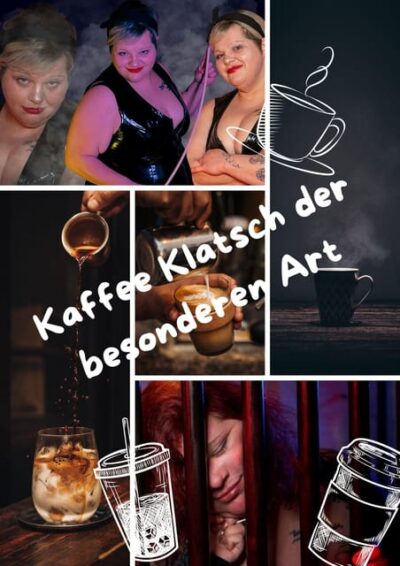
St. Pauli coffee klatch with ex dominatrix – perfect in rainy weather
Read our review →Browse the lists this tour appears in