Review · HANOI
Private Hanoi Historical Walking and Coffee Making Class
Hanoi’s old craft streets are the main event here. You move through lanes devoted to silver, sweets, herbal medicine, blacksmithing, and worship goods, then sit down to make two of Vietnam’s most distinctive coffees. The walk connects daily trade with local tradition, rather than treating the Old Quarter as a backdrop for quick photos.
I like two things in particular. First, the route focuses on working crafts and customs, not only famous buildings. Second, the coffee class gives you something to do with your hands, including making your own creamy egg coffee. The LGBTQ+-friendly cafe also supports local LGBT-owned businesses, which adds a welcome social purpose.
The main consideration is pace. Three and a half hours on foot through narrow Old Quarter lanes can feel long in heat, rain, or heavy street traffic. The tour requires good weather, and you should be ready for a walking experience rather than a relaxed cafe outing.
Key points to know before booking
- Five traditional trades in one Old Quarter walk: See the areas linked with silver making, sweets, herbal medicine, blacksmithing, and ceremonial goods.
- A hands-on coffee finish: Make filtered coffee and Hanoi-style egg coffee instead of simply ordering a cup.
- Private for your group: You do not share the activity with other groups, which can make questions and conversation easier.
- A local LGBT-owned business connection: The final cafe supports greater inclusion and diversity in Hanoi’s tourism scene.
- Three and a half hours for $35: The price covers the local expert, coffee class, and bottled water, with pickup offered.
- Best for culture-focused visitors: You will get more from this if craft, food customs, and neighborhood history interest you more than major monuments.
Starting at Kim Ngan Communal House on Hang Bac Street
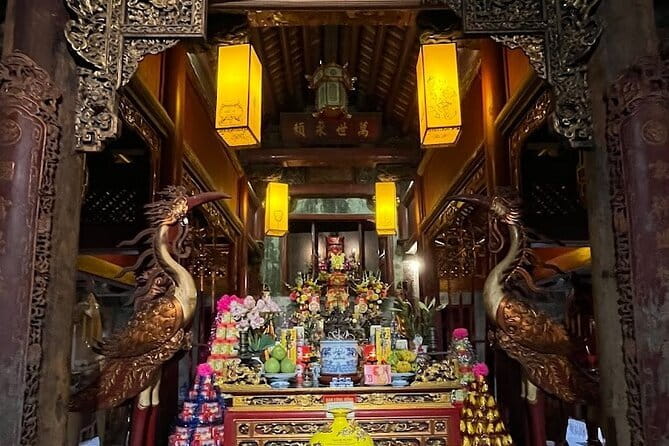
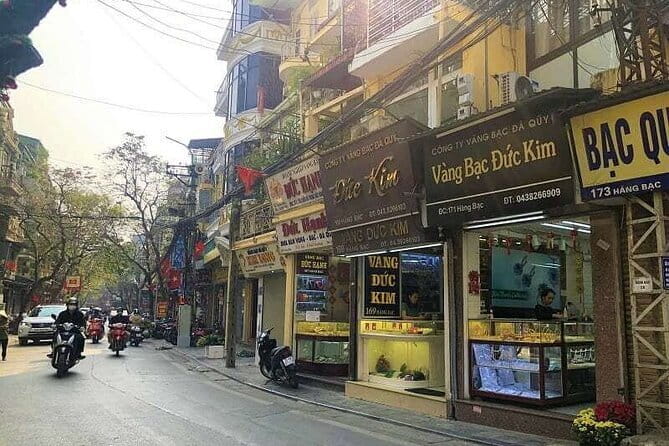
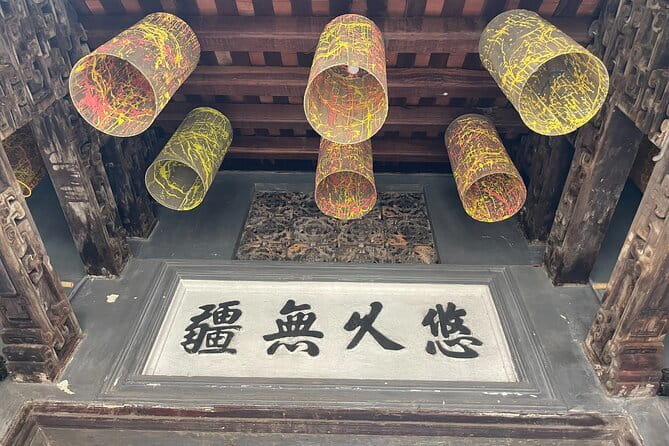
The walk begins at Kim Ngan Communal House on Hang Bac Street, a useful place to start because the street is tied to Hanoi’s long silver-making tradition. Here, you learn how generations of artisans worked with silver and how the craft shaped the identity of this part of the Old Quarter.
This first stop gives you a better way to read Hanoi’s narrow streets. A lane may look like a line of shops, wires, scooters, and old facades, but its name and trade often point to a much older purpose. The guide helps connect the modern street to the craft that gave it meaning.
You should not expect a full silversmithing workshop. The focus is on the techniques and artistry behind silverware, along with the story of the trade. That makes this stop more useful for understanding place than for producing a souvenir.
Because the experience is private, you can ask for more explanation if the craft interests you. You can also keep the pace focused on your group, within the fixed time available. No guide name is provided in the tour details, but a local expert leads the experience.
More Coffee Making Classes in Hanoi
- Hanoi Coffee Workshop: Taste Salt, Coconut and Egg Coffee
★ 5.0 · 1,286 reviews - Hanoi: Salt Coffee Workshop Awake Your Senses With 6 Brews
★ 5.0 · 792 reviews - Hanoi: Vietnamese Coffee Workshop with 6 Brews and 8 Recipes
★ 5.0 · 237 reviews
Following Hang Buom Street, Hanoi’s Candy Street
From Hang Bac, the route passes along Hang Buom Street, known here as Candy Street. The displays of Vietnamese sweets and candies add a quick change of mood after the craft discussion. Instead of looking only at old architecture, you get a sense of the food trade that still gives the Old Quarter its color.
You may have the chance to sample local treats, though the tour information does not promise a specific tasting or explain which sweets will be available. I would treat this as a pleasant possibility, not as a central part of the price.
This is also a good place to pay attention to the difference between a street name and a street experience. The Old Quarter’s lanes often retain links to older occupations, yet they continue to serve present-day shoppers and businesses. That mix is one reason the route feels more useful than a simple circuit of photogenic corners.
The street setting can be crowded and noisy. Comfortable shoes matter, and you should stay alert around traffic. The route is a walking tour through working city streets, not a closed historic site.
Herbal traditions on Lan Ong Street
Lan Ong Street introduces another side of Vietnamese culture through herbal medicine. You learn about herbs and natural remedies used in traditional Vietnamese medicine, giving the walk a change of subject from metalwork and sweets.
This stop is valuable because medicine reveals how people have understood health in everyday life. You are not only looking at what Hanoi sells. You are hearing about the plants, preparations, and ideas that have supported household care across generations.
The available information does not specify demonstrations, purchases, or medical consultations. You should see this as an introduction to the role of herbal medicine on the street, not as health advice or a treatment session.
If you are interested in food, wellness, or local customs, this may become one of the more memorable sections. If you prefer major historical landmarks, it may feel less immediately dramatic. The guide’s explanation is what gives this stop its value.
The last blacksmith on Lo Ren Street
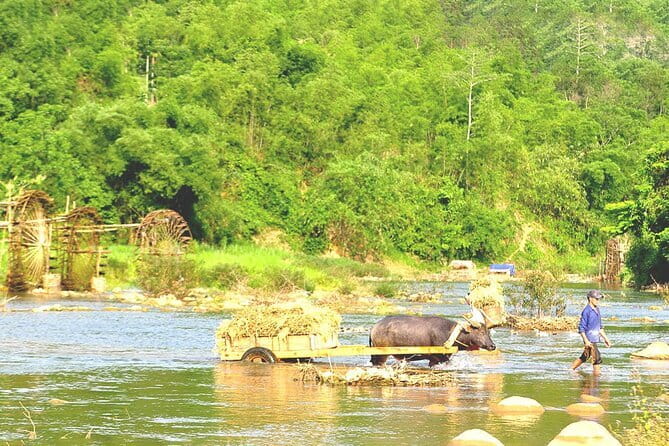
The route then continues to Lo Ren Street to visit the last blacksmith. This is one of the most distinctive stops because it points to a trade that has become less common as modern production replaces handwork.
The word last gives the stop a sense of urgency, but you should not expect a long workshop session unless the guide confirms one on the day. The itinerary says you visit the blacksmith and learn about the place. It does not promise a hands-on forging activity.
Still, the stop helps you see how quickly traditional trades can fade. Silver work, herbal medicine, candy making, metalwork, and ceremonial goods each tell a different story about the Old Quarter. Together, they show a neighborhood shaped by specialized work rather than by one single landmark.
This section may be less comfortable in hot weather, since you are walking between stops and spending much of the time in active streets. Bottled water is included, but bringing suitable clothing and drinking water when needed is sensible.
More Coffee Making Classes in Vietnam
- Ha Noi Egg Coffee Class
★ 5.0 · 227 reviews - Hanoi Coffee Workshop: Master 6 Signature Vietnamese Coffee
★ 5.0 · 171 reviews - Hanoi Coffee Class learning 5 famous coffee in Hanoi
★ 5.0 · 161 reviews - Mini Hanoi Coffee Workshop: Pick Any Signature Coffee You Like
★ 5.0 · 160 reviews
Worship goods on Hang Quat Street
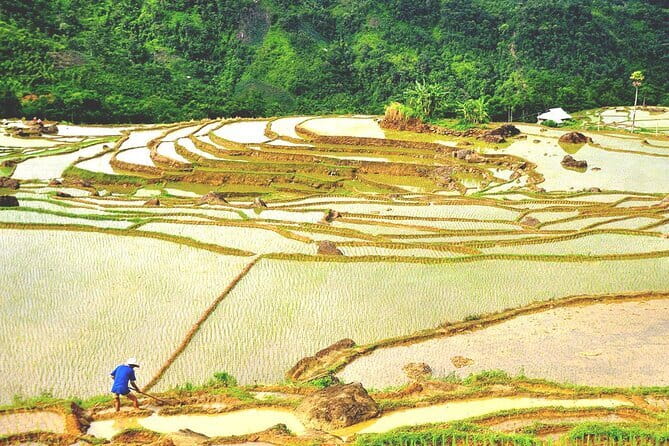
The walking portion ends on Hang Quat Street, where you learn about the production of worshiping items such as incense, votive paper, and ceremonial goods. This stop broadens the tour from commerce into belief and family practice.
Incense and votive paper are not merely decorative products. They relate to offerings, remembrance, and ceremonies, so the street gives you a look at how spiritual customs appear in ordinary city life. The guide can explain what these items are used for and why they remain part of local trade.
As with the earlier stops, the emphasis is on understanding production and tradition. There is no stated promise of a shopping stop or a chance to make ceremonial goods yourself. If you want to buy anything, ask about appropriate use and respectful handling before making a purchase.
By this point, you have covered several short chapters of Hanoi life: craft, food, medicine, metalwork, and worship. That range is the strongest reason to choose this walk. It gives you more than a single story about the Old Quarter.
Making filtered coffee and creamy egg coffee

The final hour moves indoors to a local LGBTQ+-friendly cafe for the coffee class. Here you learn to brew traditional Vietnamese filtered coffee and make egg coffee, the Hanoi specialty known for its creamy topping.
The hands-on part matters. You do not simply hear a guide explain coffee culture while someone else prepares your drink. You take part in the method, make your own coffee, and then taste the result. The experience includes both the filtered coffee and egg coffee demonstrations.
Egg coffee is a particularly fitting finish in Hanoi because it joins familiar ingredients with a local style of preparation. The class also adds context about coffee culture in Vietnam, so the drink is connected to history and everyday habits rather than presented as a novelty.
The provided details do not specify the exact ingredients, equipment, or class size at the cafe. You should expect a demonstration with your group and a chance to make the drinks, but not assume a formal barista qualification or a full cooking lesson.
Coffee is included as part of the class, while extra drinks are not. If you want something beyond the included beverages, you will pay separately. Tips for the guide and coffee instructor are also not included.
Why the private format matters

This is a private activity, so only your group participates. That is useful on a route with many small topics. You can ask why a street has its name, request more explanation about herbal medicine, or spend a little longer on the coffee process without competing with a large group.
The private format also suits families, couples, and friends with a shared interest in culture. Group discounts are offered, so the $35 per-person price may become more attractive for a larger booking. The listing does not give the exact discount amount, so check the final price before you pay.
Pickup is offered, and a mobile ticket is available. The pickup details are not specified, so confirm the meeting arrangement and whether pickup is included for your location. The published start point for the walking route is Kim Ngan Communal House on Hang Bac Street.
Is $35 a fair price?
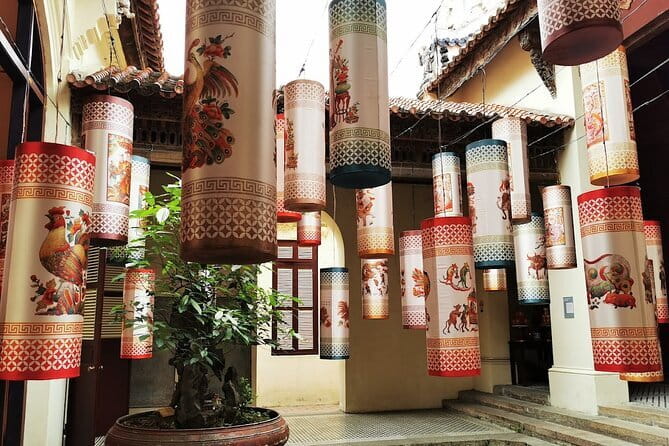
At $35 per person, you are paying for roughly three and a half hours, a local expert, a private walking route, bottled water, and a coffee-making class. That is a reasonable value if you want both neighborhood interpretation and an activity at the end.
The price makes less sense if you only want a short Old Quarter orientation. You could walk through several streets independently, but you would miss the organized connections between the trades and the explanation of what they mean. The coffee class is what helps the experience offer more than a standard walking tour.
There are extra costs to remember. Tips are not included, nor are additional drinks or travel insurance. Possible candy samples are not clearly listed as an included feature, so do not book this as a food tour.
I see the strongest value in the private setting and the variety of subjects. You get a focused cultural walk without paying for a large attraction ticket, and you finish with a practical skill you can repeat later.
Who will enjoy this Hanoi experience?
I would choose this for someone visiting Hanoi for the first time who wants a clear introduction to the Old Quarter beyond the usual landmarks. It also suits repeat visitors who have already seen the main sights and want to understand the working lanes better.
Culture-focused visitors will get the most from it. The route covers craft traditions, medicine, sweets, blacksmithing, worship, and coffee, so you need some interest in daily life and local customs.
The coffee class makes the tour a good fit for people who enjoy food experiences but do not want an entire day devoted to eating. It also gives you a shared activity after the walking portion, which works well for couples and small groups.
You should think twice if walking in heat is difficult, if you want an accessible route with no uneven or crowded city streets, or if your main goal is major architecture. The information says most people can participate, but it does not provide detailed accessibility information.
Timing, weather, and cancellation details
Plan around three hours and thirty minutes, with about two hours devoted to the Old Quarter walk and one hour at the cafe. Allow a little flexibility around the start and end, especially if pickup is involved.
The experience requires good weather. If poor weather causes cancellation, you will be offered another date or a full refund. It also requires a minimum number of participants, and if that minimum is not reached, you will be offered another date or experience, or a full refund.
You can cancel for a full refund up to 24 hours before the start time. Cancellations or changes made less than 24 hours before the start time are not refunded or accepted. The cut-off follows Hanoi’s local time.
My recommendation
I would book this if you want a compact, private introduction to Hanoi’s craft streets and you like the idea of making your own coffee at the end. The strongest parts are the range of Old Quarter trades, the local explanation, and the hands-on egg coffee session.
I would skip it if you want a monument-heavy tour, a formal cooking class, or a short walk with little time on your feet. For the right visitor, $35 buys a useful mix of history, neighborhood life, coffee, and support for an inclusive local business.
FAQ
How long does the Hanoi walking and coffee experience last?
The experience lasts approximately three hours and thirty minutes. About two hours are spent walking through the Old Quarter, followed by about one hour at the cafe for the coffee class.
Where does the walking tour begin?
The walking tour begins at Kim Ngan Communal House on Hang Bac Street in Hanoi’s Old Quarter.
What streets and subjects are included?
The route includes Hang Bac Street for silver making, Hang Buom Street for traditional sweets, Lan Ong Street for herbal medicine, Lo Ren Street for blacksmithing, and Hang Quat Street for incense, votive paper, and ceremonial goods.
Is the coffee class hands-on?
Yes. You take part in filtered coffee and egg coffee making, then drink the coffee you prepare.
Is this a private tour?
Yes. Only your group participates in the private tour or activity.
What is included in the price?
The price includes a local expert, the filtered and egg coffee-making class, and bottled water.
Can I cancel for a full refund?
Yes, if you cancel at least 24 hours before the experience start time. Cancellations or changes made less than 24 hours before the start time are not refunded or accepted.
More Walking Tours in Hanoi
- Hanoi Michelin Star Walking Food Tour & Train Street
★ 5.0 · 165 reviews - Hanoi Egg Coffee Class and Street Food Walking Tour
★ 5.0 · 33 reviews - Walking Tour in Hanoi Old Quarter with Street Food & Coffee
★ 5.0 · 4 reviews - From Egg Coffee to Street Brews: Hanoi Walking Tour
★ 5.0 · 4 reviews
More Heritage Tours in Hanoi
- Coffee, History, and Architecture of the French Quarter
★ 4.9 · 71 reviews - Hanoi: Make 6 Iconic Coffees in a Heritage Home with Locals
★ 5.0 · 32 reviews - Private Hà Nội Coffee History Tour
★ 5.0 · 6 reviews - Hanoi History Coffee Tour
★ 5.0 · 2 reviews
Just added around Hanoi
- Vietnamese Coffee 101 Workshop★ 5.0 · 11 reviews
- Taste of Vietnam’s Coffee Scene – A Guided Experience★ 5.0 · 2 reviews
- Private tour: Hanoi city tour-Van Phuc silk village with egg coffee, lunch★ 5.0 · 2 reviews
- Hanoi 2.5 hour Guided Sightseeing Cyclo Tour & Egg Coffee Class★ 5.0 · 16 reviews
- Hanoi daily egg coffee making course with local guide★ 5.0 · 17 reviews
- Private Hà Nội Coffee History Tour★ 5.0 · 6 reviews
- hidden gems cafe – learn making coconut and egg coffee★ 5.0 · 2 reviews
- Hanoi Private And All Inclusive Coffee Lovers Tour in Vietnam★ 5.0 · 6 reviews
Coffee Making Classes, compared.

Vietnamese Coffee Culture and Coffee Making Class
Read our review →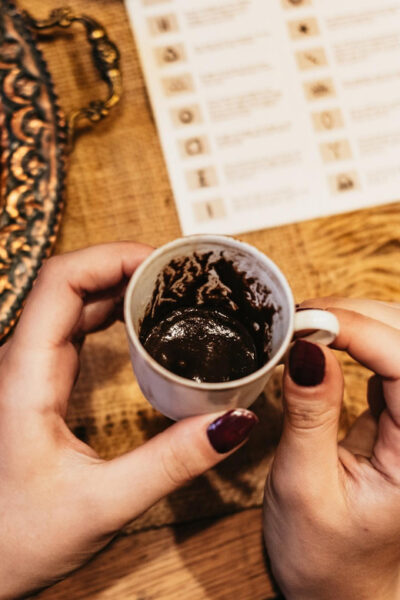
Turkish Coffee Making and Fortune Telling Workshop
Read our review →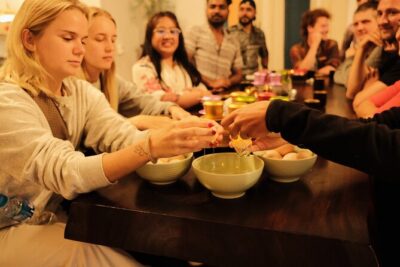
Hanoi Coffee Workshop: Taste Salt, Coconut and Egg Coffee
Read our review →
Salt Coffee Workshop Awake Your Senses With 6 Brews
Read our review →