
Review · KIGALI
Specialty Coffee Masterclass
Rwanda’s coffee story becomes much clearer when you can hold the fruit, smell the beans, and taste the final drink in the same two-hour session. At Question Coffee Gishushu, you’ll move from a short lesson to cherry picking, then to a guided tasting of coffees from around the country before mixing a blend of your own.
I like the hands-on garden stop, which gives the class more purpose than a standard café tasting. I also like the careful tasting work, where you compare aroma, flavor, aftertaste, acidity, and mouthfeel across four or five coffees. The main consideration is that this is still a short class, so serious coffee students should not expect a full farm visit or a long production tour.
Key points to know before booking
- Pick coffee cherries on the grounds: You get to see and harvest the fruit before tasting the finished drink.
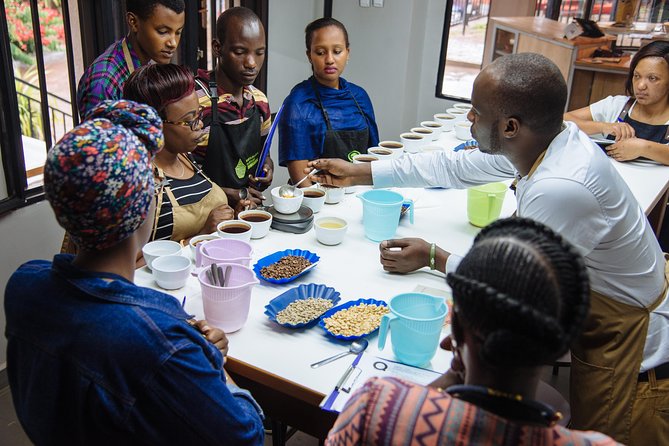
- Taste four or five Rwandan coffees: The session gives you a clear way to compare aroma, flavor, acidity, aftertaste, and mouthfeel.
- Create a personal blend: Your preferred beans are mixed into a take-home bag, a useful souvenir rather than a disposable trinket.
- Meet local coffee educators: Guides such as Patrice, Peggy, Patty, and Keziah have led sessions described as clear, friendly, and easy to follow.
- Small group, short format: The class lasts about two hours and accepts no more than 12 people, keeping the lesson personal.
- Simple Kigali meeting point: You start and finish at Question Coffee Gishushu, near public transportation.
Starting with Rwanda’s coffee story
The class begins at Question Coffee Gishushu, at 8 KG 8 Ave in Kigali. This is both the meeting point and the end point, so you do not need to arrange a second pickup location after the session.
You’ll first get a short introduction to coffee history and production. That opening matters because it gives you a framework for the tasting. Instead of simply being told that one coffee tastes different from another, you learn how coffee is grown, harvested, and prepared before it reaches your cup.
The lesson also connects Rwanda’s coffee-growing regions with the final drink. One participant specifically recalled learning about the different growing areas before tasting coffees from around the country. That makes the tasting more than a flight of similar drinks. You begin to look for how place and processing affect flavor.
The instructors who have led this class include Patrice, Peggy, Patty, and Keziah. The information provided about the sessions describes Patrice as easygoing and clear in English, while Keziah is noted for a fun teaching style. Peggy and Patty are also associated with classes that explain coffee history, production, smell, and tasting in an approachable way.
Because the class is limited to 12 people, you should have a reasonable chance to ask questions and keep up with the demonstration. This is not a large lecture where you sit quietly at the back. Still, group size can vary within that limit, so the amount of personal attention may depend on the day’s attendance.
More Roastery Tours in the world:
- Hoi An: Vietnamese Coffee Making Workshop at Local Roastery
★ 4.8 · 174 reviews - Cartagena: Colombian Specialty Coffee Tasting
★ 4.4 · 130 reviews - Coffee Farm Tour with Roasting & Tasting Workshop – Da Lat
★ 5.0 · 126 reviews
Picking cherries in the garden
The next step takes you outside to harvest coffee cherries from the onsite garden. This is one of the most distinctive parts of the experience because it shows you the fruit before it is processed into beans.
Coffee beans are seeds inside a fruit, and seeing the cherries helps correct the common picture of coffee as something that begins in a sack of roasted beans. You get a direct link between the plant and the cup. The activity is brief, but it gives the lesson a physical, memorable moment.
Do not confuse this with a full plantation excursion. You are not heading out into a distant farming district for a day of agricultural work. The coffee trees are on the grounds of the Kigali venue, so the experience stays easy to reach and fits neatly into a city visit.
That compact format is both a strength and a limit. I like that you can learn about coffee farming without giving up half a day to transport. On the other hand, anyone hoping to see large-scale farm operations, washing stations, drying beds, or detailed export procedures will find the scope narrower.
The cherry-picking stop works best as a link in the larger lesson. You see the fruit, then return to the café setting to smell and taste the processed product. That movement from plant to cup gives the two hours a clear shape.
Comparing four or five coffees from Rwanda
The tasting is the heart of the class. You’ll smell and sample four or five Rwandan coffees, with time to compare what you notice in each cup.
The tasting method is more useful than simply asking which coffee you like best. You assess several features:
- Aroma
- Flavor
- Aftertaste
- Acidity
- Mouthfeel
This vocabulary gives you a better way to describe your preferences. You might find that you enjoy a coffee’s smell but not its aftertaste, or that a bright acidity appeals to you more than a heavier mouthfeel. The point is not to find one correct answer. It is to work out what suits your palate.
The tasting also helps explain why coffee from one part of Rwanda can feel different from coffee grown elsewhere. The class presents samples from different Rwandan areas, allowing you to make a side-by-side comparison rather than relying on general claims about national coffee.
You should expect a guided tasting rather than a large serving of each drink. That is appropriate for the format. The purpose is to notice differences, not to consume several full mugs in quick succession. If you do not usually drink coffee black, the tasting may require more attention, since milk and sugar can hide some of the qualities being discussed.
This is also the part where the instructor’s teaching ability matters most. Patrice, Peggy, Patty, and Keziah are named as class leaders in the information provided, and the descriptions of their sessions point to clear explanations and relaxed guidance. A good instructor makes tasting terms less intimidating and helps you notice details without turning the class into a test.
Mixing a blend that matches your palate
After comparing the coffees, you create a custom blend from the beans you liked most. This is a practical finish to the class because your tasting leads to a personal result.
You are not simply handed a standard souvenir bag. The blend reflects the flavors you preferred during the session. One class participant described taking home a package made from the beans they enjoyed most, while another said the favorite blend became a bonus bag of coffee to keep.
That take-home portion adds value to the $50 price. You leave with more than background information and a temporary taste memory. You have coffee connected to the choices you made during the class, and you can revisit the experience later at home.
The blend is also a useful test of what you learned. If you preferred one coffee’s aroma and another’s mouthfeel, you can think about how those qualities work together. The class does not promise that every blend will suit every palate, but the process gives you a reason to pay attention.
There is a small practical drawback: the exact size of the take-home bag is not specified. If the coffee souvenir is a major reason you are booking, you may want to ask the provider for the current amount before paying.
More Coffee Making Classes in the world:
- Hoi An: Vietnamese Coffee Culture and Coffee Making Class
★ 4.9 · 4,006 reviews - Istanbul: Turkish Coffee Making and Fortune Telling Workshop
★ 4.9 · 1,308 reviews - Hanoi Coffee Workshop: Taste Salt, Coconut and Egg Coffee
★ 5.0 · 1,286 reviews - Hanoi: Salt Coffee Workshop Awake Your Senses With 6 Brews
★ 5.0 · 792 reviews
Is $50 a fair price in Kigali?
At $50 per person, this is not a cheap café stop. It is priced as a two-hour instructional experience that combines teaching, harvesting, tasting, and a custom coffee package.
I see the value in four parts. First, you get direct instruction rather than only a drink. Second, you taste several Rwandan coffees in one sitting, which would take more time and money to arrange on your own. Third, you visit the coffee trees and learn how the fruit connects to the cup. Fourth, you receive a personalized blend to take home.
The price makes more sense if you are already planning to spend time in Kigali and want an activity with local focus. It is especially useful for coffee drinkers who want to understand what they are ordering in Rwanda, not just buy a bag from a shop.
The value is weaker if you want a full agricultural tour or a broad food-and-drink outing. You will not spend the day visiting several farms, and the class is focused tightly on coffee. At about two hours, it is best viewed as a focused city activity rather than a major day trip.
The 5 out of 5 score from 33 ratings and a 100 percent recommendation rate point to a consistently strong experience. Those numbers do not remove the need to match the class to your interests, but they do support the idea that the teaching and tasting format works well for its intended audience.
Small groups and practical timing
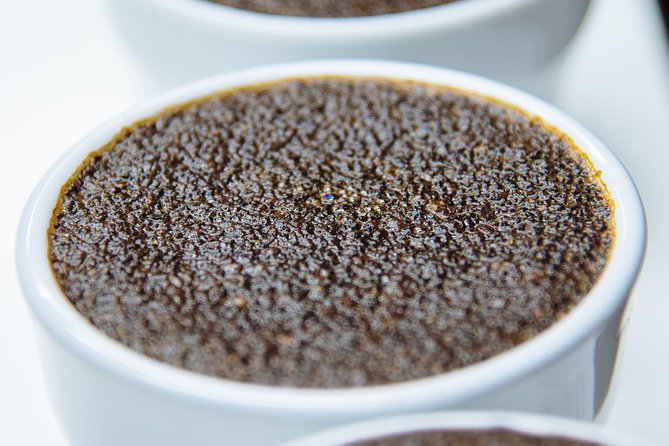
The class runs for about two hours and is capped at 12 participants. That limit is important. Coffee tasting involves questions, smells, and small differences, so a smaller group makes it easier to hear the guide and compare notes.
You start and finish at Question Coffee Gishushu. The venue is near public transportation, which helps if you are moving around Kigali without a private car. The booking includes a mobile ticket, so you can keep the confirmation on your phone.
Confirmation is sent within 48 hours of booking, subject to availability. Since the class is often booked about 14 days ahead, I would not leave it until the last day if your Kigali schedule is fixed.
The stated health requirements include a negative COVID-19 test result and a mask. Check the current instructions before booking, since health rules can change. The supplied information does not give a specific test window or testing location, so you should confirm those details with the provider.
You can cancel for a full refund up to 24 hours before the start time. Cancellations or changes made less than 24 hours before the scheduled start are not accepted for a refund. The cut-off uses Kigali local time, so keep that in mind if you are booking from another time zone.
Who will enjoy this class most?
This is a natural fit for coffee lovers who want more context behind their morning cup. You do not need to be a trained barista. The tasting terms are introduced as part of the class, and the instructors are described as friendly and clear.
It also suits couples, friends, and solo visitors who want a social activity without committing to a full-day excursion. A maximum of 12 people keeps the group small enough for conversation, while the two-hour length leaves room for other plans in Kigali.
The class can work for people who do not yet know much about coffee, provided they are willing to taste several samples and pay attention to differences. The history lesson and production explanation give beginners a useful starting point.
I would be more cautious about booking it if you want a detailed farm operation tour, advanced roasting instruction, or a long technical class. The experience gives you a strong introduction to Rwandan coffee, but its scope is deliberately compact.
It is also worth considering your caffeine tolerance. The class includes several tastings, so you may want to plan the rest of your day accordingly. The available information does not state whether decaffeinated samples or alternatives are offered, so ask ahead if that matters to you.
My take on the teaching style
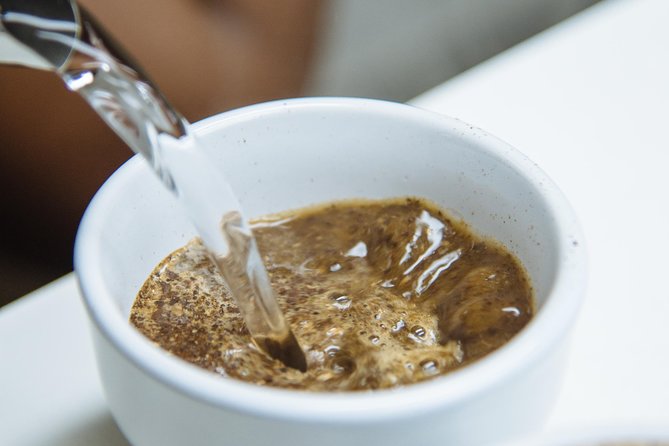
The strongest part of this experience appears to be the people leading it. Patrice is described as relaxed and easy to understand in English. Keziah is praised for making the class fun while explaining the subject well. Peggy and Patty are connected with sessions that cover the full path from history and production to smelling and tasting.
That range of instructors means the exact personality of your class can vary. Still, the repeated pattern is clear: the session is built around explanation, not simply pouring coffee and sending you on your way.
I like that the teaching includes sensory terms without making them feel overly formal. Aroma, flavor, aftertaste, acidity, and mouthfeel are useful tools when they help you make choices. The guide’s job is to show you how to use those terms, then let you decide what you prefer.
The best result is not becoming a coffee expert in two hours. It is leaving with a better sense of why one Rwandan coffee appeals to you and another does not.
Should you book the Specialty Coffee Masterclass?
Book it if you want a focused Kigali activity that connects local agriculture, coffee culture, and tasting in one place. The cherry picking, five-coffee comparison, and take-home custom blend give the session more substance than a normal café visit.
At $50, it is best value for people who will use the lesson. If you enjoy coffee, want to learn how to describe what you taste, and like bringing home a souvenir with a personal connection, this is an easy choice.
Skip it if you are looking for a full coffee farm excursion or advanced professional training. For everyone else, the two-hour format, small group, central meeting point, and strong teaching focus make this a worthwhile addition to a Kigali itinerary.
FAQ
Where does the Specialty Coffee Masterclass begin?
It begins at Question Coffee Gishushu, 8 KG 8 Ave, Kigali, Rwanda.
Where does the activity end?
The class ends back at the same meeting point, Question Coffee Gishushu.
How long does the class last?
The experience lasts about two hours.
How much does the class cost?
The listed price is $50 per person.
How many people can join the class?
The activity accepts a maximum of 12 participants.
What happens during the class?
You receive a short coffee history and background lesson, pick coffee cherries from the onsite garden, taste Rwandan coffees, and create a custom blend.
How many coffees will I taste?
The class includes tasting four or five different Rwandan coffees.
Do I receive coffee to take home?
The experience includes a bag made from the blend or beans you liked most during the tasting.
Is the meeting point near public transportation?
Yes. The meeting point is near public transportation.
Can I cancel for a refund?
Yes. You can receive a full refund if you cancel at least 24 hours before the scheduled start time. Cancellations or changes made less than 24 hours before the start are not refunded or accepted.
Just added around the world
- Yerevan: Private Coffee Tour with 2 Café Stops★ 5.0 · 2 reviews
- Vietnamese Coffee 101 Workshop★ 5.0 · 11 reviews
- Vietnamese Coffee Making Class in Hoi An★ 5.0 · 4 reviews
- Vietnamese cooking class and coffee making with local girl★ 5.0 · 5 reviews
- Venice Delights: Coffee & Food Experience Walking Tour★ 5.0 · 2 reviews
- Private Vienna Tour: Literature Walk with Coffee House Visit★ 5.0 · 2 reviews
- Turin: Art Nouveau Walking Tour with Coffee★ 5.0 · 11 reviews
- Turkish Coffee and Traditional Turkish Dessert Cooking★ 4.6 · 8 reviews
Specialty Coffee & Roastery Tours, compared.
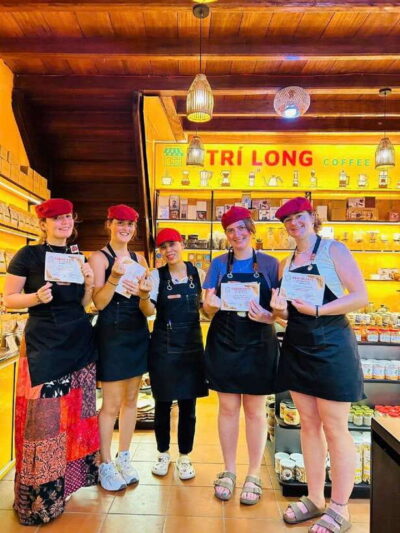
Vietnamese Coffee Making Workshop at Local Roastery
Read our review →
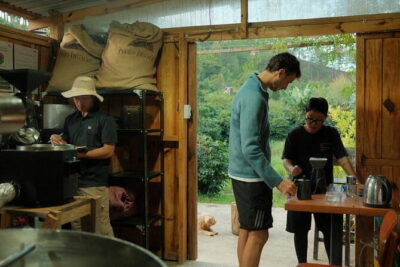
Coffee Farm Tour with Roasting & Tasting Workshop – Da Lat
Read our review →
Experience specialty coffee with sustainable coffee farmers
Read our review →
Vietnamese Bread & Brew: Banh Mi Baking Class & Specialty Coffee
Read our review →
Santo Domingo Small Group Walking Tour: Beer and Specialty Coffee
Read our review →
Browse the lists this tour appears in