
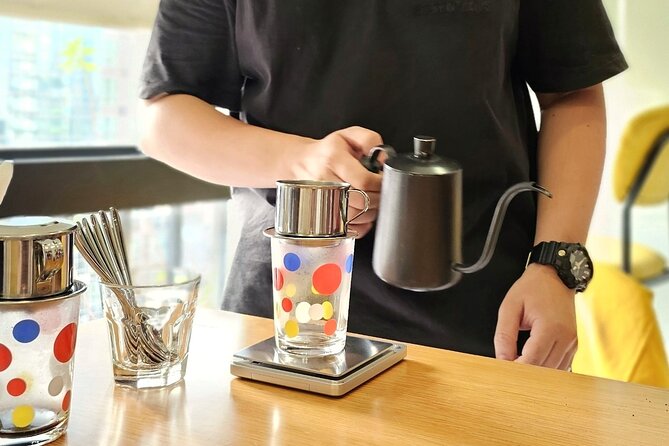
Review · HO CHI MINH CITY
Vietnam Coffee Journey – Make extraordinary tasty coffee yourself
Vietnam Coffee Journey turns a coffee tasting into a small lesson in Vietnamese life. With Quynh guiding you, you try six drinks, from plain black coffee to famous regional styles, while learning why each one developed. Then you use a traditional phin filter and make key drinks yourself.
I like the mix of tasting and doing. You do not just sip a sweet coffee and move on. You compare traditional and modern approaches, learn how brewing tools affect flavor, and leave with recipes you can use at home. I also like the cultural angle: coffee becomes a way to understand Vietnam’s past and the different habits of the North, Central region, and South.
The main consideration is caffeine. Six drinks can add up, even when served as tastings. You can choose not to finish every cup, and anyone with dietary needs should arrange vegetarian, vegan, or halal options ahead of time.
Key points at a glance
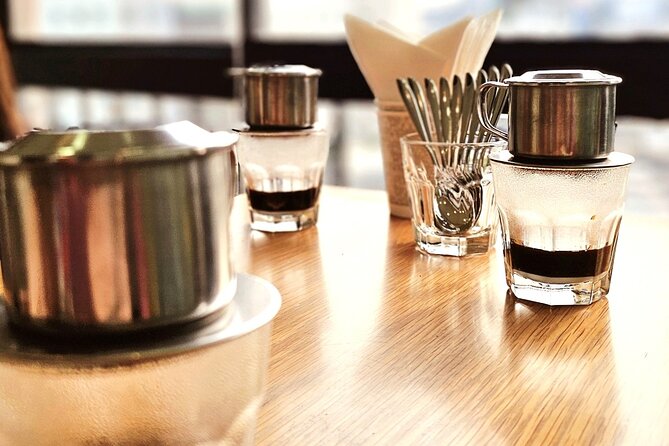
- Six drinks with a story: Taste styles ranging from pure black coffee to the country’s best-known coffee mixtures.
- Hands-on phin brewing: Learn how to use Vietnam’s traditional metal coffee dripper rather than simply watching a demonstration.
- Egg coffee and condensed milk coffee: Prepare two iconic drinks linked with Northern and Southern coffee culture.
- Small-group setting: The maximum is six people, giving you room to ask questions and get help with the recipes.
- A cultural lesson with practical use: Quynh explains the history, regional habits, and brewing reasons behind each drink.
- Central Ho Chi Minh City meeting point: Start and finish at 27 Ngô Đức Kế in District 1, close to public transportation.
Six Vietnamese coffees, not just one sweet cup
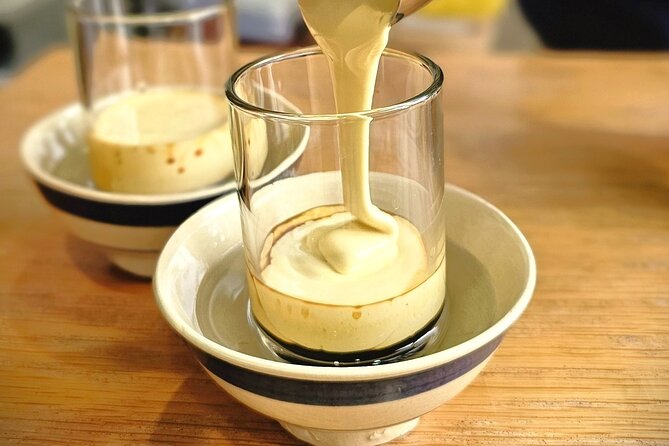
The heart of the experience is a tasting of six different coffee drinks. The range begins with pure black coffee and moves toward the more familiar preparations that use ingredients to change the taste, texture, and drinking style.
That progression matters. If you begin with a sweet, creamy coffee, it is easy to miss what the coffee itself tastes like. Starting with a plain version gives you a reference point. As ingredients are added, you can understand what they do rather than treating every cup as the same strong coffee with a different topping.
Quynh connects each drink to the situation in which it developed. The point is not to memorize a list of recipes. It is to understand why Vietnamese coffee often tastes bold, why condensed milk became so important, and how local preferences shaped different drinks.
You also compare traditional and modern styles. The experience does not push one approach as the only correct one, which is useful if you are curious about coffee but do not want a sales pitch or a specialty-coffee lecture. You get a practical explanation of brewing methods, tools, and ingredients in plain terms.
Some of the six drinks are likely to be familiar from café menus, while others give you a broader picture of how coffee is consumed in Vietnam. The supplied details do not provide a fixed drink-by-drink menu beyond the main examples, so you should think of the tasting as a guided range rather than a guaranteed menu with six named recipes.
More Vietnamese Coffee Experiences in Ho Chi Minh City
- Fun & Easy Vietnamese Coffee Workshop in Hồ Chí Minh City
★ 5.0 · 293 reviews - Vietnamese Coffee & Culture Exploration in Hồ Chí Minh City
★ 5.0 · 202 reviews - Ho Chi Minh Street Food Tour and Vietnamese Coffee
★ 5.0 · 28 reviews
Why the phin filter changes the experience
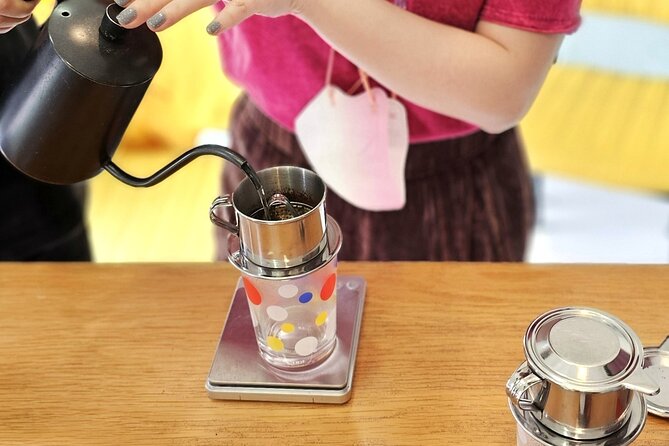
The phin is a small Vietnamese coffee dripper that sits over your cup. It is simple, compact, and slower than the quick machines used in many cafés. Learning to use it is one of the most useful parts of the session because it gives you a direct way to recreate Vietnamese coffee at home.
You will learn how the brewing method affects the drink’s character. That is more helpful than being told to copy a set number of steps without understanding the result. Quynh explains how the equipment and brewing choices bring out different qualities, then gives tips for adjusting the drink to your own taste.
This is not presented as formal barista training. That makes the class approachable for a casual coffee drinker. You do not need to arrive with technical knowledge, and you are encouraged to ask questions about coffee or other parts of Vietnamese culture.
I would pay attention to the adjustment advice. Strong coffee can be softened, sweetened, or changed by the way you brew it, and the recipes are intended for home use. The value is not just the drink in front of you. It is the ability to repeat the method after your trip, using a small piece of Vietnamese coffee culture in your own kitchen.
Making Southern and Northern favorites
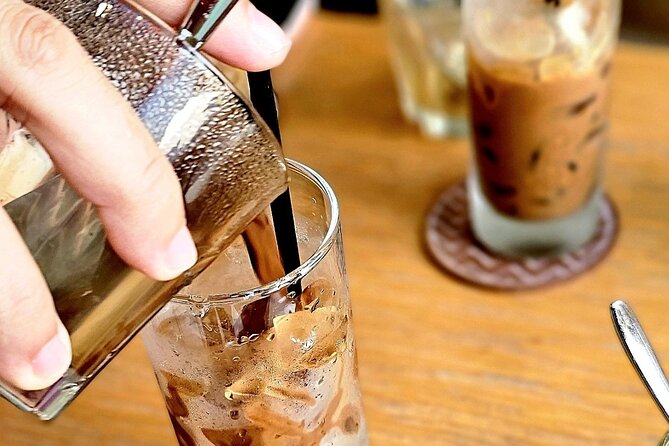
Two of the hands-on preparations receive special attention: ca phe sua, condensed milk coffee, and ca phe trung, egg coffee.
Condensed milk coffee is closely associated with Southern Vietnam. It is sweet, full-bodied, and built around the contrast between strong coffee and thick milk. Making it yourself helps you see how the ingredients work together. You can also adjust the balance instead of accepting whatever sweetness a café serves.
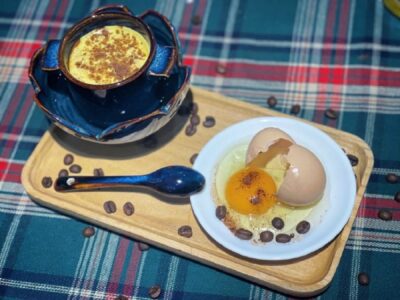
Egg coffee is associated with Northern Vietnam, especially Hanoi, and has a very different character. The egg mixture gives the drink a creamy texture and changes the coffee from a straightforward brew into something closer to a dessert. Preparing it during the session lets you understand the method instead of treating it as a mysterious café specialty.
The regional comparison is one of the strongest reasons to book this experience. You are not just collecting drinks. You are seeing how different parts of the country express themselves through coffee. The South’s condensed milk style and the North’s egg coffee reflect different preferences and food traditions, while the wider tasting places both in a national story.
The information provided does not promise a full cooking class with elaborate equipment. Expect guided preparation, practical recipes, and tasting rather than a professional certification course. That is the right level for most people visiting Ho Chi Minh City.
Coffee as a window into Vietnamese culture
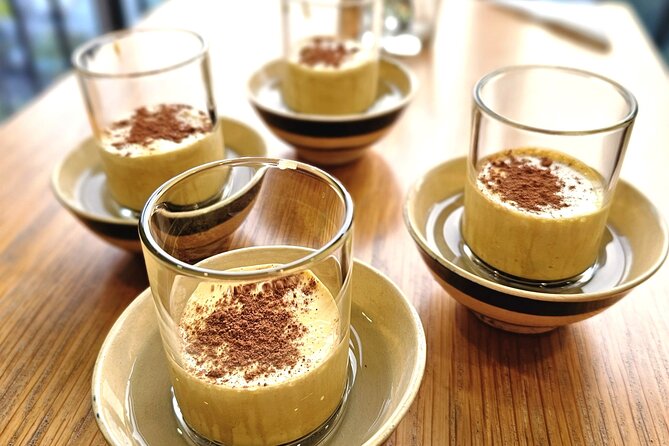
Quynh’s approach treats coffee as part of Vietnam’s social and historical development. The drinks are tied to background situations, local habits, and the people who drink them. You learn how coffee became more than a beverage and how it developed alongside Vietnamese culture.
This cultural context gives the tasting more weight. A coffee drink can tell you about available ingredients, regional taste, changing lifestyles, and the way people adapt outside influences to local conditions. You do not need a long lecture to get value from that idea. A short explanation before each drink can make the tasting far more memorable.
The experience also looks at the characteristics associated with different parts of the country through their coffee preferences. This is not a substitute for a full history tour of Vietnam, and you should not expect a chronological survey of every period. Instead, it offers a focused way to understand the country through something you are already holding in your hand.
I especially like that the session is described as having no commercial or specialty bias. Coffee fans can ask technical questions, but you are not required to share a particular opinion about beans, roasting, or café trends. The emphasis is on what Vietnamese people drink, why they drink it, and how you can make it yourself.
Same place, a different way to drink it:
- Egg coffee & Course on 4 traditional types of Viet coffee
★ 4.9 · 487 reviews - Decadent Vietnamese “Egg Coffee” Workshop in Hồ Chí Minh City
★ 5.0 · 150 reviews - Ho Chi Minh City: Fun and Easy Coffee Workshop for Beginners
★ 4.9 · 121 reviews - Techniques & Secrets Behind the Famed Vietnamese Egg Coffee
★ 5.0 · 99 reviews
A small class with room for questions
The maximum group size is six people. That is a practical advantage for a hands-on activity. You have a better chance of receiving help while using the phin, and questions are less likely to disappear into a large crowd.
Quynh is the host and coffee coach. The experience has been running for six years and carries a stated rating of 4.99 out of 5 across nearly 800 reviews on different platforms, while the supplied booking information shows a 5 out of 5 score from 30 reviews and 100 percent recommendation. Those figures point to consistent praise for the teaching and cultural content, though ratings alone cannot tell you if the pace or caffeine level suits you.
The strongest praise focuses on Quynh’s clear explanations, wide command of Vietnamese coffee culture, and willingness to answer questions. One practical warning is that the session may run longer than the approximate two and a half hours when conversation gets going. If you have a tightly packed schedule, leave extra space afterward.
The setting is a spacious lab with seats available for children waiting while their parents take part. That does not make this a children’s coffee activity, but it can help families manage the visit. Service animals are allowed, and the location is near public transportation.
Is $30 a fair price?
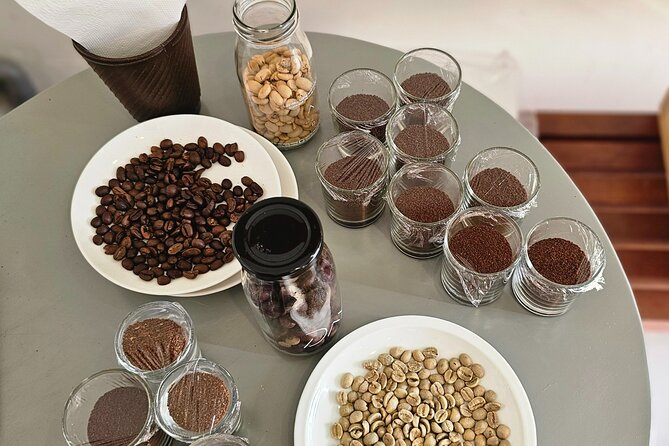
At $30 per person, this is not just a café tasting. You are paying for six drinks, guided cultural interpretation, hands-on brewing, recipes, and time with a specialist in a group capped at six.
The value is strongest if you want to understand Vietnamese coffee beyond ordering a drink at a café. After the session, you should know how the phin works, how condensed milk coffee and egg coffee are made, and how to adjust the results for your own taste. That gives the experience a useful afterlife once you return home.
The value is weaker if you only want a quick coffee stop or if you dislike sweet drinks and hands-on preparation. You also need to consider how much coffee you can comfortably consume. Tastings do not require you to finish every serving, and caffeine-sensitive people should plan to sample rather than drink full portions.
There are other formats from the same provider, including a shorter one-and-a-half-hour session focused on three iconic drinks and a four-hour electric tuk-tuk tour linking coffee drinks with the city’s growth. The two-and-a-half-hour experience is the middle option: enough time for variety and practice without committing to a full city tour.
Timing, meeting point, and practical details
You meet at 27 Ngô Đức Kế, Bến Nghé, District 1, Ho Chi Minh City, and return to the same point at the end. Mobile tickets are accepted, and confirmation is provided when you book.
The activity lasts about two hours and 30 minutes. Since the format encourages questions and one review indicates it can run beyond that estimate, I would avoid booking a flight, long-distance transfer, or tightly timed attraction immediately afterward.
The location is near public transportation, which makes it easier to fit into a day in central Ho Chi Minh City. Because the start and finish are the same, you do not need to arrange a separate pickup or work out where the activity ends.
Vegetarian, vegan, and halal arrangements are available if you contact the provider in advance. This is important because the egg coffee and other ingredients may need adjustment. The supplied details do not list every ingredient in all six drinks, so dietary planning ahead is the sensible choice.
Free cancellation is available up to 24 hours before the local start time. Changes or cancellations made within 24 hours are not accepted for a refund.
Who should book Vietnam Coffee Journey?
I would recommend this to coffee drinkers who want a cultural activity with something practical to take home. It suits couples, solo visitors, and small groups who enjoy asking questions and trying unfamiliar drinks.
It is also a good fit if you have already seen the main sights in District 1 and want a slower, more focused experience. You spend the time learning one subject well rather than rushing between landmarks.
Families can make use of the available seating for children waiting with parents, though the main activity is designed around coffee tasting and preparation. If you are highly sensitive to caffeine, you can still take part, but you should plan to taste only and not finish every drink.
I would skip it if you want a fast introduction lasting less than an hour, dislike coffee, or prefer a broad food tour. The session is focused. Its strength is also its limitation: you spend most of the time on coffee, its preparation, and its place in Vietnamese culture.
Should you book it?
Book Vietnam Coffee Journey if you want to leave Ho Chi Minh City knowing how Vietnamese coffee works, not just knowing that it is strong and sweet. The six-drink tasting, phin practice, and Southern and Northern recipes give you a useful mix of flavor, technique, and culture.
The best reason to choose it is Quynh’s question-friendly teaching style and the small group size. Just allow more than the listed two and a half hours if conversation takes off, and pace yourself with the caffeine. For curious coffee drinkers, $30 buys far more than six cups. It gives you a way to understand and repeat a distinctive part of Vietnamese daily life.
FAQ
How long does Vietnam Coffee Journey last?
The activity lasts approximately two hours and 30 minutes. It may run longer if the group has many questions and the discussion continues.
Where does the experience start and finish?
It starts at 27 Ngô Đức Kế, Bến Nghé, District 1, Ho Chi Minh City, and ends back at the same meeting point.
How many coffee drinks will I try?
You will try six different coffee drinks, ranging from pure black coffee to well-known preparations made with additional ingredients.
Will I make Vietnamese coffee myself?
Yes. You will learn how to use the traditional phin dripper and prepare condensed milk coffee and egg coffee with recipes and practical tips.
Is the experience suitable for people who are sensitive to caffeine?
Yes, but caffeine-sensitive participants should consider tasting rather than finishing all the drinks provided.
Are dietary accommodations available?
Vegetarian, vegan, and halal options are available when arranged in advance with the provider.
Just added around Ho Chi Minh City
- Ho Chi Minh Best Walking Tour: Food, Coffee & History★ 5.0 · 19 reviews
- Sai Gon Special Coffee At Landmark 81 & Street Food tour★ 5.0 · 3 reviews
- Saigon Special Night Coffee Landmark 81 & Food Tour★ 5.0 · 2 reviews
- Tea & Coffee Experience★ 5.0 · 10 reviews
- Hands-on making 3 Iconic Coffees of South Central North Vietnam★ 5.0 · 14 reviews
- Mastering Egg Coffee-Course on 4 traditional types of Viet coffee★ 5.0 · 16 reviews
- Private Ho Chi Minh City Tour from Port & Vietnamese Egg Coffee★ 5.0 · 6 reviews
- [Free E-sim] Half day Instagram Cafe Tour in Ho Chi Minh★ 4.5 · 8 reviews
Vietnamese Coffee Experiences, compared.
Vietnamese Coffee Culture and Coffee Making Class
Read our review →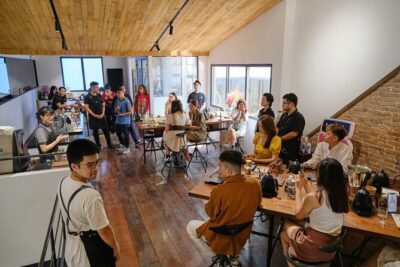
Fun & Easy Vietnamese Coffee Workshop in Hồ Chí Minh City
Read our review →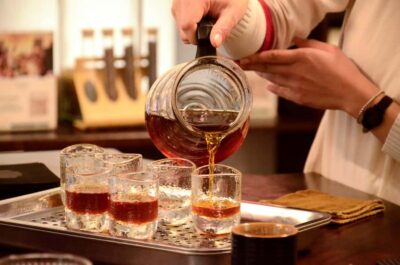
Vietnamese Coffee Workshop with 6 Brews and 8 Recipes
Read our review →
Vietnamese Coffee & Culture Exploration in Hồ Chí Minh City
Read our review →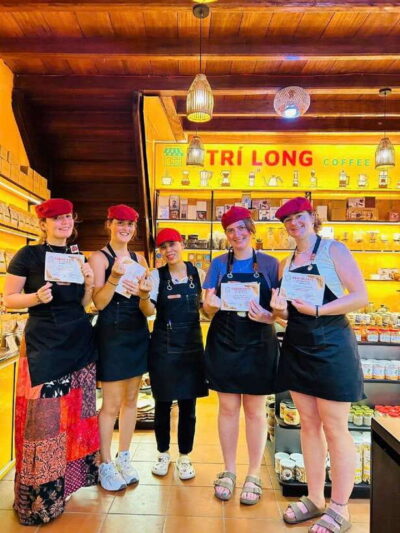
Vietnamese Coffee Making Workshop at Local Roastery
Read our review →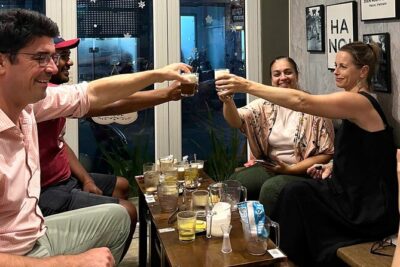
Hanoi Coffee Workshop: Master 6 Signature Vietnamese Coffee
Read our review →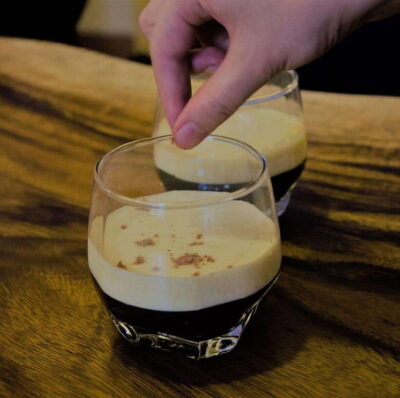
Hands-on Vietnamese Coffee Making Class with Long
Read our review →
Six Cups of Vietnam Coffee Workshop in Hanoi with Local Barista
Read our review →Browse the lists this tour appears in