
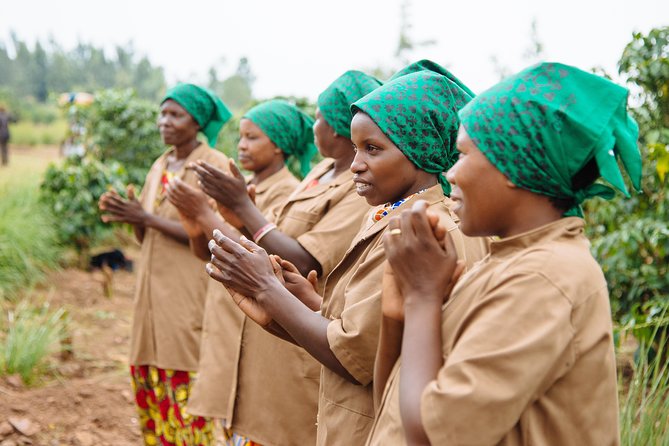
Review · KIGALI
Women-led Coffee Farm Trek
Rwanda’s coffee story comes alive on a farm run by women. You’ll see how beans are grown, harvested, washed, prepared, and roasted, then meet the people behind the work through song, dance, and conversation. It is a full-day outing with a strong local focus, not just a quick tasting.
I like the women-led cooperative and the chance to see coffee production as a working livelihood, not a polished café display. I also like the small group limit of 15, lunch at Urugo Eco-Lodge, and the stop at the Women’s Opportunity Center for handicrafts. One thing to consider: this is an eight-hour day beginning at 8:00 am, so it takes a serious slice of your Kigali schedule.
Key points at a glance
- Coffee from plant to cup: Follow the beans through cultivation, harvesting, washing, preparation, and roasting.
- Women-run agricultural work: Meet a cooperative built around women’s opportunity, economic growth, and sustainability.
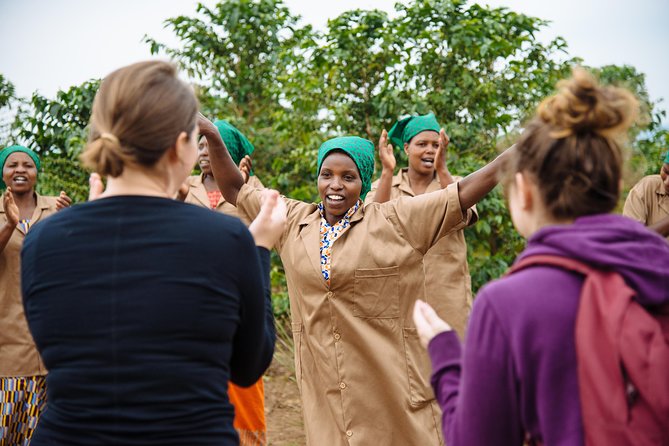
- A lively welcome: Be ready for song and dance when you arrive at the cooperative, and join in if you wish.
- Lunch at Urugo Eco-Lodge: A meal is included during the stop at the Women’s Opportunity Center.
- Small-group format: The outing is limited to 15 people, with group discounts available.
- Kigali departure: Meet at Question Coffee Gishushu at 8:00 am and return to that same meeting point.
Why this coffee trip matters in Rwanda
Coffee is one of Rwanda’s important export crops, and this outing gives you a direct look at the work behind that economy. Instead of treating coffee as a finished drink, the day follows the long chain from farm labor to the cup in your hand.
That matters because coffee production involves far more than picking red cherries. The beans must be handled, washed, prepared, and roasted with care. You get to see these stages in context, with the women farmers explaining and demonstrating the process.
I especially like the human focus. The cooperative is presented as a model of women’s empowerment, sustainability, and economic growth. That gives the day more weight than a standard tasting session. You are not simply sampling Rwandan coffee. You are seeing how agricultural skill and cooperative work can support families and communities.
The experience also avoids the feeling of a large bus tour. With no more than 15 people, you have a better chance of hearing the guide, asking questions, and taking part in the welcome. The group is still large enough to feel social, but small enough to keep the visit personal.
More Coffee Farm Tours in the world:
- Award Winning Farm Tour: Coffee, Chocolate and Unique Gifts
★ 5.0 · 484 reviews - La Herradura Coffee Farm: tour in Europe’s only plantation
★ 4.8 · 430 reviews - Big Island: Volcanoes, Waterfalls, & Coffee Farm Day-Trip
★ 4.9 · 414 reviews
Starting at Question Coffee Gishushu at 8:00 am
Your day begins at Question Coffee Gishushu, at 8 KG 8 Ave in Kigali. The early start is useful if you want to fit the experience into a short Rwanda visit, but plan for a full morning and afternoon away from the city.
The meeting point also gives the tour a fitting start. Question Coffee is the experience provider, so the day begins with a clear connection between Kigali’s coffee scene and the farming work you will see later. The tour then takes you out toward the cooperative near Akagera National Park.
The available information does not state that hotel pickup is included, so you should plan to reach the listed meeting point yourself. The activity ends back there, which makes the start and finish simple to manage if you are staying in Kigali.
A previous participant singled out guide Patty for joining every part of the day and helping people feel welcome. Guide quality can shape a long outing, and Patty’s role seems to include more than simply keeping time. You can expect a guide who helps explain the farming process and supports the social side of the visit.
Meeting the women farmers through song and dance
Arrival at the cooperative is not a quiet, formal check-in. You may be greeted with singing, dancing, and laughter. The welcome sets the tone for the whole visit, so do not hold back if the group invites you to join.
This is one of the most distinctive parts of the outing. Many farm tours begin with a technical explanation and only later become personal. Here, the human connection comes first. You meet the women as hosts and workers, not as background figures in a production demonstration.
The energy should be welcomed, but you do not need to be an experienced dancer or performer. The point is participation and respect. A smile, a willingness to clap along, and a little good humor will take you far.
The cooperative’s story also gives the visit a clear purpose. The work supports women’s opportunity, and the organization is tied to sustainability and economic growth. That context helps you understand why the coffee farm matters beyond the beans themselves.
From coffee cultivation to washing and preparation
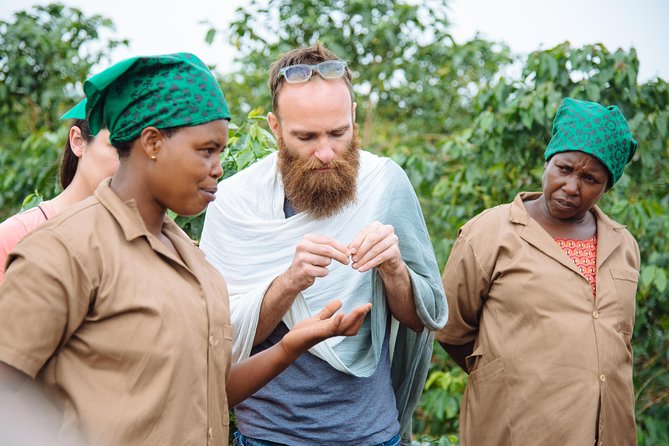
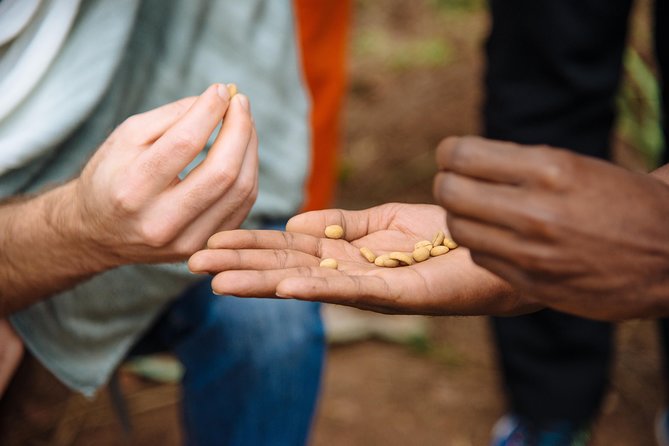
The main lesson follows the coffee bean through several stages. You will learn about cultivation and harvesting, then see how coffee is washed and prepared before roasting.
This is the part to focus on if you want practical knowledge. Coffee often reaches us in a bag or cup with little explanation of the labor in between. Here, you can connect the final drink with the agricultural work that came before it.
The process also shows why coffee quality depends on careful handling at every stage. Rwanda is known for delicate coffee flavors, and the farm visit helps explain how those qualities begin with the crop and continue through processing.
The precise demonstrations may vary with the season and the work taking place on the day of your visit. The supplied details promise a look at harvesting, washing, preparation, roasting, and related steps, but they do not promise that every stage will involve hands-on work.
That is worth keeping in mind. If you want a fully participatory workshop where you roast your own beans or operate farm equipment, this may not be the right choice. It is better understood as an educational farm visit with demonstrations, explanations, and a close look at the complete coffee chain.
A few more coffee tours around the world worth a look
- Cape Town: Lion’s Head Sunrise with coffee or Sunset Hike
★ 4.9 · 160 reviews - Off the Map Chiang Mai Jungle Coffee Trek Roast and Brew
★ 5.0 · 107 reviews - Trekking History and Indigenous Heritage in Minca + Cacao & Coffee + Waterfall
★ 4.9 · 63 reviews - 6 Days Serengeti Safari(hiking waterfalls &coffee tour)
★ 5.0 · 48 reviews
Seeing how the beans are roasted
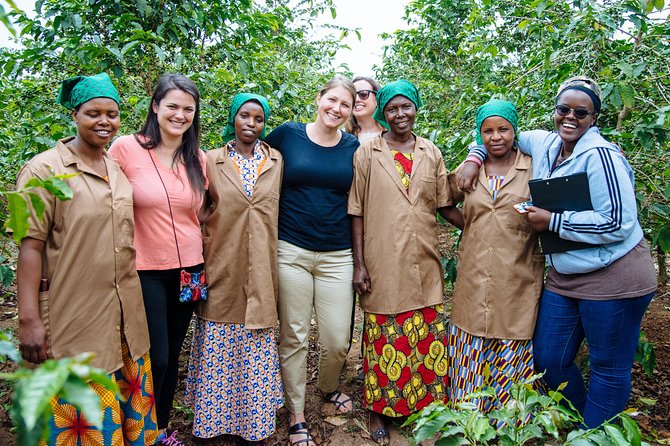
Roasting is the moment when the farm product becomes the familiar coffee you know. Watching this stage helps connect the agricultural side of the outing with the drink served at cafés and breakfast tables.
You may also have coffee or tea during the morning, based on the way the day is described by people who took part. That opening cup is a useful reference point as you learn how beans change through preparation and roasting.
The attraction here is not technical showmanship. It is the chance to understand the full path of the product. You begin with women farmers and the crop, then follow the beans toward the final brew.
If you are already a serious coffee enthusiast, you may want more detail about roast profiles, brewing methods, or tasting notes than this outing provides. The experience is aimed at a wider audience, including people who simply want to know where their coffee comes from.
Lunch and handicrafts at Urugo Eco-Lodge
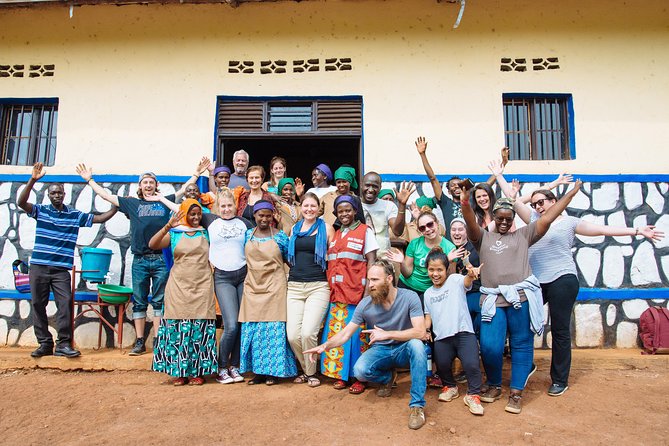
The itinerary includes a one-hour stop at Urugo Eco-Lodge at the Women’s Opportunity Center, with lunch provided. After several hours focused on farming and processing, this break gives you time to eat, settle in, and take in another part of the community project.
The center is not just a meal stop. You can see handicrafts and learn more about the women’s work beyond coffee. That makes the visit broader and more useful than a single-purpose farm tour.
I like this pairing. Coffee farming shows one form of income and skill, while handicrafts show another. Together, they present a fuller picture of women creating economic opportunities through cooperative work.
The one-hour slot is enough for a planned lunch and a look around, but it may feel short if you want to browse every craft or linger over the meal. Keep your pace comfortable and listen to the guide’s timing so the rest of the day stays on track.
The available details do not specify the exact menu or say that handicrafts are included in the price. You should view the craft stop as an opportunity to see and possibly purchase local work, rather than assuming that any item is part of the tour fee.
How the eight-hour schedule affects your plans
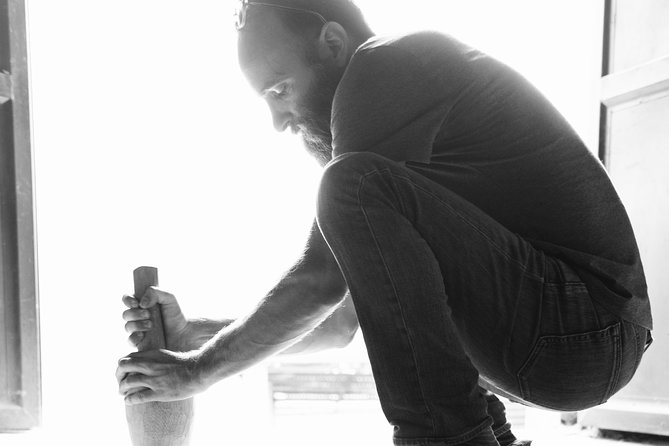
At about eight hours, this is a full-day experience. With an 8:00 am start and a return to the Kigali meeting point, it will occupy most of your daytime schedule.
That makes it a good fit for a free day in Kigali, a slower stop between other activities, or a visitor who considers coffee and local enterprise a central interest. It is less suitable if you are trying to squeeze in several city sights on the same day.
The drive toward the cooperative is part of the outing, but no travel time or vehicle details are provided. You should allow for the full stated duration rather than planning around an exact return hour.
The meeting point and return arrangement are straightforward. You start and finish at Question Coffee Gishushu, rather than ending at a separate rural location. That helps with planning your next activity, though you should leave some flexibility in case the day runs longer than expected.
Weather can affect the outing. If poor weather causes a cancellation, you will be offered another date or a full refund. That policy is useful for an outdoor farm visit, where conditions may affect what can be seen and how comfortably the day proceeds.
Is $150 a fair price?
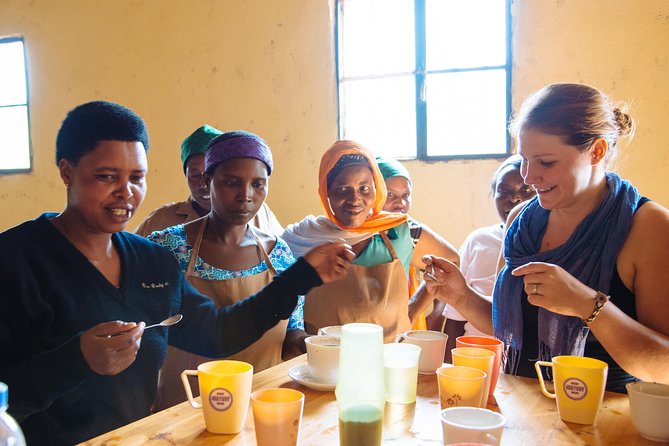
The price is $150 per person. That is not a casual add-on for a morning coffee, but the cost covers a long day with a farm visit, coffee education, lunch, the Women’s Opportunity Center, and a small-group format.
Value depends on what you want from Rwanda. If you only want to taste local coffee, a café visit will cost much less and take far less time. If you want to understand production, meet women working in the cooperative, and see how coffee connects with wider economic opportunity, the price is easier to justify.
The group limit also matters. A maximum of 15 people gives the experience a more personal scale than a large coach outing. Group discounts are available, so the price may work better for colleagues, friends, or families booking together.
Lunch is included, which removes one extra expense during the day. Mobile tickets also make the booking process convenient, while confirmation is sent within 48 hours, subject to availability.
I would compare this outing with the value of other day trips from Kigali, not with the cost of an ordinary coffee. You are paying for access, interpretation, food, time with the cooperative, and a structured introduction to Rwanda’s coffee industry.
Who should book this farm trek?
I would recommend it to coffee drinkers who want to understand production rather than simply consume the final product. It also suits people interested in women-led enterprises, sustainable agriculture, handicrafts, and community-based economic work.
The tour is a strong choice for a small group of colleagues visiting Kigali for work. A previous group booked it during a conference and found it a memorable way to spend a free day. Group discounts may also help if you are traveling with friends or family.
You do not need to be a coffee expert. The appeal is the complete story, from cultivation to roasting, and the lively welcome makes the outing social and approachable.
Most people can take part, and service animals are allowed. The information does not list detailed mobility conditions, so if you have specific access needs, ask the provider before booking.
I would hesitate only if your schedule is tight, your main goal is Kigali sightseeing, or you want a highly technical coffee class. The farm visit has a broad cultural and economic focus, not just a tasting lesson.
Booking, health, and cancellation details
Confirmation arrives within 48 hours of booking, subject to availability. The activity is commonly booked well ahead of time, with an average booking point of 27 days before the visit, so advance planning is sensible.
You can cancel free of charge up to 24 hours before the local start time for a full refund. Changes or cancellations made less than 24 hours before the start are not accepted for a refund.
At the time covered by the supplied tour information, a negative COVID-19 test result and a mask are required. Check the current requirements before you go, since health rules can change.
The tour is limited to 15 people and offers mobile ticketing. Those details make it easy to carry your confirmation and avoid a crowded farm visit.
My recommendation: book it if coffee has a story for you
I would book this experience if you want a full day that connects coffee, women’s enterprise, food, handicrafts, and local community work. The singing welcome, the practical look at cultivation and processing, and the visit to the Women’s Opportunity Center give the outing a clear personality.
I would skip it only if you have limited time in Kigali or want a short, city-based coffee tasting. For everyone else, the $150 price makes sense when you count the lunch, guide, small group, farm access, and full-day structure.
Arrive ready for an early start, an eight-hour commitment, and a little dancing. You will get the most from the day if you treat it as a human story about coffee, not just a lesson about beans.
FAQ
Where does the Women-led Coffee Farm Trek start?
It starts at Question Coffee Gishushu, 8 KG 8 Ave, Kigali, Rwanda.
What time does the tour begin?
The start time is 8:00 am.
Where does the tour end?
The activity ends back at the starting meeting point at Question Coffee Gishushu.
How long does the experience last?
The tour lasts approximately eight hours.
How many people can join the tour?
The activity has a maximum of 15 participants.
Is lunch included?
Yes. Lunch is provided during the stop at Urugo Eco-Lodge at the Women’s Opportunity Center.
What will I see at the coffee farm?
You will learn about coffee cultivation, harvesting, washing, preparation, and roasting.
Does the tour include a visit to the Women’s Opportunity Center?
Yes. The visit includes time at the center, where you can see handicrafts and have lunch at Urugo Eco-Lodge.
Is free cancellation available?
Yes. You can cancel at least 24 hours before the local start time for a full refund.
What happens if bad weather cancels the tour?
You will be offered a different date or a full refund if poor weather causes the experience to be canceled.
Just added around the world
- Yerevan: Private Coffee Tour with 2 Café Stops★ 5.0 · 2 reviews
- Vietnamese Coffee 101 Workshop★ 5.0 · 11 reviews
- Vietnamese Coffee Making Class in Hoi An★ 5.0 · 4 reviews
- Vietnamese cooking class and coffee making with local girl★ 5.0 · 5 reviews
- Venice Delights: Coffee & Food Experience Walking Tour★ 5.0 · 2 reviews
- Private Vienna Tour: Literature Walk with Coffee House Visit★ 5.0 · 2 reviews
- Turin: Art Nouveau Walking Tour with Coffee★ 5.0 · 11 reviews
- Turkish Coffee and Traditional Turkish Dessert Cooking★ 4.6 · 8 reviews
Coffee Farm Tours, compared.
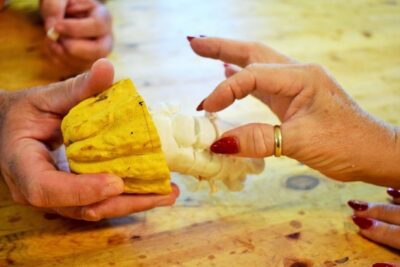
Award Winning Farm Tour: Coffee, Chocolate and Unique Gifts
Read our review →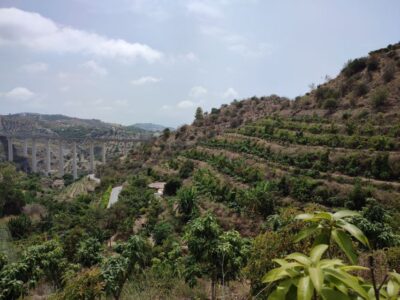
La Herradura Coffee Farm: tour in Europe’s only plantation
Read our review →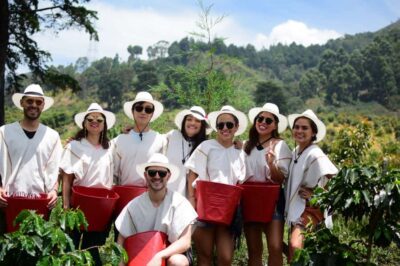
Medellín Coffee Farm Tour with Trolley and Cable Car Ride
Read our review →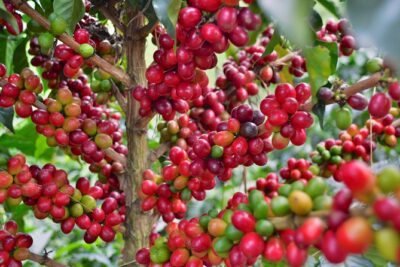
Private Cocora Valley, Salento & Coffee Farm Tour
Read our review →
Liamuiga Natural Farm Tour – St.Kitts’ Coffee Farm
Read our review →
Horseback Riding Coffee Farm Tour with Coffee Spa
Read our review →Browse the lists this tour appears in