
Review · HO CHI MINH CITY
Vietnamese Coffee & Culture Exploration in Hồ Chí Minh City
Vietnamese Coffee & Culture Exploration begins with a small sensory experiment, then quickly turns into a hands-on lesson in how Vietnam grows, roasts, and brews coffee. You’ll hear stories tied to Hà Nội, Đà Lạt, and Chợ Lớn while tasting two Lacàph blends and seeing a small batch of beans roast in front of you.
I like the personal teaching style, especially with guides such as Sui, Abby, Vi, Joey, and Tri leading the session. I also like the short morning schedule: at 10 a.m. in District 1, it leaves most of your day open for markets, museums, or a food tour.
The main thing to consider is the coffee load. You’ll taste several preparations, so arrive ready to skip your usual morning cup if caffeine affects you. Also, the exact coffee preparations can vary, and egg coffee is not guaranteed.
Key details at a glance
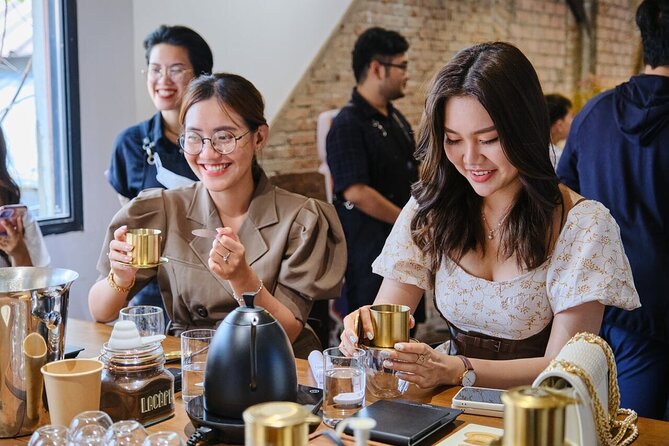
- Bean roasting you can hear and smell: A small batch of Lacàph Phin Blend is roasted during the session, with the beans crackling as their aroma changes.
- Two coffee blends are brewed: You get a direct comparison rather than a single cup with no context.
- Vietnam appears through film and stories: Short in-house videos connect coffee with Hà Nội, Đà Lạt, and Chợ Lớn in Sài Gòn.
- Guides make the difference: Sui, Abby, Vi, Joey, and Tri are named among the guides praised for clear teaching and friendly conversation.
- Coffee comes with small bites: Cocoa cashews and other light treats help soften the strong flavors.
- A compact District 1 outing: The activity lasts about two and a half hours, begins at 10 a.m., and ends where it starts.
Starting at Lacàph Coffee in District 1
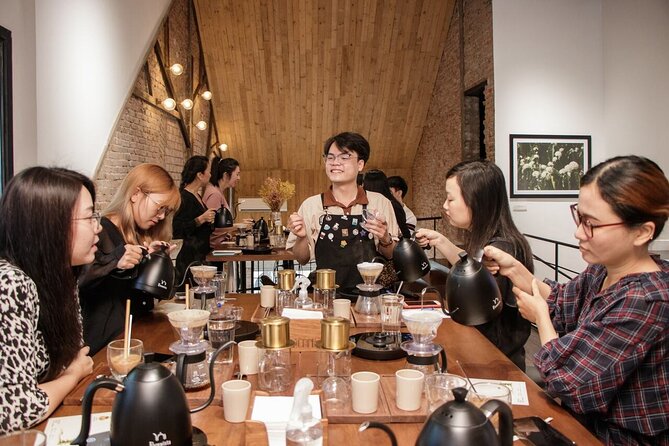
You meet at the Lacàph Coffee Experiences Space, upstairs at 220 Nguyễn Công Trứ in District 1. The location is near public transportation, and the activity ends at the same place, so you do not need to arrange a one-way transfer or find your way to a second neighborhood.
That simple setup matters in Ho Chi Minh City. A morning outing with one fixed address is easier to fit around a hotel breakfast, a museum visit, or an afternoon trip farther from the center. Your mobile ticket and booking confirmation also make arrival straightforward.
The café setting is part of the appeal. This is not a street-side tasting squeezed between errands. You sit in a polished coffee space designed for teaching, with time for a guide to explain what is in your cup and why it tastes the way it does.
The group can include up to 18 people. That is small enough for a class feel, though not so small that you should expect a private lesson. If you want to ask questions, speak up early and stay involved during the demonstrations.
More Vietnamese Coffee Experiences in Ho Chi Minh City
- Fun & Easy Vietnamese Coffee Workshop in Hồ Chí Minh City
★ 5.0 · 293 reviews - Vietnam Coffee Journey – Make extraordinary tasty coffee yourself
★ 5.0 · 30 reviews - Ho Chi Minh Street Food Tour and Vietnamese Coffee
★ 5.0 · 28 reviews
The first lesson uses all five senses
The session opens with a multi-sensory experiment. Rather than beginning with a long lecture about dates and production figures, the guide gets you thinking about coffee through smell, sound, sight, taste, and touch.
That is a smart way to begin. Coffee can seem like a simple drink until you compare beans, roast levels, brewing methods, and added ingredients. Starting with your senses gives you a reference point for the rest of the class.
Your guide then explains Vietnamese coffee culture and the origins and types of coffee found in Vietnam. The material links coffee to different parts of the country, including Hà Nội, Đà Lạt, and Chợ Lớn in Sài Gòn.
The short documentary series helps put those places into the story. You are not just learning that Vietnamese coffee is strong or commonly served with condensed milk. You are seeing how coffee fits into different local settings and traditions.
The format also keeps the session moving. The videos, personal stories, demonstrations, and tastings break up the information, which is useful if you are not already a serious coffee fan.
Roasting the Lacàph Phin Blend
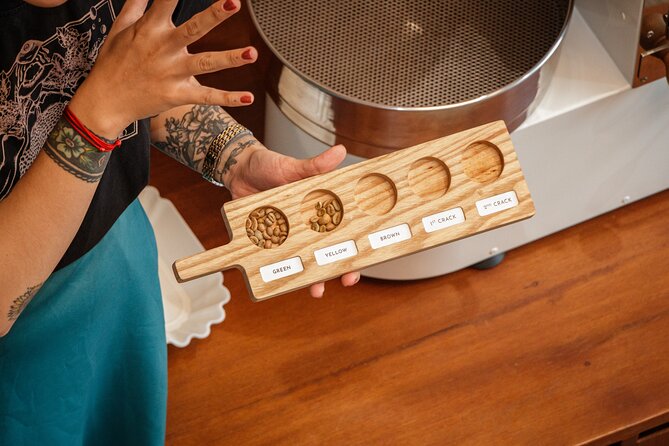
One of the most memorable parts is the small-batch roasting of the Lacàph Phin Blend. You can hear the beans crackle as they roast and smell the aroma change. That sound is easy to miss when you buy a finished bag of coffee, but here it becomes part of the lesson.
You do not simply hear that roasting changes flavor. You watch the change happen. The guide can connect the roast to the finished cup, giving you a better sense of why coffee may smell nutty, earthy, sharp, or sweet.
The demonstration is small in scale, which is a plus. It feels more like a close look at the process than a factory show. At the same time, do not expect a full professional roasting course. The experience shows you the key idea and lets you experience it with your senses, but the main focus remains Vietnamese coffee culture.
This portion is especially useful if you buy coffee in Vietnam. You will have more vocabulary for asking about a blend and more awareness of how roast style affects what reaches your cup.
Brewing two blends and comparing the cups
The coffee guides lead you through the brewing of two Lacàph blends. This gives the class a clear center: taste, compare, and ask questions.
Vietnamese coffee is often associated with the phin, the small metal filter that rests on top of a cup. The class includes phin coffee, and it also covers other preparation methods. One session included pour-over, phin coffee, and salted coffee, while another introduction covered several familiar Vietnamese styles.
The direct comparison is valuable because you can notice differences instead of accepting a general statement about Vietnamese coffee. One blend may feel heavier, another may show a different aroma, and the brewing method can change the balance in the cup.
The guide’s explanations help you understand what you are tasting. You are not expected to identify every flavor like a professional taster. The point is to notice how origin, roasting, and brewing work together.
The coffee comes with light snacks. Cocoa cashews were a particular highlight, and the sweet or savory bites give you a break from the intensity of the drinks. They also show how coffee can be enjoyed as part of a small social ritual, not only as a quick caffeine fix.
Same place, a different way to drink it:
- Egg coffee & Course on 4 traditional types of Viet coffee
★ 4.9 · 487 reviews - Decadent Vietnamese “Egg Coffee” Workshop in Hồ Chí Minh City
★ 5.0 · 150 reviews - Ho Chi Minh City: Fun and Easy Coffee Workshop for Beginners
★ 4.9 · 121 reviews - Techniques & Secrets Behind the Famed Vietnamese Egg Coffee
★ 5.0 · 99 reviews
Phin coffee, salted coffee, and egg coffee
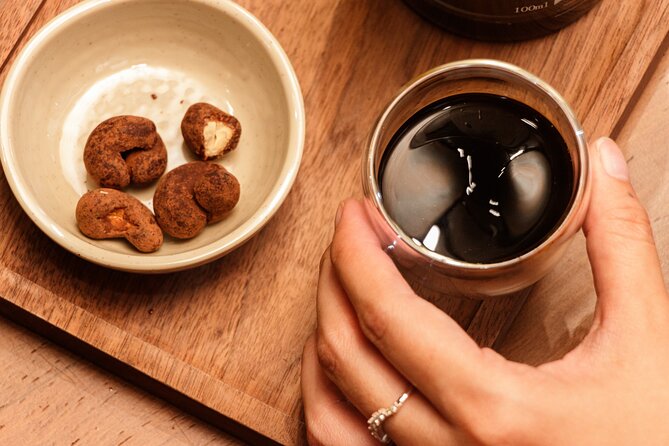
The session touches on several well-known Vietnamese coffee styles. You may learn about phin coffee, salted coffee, and iced coffee with condensed milk. Egg coffee also comes up in the broader cultural discussion, but you should not book this activity expecting to make egg coffee every time.
That detail is important. One participant specifically hoped to prepare egg coffee and did not get the chance. The experience still received strong approval, but the missed preparation shows that the class is not a fixed menu of every Vietnamese coffee drink.
Abby led one session through the origins of Vietnamese coffee and different versions of egg coffee, salted coffee, and condensed milk iced coffee. The exact balance of drinks can depend on the class plan and guide, so treat these as examples of what may be covered rather than a promise of every item.
The famous condensed milk iced coffee is a useful point of reference. It helps explain why Vietnamese coffee often tastes bold enough to work with a sweet, creamy ingredient. Salted coffee offers another lesson in contrast, using a savory note to shape the sweetness and bitterness.
If you already know Vietnamese iced coffee, the class can add context to a familiar drink. If you are new to it, you get a clearer idea of why the flavor is so strong and why the phin remains central to the experience.
The guides are a major part of the value
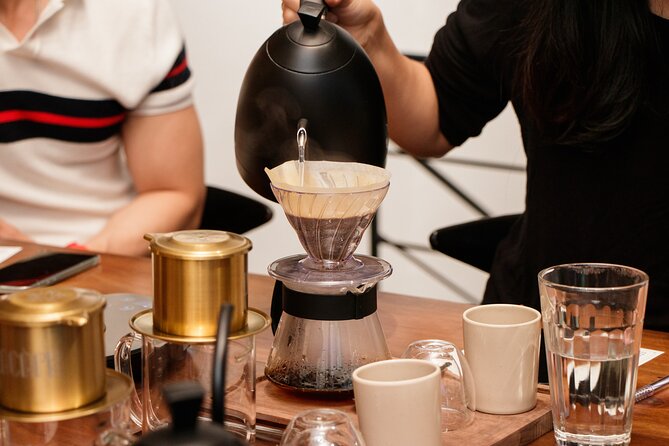
A coffee class succeeds or fails on the teacher. Here, the named guides include Sui, Abby, Vi, Joey, and Tri, and the teaching style is repeatedly described as friendly, clear, and engaging.
Sui is especially good at turning the subject into a lesson rather than a sales pitch. Abby has led sessions covering the history of coffee and several different drinks. Vi has been praised for creating a comfortable class atmosphere and explaining the subject clearly. Joey has been singled out for making the experience good value, while Abby and Tri have worked together on a detailed cultural presentation.
You should still allow for some variation. A class with a different guide may have a slightly different pace or emphasis. That is normal for a small-group experience, but the format gives each guide room to add personal stories and conversation.
The class works best when you ask questions. If you want to know why phin coffee takes time, how salted coffee works, or how the two blends differ, this is the moment to speak up. A passive approach will still give you coffee and information, but participation brings more from the session.
Is $29.68 a fair price?
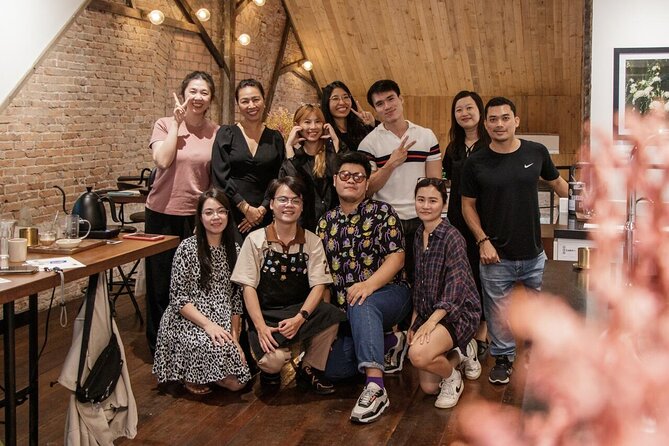
At $29.68 per person, this is not the cheapest way to drink coffee in Ho Chi Minh City. You can buy a local coffee for a small fraction of the cost.
But you are paying for more than beverages. The fee includes a guided cultural lesson, two blends, roasting, several brewing ideas, light snacks, short films, and a comfortable venue. You also get a fixed two-and-a-half-hour plan in central District 1, which can be useful when you want a structured introduction rather than a series of unconnected café stops.
I consider the price fair for coffee lovers, first-time visitors, and anyone who wants context behind the cup. It is less compelling if you only want to sample one iced coffee or if you already know a great deal about Vietnamese roasting and brewing.
The small group limit of 18 helps support the value, though it does not guarantee a private experience. The strongest return comes from the explanations and comparisons, not from the amount of coffee alone.
Who should book this morning class?
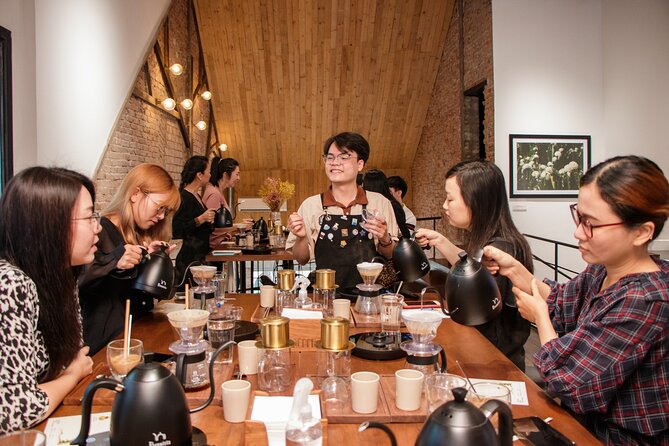
I would suggest it to you if you fit one of these profiles:
- You enjoy coffee and want to understand Vietnamese methods beyond condensed milk iced coffee.
- You want a cultural activity that does not take up the entire day.
- You prefer a clean, comfortable café setting to a long outdoor tour.
- You are staying in or near District 1 and want an easy morning plan.
- You like tastings that include stories, film, and demonstrations.
- You are visiting with family or older companions who may prefer a seated activity.
It also works well for couples, friends, and families with college-aged children. The class offers enough explanation for beginners, while the side-by-side blends and roasting details give experienced coffee drinkers something to compare.
I would hesitate if caffeine is a serious concern, since the session includes several coffee preparations. I would also choose another activity if your main goal is hands-on egg coffee making, since that preparation is not assured.
Timing, cancellation, and practical planning
The start time is 10 a.m., and the activity lasts about two hours and 30 minutes. Since it ends back at the meeting point, you can plan lunch or another District 1 activity afterward without building in a long transfer.
Confirmation arrives when you book, and the activity accepts a mobile ticket. It is near public transportation, but no hotel pickup is listed, so you should plan your own way to 220 Nguyễn Công Trứ.
Free cancellation is available up to 24 hours before the start time for a full refund. Changes or cancellations made less than 24 hours before the start time are not accepted for a refund, and the cut-off follows local time.
I would avoid arriving after a large breakfast if you want to taste each coffee properly. The session includes snacks, including cocoa cashews, but it is not described as a full meal.
Should you book Vietnamese Coffee & Culture Exploration?
Book it if you want a focused introduction to the drinks, tools, and stories behind Vietnamese coffee. The roasting sound, the two Lacàph blends, the phin demonstration, and the short films give the morning more substance than a standard café visit.
You should pass if you only want a quick cup, need a fully caffeine-free activity, or specifically want a guaranteed egg coffee workshop. For most coffee fans spending time in Ho Chi Minh City, though, $29.68 buys a useful cultural lesson, good tasting variety, and a morning that leaves plenty of room for the rest of the city.
FAQ
Where does the coffee experience start?
It starts at the Lacàph Coffee Experiences Space upstairs at 220 Nguyễn Công Trứ, Phường Nguyễn Thái Bình, District 1, Ho Chi Minh City.
What time does the activity begin?
The activity begins at 10 a.m.
How long does the experience last?
It lasts approximately two hours and 30 minutes.
Where does the activity finish?
It finishes back at the meeting point at Lacàph Coffee Experiences Space.
How many people can join the activity?
The maximum group size is 18 people.
What coffee activities are included?
You learn about Vietnamese coffee origins and types, watch a small batch of Lacàph Phin Blend roast, and take part in brewing two Lacàph coffee blends. The session can also cover phin, pour-over, salted, condensed milk iced, and egg coffee styles, though every preparation is not guaranteed.
Are snacks included?
Yes. The experience includes light snacks served with the coffee. Cocoa cashews are one example of the treats provided.
Can I cancel for a full refund?
Yes. You can cancel at least 24 hours before the local start time for a full refund. Cancellations or changes made less than 24 hours before the start time are not accepted for a refund.
Just added around Ho Chi Minh City
- Ho Chi Minh Best Walking Tour: Food, Coffee & History★ 5.0 · 19 reviews
- Tea & Coffee Experience★ 5.0 · 10 reviews
- Sai Gon Special Coffee At Landmark 81 & Street Food tour★ 5.0 · 3 reviews
- Saigon Special Night Coffee Landmark 81 & Food Tour★ 5.0 · 2 reviews
- Hands-on making 3 Iconic Coffees of South Central North Vietnam★ 5.0 · 14 reviews
- Mastering Egg Coffee-Course on 4 traditional types of Viet coffee★ 5.0 · 16 reviews
- Private Ho Chi Minh City Tour from Port & Vietnamese Egg Coffee★ 5.0 · 6 reviews
- Discover Vietnam’s Coffee Culture.★ 5.0 · 5 reviews
Vietnamese Coffee Experiences, compared.
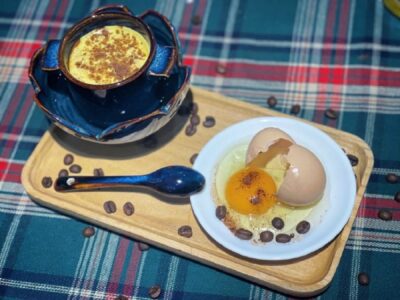
Vietnamese Coffee Culture and Coffee Making Class
Read our review →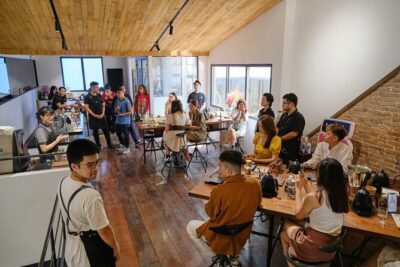
Fun & Easy Vietnamese Coffee Workshop in Hồ Chí Minh City
Read our review →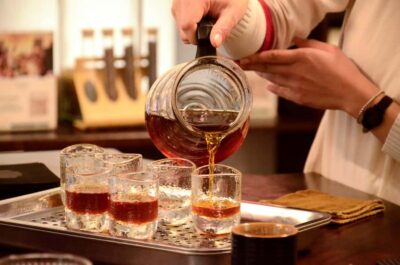
Vietnamese Coffee Workshop with 6 Brews and 8 Recipes
Read our review →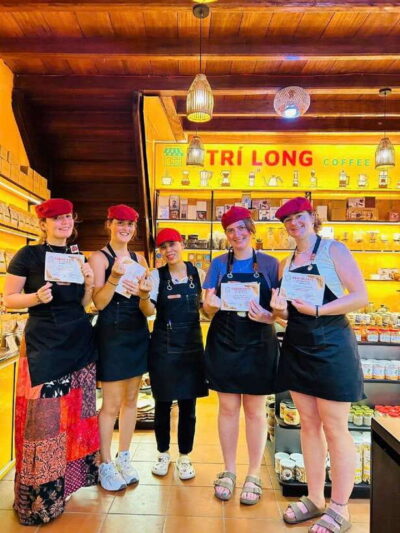
Vietnamese Coffee Making Workshop at Local Roastery
Read our review →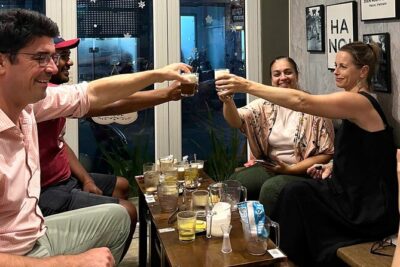
Hanoi Coffee Workshop: Master 6 Signature Vietnamese Coffee
Read our review →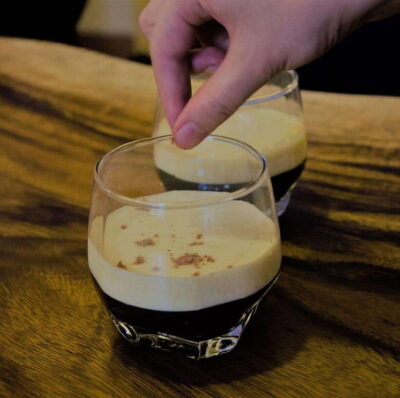
Hands-on Vietnamese Coffee Making Class with Long
Read our review →
Six Cups of Vietnam Coffee Workshop in Hanoi with Local Barista
Read our review →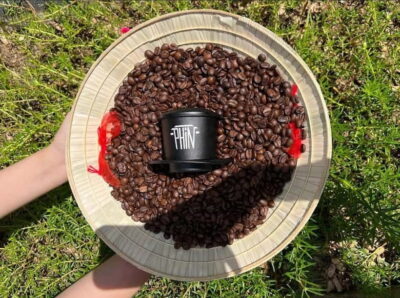
Browse the lists this tour appears in