
Review · HOI AN
Authentic Vietnamese Coffee Making Experience in Hoi An
Vietnamese coffee is more than a strong drink served over ice. In this two-hour Hoi An class, you learn how the Phin filter works, then make two styles yourself, choosing from egg, coconut, salt, and traditional drip coffee. I like the hands-on format and the take-home recipes. The main catch is that you choose only two coffees, so you cannot make every style unless your group shares.
I also like the clear, friendly teaching. Van and David are named as instructors for sessions, and the class covers both technique and the place coffee holds in Vietnamese daily life. At $18, the price is fair for the tools, instruction, drinks, and certificate, though you should plan your own way to the meeting point.
Key points at a glance
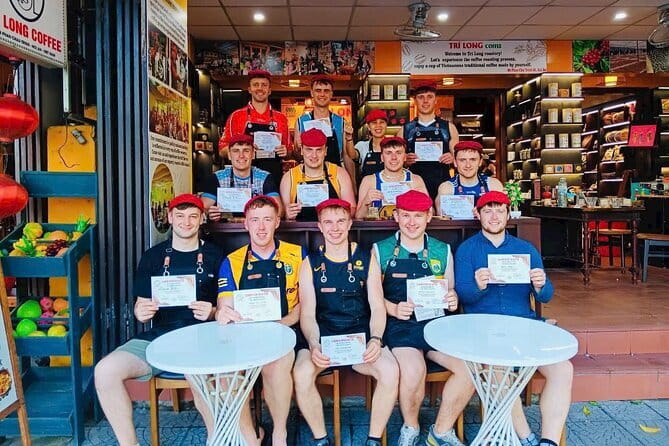
- Choose two coffees: Pick from phin drip, egg, coconut, and salt coffee.
- Learn with your hands: You do not just watch a demonstration. You prepare the drinks yourself.
- Meet in central Hoi An: The class begins and ends at 88 Phan Chu Trinh.
- Take home useful material: You receive recipes, coffee tools for the session, and a course certificate.
- Expect about two hours: The pace leaves room for explanation, preparation, tasting, and questions.
- Plan for your own transport: Pickup and drop-off are not included, but the meeting point is near public transportation.
Why Vietnamese coffee makes a good Hoi An class
A coffee class gives you a short break from the usual sightseeing routine. Instead of looking at another attraction, you sit down, learn a local method, and taste something you can try again after returning home.
Vietnamese coffee is especially suited to this kind of lesson because the brewing methods are easy to see. The small metal Phin filter sits over the cup, and the coffee drips slowly through it. You can watch the process rather than waiting for an unseen machine to finish.
The class also shows how one base ingredient can change with a few additions. Condensed milk creates sweetness and body. Egg yolk turns coffee into a creamy dessert-like drink. Coconut adds a tropical note, while salt softens bitterness and brings out other flavors.
I like this range because it gives you more than a single recipe. You get a quick introduction to different ways Vietnamese coffee is prepared, then choose the two that sound most appealing. The format suits beginners, but people who already know their way around coffee should still find the comparisons useful.
More Coffee Making Classes in Hoi An
- Hoi An: Vietnamese Coffee Culture and Coffee Making Class
★ 4.9 · 4,006 reviews - Vietnamese Culture and Coffee Making Class
★ 5.0 · 497 reviews - Hoi An: Vietnamese Coffee Making Workshop at Local Roastery
★ 4.8 · 174 reviews
Starting at 88 Phan Chu Trinh
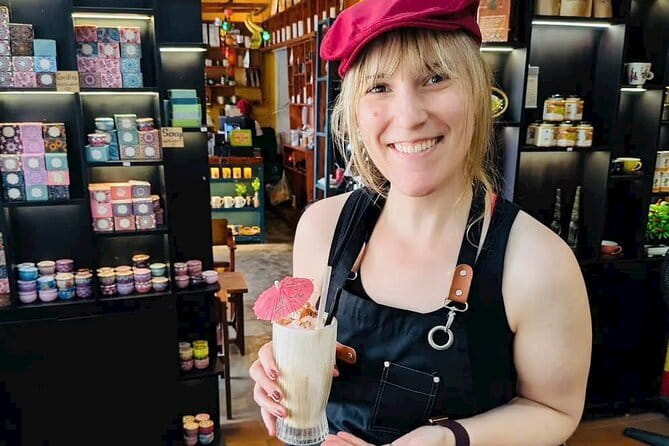
The meeting point is 88 Phan Chu Trinh, Minh An Ward, in Hoi An. The activity returns to this same location, so there is no second meeting point to find at the end.
That simple setup matters in Hoi An. A class with no hotel pickup is less convenient than one with door-to-door transport, but it also keeps the booking straightforward and the price low. You are responsible for getting there and back. The location is near public transportation, and you should allow enough time to arrive before the scheduled start.
The class is listed for a maximum of 50 people. That is a fairly large possible group for a hands-on lesson. The actual feel may depend on the number booked for your session, so do not assume you will receive a private lesson. If you want close one-to-one attention, send your WhatsApp number when booking and use it to confirm practical details with the provider.
Hoi An can be hot, and one coffee preparation may involve standing, stirring, or waiting for a slow drip. A cooler time of day will make the lesson more comfortable. The activity itself lasts about two hours, so it fits neatly into a morning or afternoon without taking over your sightseeing schedule.
The Phin filter: Vietnam in one slow drip
The traditional Phin filter is the foundation of the class. It is a small metal brewer placed over a cup. Ground coffee goes inside, water is added, and the brew passes slowly through the filter.
This method is worth learning because it is simple and portable. You do not need an espresso machine or a large collection of equipment. Once you receive the basic recipe and understand the process, you can try to recreate it at home with the right filter and coffee.
The taste is usually bold and concentrated, which explains why Vietnamese coffee often works well with condensed milk or ice. The class uses the Phin as a way to explain both technique and flavor. You can see how the coffee changes as it drips, rather than treating brewing as a mystery.
This portion is also a good choice if you want the most traditional option. Egg, coconut, and salt coffee are memorable specialties, but phin coffee gives you the clearest connection to the everyday Vietnamese coffee ritual.
Egg coffee: a dessert in a cup
Egg coffee is the most unusual option for many people. The mixture uses coffee, egg yolks, condensed milk, and sugar. The yolks are whipped into a creamy topping, creating a smooth texture over the coffee.
The appeal is partly the contrast. The coffee brings bitterness and strength, while the egg mixture adds sweetness and a custard-like feel. It is closer to a small dessert than a plain morning cup, although the coffee remains important.
The class lets you see how the topping is made instead of simply receiving a finished drink. That makes the recipe less intimidating. You learn that the appeal comes from texture as much as flavor.
Egg coffee is a strong pick if you enjoy sweet drinks or want the most distinctive souvenir from the lesson. If you prefer black coffee, it may be too rich or sweet for your taste. Since you choose only two styles, pair it with phin coffee if you want a clear contrast.
More Coffee Making Classes in Vietnam
- Hoi An: Lantern and Coffee Making Class
★ 5.0 · 154 reviews - Hoi An: Hands-on Vietnamese Coffee Making Class with Long
★ 4.8 · 66 reviews - Unique Lantern and Coffee Making Class in Hoi An
★ 5.0 · 55 reviews - Hoi An: Vietnamese Coffee Making Course
★ 4.9 · 25 reviews
Coconut coffee for a cooler, sweeter break
Coconut coffee brings a softer, tropical flavor. The lesson focuses on adding the nutty sweetness of coconut to coffee, creating a drink that feels lighter and more refreshing than the intense phin brew alone.
This is a sensible choice on a hot Hoi An day, especially if you like chilled or sweet coffee. It also gives the class a different direction from egg coffee. Instead of a thick, creamy topping, the coconut version highlights aroma and sweetness.
The description does not specify the exact serving temperature or recipe proportions, so you should listen closely during the demonstration and write down the details you want to repeat at home. Your included recipe should help, but coffee results can change with different beans, coconut products, and amounts of sugar.
Choose coconut coffee if you want something approachable and easy to share. It is likely to appeal to people who do not usually drink strong black coffee.
Salt coffee and the science of less bitterness
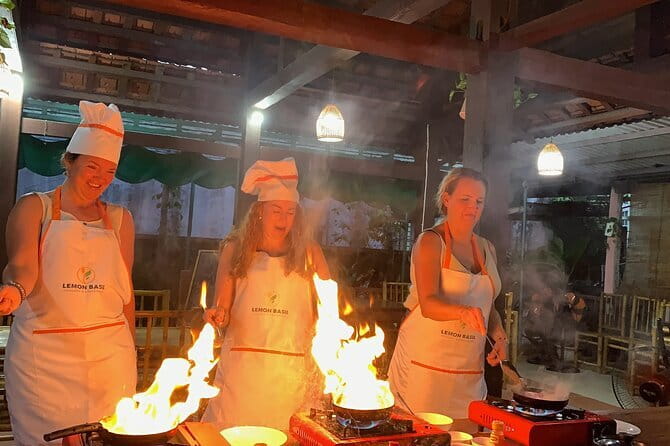
Salt coffee sounds odd until you understand the purpose. A small amount of salt can reduce the perception of bitterness and help other coffee flavors come forward. The aim is not to make a salty drink.
This is one of the better lessons in the class because it shows how a tiny adjustment can change the whole cup. You are not simply adding a novelty ingredient. You are learning how taste works and why balance matters.
Salt coffee is a good choice if you like coffee with a sharper edge but do not want heavy sweetness. It also makes a fun comparison with egg coffee. One is creamy and sweet, while the other uses a small amount of salt to smooth the coffee’s bitter notes.
The main practical tip is to follow the instructor’s measurements. More salt will not make the drink better. The class gives you a controlled way to test the idea without guessing at home.
Choosing your two coffees
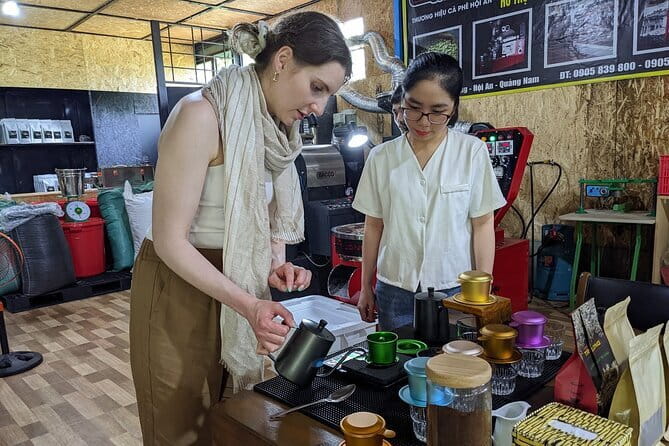
You choose two kinds of coffee to make. The four options are traditional phin coffee, egg coffee, coconut coffee, and salt coffee.
Your choice should depend on what you want from the class:
- Choose phin and egg for the clearest mix of tradition and specialty coffee.
- Choose egg and salt for two of the most distinctive flavors.
- Choose coconut and egg if you prefer sweet, creamy drinks.
- Choose phin and salt if you want to focus on the coffee itself.
- Choose coconut and salt for a broader contrast between tropical sweetness and savory balance.
Some people in a shared booking may taste more than two styles if others are willing to share. Do not count on that, though. The stated format gives each person two coffees, so select your favorites before the class begins.
What the two hours are worth at $18
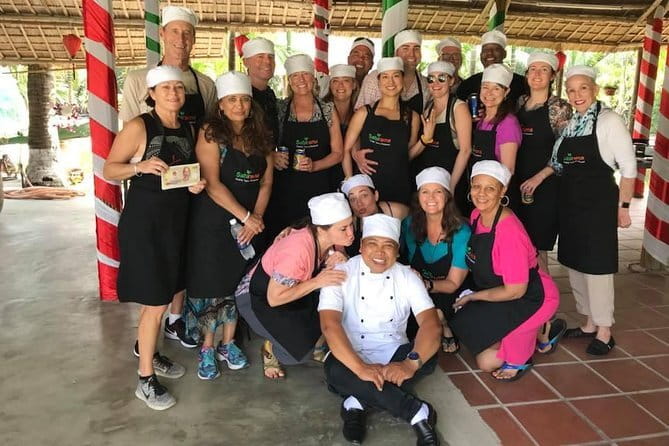
The $18 price is reasonable because it covers more than two drinks. You receive coffee-making tools during the class, an English-speaking instructor, coffee or tea, the recipes for the drinks you make, and a Vietnamese coffee-making course certificate.
The recipes are the most useful extra. A certificate is a pleasant keepsake, but the recipes give the class lasting value. You can use them to recreate the drinks at home and adjust the sweetness or strength to your taste.
The price also compares well with a standard cafe visit if you value instruction. You are paying for a structured activity, not just a cup of coffee. The tradeoff is that you must arrange transport yourself, and the class may include up to 50 people.
I would consider it good value for couples, solo visitors, and small groups looking for a two-hour cultural activity. It is less compelling if you only want to taste coffee and do not care how it is prepared.
The teaching style and atmosphere
The instructors explain Vietnamese coffee culture before moving into preparation. That context helps the drinks make sense. You learn not only what to add, but why different styles have become part of Vietnam’s coffee scene.
The available feedback points to a relaxed class in which the instructor does not rush the process. Van and David are specifically named, and both are associated with friendly, clear teaching. The tone appears informal rather than academic, which suits a practical cooking-style activity.
The class is conducted in English. That makes the instructions accessible to English-speaking participants, though the maximum group size means the amount of personal attention can vary.
You should expect an atmospheric setting rather than a formal professional training course. The goal is to learn, taste, and have fun. If you are seeking advanced barista skills, espresso extraction, or a detailed study of roasting, this is not the right format. If you want an enjoyable introduction to local coffee, it fits well.
Who should book this class
I would recommend this activity to:
- Coffee drinkers who want to understand Vietnamese preparation methods.
- People who enjoy food classes but have limited time.
- Couples who want a shared activity beyond sightseeing.
- Families with older children who can follow simple preparation steps.
- Beginners who want recipes they can use after the trip.
- Anyone curious about egg or salt coffee but hesitant to order a full serving without guidance.
It may be less suitable if you dislike sweet drinks, cannot consume egg or condensed milk, or want a quiet private class. The available information does not provide ingredient substitutions, so ask before booking if you have dietary concerns.
You should also consider the heat. The class is indoors or at a set meeting location, but no specific cooling arrangements are given. A cooler start time is the sensible choice.
Booking details that matter
You need to provide your WhatsApp number when booking. This gives the provider a way to contact you about the class, so use a number you check while in Vietnam.
Confirmation is provided when you book. The activity has a mobile ticket, and pickup and drop-off are not included. The meeting point is both the start and end location.
Free cancellation is available if you cancel at least 24 hours before the local start time. Cancellations made less than 24 hours in advance are not refunded, and late changes are not accepted. That policy is fairly standard, but it matters if your Hoi An plans are still shifting.
Should you book the Hoi An coffee class?
Book it if you want a friendly, useful introduction to Vietnamese coffee and like the idea of making the drinks yourself. The strongest reasons are the choice of two coffee styles, the simple Phin lesson, the unusual egg and salt recipes, and the take-home instructions.
Skip it if you only want a quick tasting, need hotel transport, or expect advanced barista training. The possible group size of 50 is also worth noting if you prefer a small class.
For $18, this is a practical Hoi An activity with more value than a standard cafe stop. Choose your two coffees carefully, arrive at 88 Phan Chu Trinh in good time, and plan the class for a cooler part of the day.
FAQ
How long does the Vietnamese coffee class last?
The activity lasts approximately two hours.
Where does the class begin?
It begins at 88 Phan Chu Trinh, Minh An Ward, Hoi An, Quang Nam, Vietnam.
Where does the activity end?
The activity ends back at the same meeting point.
How many coffees can I make?
You choose two types of coffee to make during the class.
Which coffee styles can I choose?
The choices are Vietnamese Phin filter coffee, egg coffee, coconut coffee, and salt coffee.
Is an English-speaking instructor included?
Yes. An English-speaking instructor leads the coffee-making course.
Are coffee tools and recipes included?
Yes. Coffee-making tools are provided, and you receive the recipes for the coffees you make.
Is pickup and drop-off included?
No. Pickup and drop-off are not included. The meeting point is near public transportation.
What is the cancellation policy?
You can cancel at least 24 hours before the local start time for a full refund. Cancellations or changes made less than 24 hours before the start time are not accepted for a refund.
More Vietnamese Coffee Experiences in Hoi An
- Hoi An: Hand-on Making Vietnamese Coffee Class & Culture
★ 4.7 · 9 reviews - Vietnamese Coffee Making Class in Hoi An
★ 5.0 · 4 reviews - Hoi An Vietnamese Coffee Workshop: Hands-On Brewing Class
★ 5.0 · 3 reviews - Exploring Vietnamese Coffee Culture, Coffee Making in Hoi An
★ 3.7 · 3 reviews
Just added around Hoi An
- Vietnamese Coffee Making Class in Hoi An★ 5.0 · 4 reviews
- Vietnamese Egg Coffee Making Course in Hoi An★ 3.5 · 2 reviews
- Hoi An Ancient Town and Coffee Making Course★ 5.0 · 4 reviews
- Hoi An Vietnamese Coffee Workshop: Hands-On Brewing Class★ 5.0 · 3 reviews
- Hoi An Coffee Making Workshop★ 5.0 · 7 reviews
- Market- Coffee- Cooking class in Hoi An (JHA2)★ 5.0 · 16 reviews
- Hoi An Coffee Tasting And Old Town Discovering Tour★ 5.0 · 4 reviews
- Farming- Market- Coffee- Cooking (JHA1)★ 5.0 · 9 reviews
Vietnamese Coffee Experiences, compared.
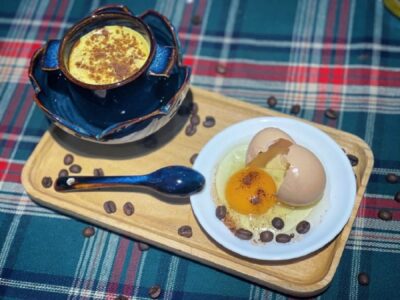
Vietnamese Coffee Culture and Coffee Making Class
Read our review →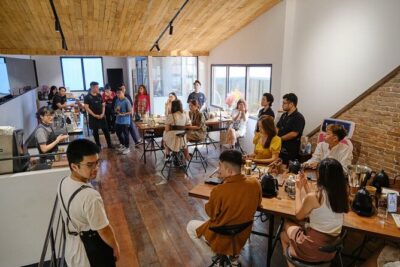
Fun & Easy Vietnamese Coffee Workshop in Hồ Chí Minh City
Read our review →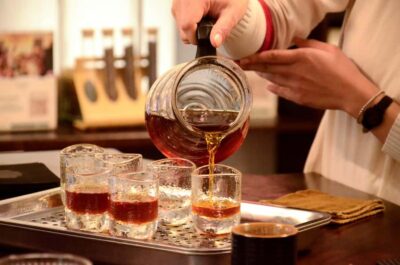
Vietnamese Coffee Workshop with 6 Brews and 8 Recipes
Read our review →
Vietnamese Coffee & Culture Exploration in Hồ Chí Minh City
Read our review →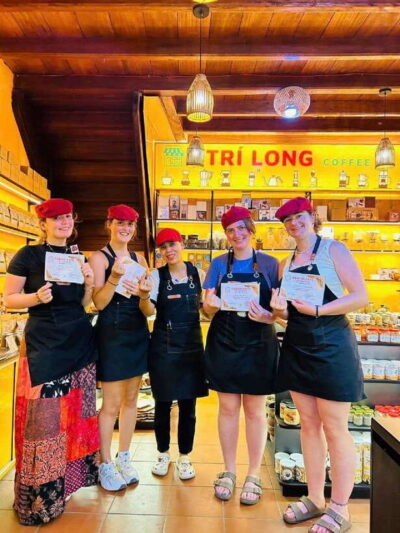
Vietnamese Coffee Making Workshop at Local Roastery
Read our review →
Hanoi Coffee Workshop: Master 6 Signature Vietnamese Coffee
Read our review →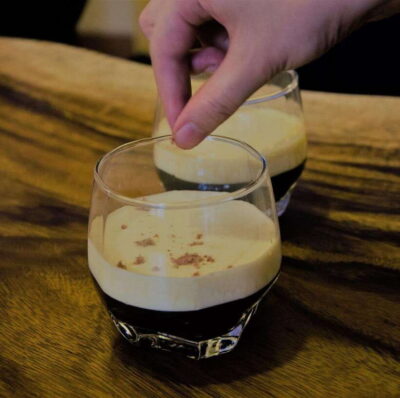
Hands-on Vietnamese Coffee Making Class with Long
Read our review →