Review · HOI AN
Vietnamese Coffee Making Class in Hoi An
Vietnamese coffee is not shy. It is dark, slow-dripped, sweetened with condensed milk, and sometimes mixed with egg, coconut, or even salt. This hands-on Hoi An class lets you make the drinks yourself rather than simply ordering another cup at a café.
I like the choice of coffee styles and the small group size. You can focus on classic phin coffee or try a more unusual drink such as egg or Hue-style salt coffee. The $16 price also covers the course, ingredients, equipment, water, and a cup you make yourself. The main drawback is the short format: you may taste several drinks, but you will not get a long lesson in Vietnamese coffee farming or roasting theory.
- Roast the beans: See how raw beans become fragrant coffee and learn how roast levels affect taste.
- Use a traditional phin: Make Vietnam’s slow-dripped coffee with the small metal filter used in cafés and homes.
- Choose your coffee style: Pick egg, coconut, salt, or classic Vietnamese phin coffee, depending on availability and your booking choice.
- Keep the group small: The class is limited to 10 people, which gives you a better chance to handle the tools yourself.
- Plan for plenty of caffeine: Making three coffees can be fun, but it is a lot of sweetness and caffeine in a short period.
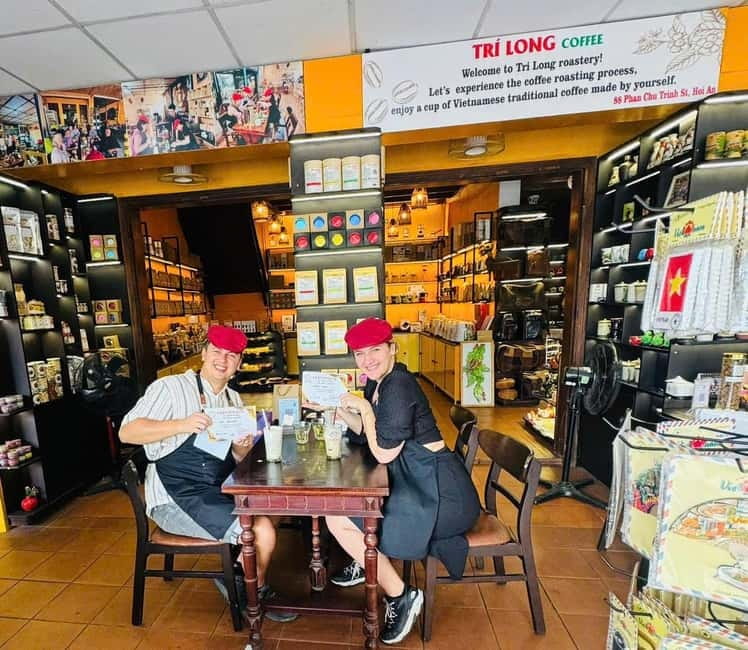
- Meet in central Hoi An: Find Trí Long Coffee at 88 Phan Chau Trinh Street and look for the guide in a red hat.
What the Hoi An Coffee Class Really Offers
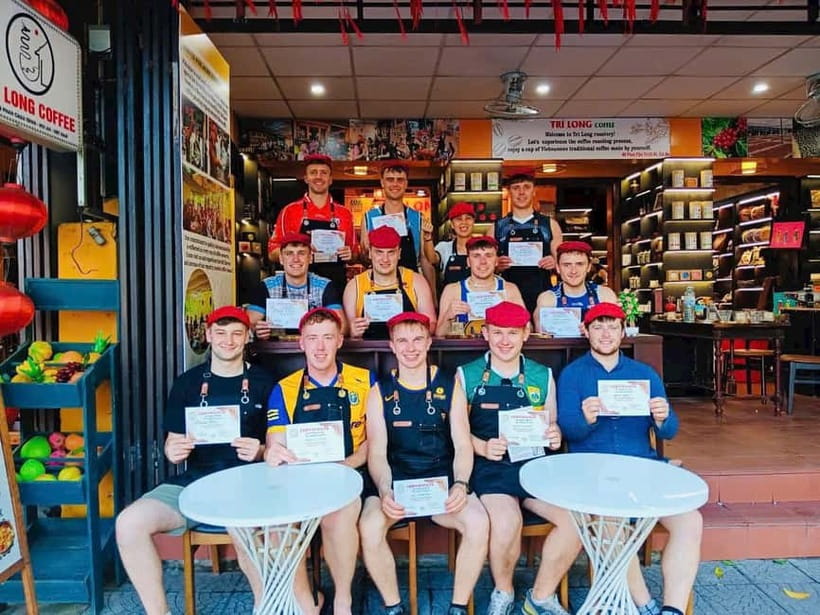
This is a short introduction to one of Vietnam’s most recognizable daily rituals. You meet at Trí Long Coffee in central Hoi An, where an English-speaking instructor leads the class. The group can include up to 10 people, so it feels more personal than a large demonstration, while still keeping the price low.
The class lasts from one hour to 90 minutes, depending on the session you choose. That timing suits a free morning, a rainy afternoon, or a break between sightseeing stops in Hoi An’s old center. You do not need to set aside half a day or arrange transport outside town.
The focus is practical. You receive the ingredients and tools, follow the instructor’s steps, and prepare a coffee yourself. That matters because Vietnamese coffee is as much about method as it is about ingredients. The slow drip of a phin filter, the order in which you add condensed milk, and the texture of an egg topping all affect the final drink.
Starting With Beans and Roast Levels
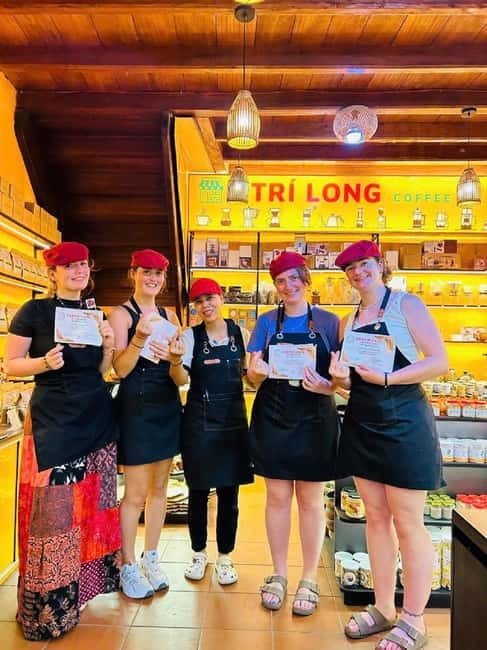
The roasting demonstration gives you a basic look at the path from raw coffee bean to finished drink. You will learn that roast level changes the flavor, aroma, and strength you notice in the cup.
This part is useful even if you normally drink coffee with milk or sugar. A darker roast can bring out a stronger, more bitter profile, while other roast levels may produce different aromas and a softer taste. The point is not to turn you into a professional roaster in 20 minutes. It is to help you understand why Vietnamese coffee tastes so bold.
The class is especially helpful for curious beginners. You can see and smell the process instead of treating coffee as an anonymous powder poured into a cup. If you already know a lot about roasting, the lesson may feel brief. The available information suggests that the session gives you a practical overview, not a long technical talk about growing regions, processing methods, or farm-to-cup production.
That limitation is worth keeping in mind. One participant enjoyed the class but felt that more background information would have improved it. If you want a detailed coffee seminar, this is probably too short. If you want a friendly introduction with something to drink at the end, the balance works better.
More Coffee Making Classes in Hoi An
- Hoi An: Vietnamese Coffee Culture and Coffee Making Class
★ 4.9 · 4,006 reviews - Vietnamese Culture and Coffee Making Class
★ 5.0 · 497 reviews - Hoi An: Vietnamese Coffee Making Workshop at Local Roastery
★ 4.8 · 174 reviews
Making Coffee With the Vietnamese Phin
The phin filter is the heart of the class. This small metal brewer sits on top of a glass or cup. Ground coffee goes inside, hot water passes through slowly, and the finished drink collects below.
You will watch the instructor demonstrate the method, then make your own cup. The slow drip gives you time to notice the color and aroma as the coffee develops. It also explains why Vietnamese coffee has such a different rhythm from a quick espresso or a standard filter machine.
Classic phin coffee is usually bold, so condensed milk helps soften the bitterness and adds sweetness. That contrast is one reason the drink is so popular. You get a strong coffee base with a smooth, sugary finish.
Pay attention to the pacing. The phin is not meant to rush. If you lift or disturb it too quickly, you can change the flow and end up with a weaker or uneven cup. The instructor can guide you through the process, but the pleasure comes from doing it yourself and seeing how a simple metal filter creates a full-flavored drink.
For many people, this is the most useful part of the session. You can take the basic method home without buying expensive equipment. The filter is compact, easy to understand, and closely tied to everyday Vietnamese café culture.
Choosing Egg Coffee in the Hanoi Style
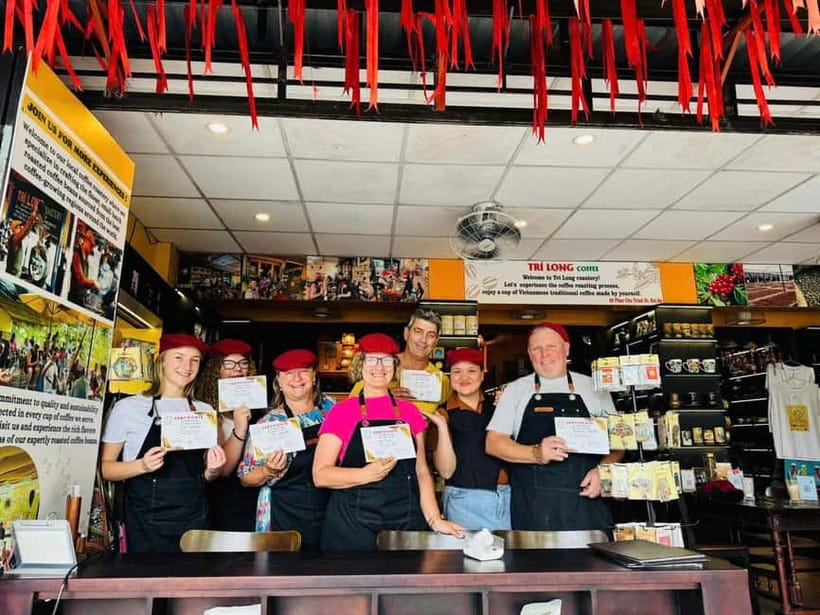
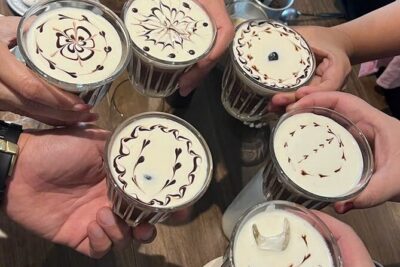
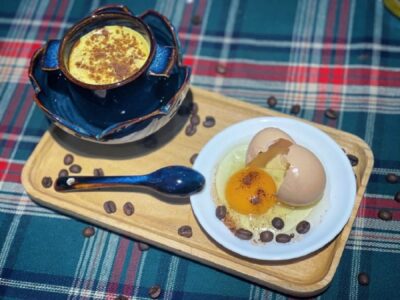
Egg coffee is the most dessert-like option. The drink combines coffee with egg yolks, condensed milk, and sugar, creating a thick, creamy topping over the coffee below.
The instructor shows you how to prepare the mixture so it becomes smooth rather than eggy. The finished drink has a soft texture and a sweet taste, with the coffee providing a darker counterpoint. It is closer to a liquid dessert than a plain morning brew.
This is a good pick if you like sweet drinks or want to try one of Vietnam’s best-known coffee specialties. It also gives you a clear example of how local cafés turn basic ingredients into something distinctive.
Egg coffee may not suit every palate. If you prefer black coffee, the sugar and condensed milk can feel heavy. The same is true if you are planning to make several drinks during one class. You can choose only one coffee style, or you can select multiple sessions if you want a wider tasting. Three rich, caffeinated drinks in a short time may be more than you expect.
Ask about substitutions if you need one. During one class, a participant who had enough coffee was offered a chocolate drink instead of a final coffee. That kind of flexibility can make the multi-drink option easier to manage, though you should not assume every substitution is guaranteed.
Coconut Coffee for a Sweeter, Cooler Taste
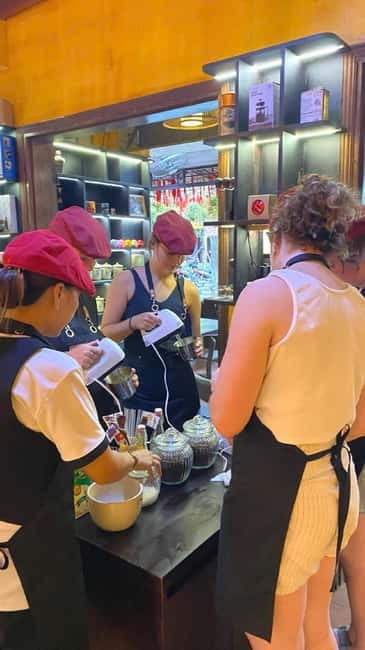
Coconut coffee brings a tropical note to the basic drink. You learn how to combine coffee with coconut for a nutty sweetness and a smoother, more refreshing result.
This style is a natural choice in Hoi An’s warm climate. It is less austere than black coffee and offers a flavor that feels clearly different from the phin version. If you enjoy coconut desserts, you will probably understand the appeal right away.
The class lets you see how the coffee base changes when you add another strong ingredient. Coconut does not simply hide the coffee. It changes the balance, bringing sweetness and a soft texture to the darker roast.
Coconut coffee also makes a good choice for people who want something approachable. The classic phin drink can taste intense if you usually drink lighter coffee. Coconut gives you a gentler entry point while still keeping the Vietnamese coffee base.
More Coffee Making Classes in Vietnam
- Hoi An: Lantern and Coffee Making Class
★ 5.0 · 154 reviews - Hoi An: Hands-on Vietnamese Coffee Making Class with Long
★ 4.8 · 66 reviews - Unique Lantern and Coffee Making Class in Hoi An
★ 5.0 · 55 reviews - Hoi An: Vietnamese Coffee Making Course
★ 4.9 · 25 reviews
Trying Hue Imperial Salt Coffee
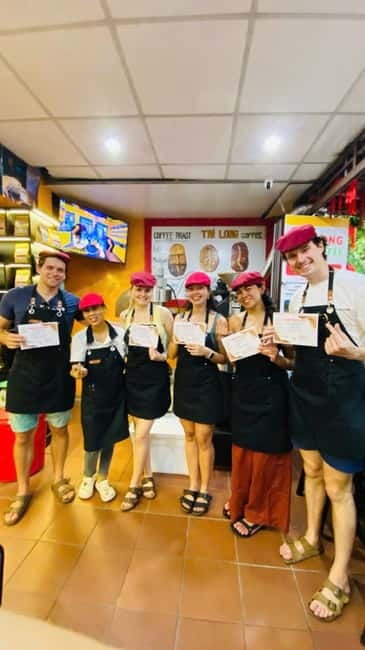
Salt coffee sounds odd until you understand what the salt does. A small amount can reduce the impression of bitterness and bring the coffee’s other flavors forward. In the Hue-style version, salt is combined with the coffee to create a balanced sweet and savory profile.
This is one of the more interesting choices because the ingredient is so simple. You are not adding a large savory element. The salt works in the background, much as a little salt can sharpen the taste of chocolate or caramel.
Choose this option if you want the class to include something beyond the familiar coffee-and-milk combination. It is also a useful lesson in taste. You can compare the same general coffee base with and without the salt and notice how your impression changes.
Do not expect a salty broth-like drink. The aim is a harmonious coffee flavor, not a cup dominated by salt. The instructor explains the basic reason for the combination, then helps you prepare it yourself.
Why the Small Group Matters
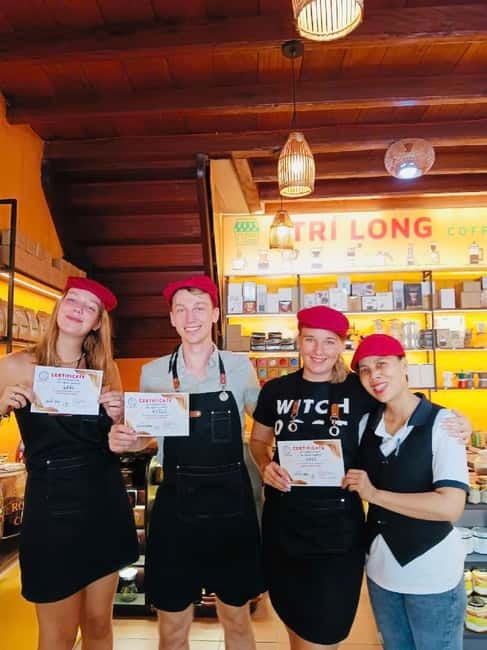
A group limit of 10 people is a practical advantage. You are not only watching a barista work several meters away. You have a better chance to handle the phin, mix the ingredients, and ask for help when something does not look right.
Small groups also matter in a class with several drink choices. Egg coffee requires attention to texture. Phin coffee depends on the drip. Coconut and salt coffee each require a different balance. A crowded room would make it harder for the instructor to keep an eye on everyone.
The English-language instruction is another useful feature. You can follow the steps and ask questions as you work. Still, the class appears designed as a short practical session, not an advanced lecture. If you want more detail about Vietnam’s coffee-growing regions, colonial-era coffee culture, or individual bean varieties, ask questions during the demonstration. The class may not cover those subjects on its own.
Is $16 a Fair Price?
At $16 per person, the class offers solid value for a one-hour to 90-minute activity. The fee includes the coffee course, ingredients, tools, water, and at least one cup made by you. You are paying for instruction as well as the drinks, and the hands-on element makes the price more useful than simply buying several coffees at a café.
The value improves if you choose a session that lets you prepare more than one style. You can compare classic phin coffee with egg, coconut, or salt coffee and leave with a clearer sense of your favorite.
There is a limit, though. Food is not included, and hotel pickup and drop-off are not included. You need to reach Trí Long Coffee on your own and pay for anything outside the listed class inclusions.
For a short activity in central Hoi An, the cost is easy to fit into a sightseeing day. It is particularly worthwhile if you have never used a phin filter or want a simple cultural activity that does not require a full-day commitment.
Timing, Meeting Point, and Accessibility
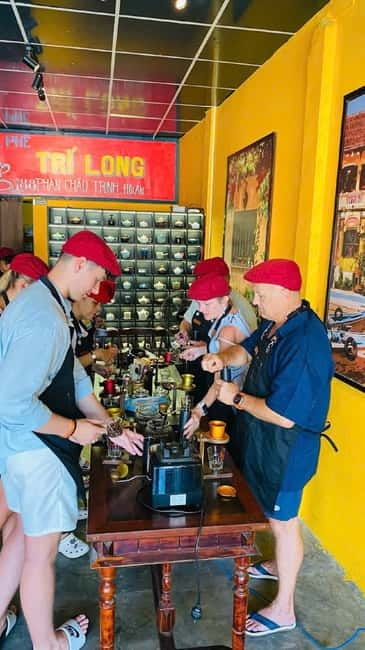
The meeting point is Trí Long Coffee, at 88 Phan Chau Trinh Street in Hoi An. Look for a guide outside the coffee shop wearing a red hat. That detail is useful because the meeting point is a café rather than a large tour office.
Check the available start times when booking. The activity is offered in a one-hour to 90-minute format, and the exact length can depend on whether you make two or three coffee styles.
There is no hotel pickup or drop-off, so plan your route to the café before the start time. Since the meeting point is in central Hoi An, you should allow enough time to find the address without arriving in a rush.
The activity is listed as wheelchair accessible. If you need a particular seating arrangement or have other mobility needs, it is still sensible to confirm the details before booking.
Cancellation is free up to 24 hours before the activity for a full refund. You can also reserve and pay later, which helps if your Hoi An schedule is still changing.
Who Will Enjoy This Most?
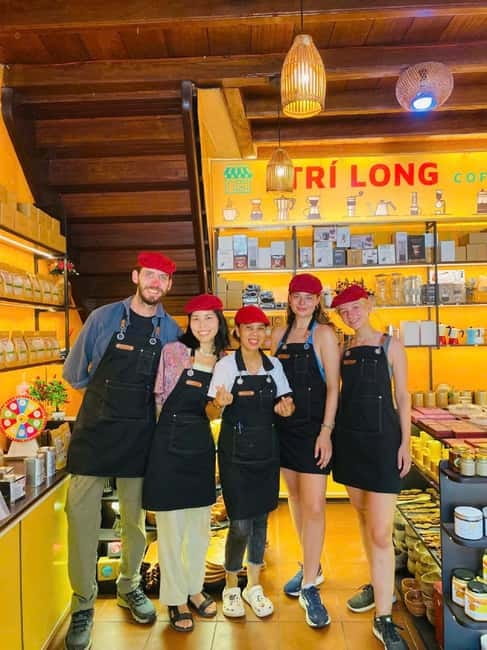
I would recommend this class to coffee beginners, couples, families with older children, and anyone looking for a short indoor activity. It works especially well on a rainy afternoon, when a café-based lesson gives you something more engaging than simply waiting for the weather to clear.
It is also a good fit for people who enjoy food workshops but do not want a long cooking class. You get to prepare a drink, learn a technique, and taste the result without giving up most of your day.
Coffee fans should enjoy the chance to compare roast levels and brewing methods. The class may be less satisfying for an experienced barista who wants detailed technical instruction or extended discussion of coffee production.
Be realistic about the tasting load. If you book three coffees, you may get a generous dose of caffeine and sweetness. One drink is enough to learn the main technique, while two or three make more sense if you want to compare styles and are comfortable with the volume.
Should You Book the Trí Long Coffee Class?
Book it if you want an affordable, central Hoi An activity with real participation. The best reasons are the choice of coffee styles, the traditional phin lesson, the small group, and the chance to make your own drink instead of only watching a demonstration.
Choose the classic phin session if you want the most useful skill to repeat at home. Pick egg or coconut coffee if you prefer sweet, dessert-like flavors. Try salt coffee if you want the most unusual tasting.
Skip it if you are seeking a long, detailed course on Vietnamese coffee farming and roasting. Also think twice about booking three coffee sessions if caffeine affects you quickly.
For $16, this is a practical and easygoing way to understand why Vietnamese coffee tastes the way it does. You leave with a new brewing method, a better sense of local drink culture, and at least one cup prepared by your own hands.
FAQ
How long does the Vietnamese coffee class last?
The class lasts between one hour and 90 minutes. Check the available start times and session details when booking.
How much does the class cost?
The price is $16 per person.
Where does the class meet?
The meeting point is Trí Long Coffee at 88 Phan Chau Trinh Street in Hoi An.
How do I find the instructor?
Look for a guide standing outside the coffee shop and wearing a red hat.
Which coffees can I make?
You can choose from Vietnamese phin filter coffee, Hanoi-style egg coffee, coconut coffee, and Hue-style salt coffee.
Is the class taught in English?
Yes. The instructor speaks English.
What is included in the price?
The price includes the coffee-making course, ingredients, tools, water, and a cup of coffee made by you.
Is hotel transportation included?
No. Hotel pickup and drop-off are not included.
Can I cancel for a refund?
Yes. You can cancel up to 24 hours in advance for a full refund.
More Vietnamese Coffee Experiences in Hoi An
- Authentic Vietnamese Coffee Making Experience in Hoi An
★ 5.0 · 13 reviews - Hoi An: Hand-on Making Vietnamese Coffee Class & Culture
★ 4.7 · 9 reviews - Hoi An Vietnamese Coffee Workshop: Hands-On Brewing Class
★ 5.0 · 3 reviews - Exploring Vietnamese Coffee Culture, Coffee Making in Hoi An
★ 3.7 · 3 reviews
Just added around Hoi An
- Vietnamese Egg Coffee Making Course in Hoi An★ 3.5 · 2 reviews
- Authentic Vietnamese Coffee Making Experience in Hoi An★ 5.0 · 13 reviews
- Hoi An Ancient Town and Coffee Making Course★ 5.0 · 4 reviews
- Hoi An Vietnamese Coffee Workshop: Hands-On Brewing Class★ 5.0 · 3 reviews
- Hoi An Coffee Making Workshop★ 5.0 · 7 reviews
- Market- Coffee- Cooking class in Hoi An (JHA2)★ 5.0 · 16 reviews
- Hoi An Coffee Tasting And Old Town Discovering Tour★ 5.0 · 4 reviews
- Farming- Market- Coffee- Cooking (JHA1)★ 5.0 · 9 reviews
Vietnamese Coffee Experiences, compared.
Vietnamese Coffee Culture and Coffee Making Class
Read our review →
Fun & Easy Vietnamese Coffee Workshop in Hồ Chí Minh City
Read our review →
Vietnamese Coffee Workshop with 6 Brews and 8 Recipes
Read our review →
Vietnamese Coffee & Culture Exploration in Hồ Chí Minh City
Read our review →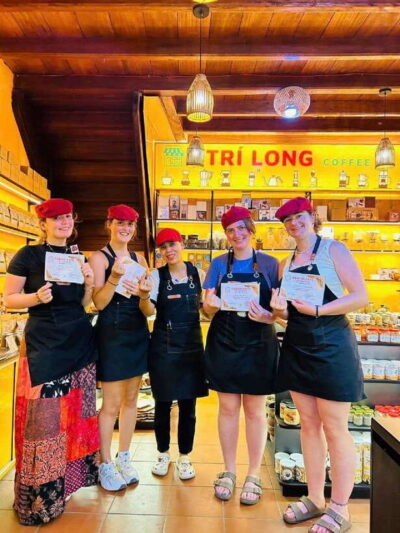
Vietnamese Coffee Making Workshop at Local Roastery
Read our review →
Hanoi Coffee Workshop: Master 6 Signature Vietnamese Coffee
Read our review →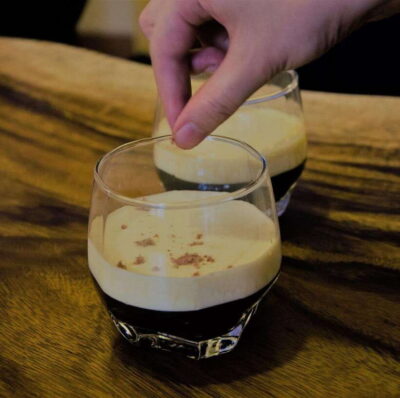
Hands-on Vietnamese Coffee Making Class with Long
Read our review →