
Review · PORTUGAL
Angra do Heroísmo: Walking Tour with Local Pastry and Coffee
Angra do Heroísmo is best understood on foot, one uphill street and tiled square at a time. This tour links the city’s major sights with local stories, a visit to the former Jesuit college, and a well-timed stop for coffee and a Dona Amélia pastry.
I like the way the tour combines grand buildings with everyday Terceira life, especially the market and pastry shop. I also like that guides such as Dora and Carolina adjust the pace and offer practical suggestions for restaurants and places to visit. The main drawback is the hilly route, and the tour can last longer than three hours if a museum visit is added.
Key points to know before you book
- A walking tour with real hills: Angra is not flat, so comfortable shoes and a windbreaker matter.
- Several interiors are included: You go inside Capitães Generais Palace, Igreja da Misericórdia, and Sé Catedral.
- The Dona Amélia stop is part of the price: You receive coffee, the traditional sweet, and a bottle of water.
- Local guides add the most value: Dora and Carolina are praised for history, local life, restaurant advice, and a relaxed pace.
- The final climb earns its place: Duque da Terceira Garden leads up to Alto da Memoria, one of the tour’s best views.
- Allow extra time: Some departures have run closer to four and a half hours when a museum visit was included.
Why this is a good first look at Angra do Heroísmo
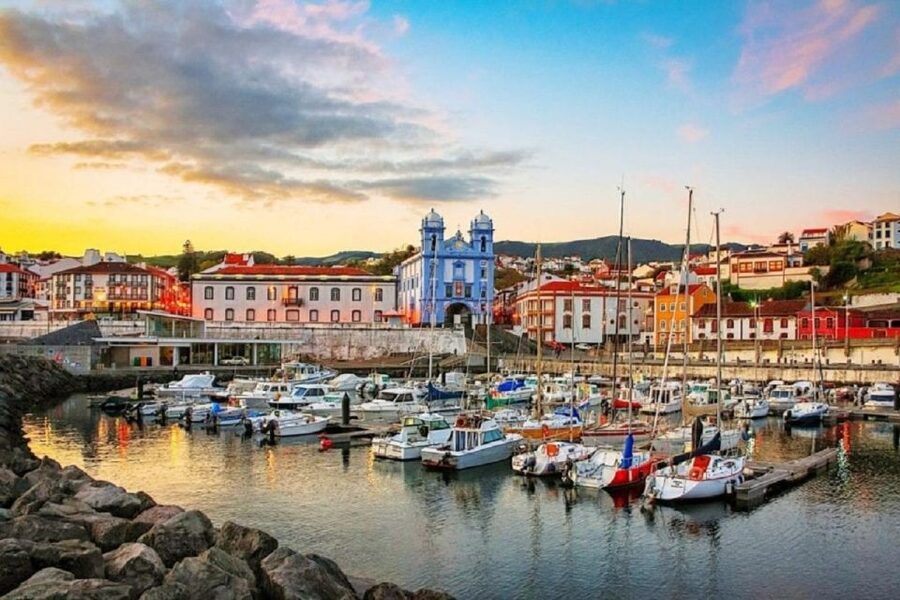
Angra do Heroísmo rewards visitors who slow down. Its streets, churches, civic buildings, gardens, and harbor views make more sense when someone explains how the city developed and why its central area has UNESCO World Heritage status.
This tour gives you that framework in about three hours. You are not simply led past façades for photographs. You enter several important buildings, hear about the role of religion and government in the city, and pause for a local pastry before finishing above the center.
I would consider this a strong first activity on Terceira. It helps you recognize the city’s main sights and gives you useful orientation for the rest of your stay. Afterward, you can return to the buildings that caught your attention or use the guide’s suggestions for food and other places to visit.
The experience is guided in English, Portuguese, or Spanish. Guides have included Dora and Carolina, both of whom receive especially strong praise for making local history clear and personal. Dora is described as a Terceira local who tells stories rather than reciting dates, while Carolina is noted for her friendly pace and practical advice.
More Walking Tours in the world:
- Dresden: Guided City Walk with a Cup of Coffee
★ 4.7 · 1,568 reviews - Hamburg: Speicherstadt Walking Tour with Coffee Tasting
★ 4.6 · 360 reviews - Hungry in Vienna? A Food Lover’s Coffee & Market Walk
★ 4.9 · 276 reviews
Meeting at Jardim José Agostinho
The tour begins at a small garden called Jardim José Agostinho. At the end of the garden, several kiosks sit together. The meeting kiosk is the last one on the right when you look at it from the road.
This meeting point is worth locating in advance. The directions have caused confusion for some people, and a few participants have arrived at the wrong place before calling for help. If you are driving, one useful detail is that a large free parking area is about a two or three minute walk from the starting point.
Hotel pickup and drop-off can be arranged if needed. If you use pickup, wait in the hotel lobby or outside your hostel or accommodation. If you meet at the garden, arrive with enough time to find the correct kiosk without starting the walk hurriedly.
From Alto das Covas to the Duke of Bragança Market
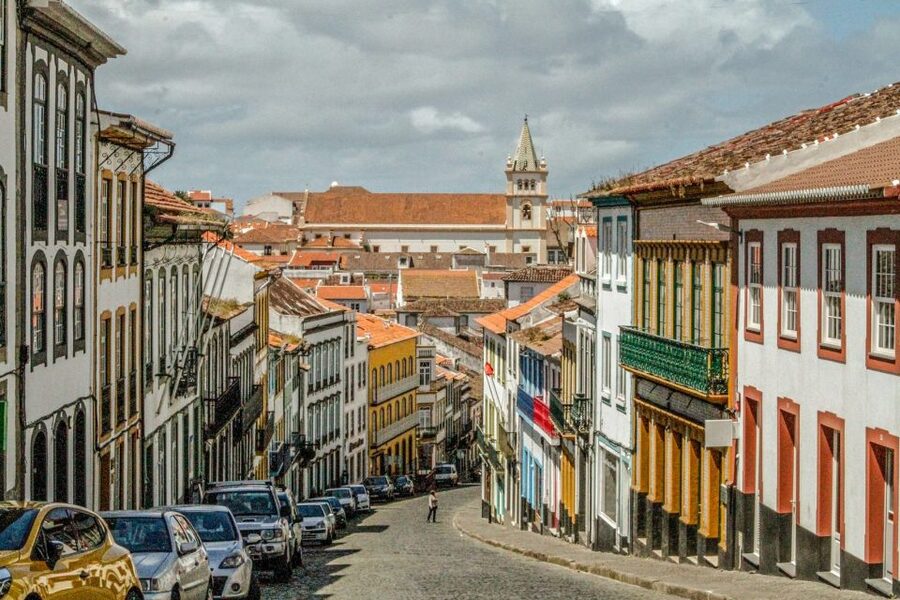
The route heads upward toward the entrance to the city and reaches Alto das Covas. This opening section gives you an immediate sense of Angra’s character: the route is scenic, but the streets rise and fall.
That is not a minor detail. The tour description plainly warns that Angra is not flat at all. You should wear sturdy, comfortable shoes and bring a windbreaker. Azorean weather can change quickly, and the exposed sections can feel breezy even when the town is pleasant.
The Duke of Bragança Market adds a useful dose of ordinary local life to a route otherwise filled with monuments. Markets help explain how a city functions beyond its postcard center. The visit also breaks up the sequence of churches and official buildings, giving you a more grounded picture of Terceira.
The exact amount of time at each stop depends on the guide and the group. That flexibility is useful if you want explanations rather than a fast checklist, but it also helps explain why the tour may run beyond its advertised three hours.
Inside Capitães Generais Palace
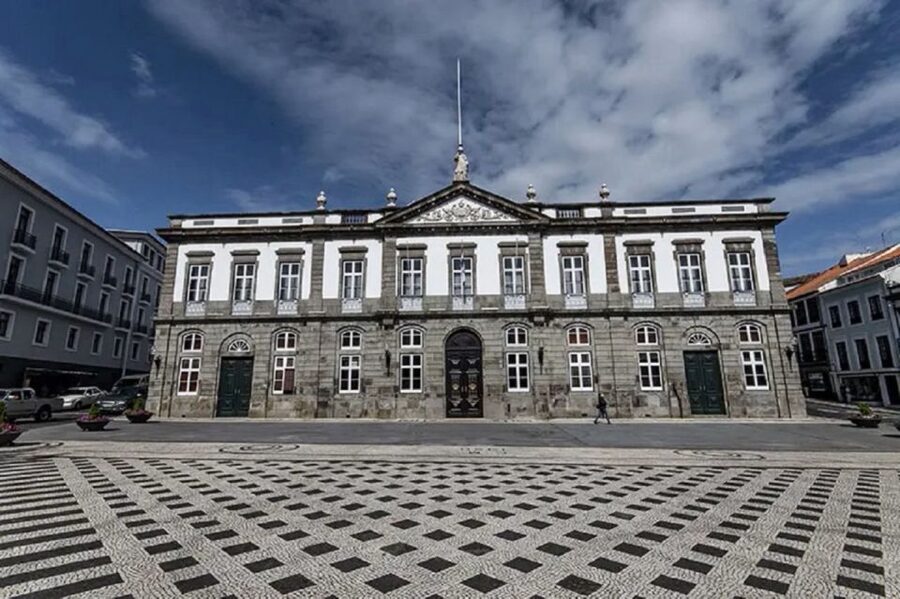
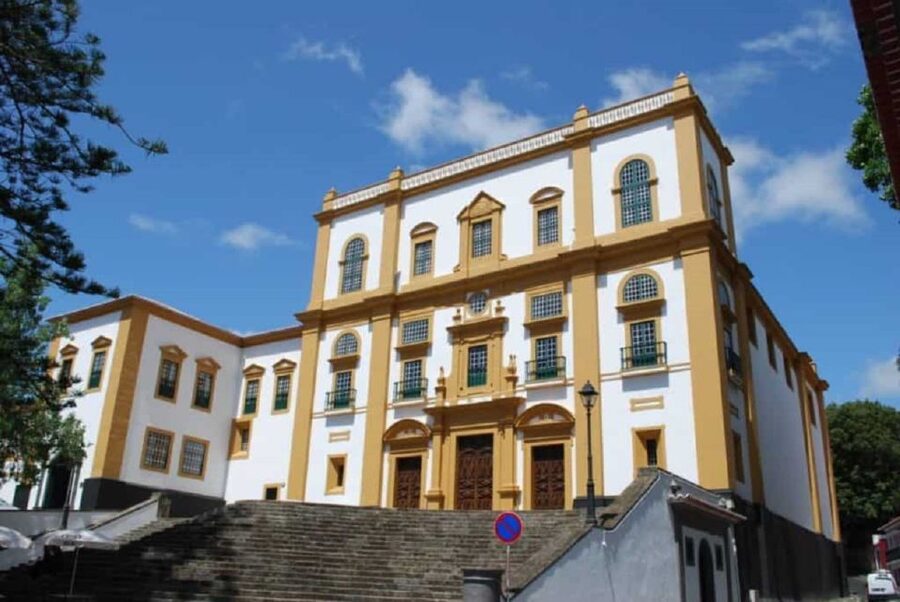
Capitães Generais Palace is one of the tour’s key interiors. The building was formerly a Jesuit college and now contains valuable works of art.
This stop gives the tour some depth because the building has served more than one purpose. You are not looking at a decorative palace in isolation. The former college connects the site to religious education, while its later role points to the political importance of Angra.
I like having this visit included rather than being asked to arrange it separately. A guide can point out what deserves your attention and explain how the building fits into the city’s story. If you walked past alone, you might appreciate the architecture but miss much of its use and meaning.
Keep in mind that the tour involves standing and walking between interiors. If you need a fully step-free experience, this is not the right choice. The activity is specifically marked as unsuitable for people with mobility impairments.
A few more coffee tours around the world worth a look
- Hoi An: Vietnamese Coffee Culture and Coffee Making Class
★ 4.9 · 4,006 reviews - Hanoi Coffee Experience: 6 Brews, 9 Recipes & 3 Liquor Tastings
★ 5.0 · 2,945 reviews - 4×4 Dominican Adventure with Chocolate and Coffee Tasting
★ 5.0 · 2,920 reviews - Rome Morning Vespa Sidecar Tour in Rome with Cappuccino
★ 5.0 · 1,771 reviews
Igreja da Misericórdia and the city hall
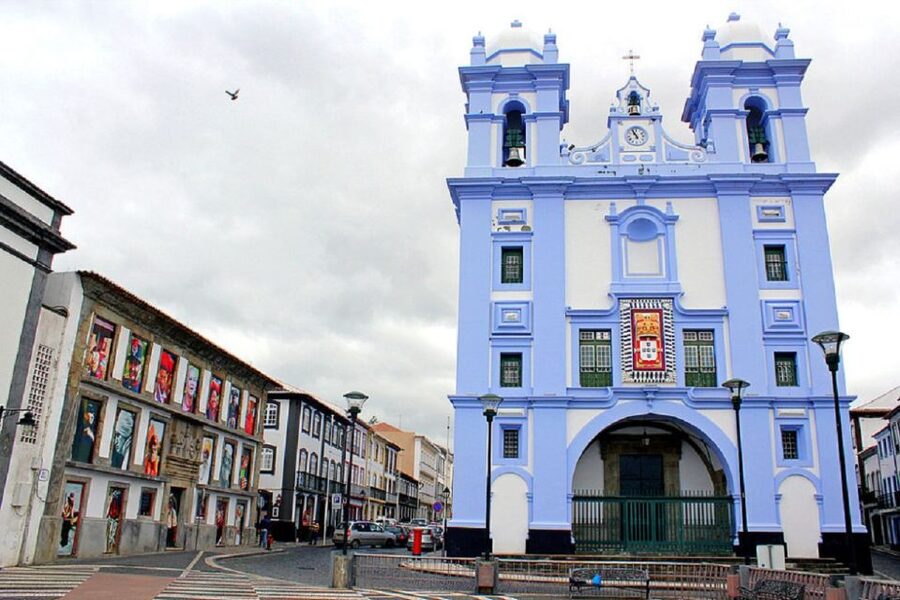
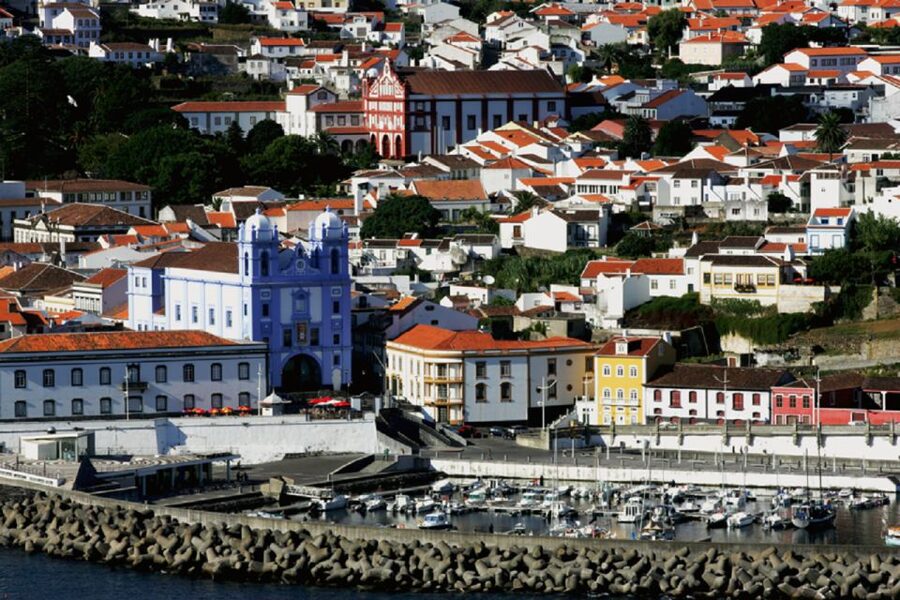
The Igreja da Misericórdia welcomes you with a strong white and blue façade. The color contrast makes it an easy building to recognize, but the guide’s explanation is what turns it from a pretty stop into part of Angra’s social and religious story.
The tour then passes the Paços do Concelho, or city hall, where you learn about the building from the outside. This is a good example of the tour’s balance. Some places are visited inside, while others are explained from the street, keeping the route moving without pretending every sight requires an interior visit.
For me, the value here is the connection between architecture and civic life. Churches, government buildings, markets, and theaters sit within a walkable area, and the guide helps you see how those functions shaped the city center.
Sé Catedral, Angra’s grand centerpiece
The Santíssimo Salvador da Sé, usually called Sé Catedral, is the most important religious stop on the route. You go inside the cathedral rather than merely photographing its exterior.
Expect the guide to focus on the cathedral’s place in Angra and Terceira, as well as the building’s architecture and religious role. The stop works particularly well for first-time visitors because it anchors the rest of the walking route. After seeing the cathedral, other churches and civic buildings become easier to place in the city’s wider story.
This part of the tour may appeal most to anyone interested in architecture, local history, or religious art. If you prefer a fast-paced city walk with little time indoors, the explanations may feel slower than you want. The tour is designed to teach, not simply to get you from one viewpoint to the next.
Coffee, water, and a Dona Amélia
About halfway through, you stop at a pastry shop for roughly 25 minutes of free time. A coffee and traditional Dona Amélia sweet are included, along with a bottle of water.
The Dona Amélia is a fitting choice for Terceira. It gives you a taste of the island without turning the tour into a full food excursion. The pause also matters physically. By this point, you have already walked uphill and through several historic areas, so sitting down with coffee gives you a chance to recharge.
Food is often where a place becomes more memorable. You learn a little about local taste and daily habits, not just dates and architectural terms. The included pastry is modest, but it adds a personal touch to the route.
Do not expect this to replace lunch. Food and drinks beyond the listed coffee, pastry, and water are not included. If you are hungry, plan another meal before or after the tour.
Teatro Angrense and the final garden walk
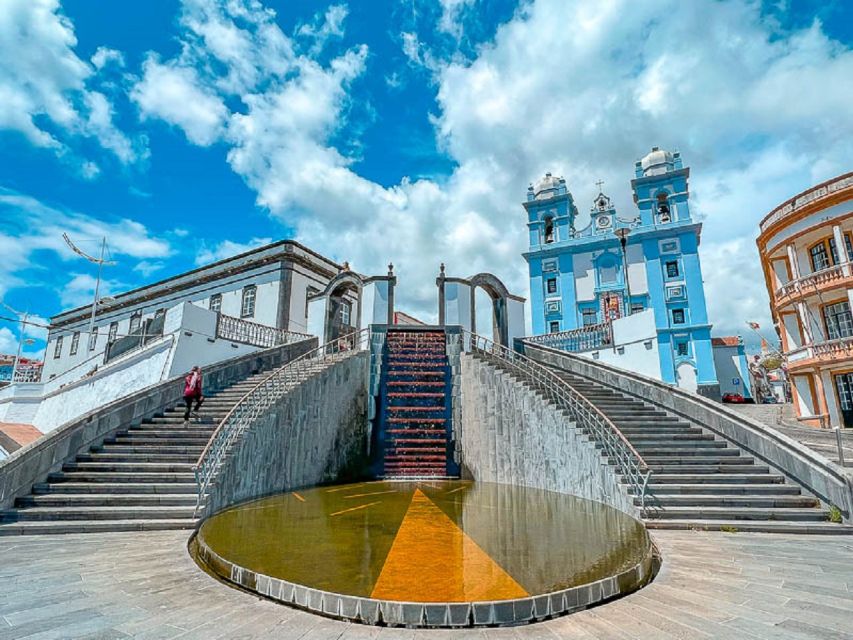
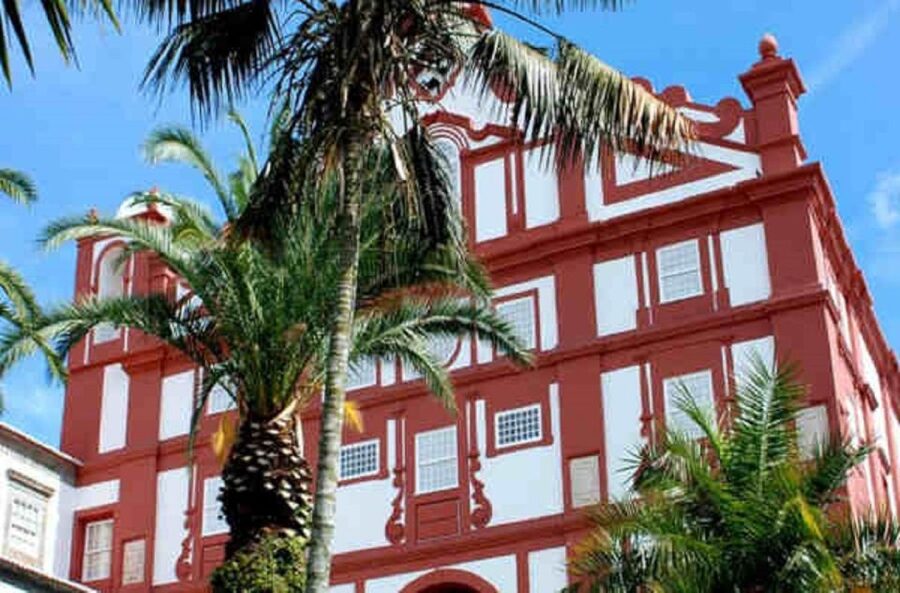
After the pastry stop, the walk continues to Teatro Angrense. This 19th-century theater houses the island’s theater groups and hosts major performances from across Portugal.
The theater brings a cultural angle that complements the churches and government buildings. It shows that Angra’s historic center is not frozen in the past. The city’s old buildings still relate to performance, public gatherings, and local life.
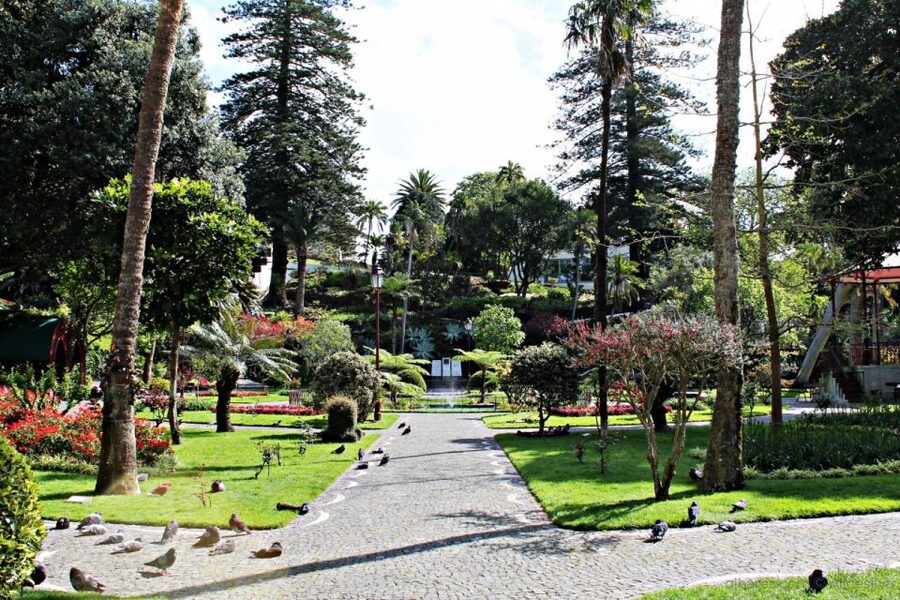
The final section leads to Jardim Duque da Terceira, also called the botanical garden. This is one of the most pleasant changes of pace on the tour. After streets, façades, and interiors, the garden gives you greenery and room to breathe.
The route then climbs to Alto da Memoria, the monument associated with D. Pedro IV. This uphill finish is physically the hardest part for some people, but it earns its place. From the high point, you get a broad view over Angra do Heroísmo, making the city’s layout easier to understand.
You can also treat Alto da Memoria as a practical orientation point. After seeing the streets from above, you will have a better sense of where the cathedral, gardens, market, and central buildings sit in relation to one another.
The guides make the difference
The strongest part of this experience is the guide. Dora and Carolina are the names most associated with the tour, and both bring local knowledge in a conversational way.
Dora is praised for explaining Terceira’s past while also talking about life in the Azores. Her style appears to suit people who want stories and context without a formal lecture. She is also described as attentive and helpful, which matters when a group has mixed walking speeds or different interests.
Carolina is noted for adjusting her pace to the group. She also gives suggestions for restaurants and additional places to visit, making the tour useful beyond its scheduled route. On some departures, she has added a museum visit. That can be worthwhile, but it may extend the experience to around four and a half hours and may involve an extra charge of about two euros per person.
If you want the advertised three-hour format, ask at the start what route is planned and if any optional museum stop will be added. If you enjoy history and have time to spare, the extra stop may be a welcome bonus.
Price, pace, and overall value
At $53 per person, this is not the cheapest way to walk around Angra. You can see many façades and public spaces without a guide. The price makes more sense when you count the guided access to major interiors, the three hours of explanation, hotel pickup if needed, coffee, a Dona Amélia, and water.
The tour is also valuable if you have limited time on Terceira. It groups several central sights into one route and helps you avoid spending your first day trying to work out what matters. A good local guide can also save you time later by pointing you toward restaurants and other places worth visiting.
The value drops if you dislike extended walking, historic interiors, or pauses for explanation. You might prefer a self-guided stroll if you want to set your own pace and stop whenever you choose. This tour is better for someone who wants the city interpreted along the way.
The stated duration is three hours, but plan on extra time. Most departures appear to stay close to that length, while added museum visits can stretch the outing much longer. Free cancellation up to 24 hours ahead and the option to reserve now and pay later make booking less risky if your plans are still shifting.
Who should book this walk?
I would recommend it to first-time visitors to Terceira, couples, solo visitors, and small groups who want a clear introduction to Angra do Heroísmo. It is especially useful early in a stay, before you explore the city on your own.
It also suits people who like local food in small doses. The Dona Amélia and coffee are not a full tasting tour, but they add a welcome island detail.
Think carefully if you have mobility limitations. The route includes hills, stairs or uneven walking may be possible at historic sites, and the final climb to Alto da Memoria is not optional in the standard route. Bring comfortable shoes and a windbreaker, even if the morning begins sunny.
Should you book it?
Book this tour if you want Angra’s major sights explained by a local guide rather than simply photographed. The best reasons are the interior visits, the personal history shared by guides such as Dora and Carolina, and the final view from Alto da Memoria.
Skip it if you want a flat route, a strict three-hour finish, or complete control over your stops. For most first visits, though, the combination of churches, civic buildings, market life, garden paths, coffee, and a traditional pastry makes the $53 price reasonable.
FAQ
How long does the walking tour last?
The stated duration is about three hours. It can last longer if the guide adds a museum visit, with one departure taking around four and a half hours.
Where does the tour meet?
The meeting point is Jardim José Agostinho. At the end of the garden, several kiosks are located together. The correct one is the last kiosk on the right when viewed from the road.
Is hotel pickup available?
Yes. Hotel pickup and drop-off can be arranged if needed. You should wait in the hotel lobby or outside your hostel or accommodation.
What food and drink are included?
You receive coffee, a traditional Dona Amélia sweet, and a bottle of water. Other food and drinks are not included.
Which languages are offered?
The live guide can conduct the tour in English, Portuguese, or Spanish.
Is the route suitable for people with mobility impairments?
No. The route includes significant uphill and downhill walking, and the activity is not suitable for people with mobility impairments.
What should I bring?
Bring comfortable shoes and a windbreaker. Angra’s streets are hilly, and weather conditions can change.
Just added around the world
- Yerevan: Private Coffee Tour with 2 Café Stops★ 5.0 · 2 reviews
- Vietnamese Coffee 101 Workshop★ 5.0 · 11 reviews
- Vietnamese Coffee Making Class in Hoi An★ 5.0 · 4 reviews
- Vietnamese cooking class and coffee making with local girl★ 5.0 · 5 reviews
- Venice Delights: Coffee & Food Experience Walking Tour★ 5.0 · 2 reviews
- Private Vienna Tour: Literature Walk with Coffee House Visit★ 5.0 · 2 reviews
- Turin: Art Nouveau Walking Tour with Coffee★ 5.0 · 11 reviews
- Turkish Coffee and Traditional Turkish Dessert Cooking★ 4.6 · 8 reviews
Walking Tours, compared.
Hungry in Vienna? A Food Lover’s Coffee & Market Walk
Read our review →
Private Walking Tour, Food Tasting and Bosnian Coffee in Sarajevo
Read our review →
Hanoi Michelin Star Walking Food Tour & Train Street
Read our review →
Vienna Eats: Private Foodie Walk with Coffee & Markets
Read our review →
New Orleans True Crime and Coffee Walking Tour: Adults Only
Read our review →
Kilimanjaro: Village Walk, Coffee Tour, Waterfall, and Lunch
Read our review →Browse the lists this tour appears in