
Review · HANOI
Hanoi Coffee Workshop: Taste Salt, Coconut and Egg Coffee
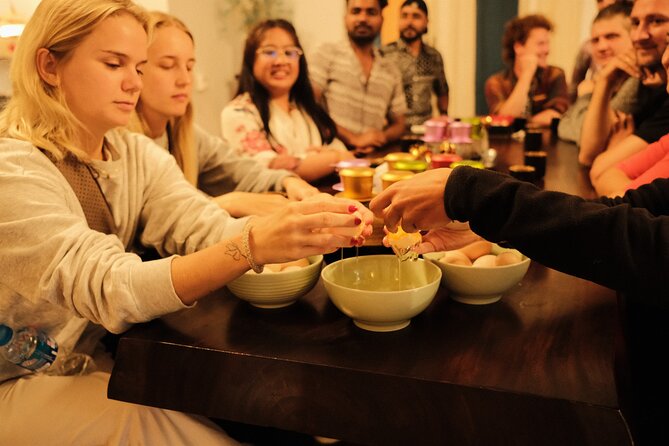
The clever part of this Hanoi workshop is that you do not just drink egg coffee. You make six Vietnamese coffee styles yourself, then taste how salt, coconut, egg, local jam, and even wine change the cup. I like the farm-to-cup teaching and the chance to leave with recipes you can use at home.
I also like the welcoming setup for solo visitors and people who do not think they like coffee. Hosts such as Val, Lin, and Luka keep the class lively and invite questions. The one caution is that the coffee is strong, and the workshop includes several tastings plus rice wine, so pacing yourself is sensible.
Key points at a glance
- Six Vietnamese drinks in one class: Make phin, brown, salt, egg, coconut, and coffee cocktail recipes.
- Coffee culture, not just recipes: Learn how coffee reached Vietnam, how roast levels affect taste, and why robusta matters locally.
- A practical Hanoi stop: The 3.5-hour class ends where it begins at Local Beans Roastery, with pickup and drop-off available in the Old Quarter.
- Good for mixed groups: Vegan guests and people with dietary restrictions can be accommodated.
- Useful take-home extras: You receive recipes, digital coffee books, and a professional certificate if requested.
- Strong value at $16: Equipment, snacks, tea, instruction, tastings, and optional transport are included.
Six cups that explain Hanoi coffee
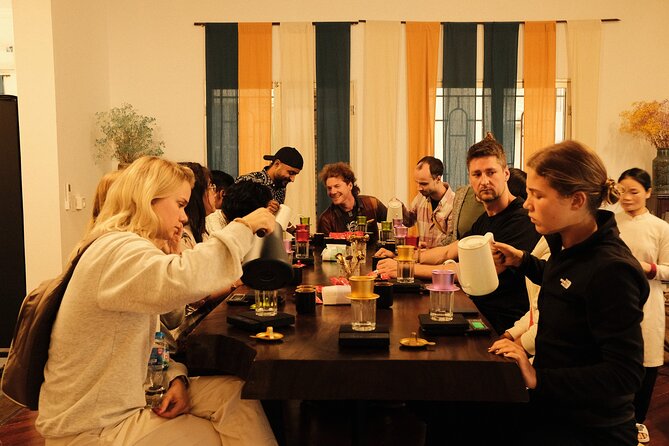
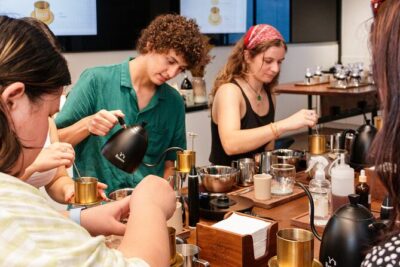
This is a hands-on workshop at Local Beans Roastery, at No. 75/173 Hoang Hoa Tham Street in Ba Dinh. You spend about three and a half hours learning, brewing, and tasting rather than simply sitting through a demonstration.
The class begins with a welcome herbal ginger root and peach tea, along with snacks. That small opening matters. It gives you something gentle before the stronger coffee arrives, and it helps settle the group before the practical work starts.
The teaching then moves back to Vietnam’s coffee story. You learn how coffee became part of daily life and how growing, roasting, and brewing shape the final drink. This is useful context because Vietnamese coffee is not one fixed flavor. The cup changes with the bean, roast, filter, sweetener, and additions.
You also learn about roast levels and how they affect aroma and taste. The session places special attention on robusta, the bean closely linked with Vietnam’s coffee culture. One fair criticism is that the workshop may present robusta in a very positive light, while some coffee drinkers prefer a more careful comparison with other varieties. Still, understanding why robusta is common in Vietnam is an important part of understanding the local cup.
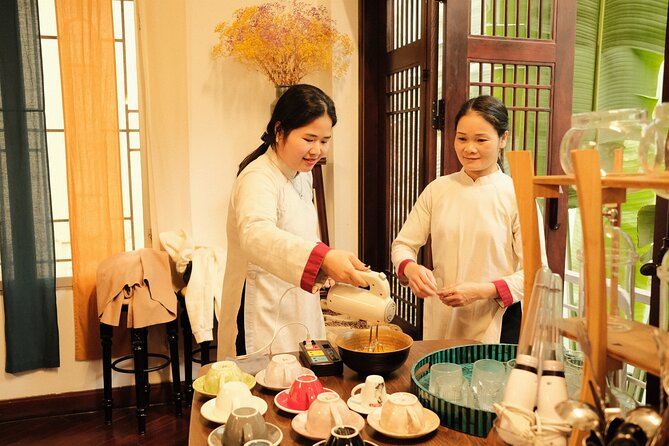
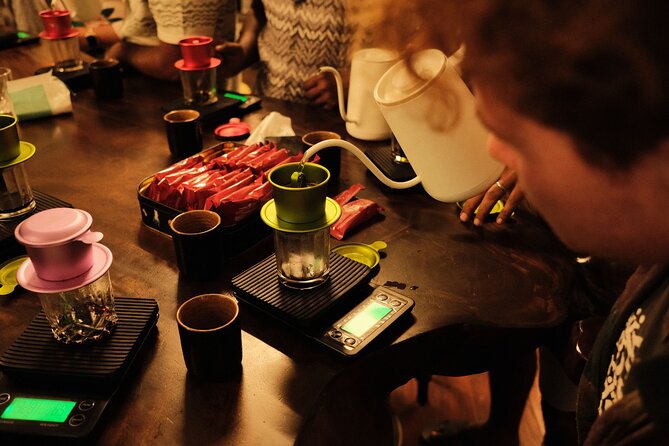
Then comes the main event: six signature drinks. You work with the provided grinders, filters, and other equipment, so you do not need to bring anything except curiosity and a reasonably empty schedule.
More Coffee Making Classes in Hanoi
- Hanoi: Salt Coffee Workshop Awake Your Senses With 6 Brews
★ 5.0 · 792 reviews - Hanoi: Vietnamese Coffee Workshop with 6 Brews and 8 Recipes
★ 5.0 · 237 reviews - Ha Noi Egg Coffee Class
★ 5.0 · 227 reviews
The phin filter is the starting point
The traditional phin coffee is the foundation of the class. This small metal filter sits over the cup and lets coffee drip slowly through. It is simple, compact, and central to the way coffee is served in Vietnam.
You learn how to brew it rather than merely watch someone else do it. That gives you a better feel for the process. Grind size, water, timing, and patience all affect the result. A phin does not produce a quick cup, and that pause is part of the experience.
The classic preparation also gives you a baseline for the other drinks. Once you taste the straightforward version, you can notice what sugar, salt, coconut, and egg do to the coffee. That makes the later recipes more than a string of novelty samples.
Brown coffee follows the familiar Vietnamese combination of coffee and sweetness. It is a useful bridge between the plain phin cup and the richer specialty drinks. If you usually take coffee with milk or sugar, this may be the easiest style to understand.
Salt and egg coffee are the conversation starters
Salt coffee sounds odd until you taste what the salt does. Used in a small amount, it can soften bitterness and make the coffee taste fuller. The workshop lets you prepare it yourself, so you can see how a tiny ingredient changes the drink without turning it into a salty beverage.
This is one of the better reasons to take the class even if you are not a serious coffee drinker. You get a direct comparison rather than a lecture about flavor. One person who did not usually drink coffee found the session fun and came away especially fond of the salt version.
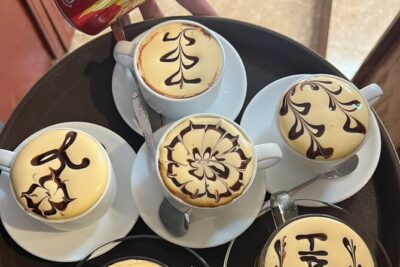
Egg coffee is the Hanoi classic. The egg mixture brings a creamy, dessert-like quality to a strong coffee base. It is filling and sweet, and some people may find it more like a small pudding than a morning drink.
That contrast is part of the fun. You are not being asked to choose one correct way to drink coffee. You are seeing how Vietnamese cooks and baristas turned a powerful local brew into different drinks for different moods.
Coconut coffee brings a cooler, sweeter change
Coconut coffee shifts the class in another direction. The coconut element makes the drink creamy and sweet, with a flavor that feels very different from the dark phin base.
The exact balance will depend on how the drink is prepared, but the workshop gives you a chance to compare it with the egg and salt versions. This is especially helpful if you prefer softer, sweeter flavors. If you like black coffee, it may seem elaborate, but that is precisely why it belongs in a class about local coffee habits rather than a standard brewing lesson.
The drinks also give you a useful sense of variety. Vietnam’s coffee culture is not limited to one strong cup served over ice. It includes sweetened, textured, chilled, and mixed preparations that reflect local taste and creativity.
More Coffee Making Classes in Vietnam
- Hanoi Coffee Workshop: Master 6 Signature Vietnamese Coffee
★ 5.0 · 171 reviews - Hanoi Coffee Class learning 5 famous coffee in Hanoi
★ 5.0 · 161 reviews - Mini Hanoi Coffee Workshop: Pick Any Signature Coffee You Like
★ 5.0 · 160 reviews - Hanoi Egg Coffee making course
★ 4.9 · 112 reviews
The coffee cocktail adds a local twist
The final signature drink is a coffee cocktail made with local jam and wine. It is the most playful recipe in the lineup and shows how the workshop moves beyond traditional café orders.
This is not the reason I would book the class by itself, but it adds variety to a long tasting session. You also receive a bonus tasting of homemade rice wine made by the hosts. That extra sample gives the workshop a more personal, home-style feel, although anyone avoiding alcohol should mention dietary or drink restrictions before the session.
The cocktail and rice wine are also reminders to keep an eye on your pace. Six coffees over three and a half hours is manageable for most people, but the tasting can build up. Ask questions, take your time, and do not feel obliged to finish every cup if you are sensitive to caffeine.
The hosts make the class work
The personality of the instructor matters in a practical workshop. Hosts named Val, Lin, Luka, Giang, and Valerie are associated with the class, though your exact instructor depends on the session.
Val is described as funny and especially good at explaining coffee growing and the background of famous Vietnamese drinks. Lin is praised for drawing each person into the process and making a solo participant feel at ease. Luka is noted for clear instruction and for bringing local wines into the session.
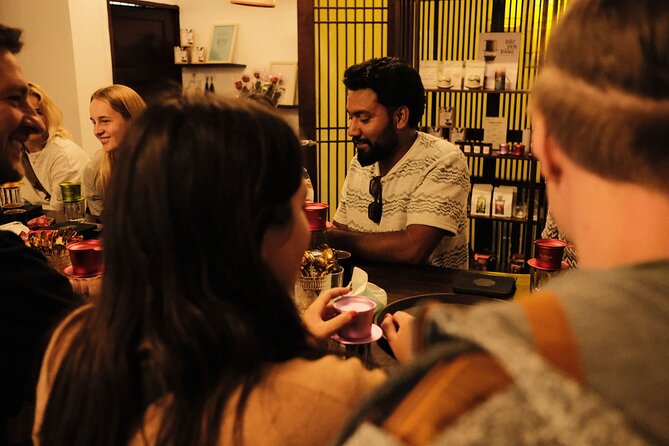
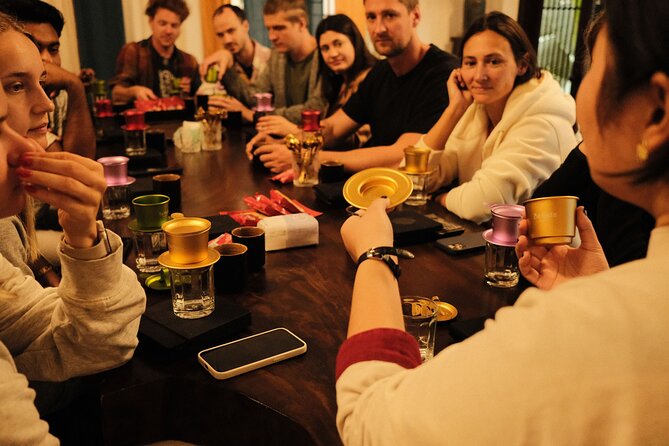
These details point to the main strength of the experience: the class is social without requiring you to arrive with a group. You can attend alone and still have a role in the brewing. Questions are encouraged, and the format makes it easy to compare your cup with someone else’s.
That said, this is a group activity, not private coaching. The stated maximum is 100 people, though the actual class size is not provided. If you want a quiet, highly personalized coffee lesson, confirm the group arrangement before booking.
What the $16 price really covers
At $16 per person, this is a strong-value activity if you want more than a café tasting. The price includes instruction, all coffee-making equipment, snacks, welcome tea, several drinks, a rice wine sample, and digital material for later use.
You do not need to buy a phin, grinder, or other special equipment before arriving. That matters because coffee workshops can become expensive once equipment and ingredient costs are added. Here, the provided tools let you focus on learning the method.
The recipe book and digital coffee books add lasting value. You can try to recreate the drinks after returning home, which gives the class a purpose beyond one afternoon in Hanoi. Products are also available for purchase, so you may be able to buy coffee or supplies, but personal purchases are not included in the price.
A professional certificate can be requested. It is a nice extra if you enjoy collecting course certificates, though it should not be the reason to choose this experience. The real value is the practical lesson and the chance to understand what you are ordering in Hanoi cafés.
Tips and other personal expenses are not included. Keep that in mind when planning your budget.
Location, pickup, and timing

The workshop begins and ends at Local Beans Roastery, No. 75/173 Hoang Hoa Tham Street, Ngoc Ha Ward, Ba Dinh, Hanoi. The activity does not finish at a second sightseeing stop, so you should allow time to get back to your hotel or continue your day from the roastery.
Hotel pickup and drop-off are available within Hanoi’s Old Quarter area. This is useful if you are staying in the historic center and do not want to arrange a taxi early in the day. If your hotel is outside that area, check the meeting plan rather than assuming transport is included.
The workshop lasts about three hours and thirty minutes. That is long enough to cover the coffee background, brewing methods, six drinks, and tasting without forcing everything into a rushed hour. It also makes this a better rainy-day activity than an experience to squeeze between two short sightseeing stops.
Mobile tickets are accepted, and confirmation is provided when you book. The location is near public transportation, and service animals are allowed.
Who should book this workshop
I would recommend it first to anyone curious about Vietnamese food and drink culture. You do not need advanced coffee skills. The class starts with the basics and lets you compare several styles in one sitting.
It is also a good match for solo visitors. The social format gives you a reason to talk with other people, while the instructor guides everyone through a clear process. If you are traveling with friends, the brewing creates an easy shared activity and plenty to discuss.
Non-coffee drinkers should not dismiss it. The sweet egg, coconut, and salt preparations are different enough from plain black coffee to keep the class interesting. Still, anyone highly sensitive to caffeine should plan carefully because the tasting includes several coffee drinks.
Vegan visitors and people with dietary restrictions can be accommodated. Tell the provider in advance so the recipes can be adjusted where needed. Since egg, dairy-style ingredients, sweeteners, and alcohol may appear in different parts of the tasting, clear communication is important.
Coffee experts may find the technical side fairly introductory. The value for you would be the cultural setting, Vietnamese recipes, and local approach rather than advanced espresso training or professional sensory certification.
A few practical cautions before you go
Start with a light meal or use the opening snacks and tea before the coffee begins. Egg coffee and coconut coffee can be quite filling, while the full tasting may be a lot for someone who normally drinks little caffeine.
Ask about the day’s instructor if a particular teaching style matters to you. Val, Lin, and Luka each receive specific praise for being entertaining, inclusive, or clear, but the provider does not promise a named host for every booking.
A rainy day is not a bad time to schedule this class. The activity takes place indoors and requires concentration rather than good weather. It can be a welcome change from walking Hanoi’s streets in heavy rain.
The cancellation terms are simple but firm. You receive a full refund if you cancel at least 24 hours before the local start time. Cancellations or changes inside that 24-hour window are not refunded or accepted.
Should you book the Hanoi coffee workshop?
Book it if you want a hands-on introduction to Vietnamese coffee, especially if egg coffee, salt coffee, or coconut coffee are on your Hanoi list. At $16, the combination of six drinks, equipment, snacks, instruction, recipes, and optional Old Quarter transport gives you a lot for the time and money.
Skip it if you want a short café visit, dislike sweet drinks, or are looking for advanced barista training. The session is social, fairly long, and built around tasting several strong coffees.
For most visitors, I would place this near the start of a Hanoi stay. Afterward, you will recognize the phin method, understand the appeal of egg coffee, and have a better idea of what to order at local cafés. Best of all, you leave with recipes, not just a full stomach and a few photographs.
FAQ
Where does the workshop start and finish?
It starts and ends at Local Beans Roastery, No. 75/173 Hoang Hoa Tham Street, Ngoc Ha Ward, Ba Dinh, Hanoi. The activity returns to the meeting point.
How long does the coffee workshop last?
The workshop lasts approximately three hours and thirty minutes.
How much does the experience cost?
The listed price is $16 per person.
What coffees will I make?
You will make six Vietnamese coffee styles: classic phin coffee, brown coffee, salt coffee, egg coffee, coconut coffee, and a coffee cocktail made with local jam and wine.
Is equipment provided?
Yes. Filters, grinders, and other special coffee-making equipment are provided during the workshop.
Is hotel pickup available?
Yes. Pickup and drop-off are available for hotels within Hanoi’s Old Quarter area.
Can vegan visitors or people with dietary restrictions join?
Yes. Vegan visitors and people with dietary restrictions can be accommodated. Tell the provider about your needs before the workshop.
What is included besides coffee?
The experience includes snacks, welcome herbal ginger root and peach tea, instruction, a homemade rice wine tasting, a recipe book, digital coffee books, and a professional certificate if requested.
What is the cancellation policy?
You can cancel at least 24 hours before the local start time for a full refund. Cancellations or changes made within 24 hours are not refunded or accepted.
More Egg Coffee Experiences in Hanoi
- Hanoi: Vietnamese Street Food Tour with Egg Coffee
★ 4.9 · 315 reviews - Hanoi Egg Coffee Making Course
★ 5.0 · 76 reviews - Hanoi: Cyclo the Old Quarter and Egg Coffee Tour
★ 4.6 · 63 reviews - Hanoi Jeep Night Street Foodie Tour, Train Street and Egg Coffee
★ 5.0 · 60 reviews
Just added around Hanoi
- Vietnamese Coffee 101 Workshop★ 5.0 · 11 reviews
- Private tour: Hanoi city tour-Van Phuc silk village with egg coffee, lunch★ 5.0 · 2 reviews
- Hanoi 2.5 hour Guided Sightseeing Cyclo Tour & Egg Coffee Class★ 5.0 · 16 reviews
- Taste of Vietnam’s Coffee Scene – A Guided Experience★ 5.0 · 2 reviews
- Hanoi daily egg coffee making course with local guide★ 5.0 · 17 reviews
- Private Hà Nội Coffee History Tour★ 5.0 · 6 reviews
- hidden gems cafe – learn making coconut and egg coffee★ 5.0 · 2 reviews
- 3 Dishes cooking + Egg Coffee bonus & Local Market Tour★ 5.0 · 14 reviews
Egg Coffee Experiences, compared.
Egg coffee & Course on 4 traditional types of Viet coffee
Read our review →
Decadent Vietnamese “Egg Coffee” Workshop in Hồ Chí Minh City
Read our review →

Techniques & Secrets Behind the Famed Vietnamese Egg Coffee
Read our review →