
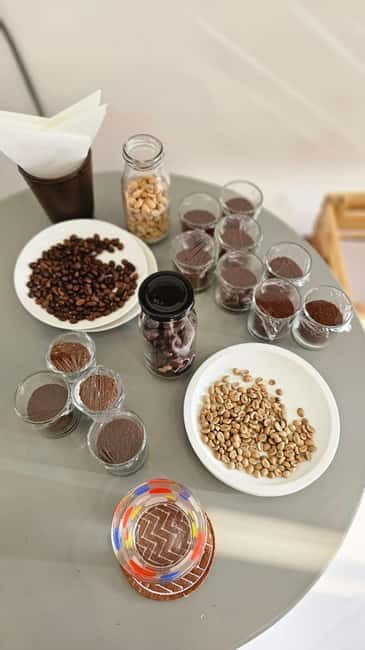
Review · HO CHI MINH CITY
A Complete Vietnam Coffee Journey – The Unknown Giant
Vietnam’s coffee culture is far more than strong coffee poured over condensed milk. In this 2.5-hour workshop, Quynh traces the drink from its global roots to Vietnam’s farms, cafés, and home kitchens, then has you make and taste six different styles. You leave with a clearer idea of why egg, coconut, salt, and condensed milk all belong in the cup.
I like the hands-on format and the small group, limited to six people. You do not just watch a demonstration. You brew, adjust, compare, and ask questions. I also like the broad view of Vietnamese coffee, including Robusta and modern brewing methods rather than a narrow focus on one fashionable style. The main consideration is that children under 16 are not permitted, and the accessibility details are inconsistent, so contact the host if mobility access matters.
Key points
- Six coffee drinks: Taste and prepare a range that includes styles made with condensed milk, coconut, salt, and egg.
- Quynh’s broad coffee knowledge: Expect clear explanations of Vietnamese coffee, world coffee, growing, brewing, and culture.
- Small group setting: With no more than six participants, you have room to ask questions and handle the equipment.
- Central Saigon meeting point: The workshop begins and ends at 40E Ngô Đức Kế in the heart of Ho Chi Minh City.
- A local snack included: Choose bánh mì, vegetarian or halal bánh mì, a croissant, or fresh fruit.
- Useful after the workshop: You receive practical tips for changing brewing methods and recipes to suit your taste.
Six cups that explain Vietnam
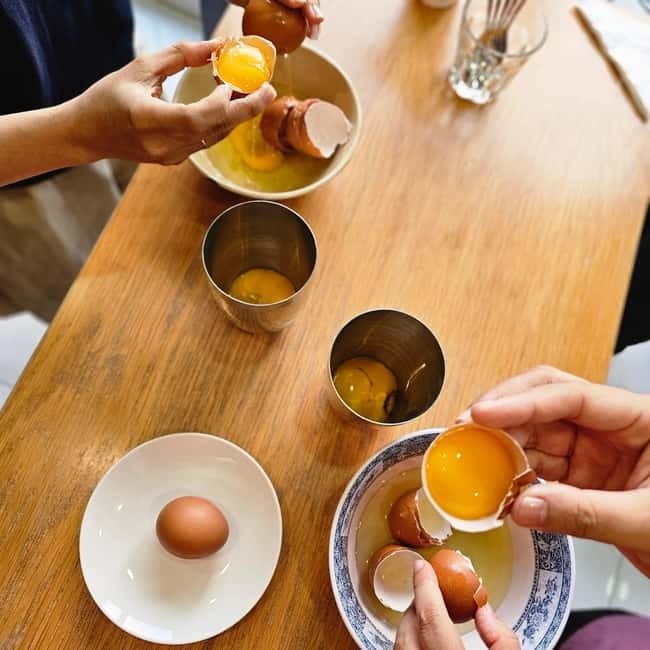
The heart of this activity is the tasting table. You work through six coffee drinks, learning what goes into each one and how the method changes its taste and texture.
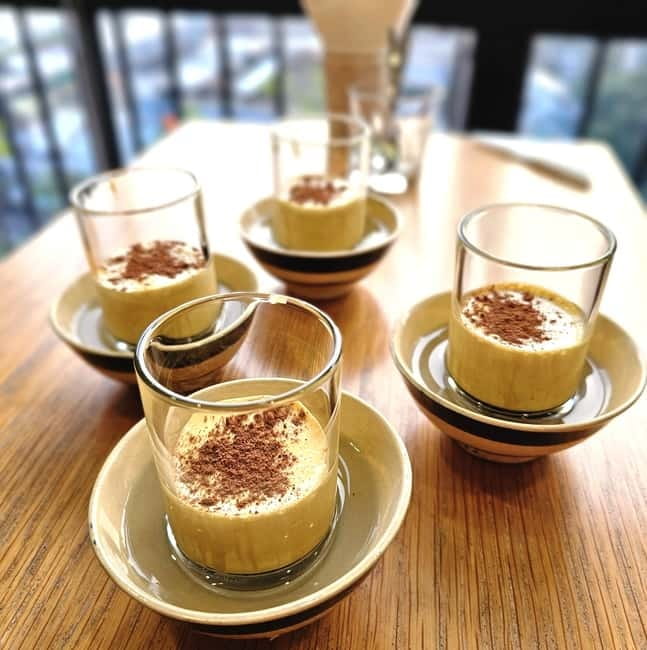
The selection includes familiar Vietnamese favorites built around condensed milk, along with coconut, salted, and egg coffee. These are not random flavored drinks. Each one reflects local ingredients, café habits, or a particular idea about how coffee should feel in the mouth.
I like that the workshop treats coffee as both a drink and a cultural clue. Condensed milk makes sense in a place where fresh milk was once less common and sweet, concentrated milk was easier to store. Egg coffee turns a simple cup into something closer to a dessert. Coconut adds a smooth, tropical note, while salt can sharpen the flavor and soften bitterness.
You will not simply be told that one drink is sweet and another is strong. You compare them and learn how ingredients change the balance. That matters because Vietnamese coffee can be intense, especially when made with Robusta. A sweet topping or creamy ingredient is not just decoration. It helps shape the whole drink.
The exact order of the six cups is not provided, and the host may adjust the session to suit the group. You should expect several tasting stages rather than six identical samples. Pace yourself, especially if you are sensitive to caffeine.
More Vietnamese Coffee Experiences in Ho Chi Minh City
- Fun & Easy Vietnamese Coffee Workshop in Hồ Chí Minh City
★ 5.0 · 293 reviews - Vietnamese Coffee & Culture Exploration in Hồ Chí Minh City
★ 5.0 · 202 reviews - Vietnam Coffee Journey – Make extraordinary tasty coffee yourself
★ 5.0 · 30 reviews
Brewing methods you can actually understand
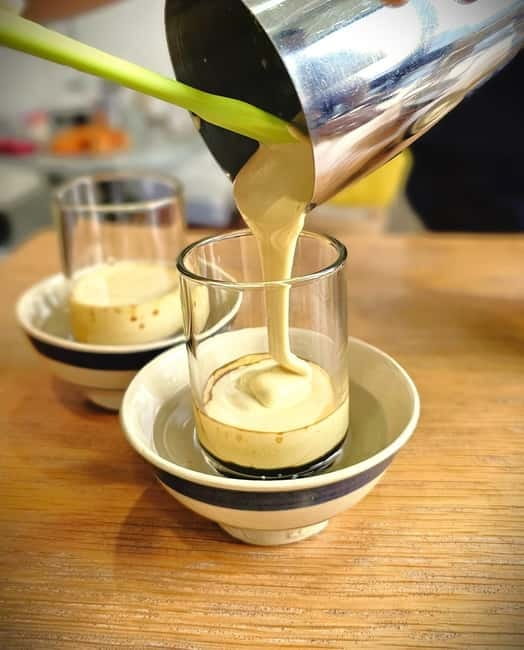
The workshop also explains how brewing tools and techniques affect the finished cup. You learn why one method brings out body, another highlights aroma, and another works better with milk or sweet ingredients.
This is not presented as a professional barista course. You are not expected to memorize technical terms or leave ready to work in a café. Instead, Quynh explains the basic cause and effect: the method, the instrument, and the ingredients all help decide what ends up in your glass.
That practical approach is useful for anyone who has tried Vietnamese coffee at home and wondered why it never tastes quite the same. You can ask how to adjust the recipe, change the strength, or make a drink less sweet. The workshop includes brewing and recipe tips for adapting the drinks to your own preferences.
I especially like the comparison between traditional and modern styles. Vietnamese coffee is not frozen in one old-fashioned recipe. Café culture continues to change, and the session shows how older habits and newer ideas sit side by side.
Bring questions. Quynh encourages them, including questions that move beyond coffee. The small group means you should have a better chance to get a direct answer than you would in a large demonstration.
Why Robusta matters here
Many coffee drinkers arrive with a built-in preference for Arabica. This workshop gives you a chance to reconsider that habit without pretending that one bean is best for every drink.
Vietnam is closely tied to Robusta production, and Robusta often brings more body, bitterness, and caffeine than Arabica. Those traits can work well with condensed milk, ice, egg foam, coconut, and other strong flavors. The point is not simply that Vietnam produces a lot of Robusta. You learn how the bean fits Vietnamese drinking habits.
The session also connects coffee growing with the country’s wider story. You see how coffee developed in Vietnam and how local culture shaped the drinks people now order in cafés and make at home.
That wider context is one of the strongest reasons to book this instead of ordering a single cup at a café. A drink on its own can be delicious, but it tells you little about why it tastes that way. Here, each cup becomes part of a larger explanation.
The workshop does not take a commercial or specialty-coffee position. That makes it a good choice if you want a balanced introduction rather than a sales pitch for a particular bean, machine, or brewing school.
A practical stop at 40E Ngô Đức Kế
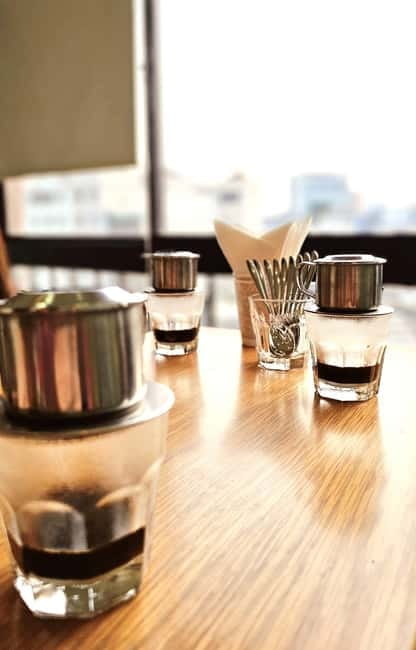
The meeting point is 40E Ngô Đức Kế, in central Ho Chi Minh City. You start there, stay in the same workshop setting for the coffee session, and return to that address at the end.
That simple layout saves time. You do not spend half the activity riding between cafés or waiting for transport. If your day already includes sights in central Saigon, the location makes it easier to fit the workshop into your plans.
The activity lasts 150 minutes, or two and a half hours. That is long enough to cover the drinks, brewing ideas, and cultural background without turning into a full-day commitment.
Still, this is not a quick tasting you can squeeze into a spare hour. Six drinks, preparation, discussion, and snack time require a proper block in your schedule. You may also want to avoid booking it immediately after another caffeine-heavy activity.
The workshop is guided in English or Vietnamese. English-language communication is a key part of the session, since the value comes from the explanations as much as from the drinks. Available information describes Quynh as fluent in English and eager to answer questions.
Same place, a different way to drink it:
- Egg coffee & Course on 4 traditional types of Viet coffee
★ 4.9 · 487 reviews - Decadent Vietnamese “Egg Coffee” Workshop in Hồ Chí Minh City
★ 5.0 · 150 reviews - Ho Chi Minh City: Fun and Easy Coffee Workshop for Beginners
★ 4.9 · 121 reviews - Techniques & Secrets Behind the Famed Vietnamese Egg Coffee
★ 5.0 · 99 reviews
The snack makes the tasting easier
You receive one snack with the coffee session. You can choose a local bánh mì, a vegetarian or halal bánh mì, a croissant, or fresh fruit.
This is a small detail, but it matters. Six coffee drinks can feel like a lot on an empty stomach, and the snack gives you something substantial or refreshing alongside the tasting. The bánh mì option also adds another familiar Vietnamese food experience without requiring a separate stop.
If you prefer not to combine rich coffee with a heavy sandwich, fruit may be the better choice. A croissant offers a middle ground. The vegetarian and halal bánh mì options make the session more practical for different diets, though you should contact Quynh in advance about any special requirements.
The snack is included in the $30 price, along with all six drinks and the guided workshop. You are paying for more than samples. You are also paying for the time, preparation, explanations, and chance to make the drinks yourself.
Is $30 good value?
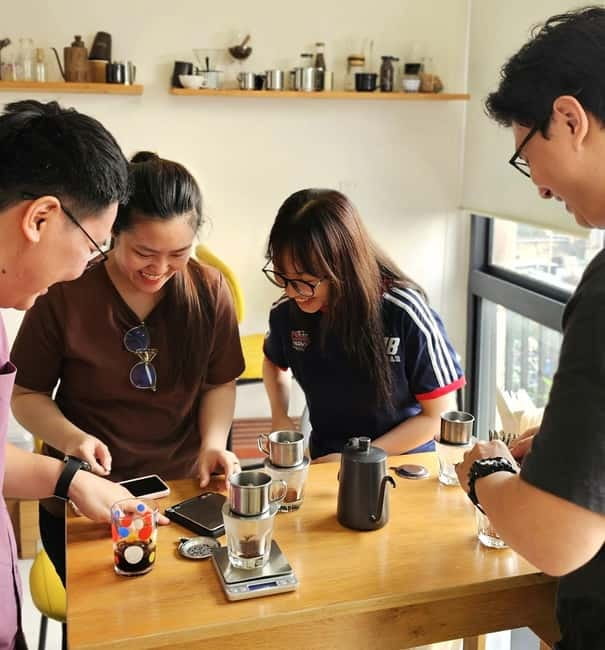
At $30 per person, this is good value if you want to understand Vietnamese coffee rather than simply drink it. Six drinks at cafés could cost less or more depending on where you order, but café visits would not normally include a structured explanation of growing, brewing, cultural background, and recipe adjustments.
The small group improves the value. With a maximum of six participants, you should have a fair chance to handle the preparation and ask questions. A private class would offer more personal attention, but this format keeps the cost moderate while avoiding the crowd of a large group.
The value is less clear if you dislike coffee, avoid caffeine, or only want a fast introduction to egg coffee. You may find two and a half hours too long if tasting is your only goal. The host does encourage questions, so curious participants will get more from the time than people who want a quick photo and a single sample.
There is also a shorter alternative from the same provider, lasting 1.5 hours and focusing on three iconic drinks linked to northern, central, and southern Vietnam. A separate four-hour electric tuk-tuk tour follows the city’s growth through coffee drinks and requires at least two participants. Those options may suit you better if your schedule or interests are more specific.
Who will enjoy this most?
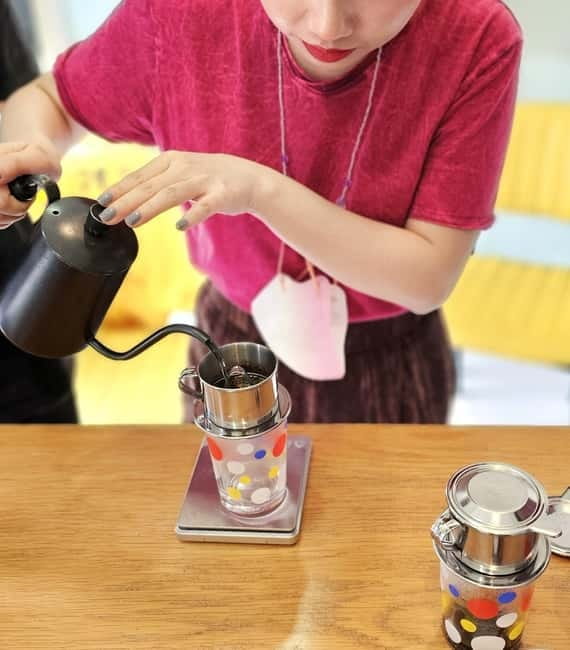
This workshop fits coffee drinkers who want context with their cup. You do not need prior brewing knowledge. The session is designed to explain the basics clearly, while still giving experienced coffee drinkers enough room to ask detailed questions.
It also suits people who like making things. You will not simply sit while Quynh prepares every drink. The hands-on part lets you see how small changes affect the result.
Food-focused visitors will appreciate the local snack and the way ingredients such as egg, coconut, salt, and condensed milk are treated as part of Vietnamese café culture. The activity is also useful early in a Ho Chi Minh City visit, since it can help you order with more confidence at cafés later.
It is not suitable for children under 16. The information also says the activity is wheelchair accessible but separately lists wheelchair users among those for whom it is not suitable. That conflict should not be ignored. Contact the provider before booking if you use a wheelchair or need any specific access arrangement.
What the strongest praise tells you
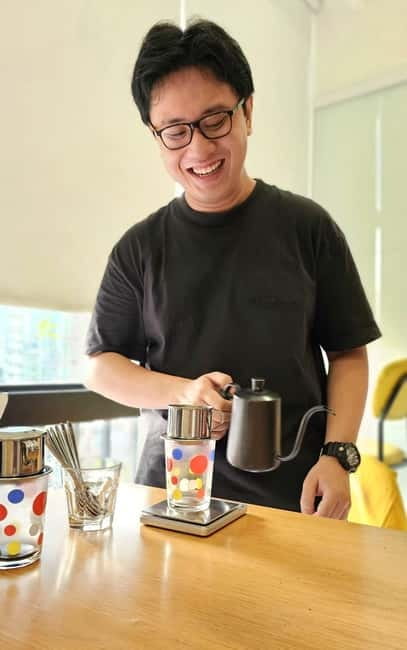
The most consistent praise focuses on Quynh’s command of both Vietnamese and world coffee. That matters because the workshop is not limited to memorizing local recipes. You can ask how Vietnam fits into the wider coffee trade, how growing affects the cup, and why certain brewing styles became popular.
The clear English also matters. Coffee terminology can become confusing when a guide has to explain extraction, strength, texture, or flavor balance. The available comments describe Quynh as easy to understand and willing to answer many questions.
Another strong point is the chance to make and taste the drinks yourself. That turns the session from a talk into a working introduction. You can compare traditional and modern approaches instead of accepting a single version as the correct one.
The coffee itself is not treated as a novelty. The workshop gives Robusta proper attention and shows how Vietnamese preferences developed around it. If you have previously dismissed Robusta as inferior, this may give you a more useful way to judge it.
A few sensible cautions before booking
The activity includes a lot of caffeine. Six drinks may be small tasting portions, but the total can still be significant. If you are caffeine-sensitive, ask Quynh about portion sizes or how to pace the tasting.
The session is also discussion-led. You will get more from it if you arrive curious and willing to ask questions. If you prefer a silent demonstration with little explanation, this may feel too detailed.
The experience begins and ends at the same central address, so it does not show you coffee farms or take you through several neighborhoods. Its strength is the focused workshop, not sightseeing by vehicle.
Finally, the score shown for the activity is based on only 10 ratings, while the provider states a much larger record across platforms. I would treat the praise as encouraging, but still judge the activity by what it promises: a compact, hands-on coffee lesson in central Saigon.
Should you book it?
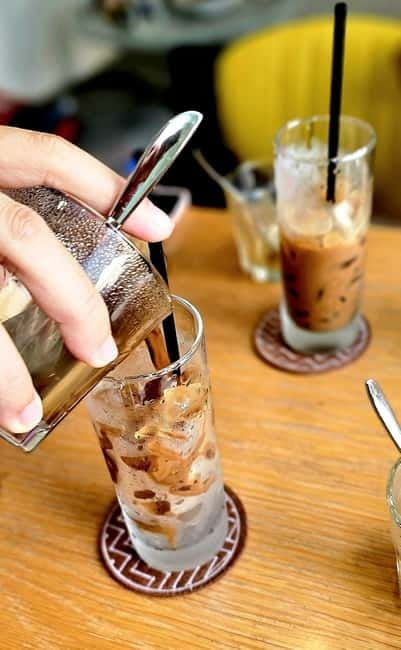
Book this coffee journey if you want the what, why, and how of Vietnamese coffee in one sitting. The mix of six drinks, brewing practice, local food, cultural context, and direct access to Quynh gives you more than a standard café stop for $30.
I would especially choose it for a first visit to Ho Chi Minh City, for anyone curious about Robusta, or for coffee drinkers who want practical recipes they can try later. Skip it if you dislike caffeine, need a short activity, or want a city tour rather than a workshop.
Before paying, confirm the accessibility arrangements if needed and tell Quynh about dietary or other special requirements. For most curious coffee drinkers aged 16 and over, this is a focused and useful way to understand one of Vietnam’s most important everyday pleasures.
FAQ
Where does the coffee experience begin?
It begins at 40E Ngô Đức Kế in central Ho Chi Minh City.
How long does the activity last?
The workshop lasts 150 minutes, or two and a half hours.
How many coffee drinks are included?
Six different coffee drinks are included.
What kinds of Vietnamese coffee will I taste?
The drinks include styles made with condensed milk, coconut, salt, and egg, along with comparisons between traditional and modern approaches.
Is food included?
Yes. You can choose a local bánh mì, vegetarian or halal bánh mì, croissant, or fresh fruit.
What languages does the host speak?
The activity is offered in English and Vietnamese.
Are children allowed to join?
No. The activity is not suitable for children under 16.
Can I cancel and receive a refund?
You can cancel up to 24 hours in advance for a full refund. You can also reserve now and pay later.
Just added around Ho Chi Minh City
- Ho Chi Minh Best Walking Tour: Food, Coffee & History★ 5.0 · 19 reviews
- Sai Gon Special Coffee At Landmark 81 & Street Food tour★ 5.0 · 3 reviews
- Saigon Special Night Coffee Landmark 81 & Food Tour★ 5.0 · 2 reviews
- Tea & Coffee Experience★ 5.0 · 10 reviews
- Hands-on making 3 Iconic Coffees of South Central North Vietnam★ 5.0 · 14 reviews
- Mastering Egg Coffee-Course on 4 traditional types of Viet coffee★ 5.0 · 16 reviews
- Private Ho Chi Minh City Tour from Port & Vietnamese Egg Coffee★ 5.0 · 6 reviews
- Discover Vietnam’s Coffee Culture.★ 5.0 · 5 reviews
Vietnamese Coffee Experiences, compared.
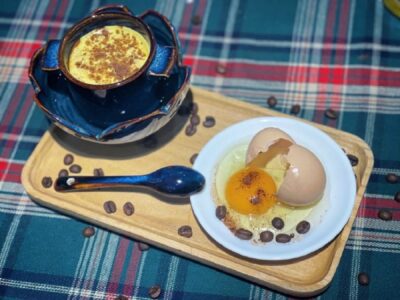
Vietnamese Coffee Culture and Coffee Making Class
Read our review →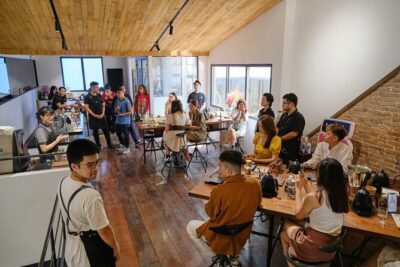
Fun & Easy Vietnamese Coffee Workshop in Hồ Chí Minh City
Read our review →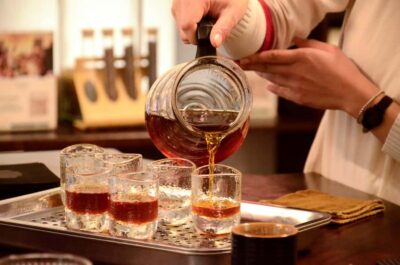
Vietnamese Coffee Workshop with 6 Brews and 8 Recipes
Read our review →
Vietnamese Coffee & Culture Exploration in Hồ Chí Minh City
Read our review →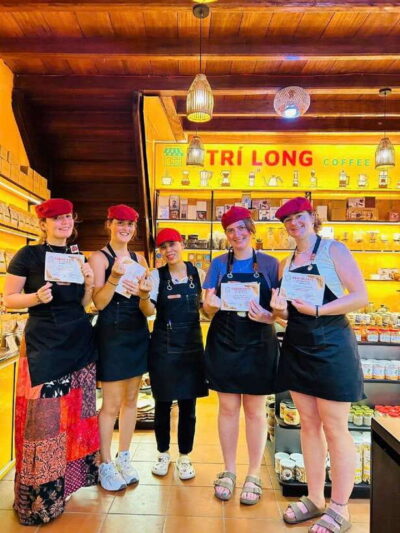
Vietnamese Coffee Making Workshop at Local Roastery
Read our review →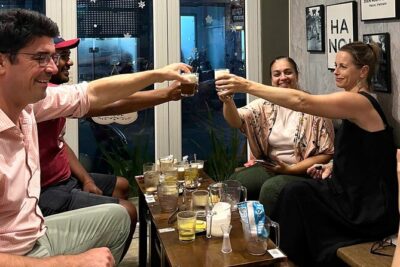
Hanoi Coffee Workshop: Master 6 Signature Vietnamese Coffee
Read our review →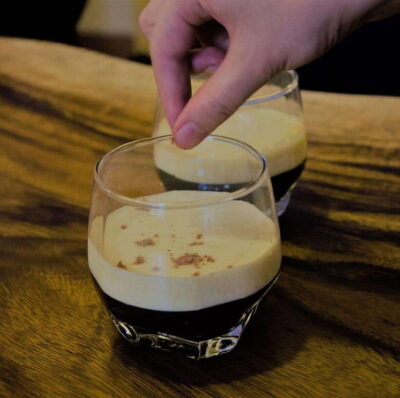
Hands-on Vietnamese Coffee Making Class with Long
Read our review →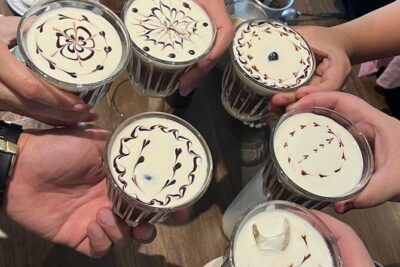
Six Cups of Vietnam Coffee Workshop in Hanoi with Local Barista
Read our review →Browse the lists this tour appears in