Review · VIETNAM
Buon Ma Thuot: Bean to Brew Coffee Farm Tour with Tasting
Buon Ma Thuot’s coffee story begins in the soil, not in the cup. At this small farm near Ea Kao, you learn how Robusta and Arabica are grown, cared for, harvested, dried, and prepared before tasting the final drink. I like the hands-on focus, especially the look at pruning, weeding, fertilizing, and irrigation. I also like that you can taste coffee made by machine or traditional filter.
The main caution is timing. Outside harvest season, you will not see picking or drying in progress. The directions also need care: one visitor found the farm hard to locate, so arrive early and use the contact details sent after booking. The advertised duration is one hour, while the guided visit is listed at about 80 minutes, so allow a little flexibility.
Key points to know before you book
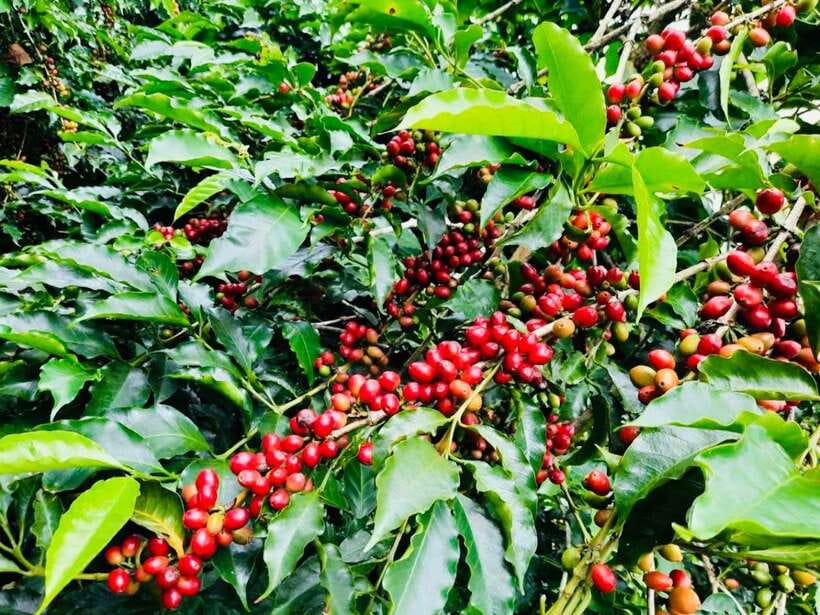
- Coffee at the source: See Robusta and Arabica plants in the Central Highlands, then taste the finished drink at the farm.
- Practical farm work: Learn about pruning, bud breaking, weeding, seasonal fertilization, and cleaning around each coffee tree.
- Traditional and modern methods: Compare traditional irrigation with newer irrigation technology, and learn how organic farming differs from conventional production.
- Wet-dry processing: Follow the steps used to turn coffee cherries into beans with distinctive flavors.
- Harvest-season difference: Picking and drying take place only during the coffee harvest, but the rest of the visit continues year-round.
- Good value for coffee fans: At $18 per person, the tour combines a guided farm visit and specialty coffee tasting without adding transport costs.
Why this small farm visit matters in Buon Ma Thuot
Buon Ma Thuot is widely known as Vietnam’s coffee capital, and that reputation makes a farm visit more useful than another café stop. In a café, you taste the finished drink. Here, you can connect that cup to the tree, the weather, the soil, the water, and the work required before roasting.
The farm is about 10 kilometers from the city center, far enough to give you a change of setting without turning the outing into a full-day expedition. You meet the instructor directly at the coffee farm in Ea Kao. Hotel pickup and drop-off are not included, so you need to arrange your own way there.
I like the scale of this experience. It is not presented as a large commercial attraction with a long list of stops. The focus is a coffee garden, the people caring for it, and the choices that affect the beans. That makes it a sensible stop for anyone who wants local context but has only a short amount of time.
The English and Vietnamese instruction is another practical plus. The quality of the English may vary by guide and by day, so it helps to arrive with a few questions ready. Most of the subject matter is concrete and visual, which makes it easier to follow as you look at the trees and processing equipment.
More Coffee Farm Tours in Vietnam
- Coffee Farm Tour with Roasting & Tasting Workshop – Da Lat
★ 5.0 · 126 reviews - Dalat’s countryside|Coffee Plantations Tour beyond Elephant falls
★ 5.0 · 59 reviews - Dalat: MOTORBIKE TOUR TO PONGOUR FALLS- SILK- COFFEE FARM
★ 4.9 · 52 reviews
Walking through the Robusta and Arabica coffee garden
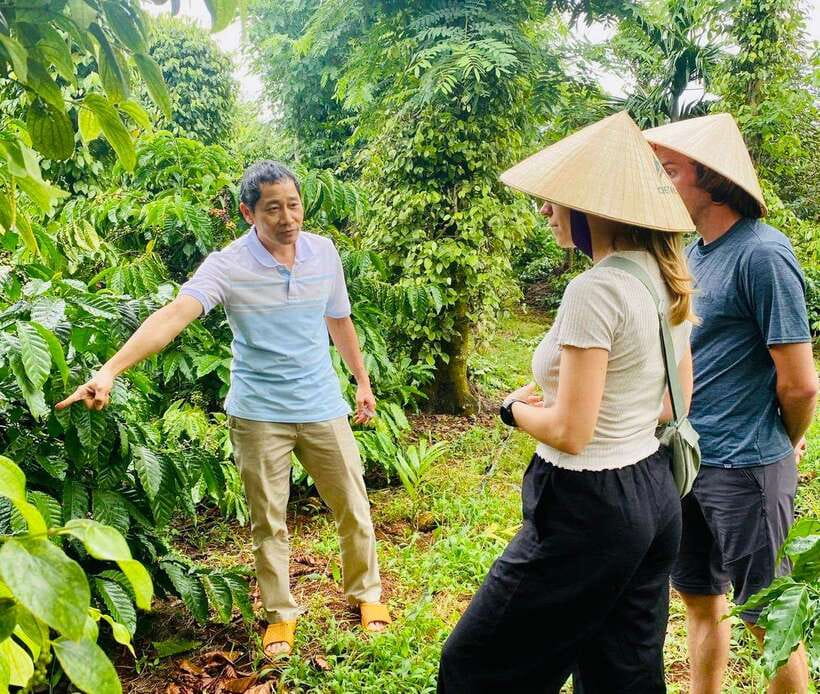
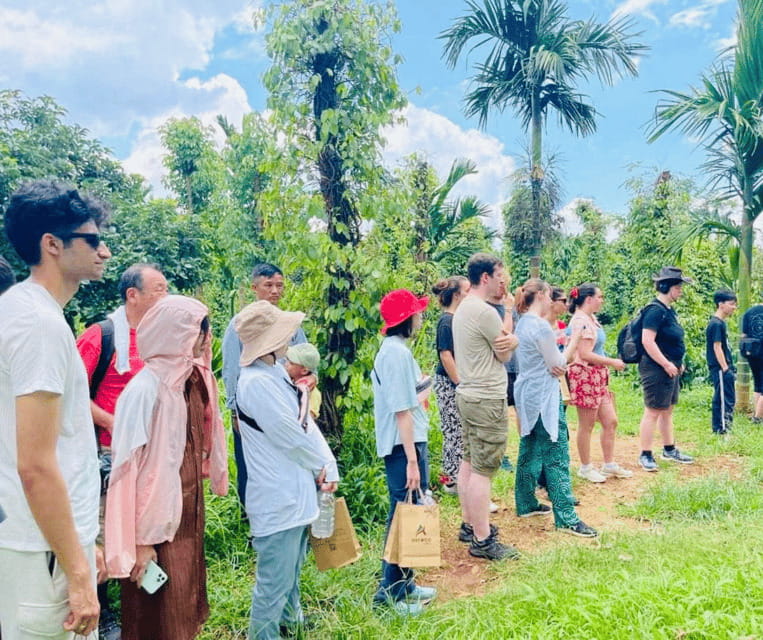
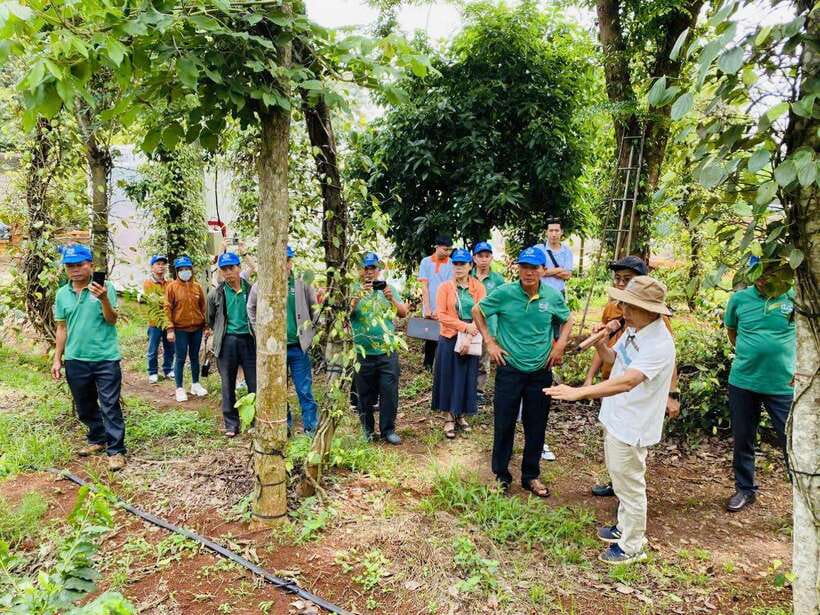
The visit begins with a guided look around the plantation. You will see both Robusta and Arabica coffee, two varieties that can produce noticeably different cups and require different growing conditions. The guide explains the plants and the stages of production rather than simply pointing out the trees.
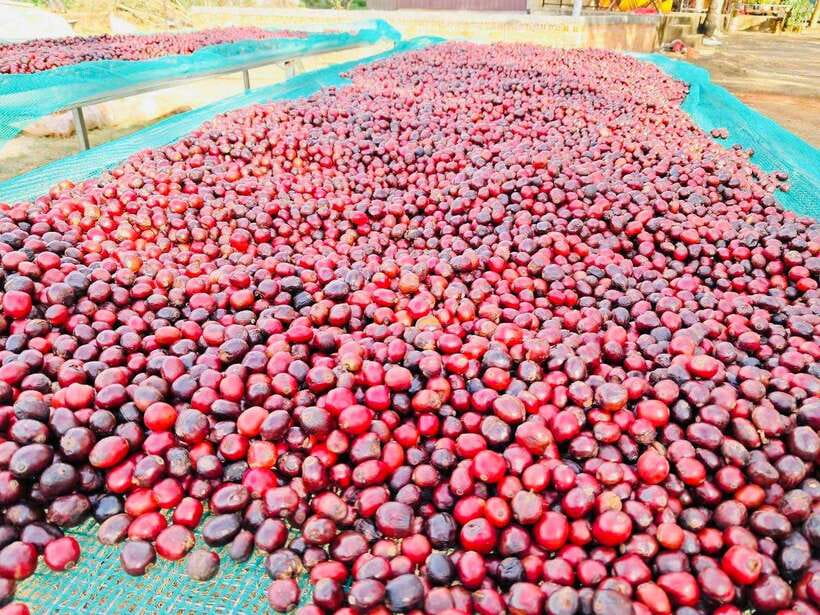
This part is especially useful if your coffee knowledge begins and ends with the menu at a café. You learn that coffee is a fruit first. The beans sit inside coffee cherries, and the condition of those cherries, along with harvesting and processing, affects the quality of the drink later.
At the end of the harvest season, you may be able to taste freshly picked coffee cherries. That small detail can change how you think about coffee. The fruit itself is not the same thing as the roasted bean, and tasting it helps make the processing stages easier to understand.
The plantation is described as colorful and welcoming, with a natural setting around the coffee trees. Do not expect a grand estate or a long scenic route. The draw is the close look at ordinary farm work and the chance to ask questions in a working coffee setting.
Learning the work behind each coffee tree
A strong feature of this experience is the attention given to routine care. You learn about pruning, bud breaking, proper weeding, seasonal fertilization, and cleaning the basin around the coffee tree.
These jobs may sound basic, but they explain why coffee farming takes regular effort long after the trees are planted. Pruning helps manage growth. Weeding reduces competition around the tree. Fertilization changes with the season, and keeping the area around the trunk clean supports better care and water management.
You may also be invited to join in some of these processes with local workers. The exact activity can depend on the season and the farm’s needs, so think of this as a practical introduction rather than a full work shift. That is a good fit for families, curious coffee drinkers, and anyone who learns best by seeing and doing.
The organic and conventional farming discussion adds useful context. You can ask how each approach handles fertilizer, weeds, and general tree care. The experience does not promise a formal agricultural course, but it gives you a clearer basis for understanding the claims you see on coffee packaging.
Irrigation, weather, and the Central Highlands cup
Coffee depends on more than rainfall, and the tour includes an introduction to traditional irrigation systems. You receive instructions on how they operate and an overview of the benefits of irrigation technology.
This is one of the more valuable parts of the visit because water management is easy to overlook when you are focused on the finished drink. The guide connects irrigation to the health of the trees and the timing of farm work. You also get a sense of how traditional methods compare with newer equipment.
The final coffee is described as carrying the influence of the sun, wind, and mountains of the Central Highlands. That language is poetic, but the basic point is practical: growing conditions shape the cherries, while processing and brewing shape the cup.
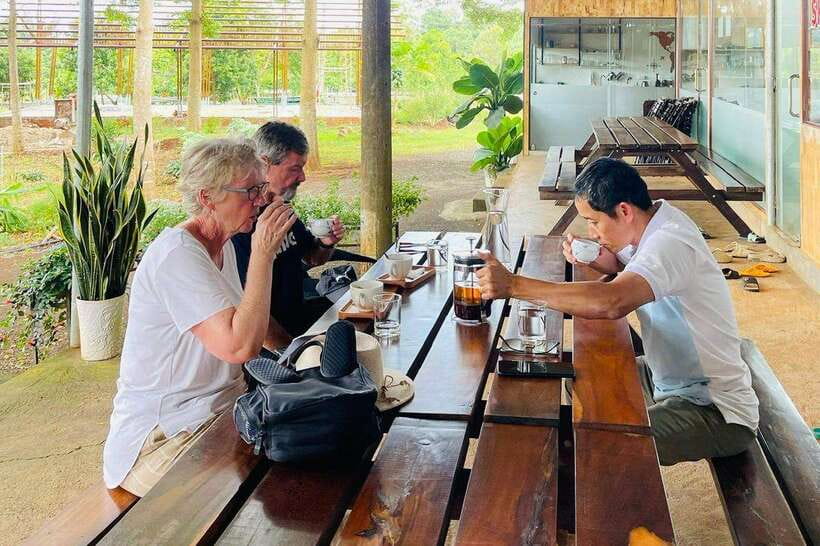
You can choose black or milk coffee, prepared by machine or filter. If you normally order Vietnamese coffee with milk, this is a chance to compare it with a simpler black cup. If you want the strongest link to local café habits, ask about the filter option. The exact drink selection can depend on what the farm offers that day.
More Coffee Tastings in Vietnam
- Hanoi Coffee Experience: 6 Brews, 9 Recipes & 3 Liquor Tastings
★ 5.0 · 2,945 reviews - Da Nang Cooking Class with Coffee Tasting and Market Visit
★ 5.0 · 310 reviews - Hanoi: Hands-On 5 Vietnamese Coffees & 3 Local Wines Tasting
★ 5.0 · 14 reviews - Ho Chi Minh: Tasting Iconic Coffee of 3 Regions in Vietnam
★ 5.0 · 5 reviews
Following the wet-dry processing method
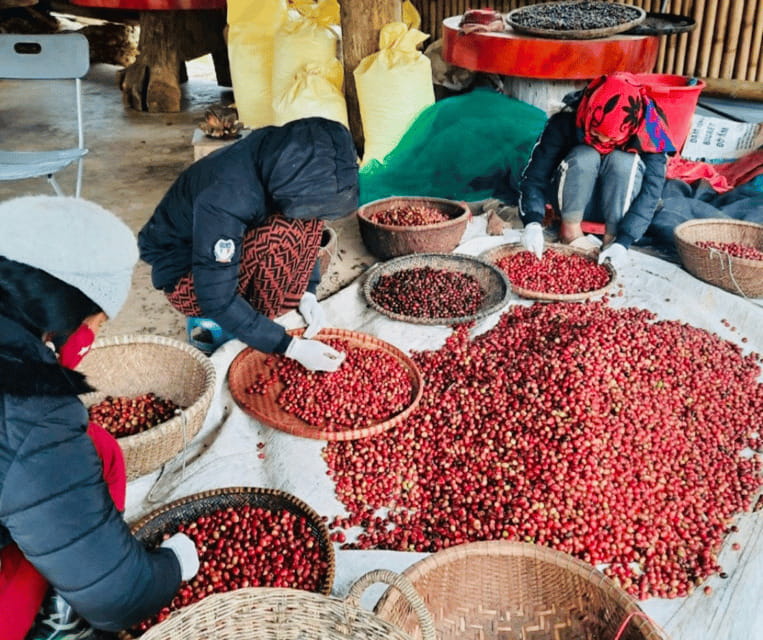
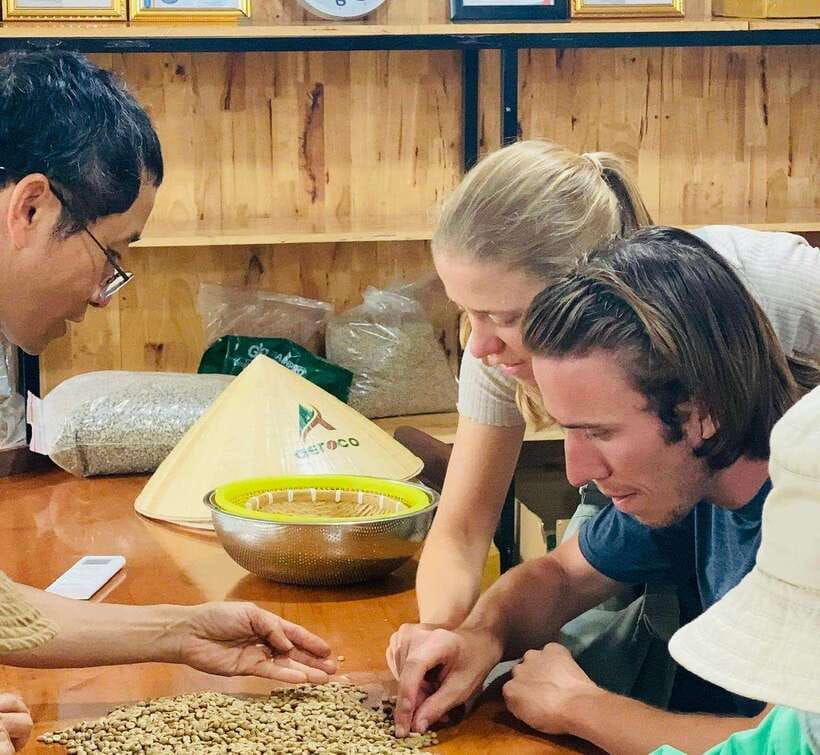
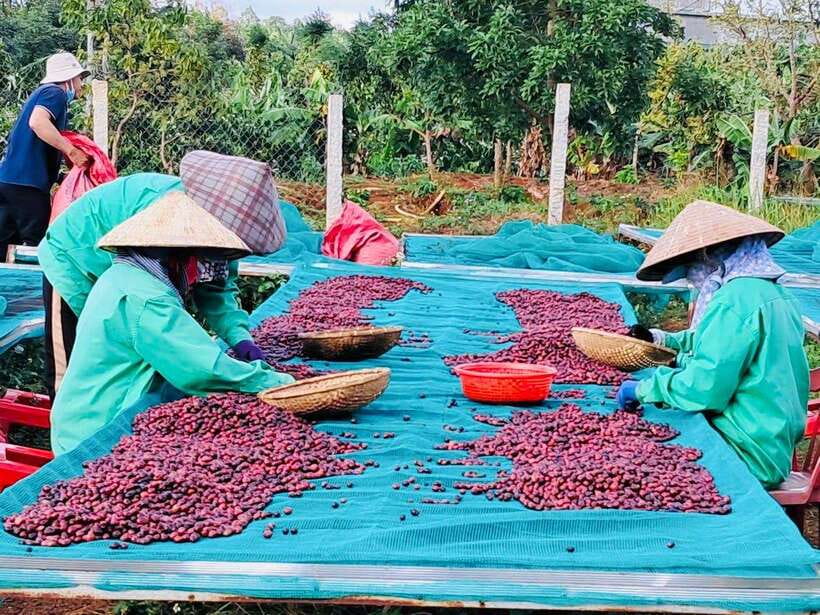
After seeing the trees, you learn how coffee moves from cherry to bean. The farm explains the wet-dry method used to create specialty coffee, covering the processing stage before the beans are ready for roasting and sale.
This part gives the tour more substance than a basic plantation photo stop. Coffee processing is where much of the final flavor is shaped. The guide can explain how wet and dry stages affect the bean, why careful handling matters, and how quality standards differ between batches.
You may also taste different coffee types and, during harvest, freshly picked cherries. This comparison is useful because it lets you connect raw fruit, processed beans, and brewed coffee. It also gives you a better idea of why two coffees from the same general region can taste different.
The experience does not include packaged coffee for sale. That is worth noting if you are hoping to leave with beans from the farm. You can still ask about the coffee and the processing, but you should plan to buy packaged coffee elsewhere if that is important to you.
The final tasting is more than a quick caffeine stop
The tasting is included in the $18 price, along with the farm guidance and other planned activities. You finish with a professionally prepared coffee or tea, and the main coffee choice includes black or milk coffee made by machine or filter.
The tasting gives the visit a clear ending. You have seen the plant, heard about farm care, followed the processing, and then tasted the result. I like this structure because it keeps the farm work connected to something you can judge with your own senses.
The coffee itself received strong praise for flavor and preparation, but one detailed account also noted that tea was available. If you do not drink coffee, confirm the current drink options with the instructor after booking. The activity is built around coffee, so it is best suited to people who want coffee at the center of the experience.
The total price is fair for a short, focused activity. At $18 per person, you are paying for local instruction, access to a coffee farm, an explanation of production, and a tasting. Since transport, personal expenses, and packaged coffee are not included, the value is best if you are already planning to visit the area and can reach Ea Kao without hiring a costly transfer.
Timing, directions, and the harvest-season question
The booking information gives a duration of one hour, while the guided plantation visit is listed at 80 minutes. I would plan for roughly 60 to 80 minutes, plus time to find the farm and settle in. Arrive at least five minutes before the start.
Getting to the correct place deserves special attention. The meeting point is the farm in Ea Kao, not a central Buon Ma Thuot hotel. After booking, you receive directions and the instructor’s contact details. Save them before leaving your hotel, and contact the instructor if the route is unclear.
The season affects what you see. During harvest, you may watch or take part in picking and drying. Outside that period, those activities will not take place, but the farm tour, care practices, irrigation explanation, processing discussion, and tasting continue as planned.
You should also bring your own sun protection. The activity does not supply it. A hat, sunscreen, and suitable shoes are sensible choices for time outdoors, though the supplied details do not specify a dress code or footwear requirements.
The activity is wheelchair accessible, which is helpful, but the available information does not explain the exact surfaces or whether every farm area can be reached equally easily. If access details matter to you, contact the provider before booking.
Who will get the most from this coffee tour
I would choose this experience if you want a short introduction to Central Highlands coffee without committing to a long countryside excursion. It fits well into a Buon Ma Thuot visit and gives you more context than a tasting alone.
It suits:
- Coffee drinkers who want to understand the path from cherry to cup
- Visitors interested in organic and conventional farming
- Families and curious beginners who prefer a practical activity
- People who want to meet a local instructor and see a working coffee garden
- Anyone looking for a one-hour activity near Buon Ma Thuot
It may not suit you if you want a full-day agricultural program, guaranteed harvesting, or a large selection of packaged coffee to take home. It is also not the best choice if you need hotel transport included.
The overall rating is 4.3 out of 5 from 11 ratings, which fits the experience as described: most of the appeal comes from the friendly instruction, farm setting, and tasting, while the main risks are finding the location and dealing with seasonal limits. One low rating described a visit that lasted only about 20 minutes and found the English weak. That suggests you should confirm the meeting point and be ready to ask for clarification if communication is difficult.
Should you book the Ea Kao coffee farm visit?
Book it if you have a free hour in Buon Ma Thuot, can arrange your own transport, and want to understand coffee beyond the café counter. The best parts are the practical look at tree care, the comparison of farming methods, the explanation of wet-dry processing, and the final machine or filter coffee.
Try to schedule it during harvest if seeing cherries picked and dried matters to you. If your dates fall outside harvest, book it for the farming knowledge and tasting instead.
For $18, this is a good-value introduction rather than a major day trip. Keep your expectations realistic, allow time to find the farm, bring sun protection, and confirm the meeting details. If those points work for you, the visit offers a direct, friendly way to connect Buon Ma Thuot’s coffee culture with the work behind every cup.
FAQ
Where does the coffee farm tour start?
The meeting point is at Ea Kao, at the coffee farm about 10 kilometers from Buon Ma Thuot city center. Directions and the instructor’s contact information are sent after successful booking.
How long does the experience last?
The advertised duration is one hour. The guided plantation visit is listed as about 80 minutes, so allow some flexibility around the scheduled start and finish.
Is hotel pickup included?
No. Hotel pickup and drop-off are not included, so you must arrange your own transport to the farm.
What languages are available?
The instructor can provide the tour in English or Vietnamese.
Can I visit outside the coffee harvest season?
Yes. The tour continues outside harvest season, but harvesting and drying activities will not take place. Other planned farm and processing activities still proceed.
What coffee will I taste?
You can taste a cup of black or milk coffee prepared by machine or filter. A professionally prepared coffee or tea may also be available, depending on the farm’s current offering.
Is packaged coffee included?
No. Packaged coffee for sale is not included in the price, and personal purchases are separate.
Can I cancel the booking?
You can cancel up to 24 hours in advance for a full refund. The reserve now and pay later option lets you book without paying at the time of reservation.
More Roastery Tours in Vietnam
- Ho Chi Minh City: Vietnamese Specialty Coffee Journey
★ 5.0 · 4 reviews - Experience Making specialty coffee in Da Lat City
★ 5.0 · 3 reviews - Hoi An Coffee Roastery Experience: Brew & Taste Like a Local
★ 5.0 · 3 reviews - Buon Ma Thuot: Specialty Coffee Tour and Brewing Experience
★ 5.0 · 2 reviews
More Specialty Coffee Tours in Vietnam
- Hoi An: Vietnamese Coffee Making Workshop at Local Roastery
★ 4.8 · 174 reviews - Experience specialty coffee with sustainable coffee farmers
★ 4.9 · 91 reviews - Vietnamese Bread & Brew: Banh Mi Baking Class & Specialty Coffee
★ 5.0 · 76 reviews - Buon Ma Thuot: Coffee Farm Tour (Bean to Brew) with Pickup
★ 4.6 · 24 reviews
Just added around Vietnam
- Vietnamese Coffee 101 Workshop★ 5.0 · 11 reviews
- Vietnamese Coffee Making Class in Hoi An★ 5.0 · 4 reviews
- Vietnamese cooking class and coffee making with local girl★ 5.0 · 5 reviews
- Vietnamese Egg Coffee Making Course in Hoi An★ 3.5 · 2 reviews
- Authentic Vietnamese Coffee Making Experience in Hoi An★ 5.0 · 13 reviews
- Hoi An Ancient Town and Coffee Making Course★ 5.0 · 4 reviews
- Hoi An Vietnamese Coffee Workshop: Hands-On Brewing Class★ 5.0 · 3 reviews
- Hoi An Coffee Making Workshop★ 5.0 · 7 reviews
Specialty Coffee & Roastery Tours, compared.
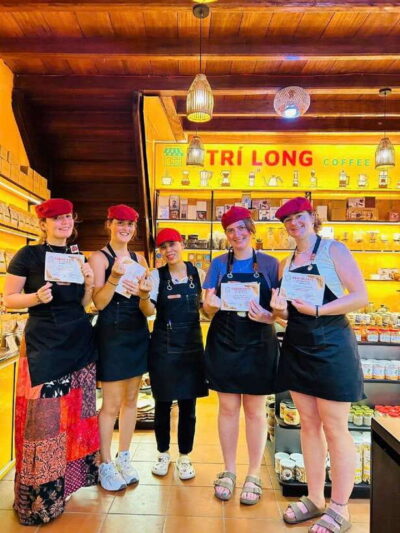
Vietnamese Coffee Making Workshop at Local Roastery
Read our review →
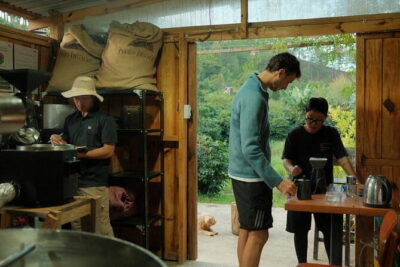
Coffee Farm Tour with Roasting & Tasting Workshop – Da Lat
Read our review →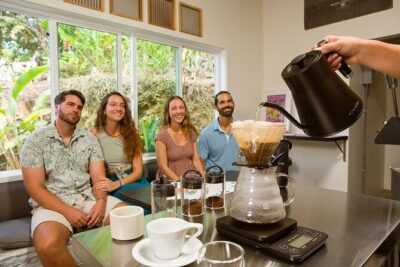
Experience specialty coffee with sustainable coffee farmers
Read our review →
Vietnamese Bread & Brew: Banh Mi Baking Class & Specialty Coffee
Read our review →
Santo Domingo Small Group Walking Tour: Beer and Specialty Coffee
Read our review →