
Review · VIETNAM
Buon Ma Thuot: Coffee Farm Tour (Bean to Brew) with Pickup
Buon Ma Thuot is Vietnam’s coffee capital, and this short farm visit shows you what that title means beyond a café menu. You’ll see Arabica and Robusta trees, learn how local farmers care for them, and finish with coffee made by machine or traditional filter.
I like the hands-on farm work, which can include pruning, bud breaking, weeding, fertilizing, and clearing the soil around each tree. I also like the clear link between farming and taste, with wet-dry processing, irrigation, and organic versus conventional methods explained before you sip the result.
The main thing to keep in mind is the 90-minute schedule. It gives you a useful introduction, not a full farming day, and harvesting or drying may not be available outside the coffee season. Transport and guide quality can also vary, since your driver may speak little English even when the farm guide speaks it well.
Key points to know before booking
- Arabica and Robusta grow side by side, giving you a direct look at two coffee varieties common in the Central Highlands.
- Farm work is part of the visit, with seasonal tasks such as pruning, bud breaking, weeding, and fertilizing.
- Processing is explained from bean to cup, including the wet-dry method used for specialty coffee.
- Traditional irrigation gets practical attention, including how to operate the system and why irrigation matters.
- Your tasting includes black or milk coffee, prepared with either a machine or a filter.
- The trip costs $25 per person, including pickup, drop-off, guidance, and tasting, but not personal purchases or packaged coffee.
Why this farm visit fits Buon Ma Thuot so well
Buon Ma Thuot is not just a place where coffee is served. Coffee farming shapes the area’s economy and daily life, and this tour takes you a short distance from the city into that working world.
You can look at a cup of Central Highlands coffee in two ways. It is a drink, of course, but it is also the final step in a long process involving soil care, water, pruning, ripening, harvesting, drying, and roasting. This visit connects those steps without asking you to spend an entire day on a plantation.
The farm grows both Arabica and Robusta, which makes the stop more useful than a basic coffee tasting. You can learn that coffee is not one single product, and that the variety, growing conditions, care, and processing all affect what reaches your cup.
The experience also supports local businesses in Buon Ma Thuot. That matters here because the tour keeps your spending with the farm, guides, driver, and coffee producers rather than limiting your visit to a city café.
More Coffee Farm Tours in Vietnam
- Coffee Farm Tour with Roasting & Tasting Workshop – Da Lat
★ 5.0 · 126 reviews - Dalat’s countryside|Coffee Plantations Tour beyond Elephant falls
★ 5.0 · 59 reviews - Dalat: MOTORBIKE TOUR TO PONGOUR FALLS- SILK- COFFEE FARM
★ 4.9 · 52 reviews
Pickup from Buon Ma Thuot and the short ride out
You can arrange pickup in Buon Ma Thuot city center or meet at Buon Ma Thuot Square. The car or bus collects people around the central area, and the driver contacts you by phone or WhatsApp before pickup.
If your accommodation is more than 3 kilometers from the city center, you need to go to Buon Ma Thuot Square. Arrive at least five minutes before departure. That small detail is worth taking seriously, since the transfer is short and the vehicle may not wait long at the meeting point.
The ride to the plantation takes you out of the city and into a quieter setting. One useful feature is that the driver handles the transport, so you do not need to find a remote farm on your own or arrange a separate taxi back.
Driver communication deserves a realistic note. Long, one driver praised for careful driving and a clean car, did not speak English, but basic communication worked through a translation app. The farm guide provided the detailed explanations. You should therefore treat the driver mainly as your transport contact and not assume that every part of the trip will be guided in English.
The return takes you back to Buon Ma Thuot or Buon Ma Thuot Square. One booking included extra flexibility, with a stop at a nearby lake and a ride back to a homestay instead of the central meeting point. Consider that a pleasant possibility, not a guaranteed part of the tour.
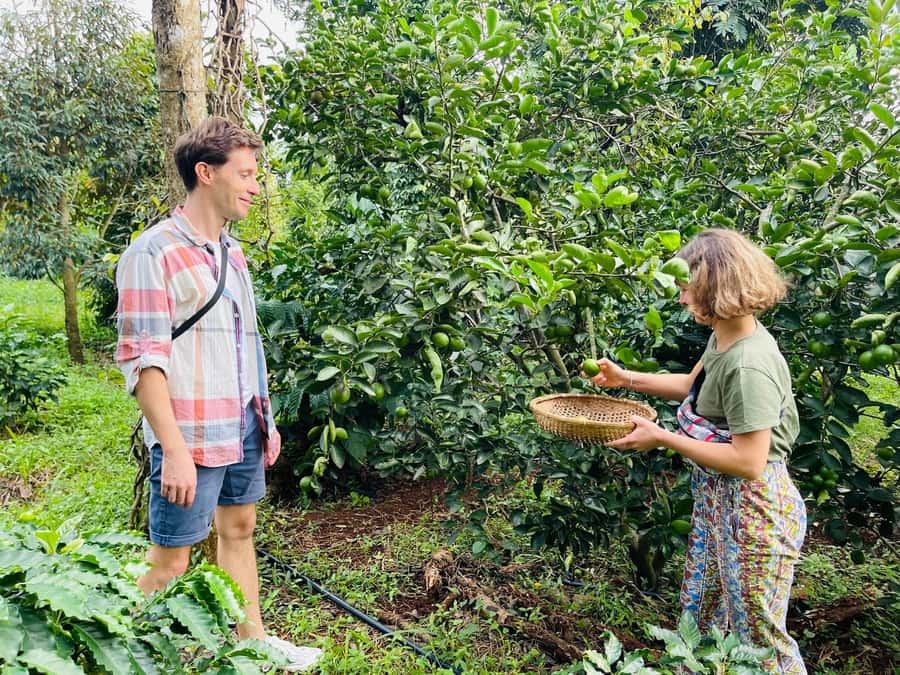
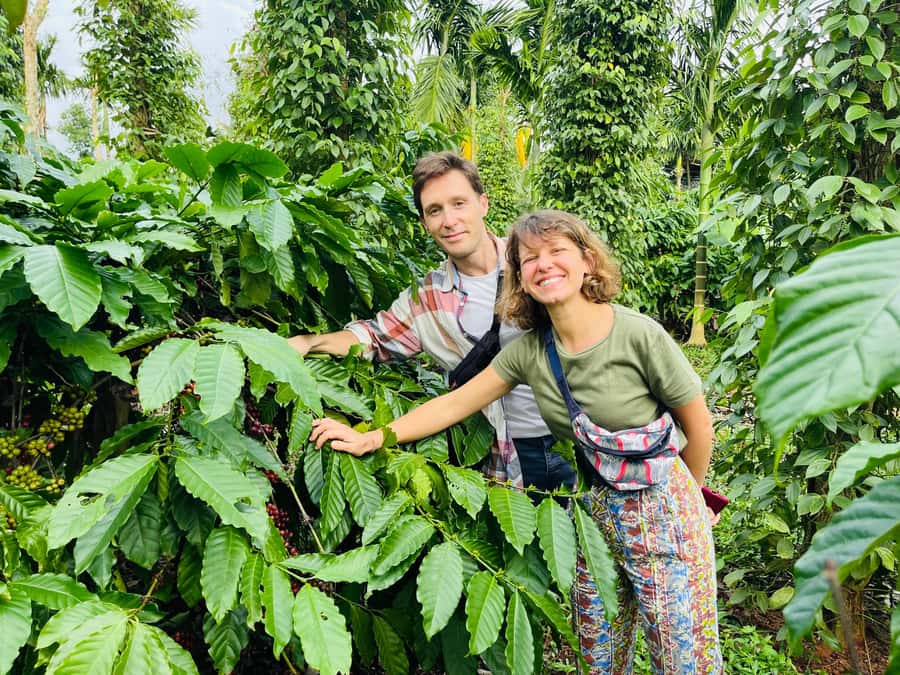
Walking through Arabica and Robusta coffee trees
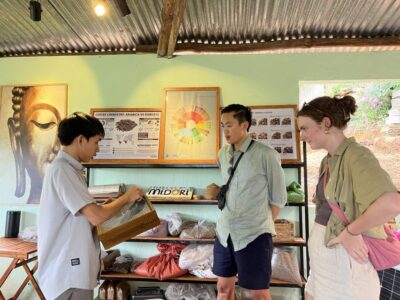
At the plantation, your guide takes you through the coffee garden and explains how the trees are managed. This is where the visit becomes more than a tasting session.
You can see the difference between Arabica and Robusta in the context where they grow, rather than hearing a list of tasting notes in a café. The guide explains what happens during coffee care, and you may take part in simple seasonal jobs alongside local people.
The work can include:
- Pruning branches to keep the tree productive
- Breaking buds as part of seasonal care
- Removing weeds around the trees
- Applying fertilizer at the proper time
- Cleaning the basin around each coffee tree
These jobs may sound plain, but they explain why coffee farming needs regular attention. A coffee tree does not simply grow beans and wait for harvest. Farmers must manage the ground, water, branches, and nutrients through the season.
The hands-on element is a strong reason to choose this experience. You are not only looking at a plantation from a path. You receive instructions and help with some of the work. The exact tasks depend on the season, so do not expect every activity on every visit.
The setting is another part of the appeal. The plantation is close enough to Buon Ma Thuot for a short outing, but it feels rural and calm once you arrive. One booking included time among flower fields after the tour, and another described the site as a pleasant place to watch the sun go down. These touches may depend on timing and farm conditions, but they show why the visit can feel more relaxed than a city activity.
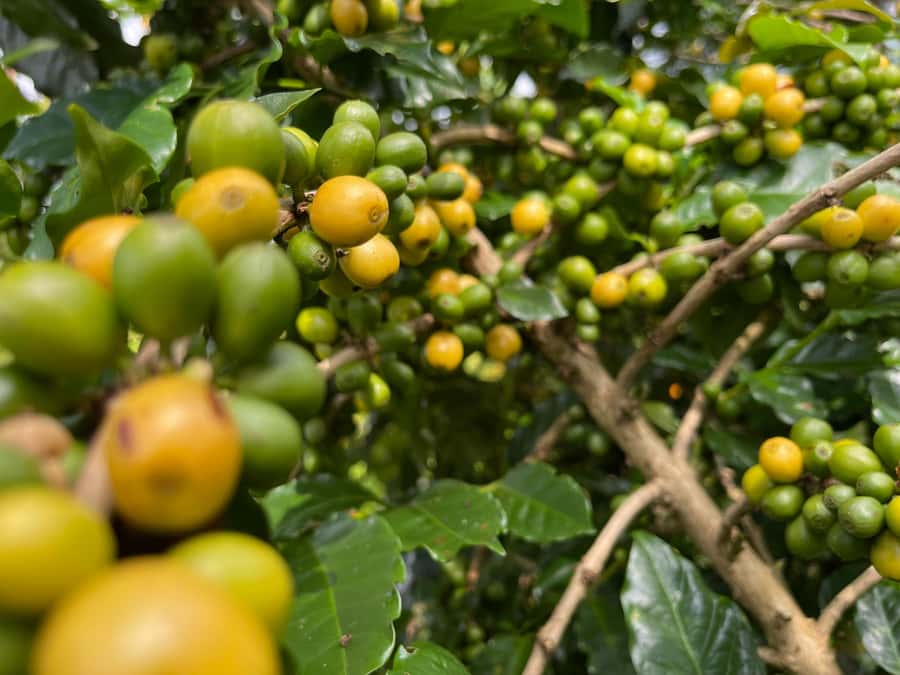
Harvest season changes what you will see
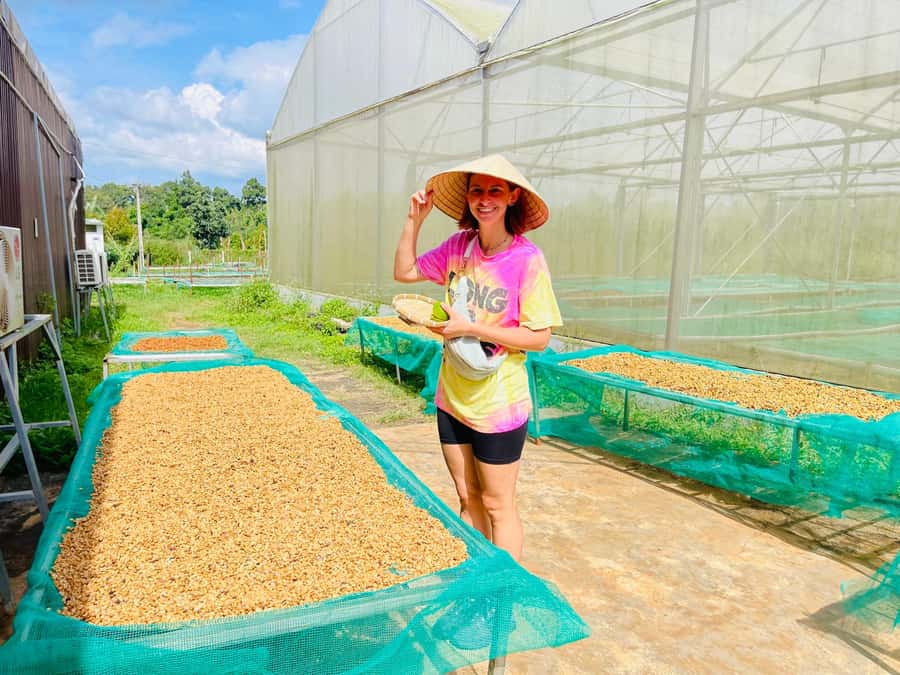
Coffee farming follows a seasonal rhythm, and the tour cannot recreate harvest conditions all year. If you visit outside the coffee harvest season, harvesting and drying activities will not take place.
That is not a reason to avoid the tour, but it should shape your expectations. The farm care work, processing explanation, irrigation instruction, and tasting continue as planned. You simply lose the chance to see ripe coffee being picked and beans being dried at that time.
If harvesting is important to you, ask about current conditions before booking. The activity description does not give a fixed harvest calendar, so the provider is the best source for a specific date.
If you visit outside harvest, the tour still gives you the more lasting lesson: coffee quality begins well before roasting. You can see how farmers care for the trees and learn how processing changes the final drink.
More Specialty Coffee Tours in Vietnam
- Hoi An: Vietnamese Coffee Making Workshop at Local Roastery
★ 4.8 · 174 reviews - Experience specialty coffee with sustainable coffee farmers
★ 4.9 · 91 reviews - Vietnamese Bread & Brew: Banh Mi Baking Class & Specialty Coffee
★ 5.0 · 76 reviews - Buon Ma Thuot: Bean to Brew Coffee Farm Tour with Tasting
★ 4.3 · 11 reviews
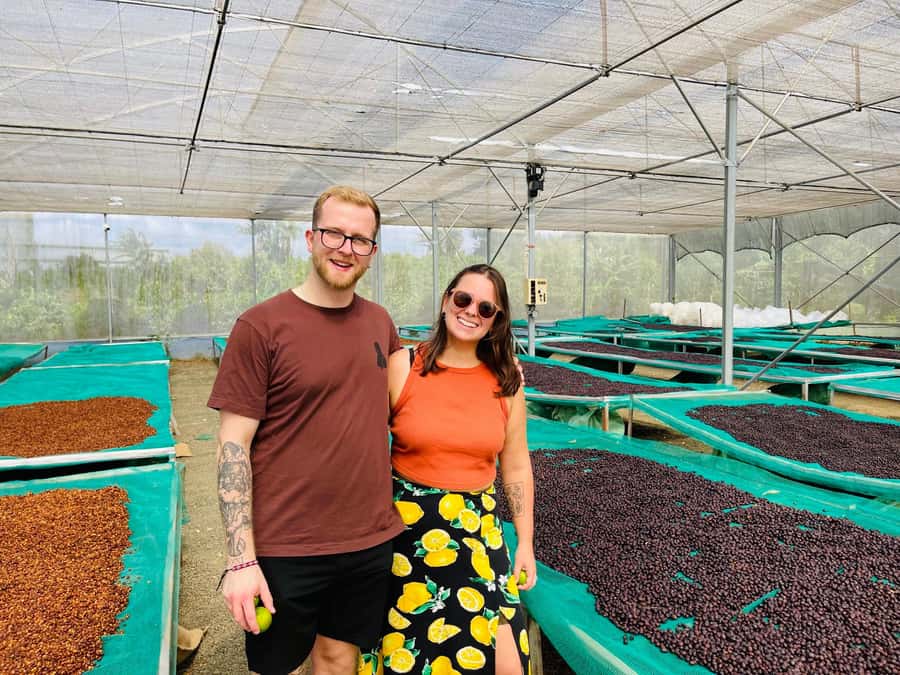
Wet-dry processing and the path to specialty coffee
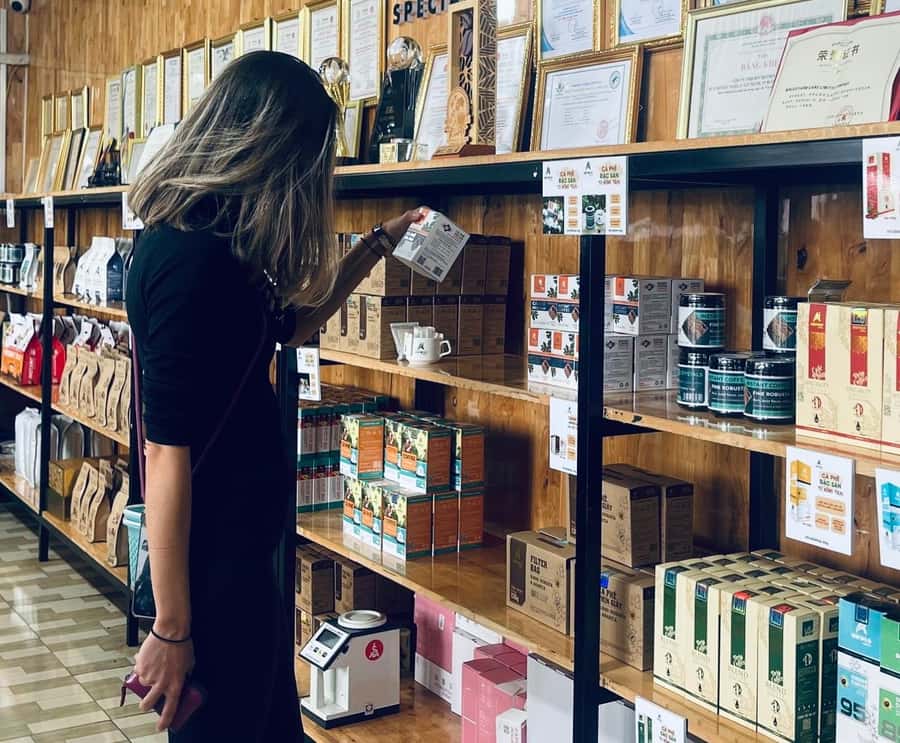
The processing section explains how coffee beans move from the fruit on the tree to a form that can be roasted and brewed. The farm uses a wet-dry method, and the guide explains how that method contributes to specialty coffee.
This part is especially useful if you already drink coffee but have never seen production up close. The word specialty can seem vague when it appears on a menu. Here, you get a practical explanation of the work behind better flavor, from farm care through processing.
The tour also covers the difference between organic and conventional farming. This is not just a label lesson. It gives you a way to think about how farmers manage weeds, fertilizer, soil, and plant health.
You should not expect a technical coffee school in 90 minutes. The value comes from seeing the process in place and asking questions while the guide walks you through it. Ngan, one English-speaking guide, was especially good at explaining the farm and answering detailed questions during one visit. Her strong English made the technical parts easier to follow.
Traditional irrigation in the Central Highlands
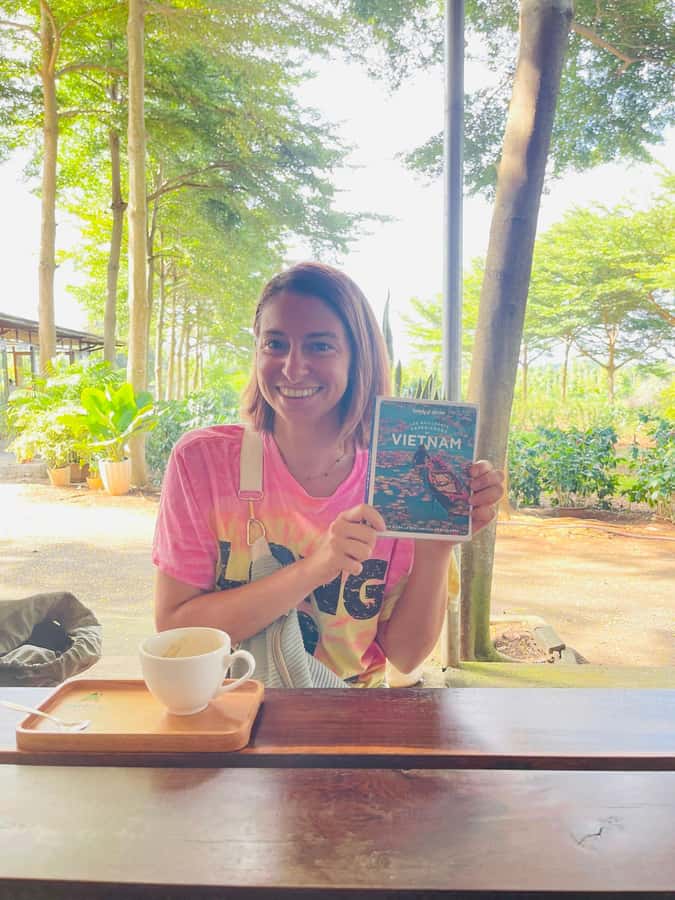
Water management gets its own place in the experience. You receive an introduction to traditional irrigation systems and instructions on how to operate them.
That hands-on instruction helps you understand the practical side of coffee farming. Water affects tree health, timing, and yield, especially during dry periods. The tour also explains the benefits of irrigation technology, so you can compare older methods with newer approaches.
This is a useful feature for anyone interested in agriculture, not only coffee fans. It shows that a plantation depends on planning and labor long before the beans are picked. You also get a better sense of how local conditions shape farming in the Central Highlands.
The irrigation section may not be the most visually dramatic part of the visit, but it gives the tour substance. Many coffee stops focus only on tasting. This one explains the work that makes the tasting possible.
The final cup: black, milk, machine, or filter
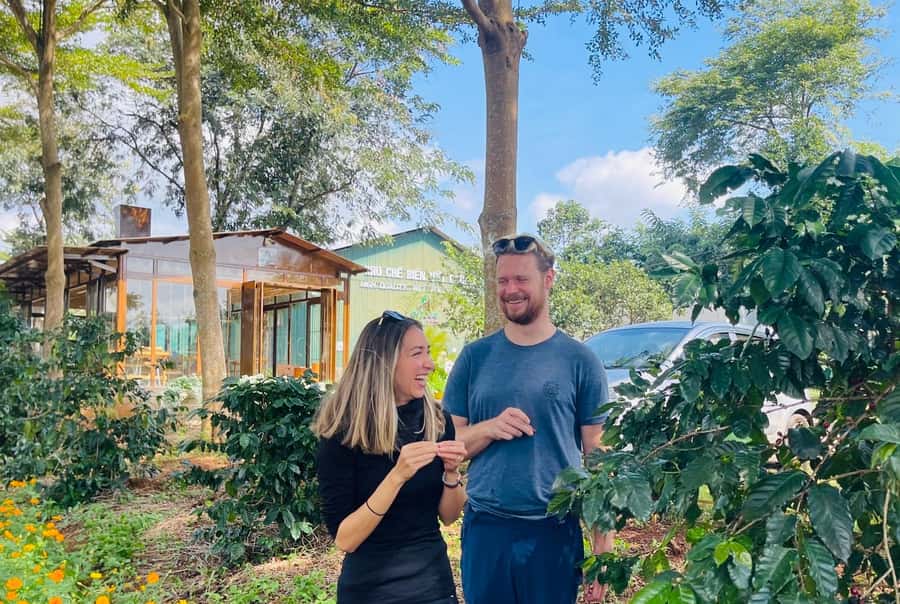
After the farm and processing explanations, you taste the coffee. You can choose black coffee or coffee with milk, and it may be brewed by machine or with a traditional filter.
That choice matters because the brewing method changes the pace and character of the tasting. A machine-brewed cup is familiar to many people, while a filter gives you a slower preparation and a closer connection to Vietnamese coffee habits.
The tasting is included in the price, so you do not need to pay extra for the basic coffee experience. If you want packaged coffee to take home, that is a separate purchase. The activity specifically excludes retail coffee, along with other personal expenses.
The tasting is also a good time to ask about what you have just seen. You can connect the aroma and flavor in the cup with the variety, farm care, and processing method discussed earlier.
The setting can add to the pleasure. Flower fields and mountain air may be part of the surroundings, and some visits have included a calm period after the formal tour. Do not expect a large café with a long menu. This is a farm-based tasting, and the focus stays on the coffee produced in the area.
Is $25 good value for 90 minutes?
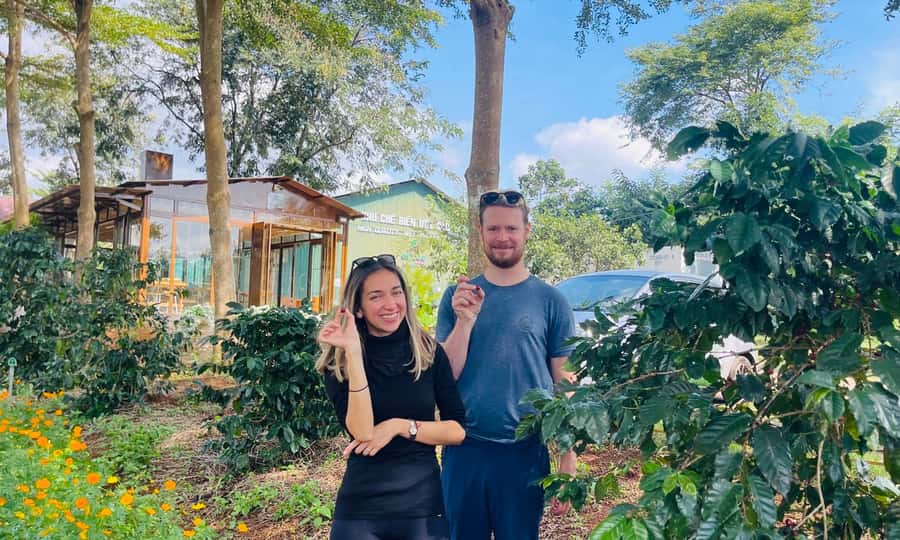
At $25 per person, the price is fair if you want a compact introduction to Buon Ma Thuot’s coffee industry. Pickup and drop-off are included, as are the farm guidance, coffee education, and tasting.
The value is strongest for people who would otherwise need to arrange transport to a plantation and pay separately for a guide and coffee. The tour combines those parts in one booking, which makes it simple during a short stay in the city.
The price is less attractive if you want a full-day agricultural experience, a long plantation walk, or a guaranteed harvest demonstration. Ninety minutes passes quickly once you include the ride, farm walk, explanations, hands-on work, and tasting.
You should also budget for personal purchases if you want packaged coffee. That is not included. The activity gives you coffee to taste, but buying beans to take home costs extra.
Who should book this coffee farm tour?
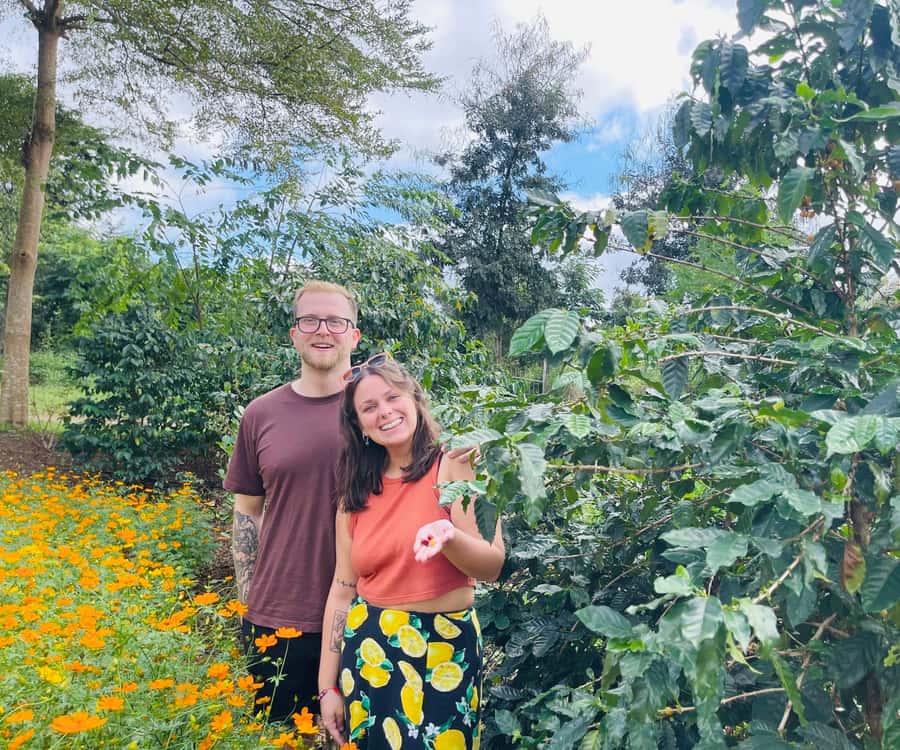
I would choose this tour if you are staying in Buon Ma Thuot and want to understand why coffee matters here. It suits coffee drinkers, curious food travelers, photographers looking for a rural setting, and anyone with a free morning or afternoon.
It also works well for people who prefer a short activity. You do not need to commit to a full plantation day, and the pickup service removes much of the planning.
Families and visitors with mobility needs should note that the activity is listed as wheelchair accessible. Still, you may want to confirm the exact farm surfaces and vehicle setup before booking, since the available details do not describe every path.
English-language support is available through the instructors, and Vietnamese is also offered. The driver may not speak English, so keep your phone available for WhatsApp or translation help.
This is not the best choice if you dislike organized transport, want a completely private farm visit, or require harvesting and drying during your chosen date. It is also not a coffee roasting class. The focus is farming, processing, irrigation, and tasting.
Booking is flexible: you can reserve now and pay later, and cancellation is free up to 24 hours before the activity for a full refund. Alcohol, drugs, and making fires are not allowed.
My advice on booking
Book this experience if you want a clear, affordable introduction to the coffee culture of Buon Ma Thuot. The strongest parts are the chance to help with farm care, the explanation of wet-dry processing, the irrigation lesson, and the final cup made your way.
The short format is both its strength and its limit. You get enough time to understand the basic process and enjoy the farm, but not enough time for a long harvest session or an in-depth agricultural course.
For the best match, ask about the current season if picking coffee is important to you. If you are happy with farm care, processing, and tasting, the $25 price offers a sensible way to get beyond the city cafés and see where Central Vietnam’s coffee begins.
FAQ
Where does the Buon Ma Thuot coffee tour start?
You can be picked up around Buon Ma Thuot city center or meet at Buon Ma Thuot Square.
Is hotel pickup and drop-off included?
Yes. Pickup and drop-off are included for locations around Buon Ma Thuot Center City. If you stay more than 3 kilometers from the center, go to Buon Ma Thuot Square at least five minutes before departure.
How long does the activity last?
The scheduled duration is 90 minutes. One booking took between 1.5 and 2 hours, so allow some extra time if your schedule is tight.
What languages are available?
The instructors provide the experience in English and Vietnamese. The driver may not speak English, but communication can be handled through a phone or translation app.
Can I see coffee being harvested?
Only if you visit during the coffee harvest season. Outside that period, harvesting and drying will not take place, but the other farm, processing, irrigation, and tasting activities continue.
What coffee will I taste?
You can have black coffee or coffee with milk. It may be prepared with a machine or a traditional filter.
Is packaged coffee included?
No. The tasting is included, but packaged coffee for sale and other personal expenses are not included.
More Roastery Tours in Vietnam
- Ho Chi Minh City: Vietnamese Specialty Coffee Journey
★ 5.0 · 4 reviews - Experience Making specialty coffee in Da Lat City
★ 5.0 · 3 reviews - Hoi An Coffee Roastery Experience: Brew & Taste Like a Local
★ 5.0 · 3 reviews - Buon Ma Thuot: Specialty Coffee Tour and Brewing Experience
★ 5.0 · 2 reviews
Just added around Vietnam
- Vietnamese Coffee 101 Workshop★ 5.0 · 11 reviews
- Vietnamese Coffee Making Class in Hoi An★ 5.0 · 4 reviews
- Vietnamese cooking class and coffee making with local girl★ 5.0 · 5 reviews
- Vietnamese Egg Coffee Making Course in Hoi An★ 3.5 · 2 reviews
- Authentic Vietnamese Coffee Making Experience in Hoi An★ 5.0 · 13 reviews
- Hoi An Ancient Town and Coffee Making Course★ 5.0 · 4 reviews
- Hoi An Vietnamese Coffee Workshop: Hands-On Brewing Class★ 5.0 · 3 reviews
- Hoi An Coffee Making Workshop★ 5.0 · 7 reviews
Specialty Coffee & Roastery Tours, compared.
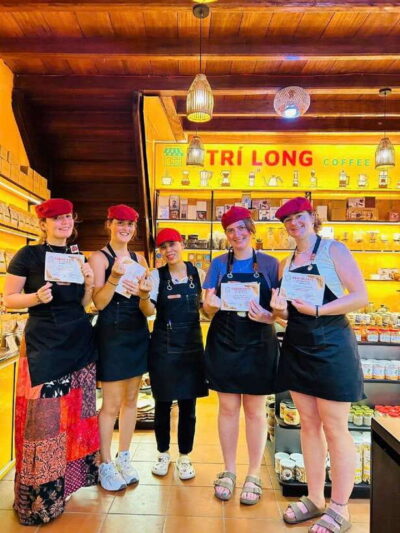
Vietnamese Coffee Making Workshop at Local Roastery
Read our review →
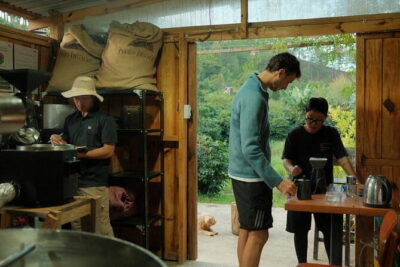
Coffee Farm Tour with Roasting & Tasting Workshop – Da Lat
Read our review →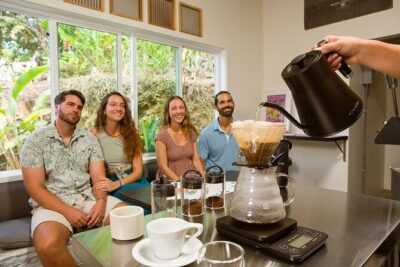
Experience specialty coffee with sustainable coffee farmers
Read our review →
Vietnamese Bread & Brew: Banh Mi Baking Class & Specialty Coffee
Read our review →
Santo Domingo Small Group Walking Tour: Beer and Specialty Coffee
Read our review →
Browse the lists this tour appears in