
Review · ADDIS ABABA
Ethiopian Cooking Class and Coffee Ceremony with a Local in Addis with transfers
Ethiopian food and coffee make more sense when you learn them in a home kitchen. In Addis Ababa, Daniel and Tigist welcome you into their family space, where Tigist teaches the cooking and Daniel brings years of experience as a tourism professional and social anthropologist. You might prepare shiro, tibs, and injera, then roast coffee beans over the course of a traditional ceremony.
I like the private setting, which gives you room to ask questions and adjust the lesson to your interests. I also like the hotel pickup and drop-off, a useful touch in a large city when you want to spend your limited time on food and conversation rather than transport.
The main consideration is the price: $154 per person is a serious outlay for a four-hour activity. You are paying for a personal home visit, private instruction, a meal, transfers, and cultural conversation, not just a standard recipe class.
Key points at a glance
- Cook in Daniel and Tigist’s home kitchen: This is a personal visit, not a commercial school with rows of workstations.
- Learn the essentials of Ethiopian cooking: The class can include shiro, tibs, and the technique for pouring and cooking injera.
- Meet a family from Oromia: Tigist brings lifelong home-cooking experience, while Daniel connects food with culture, history, and daily life.
- Roast coffee in its birthplace: The coffee portion explains preparation through a traditional ceremony rather than simply serving you a cup.
- Use your time efficiently: Hotel pickup and drop-off are included, with the experience beginning at about 3:30 pm and lasting roughly four hours.
- Plan dietary needs early: Vegetarian food is available, and allergies, restrictions, or a request for another dish should be shared when booking.
A home kitchen instead of a cooking school
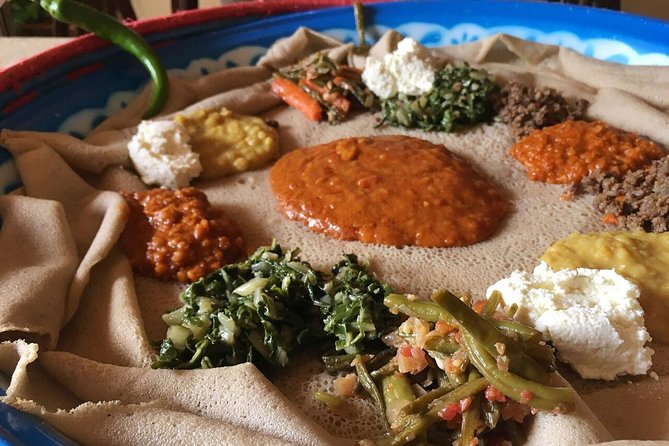
The most important thing to understand is the setting. You are not heading to a polished culinary studio designed for tourists. You are visiting Daniel and Tigist at home in Addis Ababa, where the cooking lesson is part of a family-hosted cultural exchange.
That changes the feel of the afternoon. You can ask how a dish fits into Ethiopian life, discuss ingredients beyond the recipe, and hear Daniel explain the country from a local perspective. He has a master’s degree in Social Anthropology and has worked in tourism for more than a decade, so the conversation can move well beyond food.
Tigist is the person who leads the kitchen work. She learned to cook by helping her mother as a child and later ran her own kitchen after marrying Daniel. That background matters because the lesson is likely to focus on practical household methods, not only on measurements and presentation.
Their three sons may be around if you visit on a weekend. That can add to the family atmosphere, though it also means the experience may feel less like a formal class. If you prefer a carefully staged demonstration with no distractions, keep that difference in mind.
More Coffee Ceremonies in the world:
- Ethiopian Culinary Tour – Market, Food, Coffee Ceremony & more
★ 5.0 · 65 reviews - Market Tour and Cooking Class with a Coffee Ceremony at a Home in Addis Ababa
★ 5.0 · 32 reviews - Ethiopian Culinary Tour – Market, Coffee Ceremony and More
★ 5.0 · 10 reviews
The 1.5 to 2-hour cooking lesson
The cooking portion lasts about an hour and a half to two hours within the four-hour experience. Tigist demonstrates a traditional Ethiopian dish, and you take part in the preparation rather than simply watching from a chair.
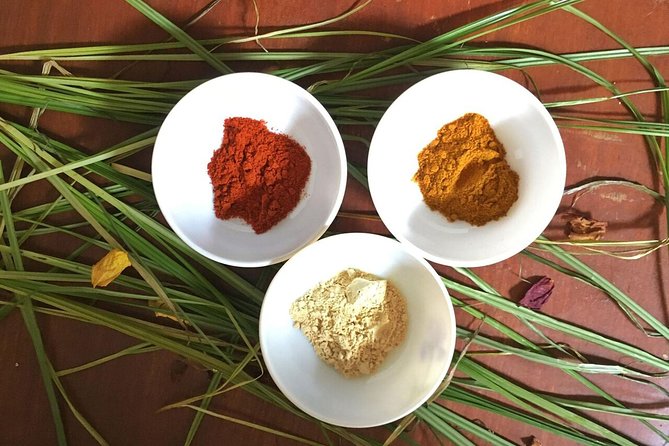
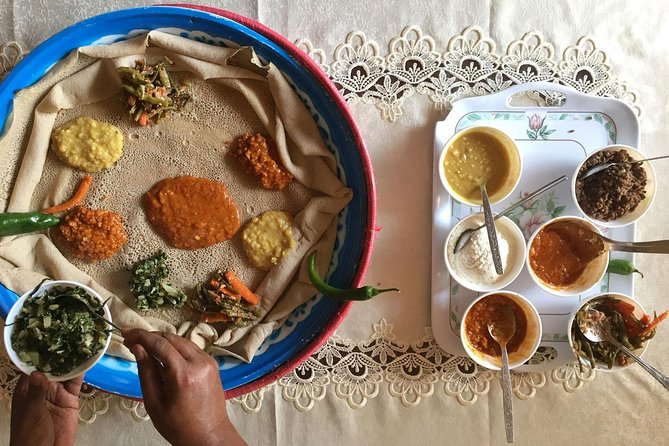
The exact menu can change with the season. You might learn shiro, a stew made with chickpea or broad bean flour, or tibs, a dish of stir-fried meat with vegetables and spices. These choices give you two useful windows into Ethiopian cooking: shiro shows how a humble pulse-based dish can become a satisfying main course, while tibs introduces the savory, spiced style of cooking associated with meat dishes.
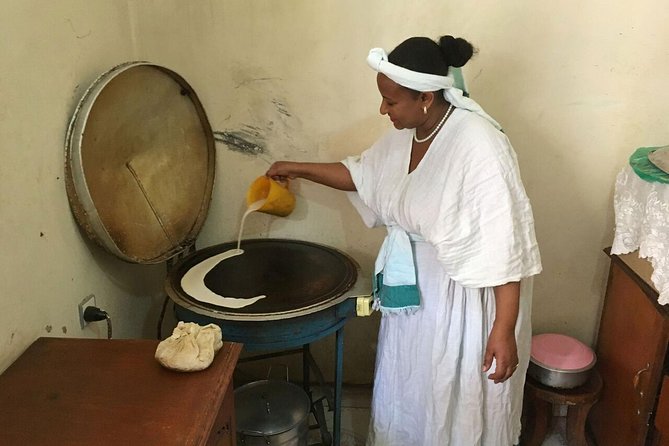
The class also covers injera. This spongy flatbread is central to many Ethiopian meals, both as food and as the surface on which the meal is served. The key skill is not only mixing the batter. You will see how to pour it and cook it into the characteristic round, soft bread.
Injera can be unfamiliar if you have only eaten Ethiopian food in restaurants. It has a texture unlike ordinary bread and works as both utensil and accompaniment. Learning how it is made helps you understand why Ethiopian meals are often eaten by hand, using pieces of injera to scoop up the food.
Do not expect a restaurant-chef performance built around perfect timing. The lesson takes place in a real home kitchen, and the menu may depend on what is suitable at the time of year. That is a benefit if you want everyday Ethiopian food, but less ideal if you want a fixed menu or a technical pastry-style class.
If you want to learn an additional dish, ask for it before booking. The request can be accommodated, but it will extend the cooking time. That is worth arranging early, particularly if you have a strong interest in vegetarian cooking or want to focus on a specific regional dish.
Why the Oromia connection adds context
Daniel and Tigist come from the Oromia region, yet they cook food from across Ethiopia. This gives the meal a wider frame than a lesson limited to one family specialty.
You may hear how dishes vary from one part of the country to another, or how food fits into family routines and social occasions. Daniel enjoys discussing food, history, politics, and different cultural backgrounds, so you can use the time to ask questions that would not fit neatly into a recipe card.
His role is especially useful if you want more than a cooking demonstration. He speaks perfect English and has led trips around Ethiopia for more than ten years. That does not turn the class into a sightseeing tour, but it means the conversation can help you place what you are eating within the country you are visiting.
A particularly appealing part of the experience is the chance to see a neighborhood in the hills on the outskirts of Addis Ababa. The precise shape of that visit can vary, but Daniel may offer insight into his local surroundings as part of the time together. For a first visit to Addis, that personal view can be more revealing than another restaurant meal in a central district.
Roasting coffee and the ceremony that follows
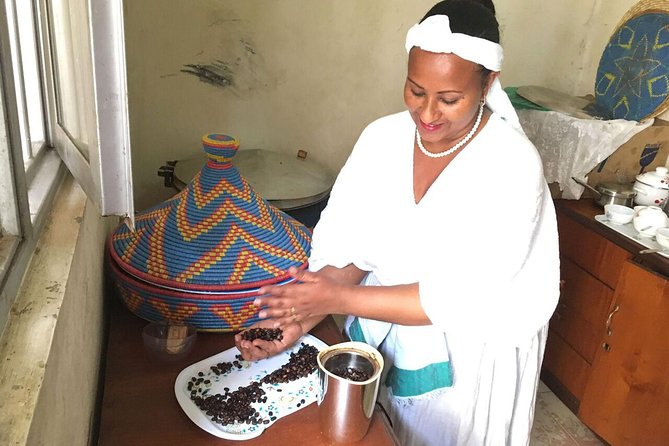
Coffee is not an afterthought here. You learn to roast the beans yourself, then take part in a traditional Ethiopian coffee ceremony.
The roasting step gives the activity a useful hands-on finish. You are not only told that Ethiopia is the birthplace of coffee. You see part of the work that turns green beans into a drink, and you can connect the aroma and preparation with the finished cup.
The ceremony also slows the pace of the afternoon. After handling ingredients and watching injera cook, you sit down with coffee or tea and continue the conversation. Coffee in Ethiopia is closely tied to hospitality, so this portion helps explain why offering a drink can be a meaningful social act rather than a quick refreshment.
The ceremony is a strong reason to choose this experience over a basic cooking class. If you already plan to visit coffee shops in Addis, this still offers something different: a look at preparation as a household and cultural practice.
You should not expect a coffee farm visit or a separate lecture on commercial coffee production. The stated activity is roasting beans and taking part in the ceremony at the home. Its value comes from the personal setting and the chance to participate.
More Cooking Classes in the world:
- Da Nang Cooking Class with Coffee Tasting and Market Visit
★ 5.0 · 310 reviews - Hanoi Cooking Class: Pho/Bun Cha/Banh Xeo…+Free Egg/Salt Coffee
★ 5.0 · 267 reviews - Vietnamese Bread & Brew: Banh Mi Baking Class & Specialty Coffee
★ 5.0 · 76 reviews - 1 hour Egg Coffee Cooking Class with Snack and Local Instructor
★ 5.0 · 72 reviews
What the four-hour schedule feels like
The experience starts at about 3:30 pm and lasts approximately four hours. Hotel pickup and drop-off are included, so the actual door-to-door time will depend on your hotel and the city traffic.
That timing works well if your morning is already filled with museums, markets, or other Addis Ababa activities. You can return to your hotel, meet the pickup, and spend the late afternoon and evening with your hosts. Since the cooking lesson itself can take up to two hours, the remaining time allows for transfers, conversation, eating, and the coffee ceremony.
The private format is useful here. You are not trying to keep pace with a large class, and your group can ask for clarification as you cook. It also makes the experience a good match for families, couples, or friends who want a shared meal with a local household.
The tradeoff is that this is a fixed afternoon appointment. Start time changes may be limited, and the experience is not designed as a drop-in activity. Give the correct hotel name and address when booking so the pickup can be arranged properly.
What is included for $154 per person
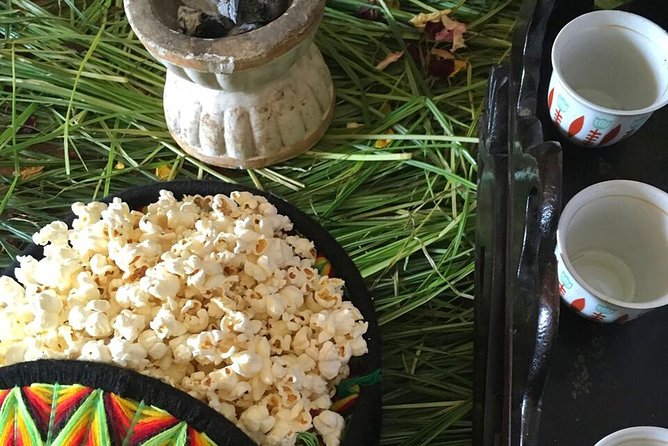
At $154 per person, this is more expensive than buying a meal or joining a basic group demonstration. The price makes more sense when you count everything included:
- Hotel pickup and drop-off
- A private cooking class
- The meal prepared with your host
- Beverages, bottled water, coffee, and tea
- Taxes, handling charges, and gratuities
You are paying for access to a private home and for Daniel and Tigist’s time. You also avoid arranging your own transport across Addis Ababa, which has practical value if you are unfamiliar with the city or have only a short stay.
The value is strongest for someone who wants conversation and personal contact along with food. If your only goal is to learn a recipe as cheaply as possible, the price may feel high. If you value a private setting, a meal, a coffee ceremony, and local insight in one afternoon, the package is easier to justify.
Alcoholic drinks are not included. Other beverages are covered, and bottled water is provided. If you have dietary restrictions, tell the hosts when you book rather than waiting until pickup.
Food choices, allergies, and seasonal changes
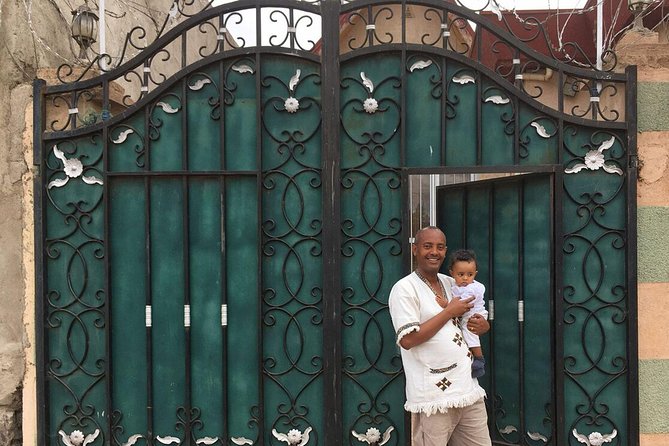
The menu is not completely fixed. Seasonal availability can affect what you cook, and the lesson may center on shiro, tibs, injera, or another traditional dish suitable for the day.
Vegetarian food is available, but you need to request it in advance. The same applies to allergies, dietary restrictions, and cooking preferences. This is particularly important if you want to avoid meat or have a serious allergy, since the class takes place in a working home kitchen.
If you want an extra dish, include that request when making the reservation. It will lengthen the cooking session, so do not assume it can be added casually once the afternoon begins.
The flexible menu is both a strength and a limitation. You get food that suits the season and the household, but you cannot treat the experience as a guaranteed menu of every Ethiopian classic. Ask about your preferred dish before you commit if one particular recipe is the main reason you want to book.
Who will get the most from this experience
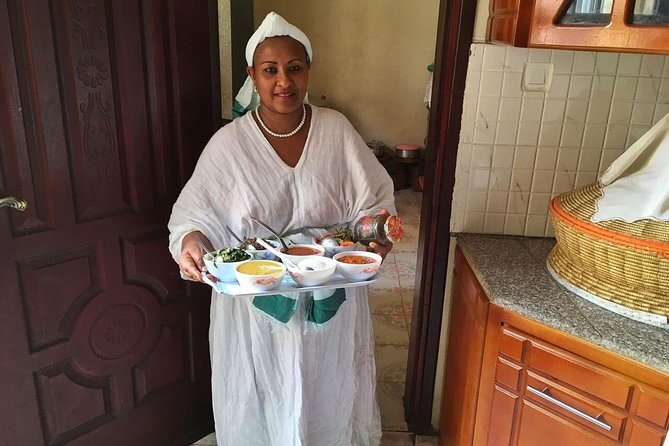
I would choose this for a first-time visitor who wants a human introduction to Addis Ababa. The hosts can explain food, family life, regional differences, and wider Ethiopian culture in one sitting.
It also suits anyone who likes to learn by doing. You will not simply be served a plate of food and told its name. You will help prepare a stew, work with injera, roast coffee, and then eat what you helped make.
The experience is a good fit for couples and small private groups. Families may enjoy the relaxed home environment, especially if children like hands-on food preparation. Weekend visits may include Daniel and Tigist’s sons, which can make the setting feel even more like a family visit.
I would be more cautious about booking it if you want a tightly timed professional cooking course, a guaranteed list of dishes, or a large social class with other visitors. This is personal and informal by design. Its appeal comes from the home setting, not from culinary theater.
Practical details before you book
Confirmation is provided at the time of booking. You need to supply your hotel name and address for the included transfers, and the scheduled start time is 3:30 pm.
The experience is private, so only your group participates. That gives you control over questions and makes it easier to discuss dietary needs or request an additional dish before the visit.
Cancellation is flexible up to two full days before the start time, when you can receive a full refund. Cancellations or changes made within two days are not accepted for a refund, so check your Addis Ababa schedule before reserving.
The activity has a 4.9 rating from 14 reviews, with 100 percent recommendation shown in the supplied information. The most praised elements are the warm family welcome, Daniel’s ability to discuss local culture, and the sense that you are seeing a more personal side of Addis Ababa rather than attending a standard commercial class.
Should you book this Addis Ababa cooking class?
Book it if you want Ethiopian food explained by people who cook it at home, and if coffee matters as much to you as the meal. The combination of injera practice, a choice of traditional dishes, coffee roasting, and conversation with Daniel and Tigist makes this more than a recipe lesson.
The $154 price is easiest to defend when you use the private transfers, meal, beverages, and cultural discussion. It is not the right pick for a budget meal or a formal chef-led workshop.
For most food-focused visitors with enough room in the budget, I would book it, especially early in an Addis Ababa stay. You can ask Daniel about dishes and customs while you are still learning the city, and the home visit gives you a personal reference point for the rest of your time in Ethiopia.
FAQ
How long does the Ethiopian cooking experience last?
The experience lasts approximately four hours. The cooking lesson itself takes about 1.5 to 2 hours, with time also allowed for transfers, the meal, conversation, coffee roasting, and the ceremony.
What time does the activity start?
The scheduled start time is 3:30 pm.
Is hotel pickup and drop-off included?
Yes. Hotel pickup and drop-off are included. Provide your hotel name and address when booking so the transfer can be arranged.
What dishes might I learn to cook?
The menu may include shiro, made with chickpea or broad bean flour, tibs, made with stir-fried meat, vegetables, and spices, and injera. The menu can vary with the season.
Can vegetarian food or dietary requests be accommodated?
Yes. A vegetarian option is available. Tell the hosts about allergies, dietary restrictions, or cooking preferences when you book.
Can I cancel for a full refund?
Yes, if you cancel at least two full days before the experience start time. Cancellations or changes made within two days are not eligible for a refund.
Just added around the world
- Yerevan: Private Coffee Tour with 2 Café Stops★ 5.0 · 2 reviews
- Vietnamese Coffee 101 Workshop★ 5.0 · 11 reviews
- Vietnamese Coffee Making Class in Hoi An★ 5.0 · 4 reviews
- Vietnamese cooking class and coffee making with local girl★ 5.0 · 5 reviews
- Venice Delights: Coffee & Food Experience Walking Tour★ 5.0 · 2 reviews
- Private Vienna Tour: Literature Walk with Coffee House Visit★ 5.0 · 2 reviews
- Turin: Art Nouveau Walking Tour with Coffee★ 5.0 · 11 reviews
- Turkish Coffee and Traditional Turkish Dessert Cooking★ 4.6 · 8 reviews
Coffee Ceremony Experiences, compared.
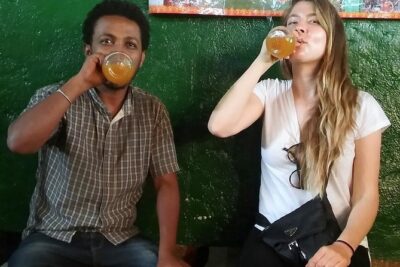
Ethiopian Culinary Tour – Market, Food, Coffee Ceremony & more
Read our review →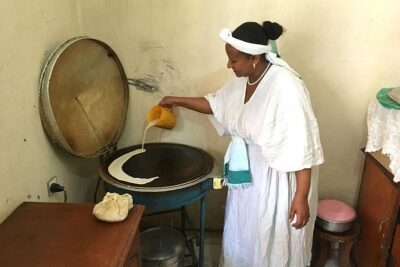
Market Tour and Cooking Class with a Coffee Ceremony at a Home in Addis Ababa
Read our review →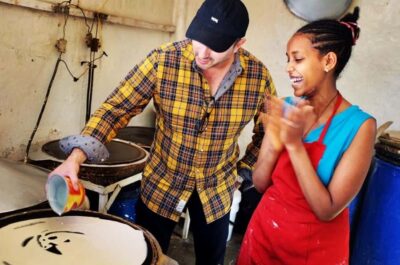
Ethiopian Culinary Tour – Market, Coffee Ceremony and More
Read our review →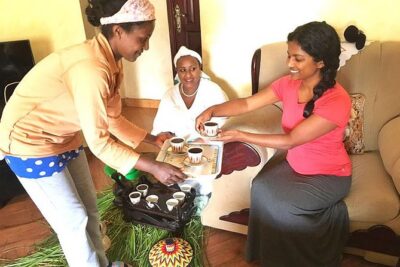
Unique Ethiopian Cooking Class and Coffee Ceremony with a Local in Addis Ababa
Read our review →
Lalibela: Churches Full-Day Private Tour w/Coffee Ceremony
Read our review →Browse the lists this tour appears in