
Review · ADDIS ABABA
Unique Ethiopian Cooking Class and Coffee Ceremony with a Local in Addis Ababa
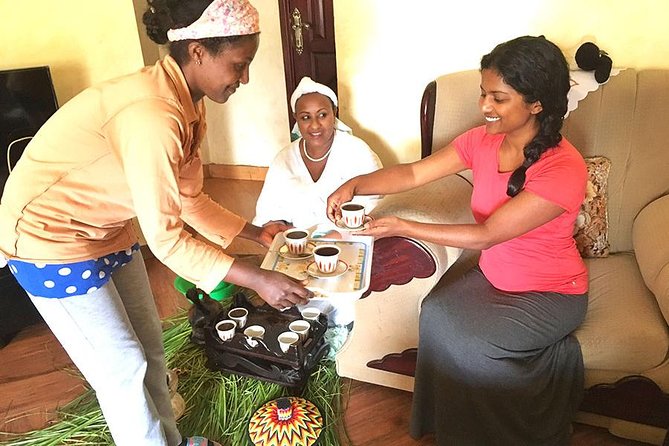
The best part of this Addis Ababa experience is simple: you enter a real family home, not a staged restaurant kitchen. Tigist teaches you to prepare injera and a traditional dish, while Daniel helps you connect the food with daily life in Ethiopia. The class ends with coffee roasted from raw beans and served in the traditional way.
I like the small, private setting and the chance to meet Daniel, Tigist, and possibly their three sons. I also like the choice of lunch or dinner, since the visit can fit different sightseeing plans. The main caution is logistics: the home is outside central Addis Ababa, hotel pickup is not included, and the meeting point has caused confusion for some bookings.
Key points to know before booking
- Cook in Daniel and Tigist’s home kitchen, with a personal look at everyday life in Addis Ababa.
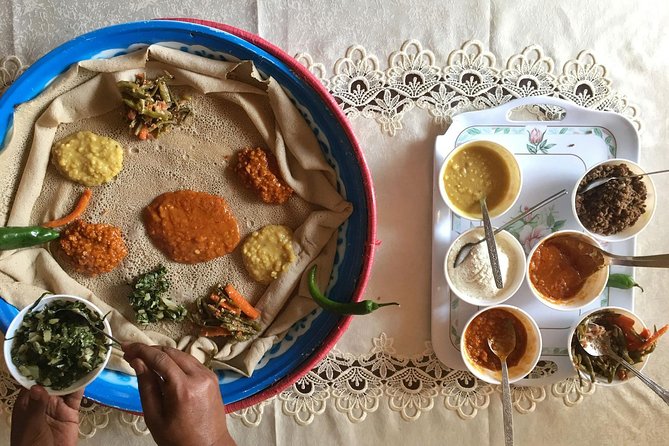
- Learn to make injera, the fermented flatbread that anchors many Ethiopian meals.
- Prepare a second Ethiopian dish, such as shiro or tibs, depending on the season and the planned menu.
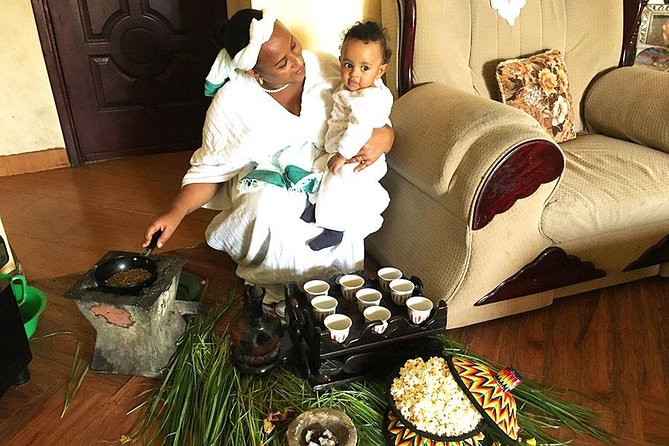
- Roast coffee beans by hand and take part in a traditional coffee ceremony.
- Choose lunch or dinner, with an evening or weekend visit possibly including time with the family’s three boys.
- Plan your own way to the meeting point, since transportation from your hotel is not included.
An Addis Ababa meal that begins at home
Many food classes keep you inside a purpose-built kitchen. This one takes you to the outskirts of Addis Ababa, to a calmer, greener neighborhood that sees fewer tourists than the city center. That change of setting matters. You are not simply learning a recipe. You are seeing where the food is prepared and meeting the people who cook it.
Daniel and Tigist’s home is described as comfortable, clean, and homey, with family pictures on the walls. Their three sons may be around if you choose an evening or weekend session. That detail gives the visit a family feel, though you should remember that this is a private home rather than a polished cooking school.
The class is private for your group. That makes it easier to ask questions, slow down when you need help, or talk about Ethiopian food, family life, and local customs. A couple or small family can expect a more personal exchange than at a large group demonstration.
More Coffee Ceremonies in the world:
Getting to the home outside central Addis Ababa
The activity begins at an unnamed road in Addis Ababa and ends at the same meeting point. Hotel pickup and drop-off are not included, so you need to arrange your own transport to and from the starting location.
This is the practical point I would sort out before paying. One booking had a meeting-point change from Japan Market to Asko Bus Station, which added about an hour of travel and caused frustration. Confirm the exact location, landmark, and best transport plan with the provider before the day of the class. Addis Ababa traffic can make a simple cross-city journey take much longer than expected.
The location outside the center is part of the experience, not just an inconvenience. You get away from the main sightseeing route and see a quieter part of the city. Still, the price does not cover the time or cost of reaching the home, so include that in your budget.
Some visitors have also included a local market stop on the way, where Daniel discusses herbs, spices, and the ingredients being purchased. This may depend on the timing and arrangement of your visit, so treat it as a possibility rather than a guaranteed part of the three-hour schedule.
Cooking injera with Tigist
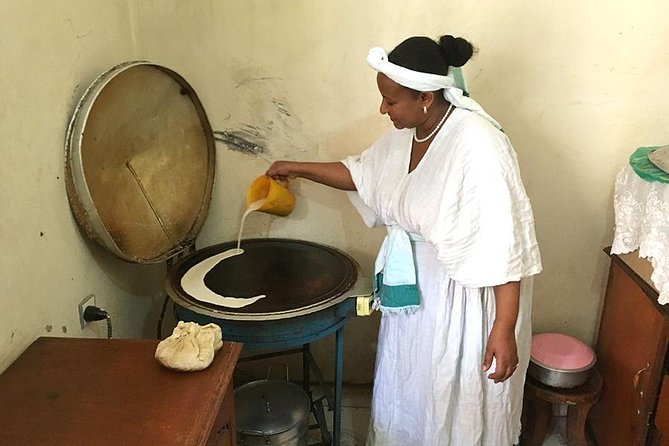
The hands-on class lasts about two hours before the meal and coffee portion. Tigist guides you through the preparation of injera, Ethiopia’s fermented flatbread. You learn how to pour the batter and cook it properly, a task that looks easy until you try to create an even, usable round.
Injera is not just bread on the side. It acts as the plate and the utensil for much of an Ethiopian meal. You tear off a piece with your right hand, use it to pick up the food, and share from the same large serving surface. Learning to make it gives you a better sense of how the entire meal works.
The class is practical rather than theatrical. You should expect instruction, demonstration, and your own attempts, not a restaurant-style performance. If your first injera is uneven, that is part of the lesson. The point is to understand the process and enjoy the work, not to leave with professional kitchen skills.
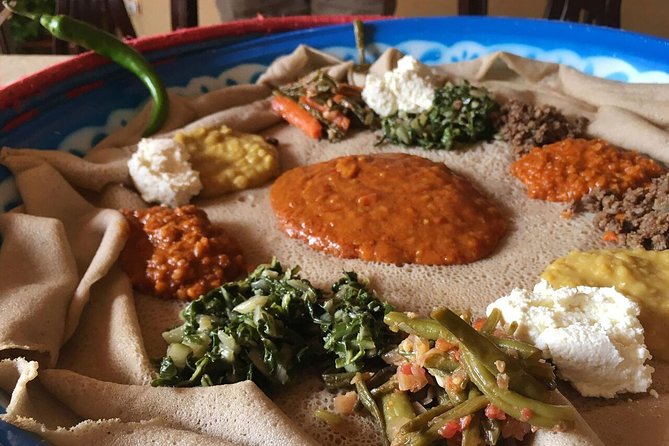
The menu changes with the season. You might prepare shiro, a stew made with chickpea or broad bean flour, or tibs, stir-fried meat cooked with vegetables and spices. A vegetarian option is available, but you must request it when booking.
If you want to learn an additional dish, add that request to the booking notes. It will extend the cooking time, so do not plan a tight appointment immediately afterward. For a three-hour visit, one main dish plus injera gives you enough time to cook, eat, and take part in the coffee ceremony without rushing.
Shiro, tibs, and the value of a changing menu
Shiro and tibs offer two different views of Ethiopian home cooking. Shiro is a comforting stew with a smooth texture and a bean-based foundation. Tibs gives you a meat dish with vegetables and spices, cooked in a more direct stir-fry style.
The exact menu depends on the season and available ingredients. That is useful if you want a more genuine home meal, but less useful if you are booking with one fixed dish in mind. Contact the provider if a particular recipe matters to you.
The meal is included, as are beverages, taxes, handling charges, and gratuities. You should still tell the provider about allergies, dietary restrictions, or cooking preferences at the time of booking. The vegetarian option must also be requested ahead of time.
I would treat the food as a shared part of the visit rather than the only reason to book. A restaurant can serve Ethiopian dishes more quickly and at a lower cost. Here, you pay for the instruction, the private setting, the conversation, and the chance to see how a local family prepares its food.
More Cooking Classes in the world:
- Da Nang Cooking Class with Coffee Tasting and Market Visit
★ 5.0 · 310 reviews - Hanoi Cooking Class: Pho/Bun Cha/Banh Xeo…+Free Egg/Salt Coffee
★ 5.0 · 267 reviews - Vietnamese Bread & Brew: Banh Mi Baking Class & Specialty Coffee
★ 5.0 · 76 reviews - 1 hour Egg Coffee Cooking Class with Snack and Local Instructor
★ 5.0 · 72 reviews
Coffee roasted from raw beans
The coffee portion gives the visit a second focus. You learn to roast coffee beans by hand, beginning with raw beans rather than using coffee that has already been prepared. The beans are then used for the traditional coffee ceremony.
This is one of the strongest parts of the experience because it connects a familiar drink with the work behind it. You see that coffee is not simply poured from a machine. Roasting, preparing, and serving it become a social activity shared around the home.
The ceremony follows the meal and cooking session, making it a relaxed finish. It also gives you time to talk with Daniel and Tigist without needing to keep your hands busy. If you are interested in Ethiopian food traditions, this is more useful than a quick cup served at a café.
The coffee ceremony is also a good reason to choose the evening option. A dinner visit can feel like a complete social occasion, especially if the family is home. Weekend timing may also increase the chance of meeting the children, although their presence is not guaranteed.
Meeting Daniel and Tigist
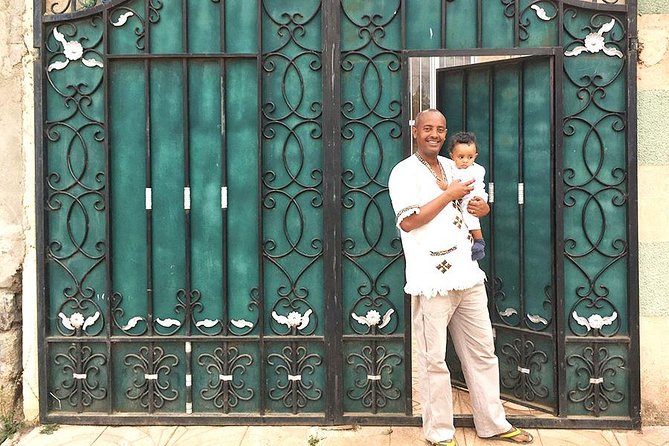
Daniel and Tigist are central to the experience. Tigist leads the cooking instruction, while Daniel hosts and may accompany you to a market or help explain ingredients and local life. Their home gives the visit its character.
The family setting can make the activity feel warm and informal. You may talk about their lives, their three sons, and ordinary routines in Addis Ababa. That personal contact is the part you cannot get from a recipe book or a standard restaurant meal.
At the same time, you should be comfortable entering a private home and taking part in a social visit. This is not a commercial cooking studio with a fixed display kitchen or a carefully timed production line. The pace may depend on conversation, family activity, traffic, and the menu.
That informality is a strength for people who want a personal cultural exchange. It may be less suitable if you need a highly structured class, exact start times, or professional culinary training.
Is $116 good value?
At $116 per person, this is not a bargain meal. You can eat Ethiopian food in Addis Ababa for much less, and you must pay for your own transport to the meeting point. The value comes from the access and the personal time, not from the quantity of food.
You receive a private cooking class, a meal, beverages, a coffee ceremony, and a direct introduction to a local home. Taxes, handling charges, and gratuities are included. Group discounts may be available, which can improve the price for a larger party.
For a couple or small group, I think the cost can make sense if you want a cultural activity that combines food, conversation, and a family visit. It is less attractive if your main goal is simply to eat traditional dishes or learn restaurant-level technique.
The private format also changes the calculation. With only your own group taking part, you can ask for explanations about ingredients, cooking methods, and Ethiopian meal customs. You are paying for time and attention, not just the plate in front of you.
Lunch or dinner: choosing the right time
You can choose a lunch or dinner tour. Lunch may fit better if you have an evening flight, a scheduled dinner, or concerns about getting back across the city after dark. Dinner may offer a more natural family atmosphere, especially on a weekend.
The published duration is about three hours, though an extra dish will lengthen the class. Add time for the journey to the neighborhood and possible traffic. I would not pair this activity with another fixed booking immediately afterward.
An evening visit may include the family’s children, but that is not promised. If meeting the family is especially important to you, ask about the expected timing when you confirm the booking.
Who will enjoy this most?
I would recommend this experience to you if you enjoy food as a way to understand a place. It suits people who want direct contact with local life, are happy to cook with guidance, and appreciate an informal home setting.
It works particularly well for:
- Couples looking for a personal Addis Ababa activity
- Families and groups who want a private meal experience
- Visitors interested in Ethiopian coffee traditions
- Vegetarians who notify the provider in advance
- Anyone who wants to learn about injera beyond simply ordering it in a restaurant
I would be more cautious if you have limited mobility or need a precise commercial kitchen setup, since the class takes place in a private home and the supplied details do not describe specific accessibility features. Service animals are allowed, and the location is near public transportation.
Language and communication should also be confirmed if someone in your group needs detailed cooking instruction in a particular language. The experience is described as hosted by Daniel and Tigist, but no full language list is provided.
Booking details worth checking
Confirmation is sent within 48 hours of booking, subject to availability. Since the meeting location has created confusion in at least one case, contact the provider if the exact address or pickup instructions are not clear.
Tell the provider about allergies, dietary restrictions, vegetarian needs, or an extra dish when you book. A seasonal menu means the final meal may not be exactly what you first imagine.
The cancellation policy allows a full refund if you cancel at least two full days before the local start time. Cancellations or changes made later are not refunded or accepted, so check your schedule and transport before committing.
Should you book it?
Book this experience if you want a home visit with cooking attached, not simply a cooking lesson. The strongest reasons are the private setting, Tigist’s instruction on injera, Daniel’s local connection, the family atmosphere, and the hand-roasted coffee ceremony.
Skip it if you want a cheap meal, a central location, or a tightly timed professional class. The $116 price and the transport arrangements require some planning.
For the right person, this can be one of the more personal ways to spend three hours in Addis Ababa. Confirm the meeting point, request your dietary needs, and allow extra time for the journey. Then arrive ready to cook, eat with your hands, and let the coffee ceremony take its time.
FAQ
How long does the Ethiopian cooking class and coffee ceremony last?
The experience lasts approximately three hours. The cooking class itself takes about two hours, followed by the meal and coffee ceremony.
Where does the activity take place?
The class takes place in Daniel and Tigist’s home on the outskirts of Addis Ababa. The listed starting point is an unnamed road in Addis Ababa, and the activity ends back at the meeting point.
Is hotel pickup and drop-off included?
No. Hotel pickup and drop-off are not included, so you must arrange your own way to the meeting point.
What dishes might I learn to cook?
You will learn to make injera and may also prepare shiro, a chickpea or broad bean stew, or tibs, stir-fried meat with vegetables and spices. The menu can change with the season.
Can I request a vegetarian meal?
Yes. A vegetarian option is available, but you must advise the provider when booking.
Can I request another dish?
Yes. You can request an additional dish in the notes section of your booking. The extra dish will extend the cooking time.
Is the activity private?
Yes. This is a private activity, and only your group will participate.
Can children from the host family be present?
Daniel and Tigist have three boys. You may meet them if the experience takes place during the evening or on a weekend, but their presence is not guaranteed.
What is the cancellation policy?
You can receive a full refund if you cancel at least two full days before the local start time. Cancellations or changes made less than two full days in advance are not accepted or refunded.
Just added around the world
- Yerevan: Private Coffee Tour with 2 Café Stops★ 5.0 · 2 reviews
- Vietnamese Coffee 101 Workshop★ 5.0 · 11 reviews
- Vietnamese Coffee Making Class in Hoi An★ 5.0 · 4 reviews
- Vietnamese cooking class and coffee making with local girl★ 5.0 · 5 reviews
- Venice Delights: Coffee & Food Experience Walking Tour★ 5.0 · 2 reviews
- Private Vienna Tour: Literature Walk with Coffee House Visit★ 5.0 · 2 reviews
- Turin: Art Nouveau Walking Tour with Coffee★ 5.0 · 11 reviews
- Turkish Coffee and Traditional Turkish Dessert Cooking★ 4.6 · 8 reviews
Coffee Ceremony Experiences, compared.
Ethiopian Culinary Tour – Market, Food, Coffee Ceremony & more
Read our review →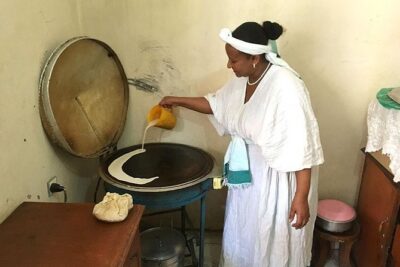
Market Tour and Cooking Class with a Coffee Ceremony at a Home in Addis Ababa
Read our review →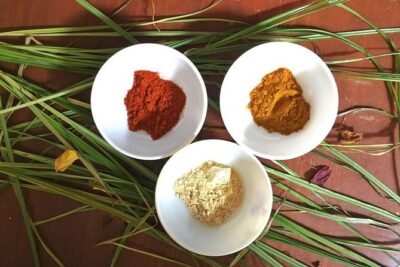
Ethiopian Cooking Class and Coffee Ceremony with a Local in Addis with transfers
Read our review →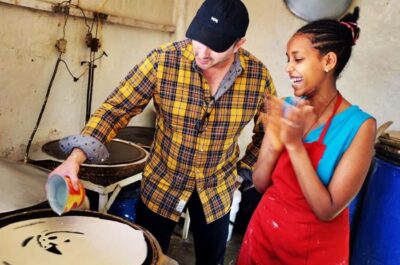
Ethiopian Culinary Tour – Market, Coffee Ceremony and More
Read our review →
Lalibela: Churches Full-Day Private Tour w/Coffee Ceremony
Read our review →Browse the lists this tour appears in