
Review · ADDIS ABABA
Ethiopian Culinary Tour – Market, Coffee Ceremony and More
Ethiopia’s food culture is best understood with your hands, nose, and taste buds. This six-hour Addis Ababa tour takes you from a cup of Italian-style coffee at Tomoca to the spice stalls of Merkato, then into the making of injera, a traditional coffee ceremony, honey wine, and a buffet lunch at Ethiopia’s first hotel.
I like the range of experiences packed into one day. You are not simply eating dishes in a restaurant. You learn how injera is baked, see where spices and coffee are sold, and take part in the rituals around Ethiopian coffee. I also like that guides such as Desale and Seid have been praised for explaining the city and answering questions along the way.
The main consideration is pace. Merkato can be busy and sensory overload is possible, while six hours leaves limited time at each stop. If you want a slow, specialist food workshop, this is not that. If you want a broad first look at Addis Ababa through food, it offers strong value at $85 per person.
Key points at a glance
- Start with Ethiopian arabica at Tomoca Coffee: Taste an Italian-style macchiato made with Ethiopian beans before the traditional ceremony later in the day.
- Walk through Merkato’s spice market: Use your bargaining skills among sellers of local spices, coffee, food, and everyday goods.
- Make and eat injera: Try baking the soft, spongy flatbread and sample your creation with Ethiopian seasoning.
- Learn the full coffee ceremony: Roast beans, prepare the coffee, and take part in one of Ethiopia’s best-known social customs.
- Taste tej in a local bar: Sample honey wine, a drink related to mead and made from fermented honey.
- Finish with a buffet lunch: Try a selection of Ethiopian dishes at the country’s first hotel, with water and hot drinks included.
Why this tour works as an introduction to Ethiopian food
Ethiopian cuisine is not just a list of dishes. It is a series of shared habits: bread used in place of cutlery, coffee prepared with care, spices bought from market stalls, and drinks served in places with their own traditions.
This tour gives you several ways to understand that culture. At one stop, you taste coffee in a polished café setting. At another, you see the ingredients behind home cooking. Later, you make injera and sit down to eat a range of local foods.
I find that mix more useful than a standard restaurant meal. A plate tells you what Ethiopia tastes like. This tour also helps explain how some of those flavors reach the table.
The day is led in English and includes a car, driver, fuel, and pickup and drop-off anywhere in Addis Ababa. That matters in a city where several stops are spread out. You can focus on the food and city sights instead of arranging separate transport.
More Coffee Ceremonies in the world:
Tomoca Coffee and the first taste of Addis
The day begins at a Tomoca Coffee shop, where you taste coffee made from Ethiopian arabica beans in an Italian style. The stop centers on coffee such as a macchiato, giving you a quick lesson in how Addis Ababa combines local produce with the country’s long association with coffee.
This is a smart opening. You get a clean, familiar introduction before moving into the more ceremonial side of Ethiopian coffee later. If you normally order espresso drinks, you will have an easy point of comparison. The Ethiopian beans remain the key detail.
Do not confuse this first stop with the full ceremony. Here, the focus is on the café drink. Later, you roast beans and see coffee prepared in a more traditional setting. The contrast helps you notice that coffee in Ethiopia is both a daily drink and a social ritual.
The coffee stop may also be useful if you are not sure how strong or bitter Ethiopian coffee will taste. You can begin with a small, recognizable drink before trying the ceremony coffee.
Merkato: spices, bargaining, and city life
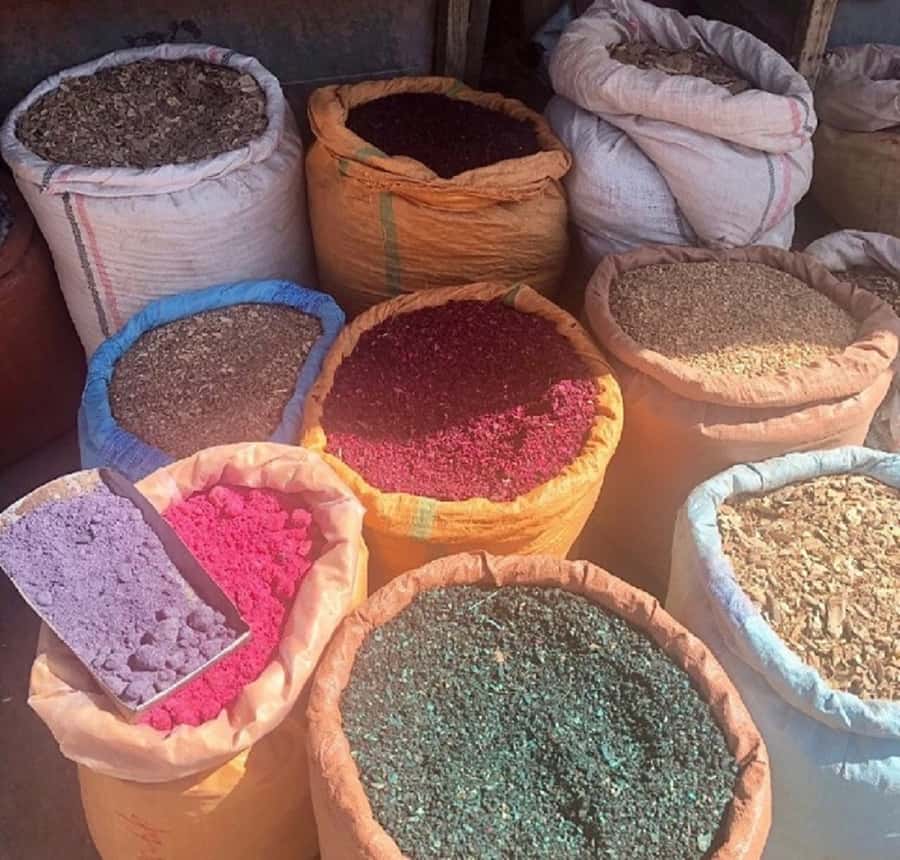
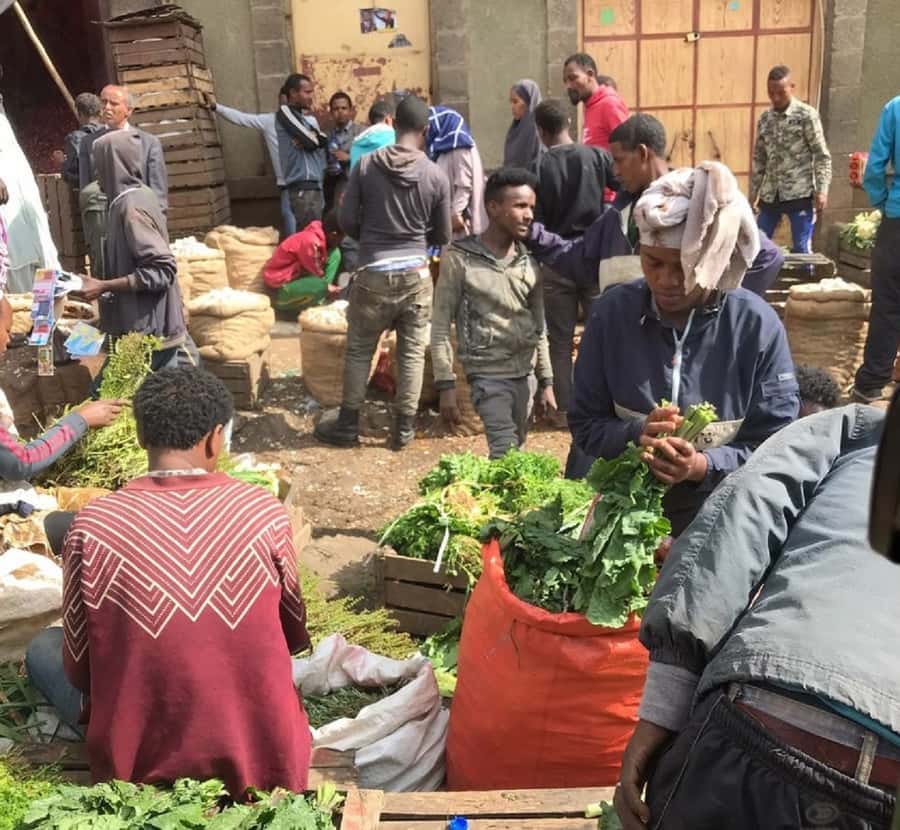
Merkato is the tour’s most energetic stop. It is described as Africa’s largest open-air market, and the experience centers on its spice market. You will see coffee and different local spices for sale, with time to test your bargaining skills with the sellers.
This is not a quiet food market arranged for easy browsing. You should expect a working market, with plenty to look at and a lot happening around you. Keep your attention on your belongings, stay close to your guide, and follow advice about where to walk.
I like this stop because it connects the food on your lunch plate with the ingredients used in Ethiopian cooking. Smelling spices at the market gives you a clearer sense of how seasonings shape the cuisine than simply reading a menu.
There is also a useful cultural point here. Shopping in Merkato is part of daily life, not a staged tasting. Your guide can help explain what you are seeing and how bargaining works. A good sense of humor helps, especially if you are not used to negotiating over small purchases.
The trade-off is time. A six-hour tour cannot cover a market this large in detail. Think of the visit as a guided introduction rather than a complete market tour. You will see a selection of spice and coffee stalls, along with other goods, but you will not explore every corner.
Baking injera with your own hands
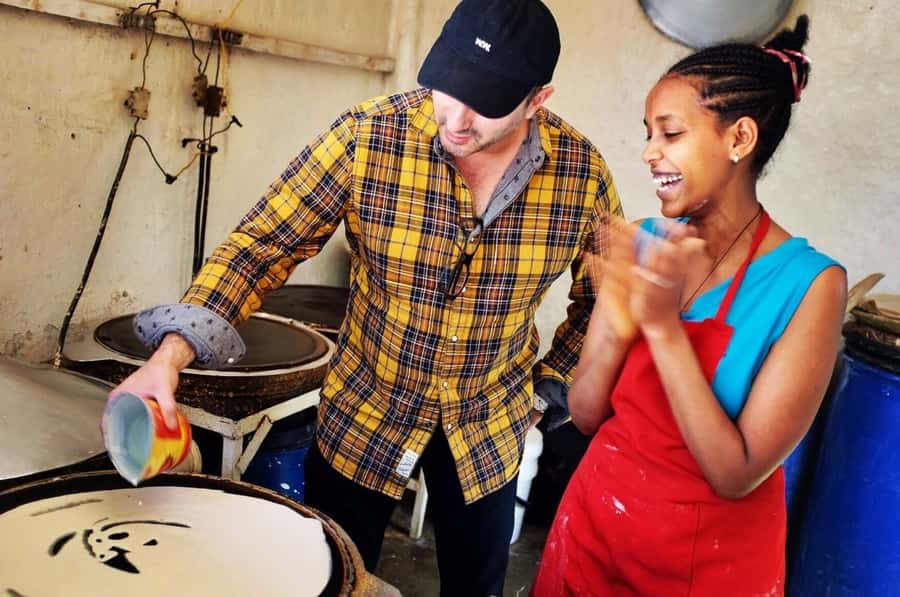
The injera lesson is one of the most hands-on parts of the day. You are shown how to bake the soft, spongy Ethiopian flatbread and then get the chance to try it yourself.
Injera is central to Ethiopian meals. It acts as both food and utensil, allowing you to scoop up stews and spiced dishes with pieces of bread. Making it yourself gives you a better feel for the texture and technique than eating a finished piece in a restaurant.
The process is presented step by step, which makes it suitable even if you have never cooked Ethiopian food. You may not produce a perfect round injera on your first try, but that is part of the fun. The point is to understand the work behind the bread and appreciate the skill required to make it consistently.
You can try your creation with a typical Ethiopian spice. That tasting makes the lesson practical rather than just demonstrative. You learn, bake, and eat within the same stop.
The information provided does not specify the exact cooking setup or how long you spend at the lesson, so do not expect a full professional cooking class. It is better understood as a focused introduction with a chance to take part.
More Market Visits in the world:
- Da Nang Cooking Class with Coffee Tasting and Market Visit
★ 5.0 · 310 reviews - Hungry in Vienna? A Food Lover’s Coffee & Market Walk
★ 4.9 · 276 reviews - Coffee Crawl & VIP Morning in Pike Place Market
★ 5.0 · 75 reviews - Coffee & Food Tastings at Pike Place Market
★ 5.0 · 67 reviews
The traditional coffee ceremony
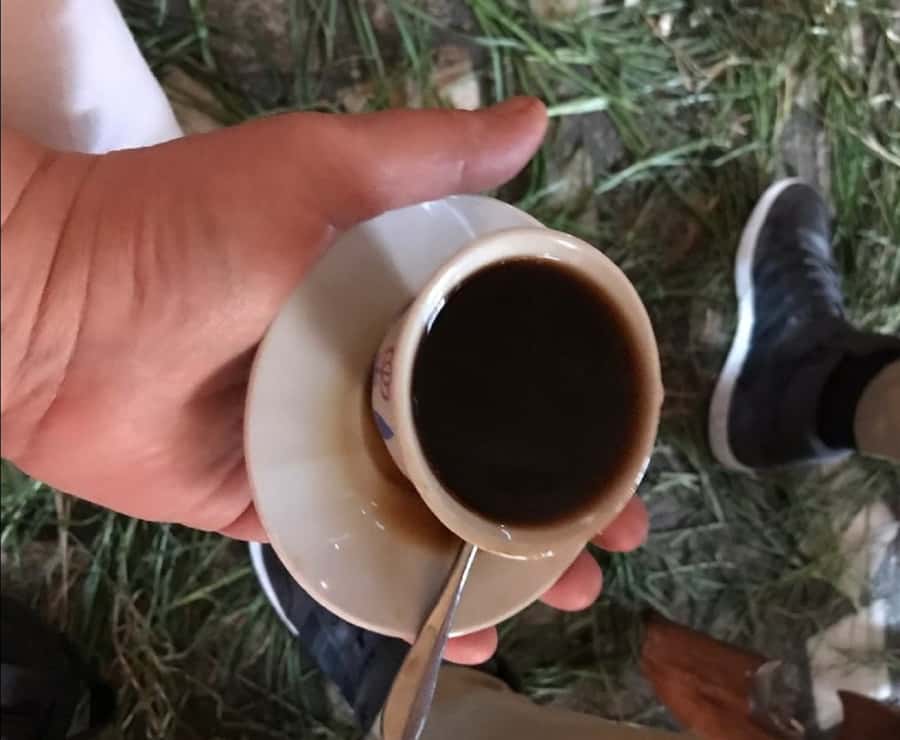
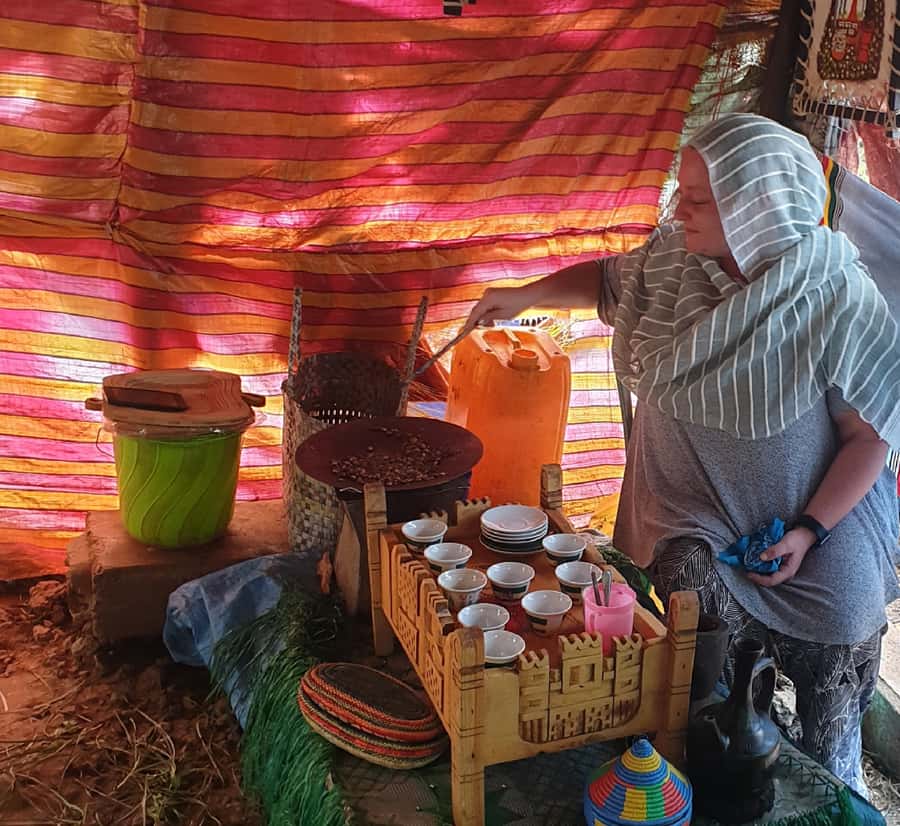
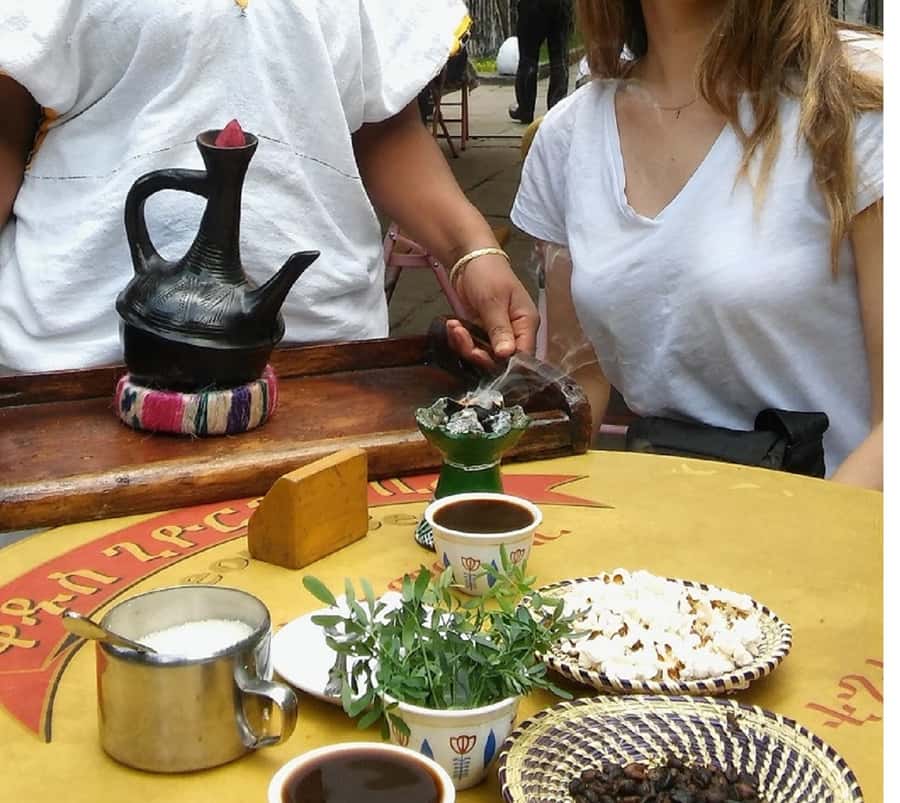
The coffee ceremony is the cultural heart of the experience. Your guide or host demonstrates the preparation, and you have the chance to roast your own beans and take part in making the coffee.
This is slower and more social than the Tomoca visit. The value is not only in the final cup. You see the care given to the beans and the preparation, then share a drink connected to hospitality and conversation in Ethiopia.
If you enjoy food traditions, this may be the most memorable section of the day. You are not simply told that coffee matters in Ethiopia. You see how preparation turns it into an occasion.
Several details make this stop especially appealing. You can take part in roasting, watch the coffee ceremony step by step, and taste the finished coffee. The experience also gives your guide a natural chance to explain customs and answer questions about Ethiopian life.
Coffee can be strong, and the ceremony is not designed for someone who wants to rush in, drink, and leave. Give it your attention. If you are sensitive to caffeine, keep that in mind when you have coffee at Tomoca earlier in the day.
Lunch at Ethiopia’s first hotel
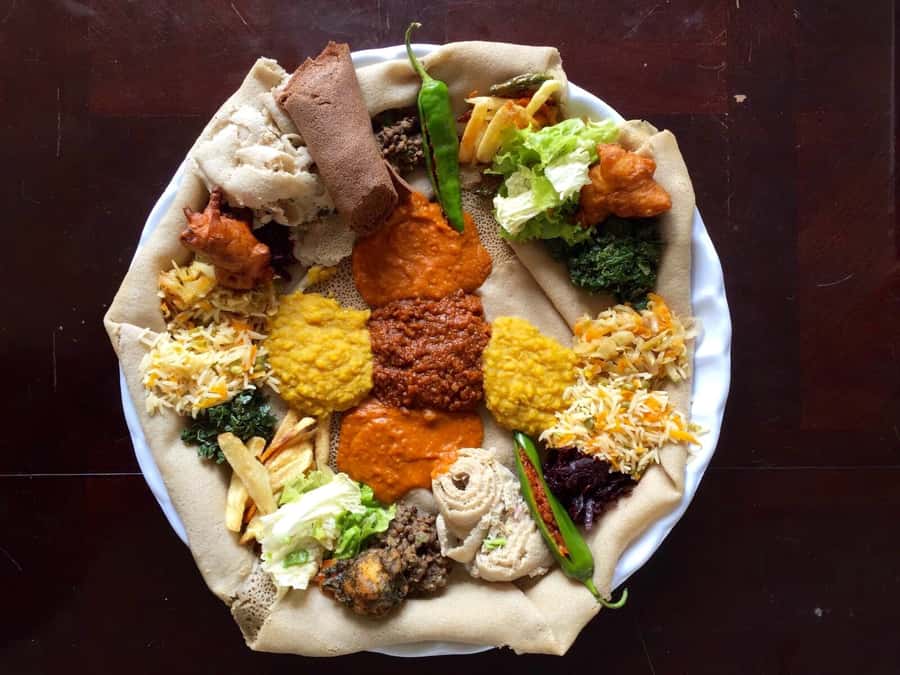
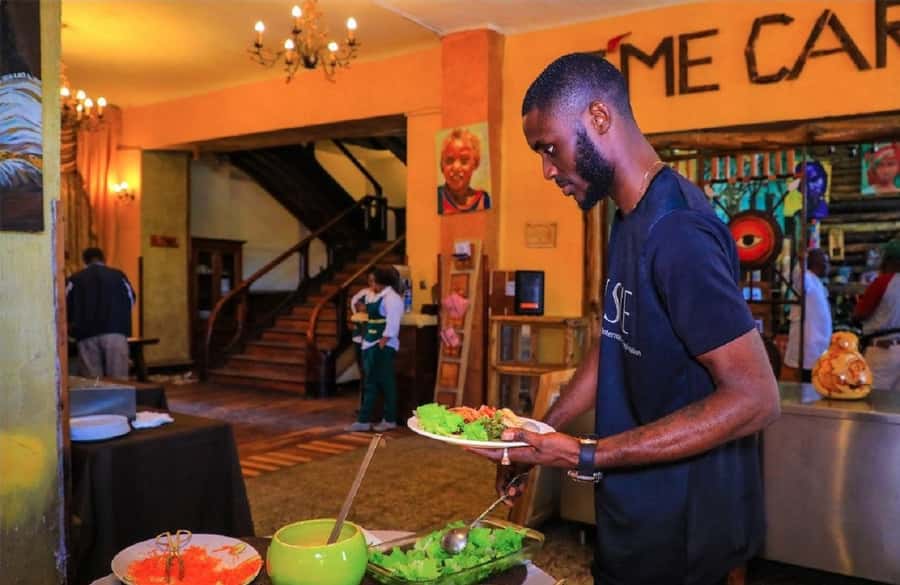
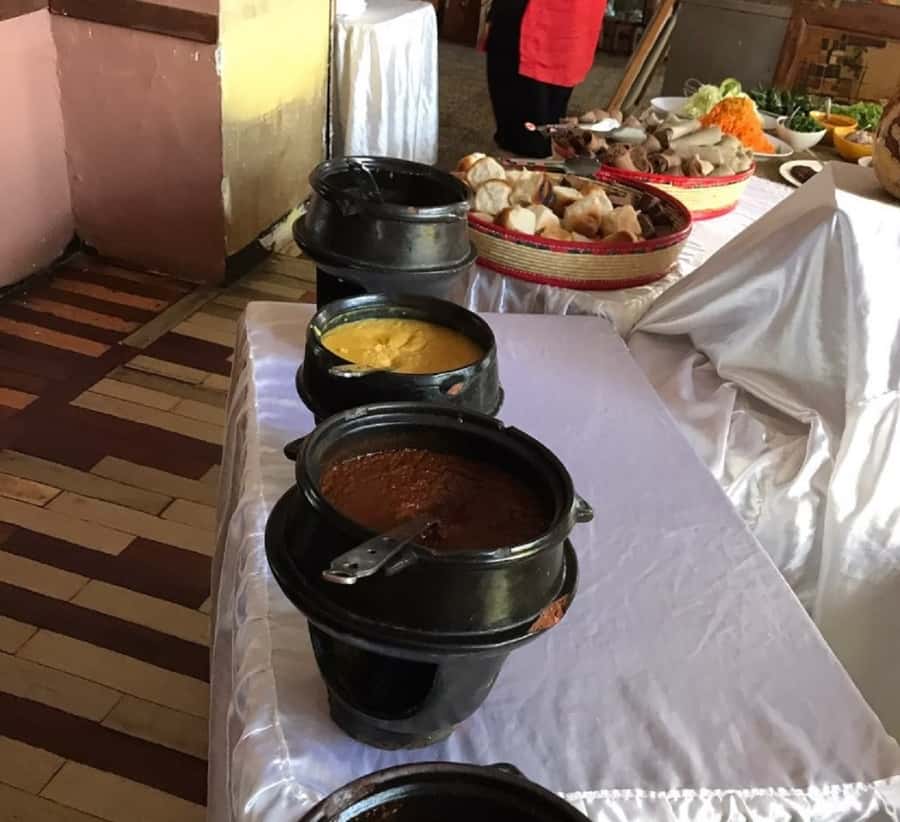
Lunch is served buffet style at the oldest hotel, described as Ethiopia’s first hotel. The meal includes samples of popular Ethiopian dishes, along with a bottle of water and hot drinks.
A buffet is a good format for a first taste of the cuisine. Instead of choosing one unfamiliar dish, you can try several items and compare flavors, textures, and spice levels. It also works well after the injera lesson, since you can put your new bread skills to use at the table.
This is not presented as a fine-dining meal. Its strength is variety and context. You get a practical introduction to common foods in a setting with historical importance, rather than paying separately for several restaurant orders.
A vegetarian buffet is specifically described in one detailed account of the experience. That makes the meal useful if you want to sample several meat-free Ethiopian dishes, although the supplied information does not promise that every departure will use the exact same menu.
Alcohol is not included at lunch. Hot drinks and water are included, while alcoholic beverages other than tej are excluded.
A first taste of tej, Ethiopia’s honey wine
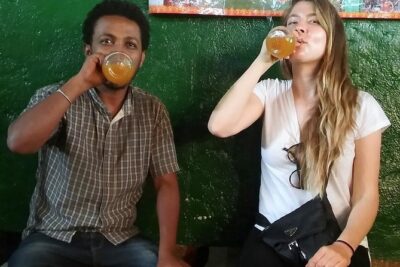
The final stop is a local tej bar. Tej is a traditional Ethiopian honey wine made mainly from fermented honey, with similarities to mead. You can tour the bar and taste samples.
This is a nice ending because it introduces a drink that many visitors may not encounter on their own. The stop is more than a simple alcoholic drink tasting. It shows another part of Ethiopia’s food and drink culture, this time through a local bar.
The tasting is limited to tej. Other alcoholic drinks are not included, so you should not treat the tour as a general bar crawl. If you do not drink alcohol, ask your guide how the stop will work for you before booking.
Since the tour includes samples rather than a full beverage package, the focus remains cultural. You are learning what tej is and how it fits into local life, not spending the afternoon sampling every drink in Addis Ababa.
The guides and the city between stops
The guide can make a major difference on a food tour. English-speaking guides named Desale and Seid have led departures, and the service also includes a driver. Past experiences with the tour have highlighted clear explanations, humor, and help with questions about Ethiopia and Addis Ababa.
The driving time is not dead time. Guides point out landmarks and explain the history of areas you pass through. That expands the tour beyond food and gives you a basic city orientation during the journey between stops.
Pickup and drop-off are included from hotels, houses, or the airport in Addis Ababa. For a short visit or a stopover, airport pickup can make this especially convenient. You should wait in your hotel lobby for 15 minutes before or after the scheduled pickup time, since traffic and city conditions can affect the exact arrival.
The tour operates in rain or sunshine. Bring your passport or ID card, as requested in the tour information. Comfortable clothing and shoes make sense for a market visit and a day that includes several different settings, though the activity does not list a formal dress code.
Is $85 a fair price?

At $85 per person, this is a reasonable package if you value convenience and variety. The price covers six hours, a private car with driver and fuel, an English-speaking guide, the listed activities, lunch, water, and hot drinks. It also includes pickup and drop-off anywhere in Addis Ababa.
Booked separately, transport to Merkato, a guided market visit, an injera lesson, a coffee ceremony, a tej tasting, and lunch could take effort to coordinate. The price is not simply paying for food. You are paying for someone to connect these stops and explain what they mean.
The strongest value comes if you are in Addis Ababa for a short time. You can see a major market, taste several kinds of Ethiopian food and drink, and get some city history in one half-day outing.
The value is weaker if you mainly want a long cooking class. The injera activity is hands-on, but the overall tour also includes transport, a market walk, coffee stops, lunch, and tej. It is a cultural food tour, not a dedicated culinary school session.
The free cancellation option up to 24 hours before the tour and the ability to reserve now and pay later also reduce the risk when your schedule is still changing.
Who should book this Addis Ababa food tour?
I would recommend it to you if you are visiting Addis Ababa for the first time, have a long layover, or want food to be your way into Ethiopian culture. It suits curious eaters who want to taste several dishes rather than spend six hours at one table.
It is also a good fit if you prefer having a guide in Merkato. The market can be a lot to take in, and an English-speaking guide helps put the spices, coffee, and surrounding city life into context.
Families and mixed-interest groups may find the variety useful. One person can focus on coffee, another on cooking, and everyone gets a taste of the market and lunch.
I would hesitate if you dislike busy markets, cannot drink alcohol and do not want to visit a tej bar, or want a quiet, slow-paced day. The tour has several stops and a fair amount of movement. Its appeal comes from variety, not from lingering in one place.
Should you book it?
Book this tour if you want a well-rounded introduction to Addis Ababa through food, with transport and an English-speaking guide included. The coffee ceremony, injera baking, and Merkato visit give you more cultural context than a standard meal, while lunch and tej keep the day easy and enjoyable.
Skip it if your priority is an advanced cooking course or a relaxed restaurant experience. For most first-time visitors, though, $85 buys a useful six-hour introduction to Ethiopian coffee, bread, spices, food, and drink, with enough city sightseeing to make the day feel broader than its title suggests.
FAQ
How long does the Ethiopian Culinary Tour last?
The tour lasts six hours.
How much does the tour cost?
The price is $85 per person.
Is pickup and drop-off included?
Yes. Pickup and drop-off are included from any location in Addis Ababa, including hotels, houses, and the airport.
Is lunch included?
Yes. Lunch is served buffet style and includes a bottle of water and hot drinks.
Is the tour offered in English?
Yes. The tour includes a live English-speaking guide.
What should I bring?
You should bring your passport or ID card.
Can I cancel the tour for a full refund?
Yes. You can cancel up to 24 hours in advance for a full refund.
More Shopping Tours in the world
- Vietnam Flavour: Market-to-Table & The Art of Egg Coffee
★ 5.0 · 53 reviews - From Bangkok: Don Wai Market, Wat Samphran & Lotus Café Tour
★ 4.5 · 48 reviews - Shopping tour Punta Cana rum cigars coffee larimar chocolate souvenirs mamajuan
★ 4.0 · 44 reviews - Private Floating Market, Train Market and After Rain Cafe Tour
★ 5.0 · 38 reviews
Just added around the world
- Yerevan: Private Coffee Tour with 2 Café Stops★ 5.0 · 2 reviews
- Vietnamese Coffee Making Class in Hoi An★ 5.0 · 4 reviews
- Vietnamese cooking class and coffee making with local girl★ 5.0 · 5 reviews
- Vietnamese Coffee 101 Workshop★ 5.0 · 11 reviews
- Venice Delights: Coffee & Food Experience Walking Tour★ 5.0 · 2 reviews
- Private Vienna Tour: Literature Walk with Coffee House Visit★ 5.0 · 2 reviews
- Turin: Art Nouveau Walking Tour with Coffee★ 5.0 · 11 reviews
- Turkish Coffee and Traditional Turkish Dessert Cooking★ 4.6 · 8 reviews
Coffee Ceremony Experiences, compared.
Ethiopian Culinary Tour – Market, Food, Coffee Ceremony & more
Read our review →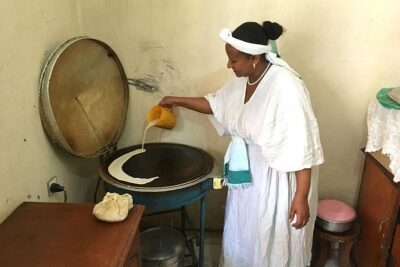
Market Tour and Cooking Class with a Coffee Ceremony at a Home in Addis Ababa
Read our review →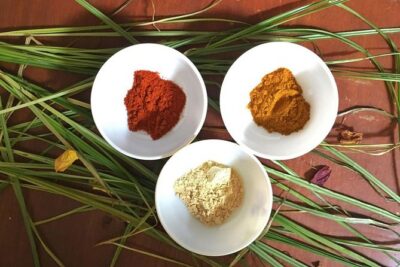
Ethiopian Cooking Class and Coffee Ceremony with a Local in Addis with transfers
Read our review →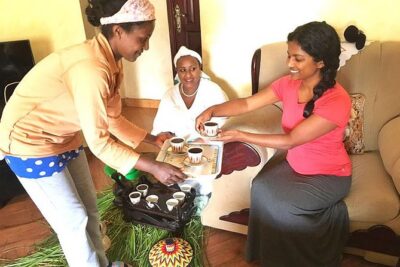
Unique Ethiopian Cooking Class and Coffee Ceremony with a Local in Addis Ababa
Read our review →
Lalibela: Churches Full-Day Private Tour w/Coffee Ceremony
Read our review →Browse the lists this tour appears in