
Review · JAPAN
Discover Japanese Coffee Brewing Experience at Tokyo
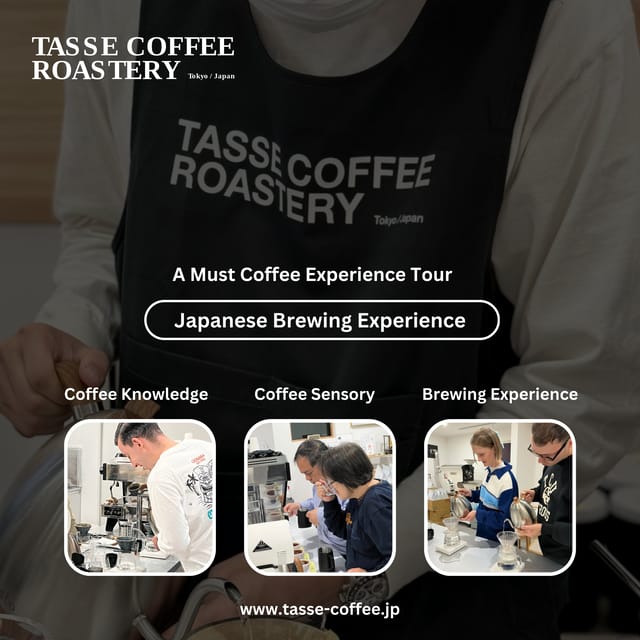
Tokyo’s coffee culture gets wonderfully hands-on at Tasse Coffee Roastery. Instead of simply drinking a carefully made cup, you learn how the beans, water, equipment, and technique shape the result. The most unusual part is comparing three methods: the elegant siphon, the traditional Kyūsu teapot, and hand drip. The tasting work is a real highlight, since you learn to notice aroma, acidity, body, and aftertaste.
I like the private-group format and the choice of English or Japanese instruction. I also like that the workshop goes beyond brewing tricks to explain coffee processing, bean types, roasting, and Japan’s café traditions. The main consideration is the price: at $116 per person for two hours, this makes the most sense if coffee is a serious interest, not simply a way to fill an hour in Tokyo.
Key points
- Three brewing methods: Compare siphon, Kyūsu, and hand-drip coffee rather than learning only one technique.
- Cupping practice: Train your palate to identify aroma, acidity, body, and aftertaste.
- Private instruction: A private group allows a more personal pace and room for questions.
- English or Japanese: The class suits international visitors and Japanese residents seeking coffee instruction in English.
- Tasse Coffee Roastery setting: Learn in a calm roastery with natural wooden tones and all equipment supplied.
- Premium tasting beans: Sample several blends and consider purchasing an optional coffee tasting kit afterward.
Why This Tokyo Coffee Class Is Different
Many coffee experiences stop at a tasting. This one asks you to pay attention to the full path from farm to cup, then gives you several brewing tools to test for yourself. That matters because coffee flavor is not controlled by the bean alone. Water temperature, pouring style, contact time, and brewing equipment all change what reaches your cup.
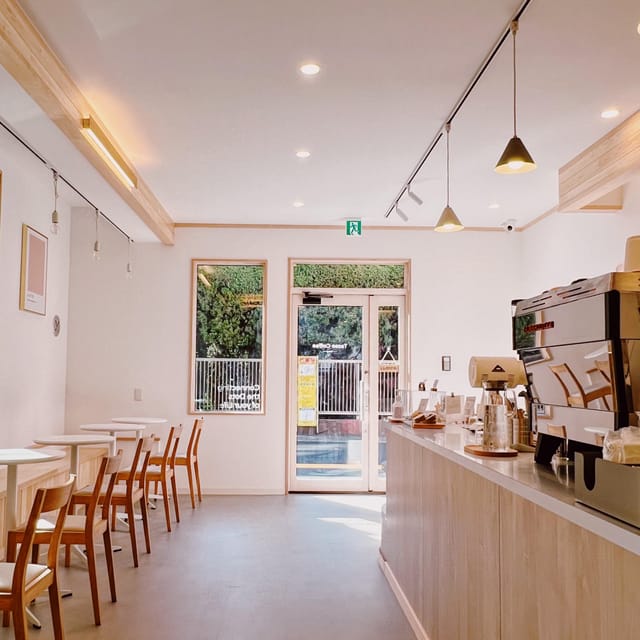
The workshop takes place at Tasse Coffee Roastery in Tokyo, in a setting designed with natural wooden tones. The atmosphere is meant to be calm and focused, a useful contrast to the noise and speed of a major city. You are not being rushed through a large public demonstration. This is a private group, with instruction in English or Japanese.
The class lasts two hours. That is enough time for several tasting comparisons and hands-on practice, but not enough for a long professional barista course. You should arrive expecting an enjoyable introduction with real technique, not a formal qualification or advanced coffee certification.
More Roastery Tours in the world:
- Hoi An: Vietnamese Coffee Making Workshop at Local Roastery
★ 4.8 · 174 reviews - Cartagena: Colombian Specialty Coffee Tasting
★ 4.4 · 130 reviews - Coffee Farm Tour with Roasting & Tasting Workshop – Da Lat
★ 5.0 · 126 reviews
Starting With Beans, Roasts, and Japan’s Coffee Traditions
The opening section gives you the basic vocabulary needed for the rest of the class. You learn about coffee’s journey from farm to cup, different types of beans, and the way roasting affects taste.
This first stage is useful even if you already make coffee at home. It gives you a reason for the differences you will taste later. A lighter or darker roast is not simply a matter of strength, and different beans can bring different aromas, acidity, and body to the cup.
You also get an introduction to the place coffee holds in Japan. Japanese coffee culture has its own habits and traditions, including careful preparation and an appreciation for slow, precise brewing. The workshop connects those ideas to the equipment you use later, especially the siphon and Kyūsu methods.
I like this foundation because it keeps the class from becoming a string of disconnected demonstrations. You are given enough context to understand why each method produces a different result. If you are new to coffee, the terminology may come quickly, but the tasting exercises give you a practical way to follow along.
Learning to Taste During the Cupping Session
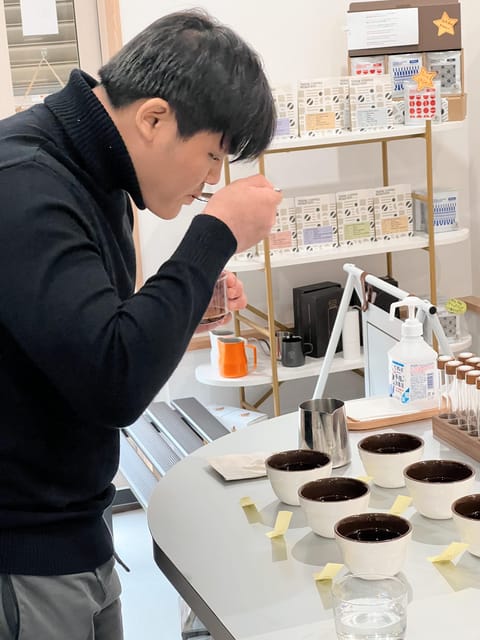
Cupping is one of the most valuable parts of the two-hour experience. Rather than drinking coffee casually, you taste it in a structured way and learn to look for specific traits.
Your instructors guide you through aromas, acidity, body, and aftertaste. These words can sound vague until you compare several coffees side by side. A coffee with noticeable acidity may feel bright or crisp, while body describes how substantial it feels in your mouth. Aftertaste asks what remains once you have swallowed.
The point is not to turn you into a coffee judge. It is to give you a better way to describe what you like. After this session, you will be better prepared to choose beans, understand café menus, and notice why two cups made from similar coffee can taste unlike each other.
The tasting also gives the class a strong practical rhythm. You first learn a little, then taste, then use what you have noticed in the brewing exercises. That mix works well for people who prefer doing something rather than sitting through a long lecture.
One useful expectation: the focus is on learning and comparison, not on drinking large quantities. You will sample various coffee blends and brews, but the value lies in noticing differences rather than leaving wired from excessive caffeine.
The Siphon Method, A Japanese Brewing Showpiece
The siphon is the most theatrical method in the workshop. It uses heat and pressure in a glass brewing setup, creating a process that is both visually engaging and precise.
You first see a demonstration, then practice the technique under instruction. The class explains the method’s place in Japanese coffee culture and how the brewing process affects flavor. The equipment can look intimidating at first, which is exactly why guided practice helps.
I like the siphon section because it shows that coffee preparation can be part science and part performance. You must pay attention to timing and handling, yet the process also has a graceful, almost ceremonial quality. It is a good match for anyone drawn to traditional café service and careful presentation.
The drawback is practical: siphon brewing requires more equipment and attention than a simple home pour-over. You may enjoy learning it without intending to use it every morning. That is not a problem, but you should see this part as a chance to understand a distinctive method rather than as the easiest technique to take home.
The tasting comparison is what makes the siphon worthwhile. You can judge how its brewing style changes the cup beside the other methods introduced during the class.
More Brewery Visits in the world:
- Istanbul: Turkish Coffee Brewing on Sand + Gift Set
★ 4.9 · 49 reviews - Coffee Brewing Workshop
★ 5.0 · 28 reviews - Medellin: Avoeden Café Coffee Brewing Workshop
★ 5.0 · 12 reviews - Antalya: Turkish Coffee Brewing on Sand & Fortune Telling
★ 4.9 · 7 reviews
Brewing Coffee in a Kyūsu Teapot
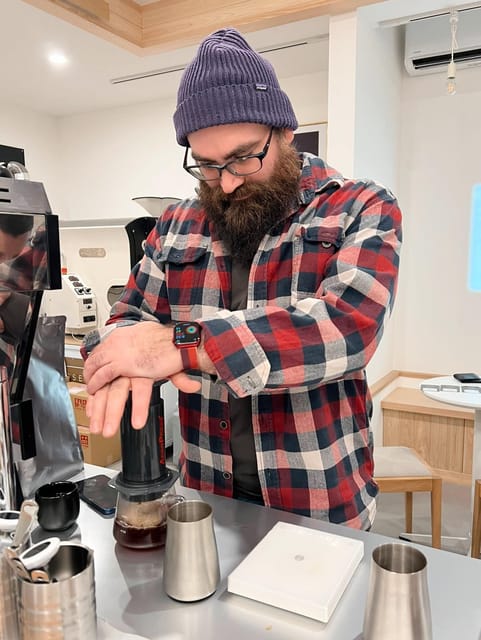
The Kyūsu section may be the most distinctly Japanese part of the experience. A Kyūsu is a traditional Japanese teapot, usually associated with tea, and here it is adapted for coffee brewing.
You learn how to use the pot for coffee and then compare the result with other preparations. This is not just a novelty item. The shape and handling of the pot affect how water moves through the grounds and how the finished coffee feels and tastes.
For visitors interested in Japanese craft traditions, this method adds something that a standard coffee class may not provide. It connects a familiar object from Japanese tea culture with a modern café interest. You get to see how an existing tool can be used in a new way without losing its traditional character.
The Kyūsu method may also appeal to home brewers who enjoy small rituals. It is less about speed and more about careful preparation. Since the workshop includes taste comparisons, you do not have to decide in advance that this is your favorite. Let the cup guide you.
The information provided does not specify the exact Kyūsu style or brand used, so do not book expecting a particular model or souvenir pot. The value is in learning the technique and understanding its effect on coffee.
Practicing the Hand-Drip Method
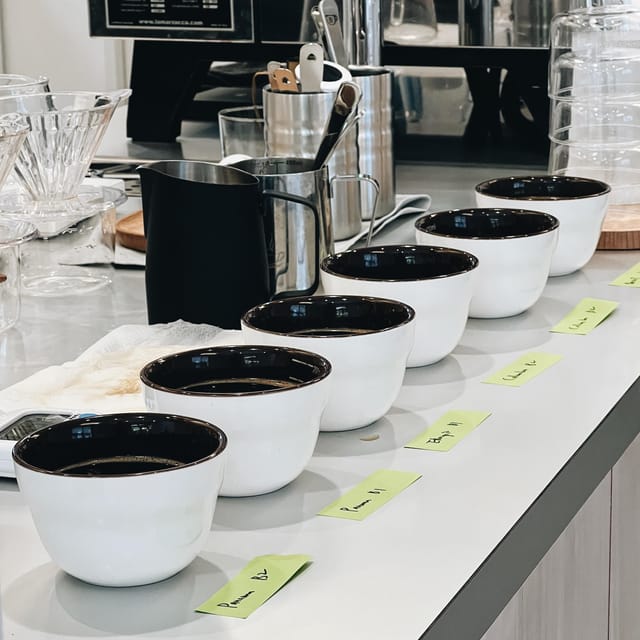
Hand drip is likely to be the most useful method for many people after the class. It is approachable, requires less specialized equipment than siphon brewing, and gives you plenty of control over the final cup.
The instruction covers water temperature and pouring technique, followed by hands-on practice. Those details matter. Pour too quickly, too slowly, or unevenly, and the coffee can taste very different. The workshop gives you a chance to adjust your approach and taste the result.
This section received especially strong praise from the available feedback. One participant described learning about coffee processing, different kinds of coffee, tasting, and hand-drip preparation, with hands-on practice as a central benefit. Another participant from Japan valued the chance to learn these skills in English, which shows that the class is not limited to first-time international visitors.
I like the hand-drip lesson because it transfers well to everyday life. You can leave with a clearer sense of how to control a brew rather than simply copying a recipe. Still, the class does not promise advanced professional training, and two hours cannot cover every variable in detail.
If you want one method you can continue practicing at home, pay close attention here. Ask questions about pouring and temperature while you have an instructor beside you.
What the Private Format Adds
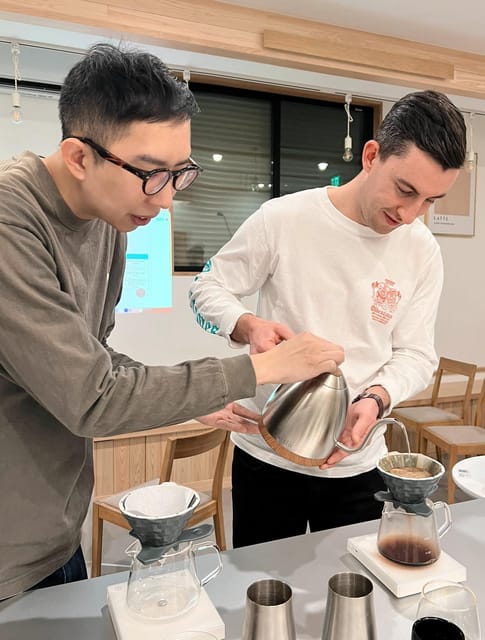
The private-group format is important at this price. A large class could make the siphon and hand-drip practice feel rushed, while a private group gives you more opportunity to handle the equipment and ask about flavor differences.
The class is taught in English or Japanese. That makes it useful for international visitors, but also for Japanese residents who want to discuss coffee in English. One Japanese participant specifically found the English-language format unusual and worthwhile.
The names of the instructors are not provided, so you should not expect a particular barista by name. You can expect instruction from experienced coffee professionals and two tutors who have been described as kind and helpful in their practical exercises.
Because the group is private, the experience may be a good fit for couples, friends, families with older teenagers, or colleagues who share an interest in coffee. Children under 16 are not suitable for this activity, so it is aimed at adults and older teens.
The Tasse Coffee Roastery Setting
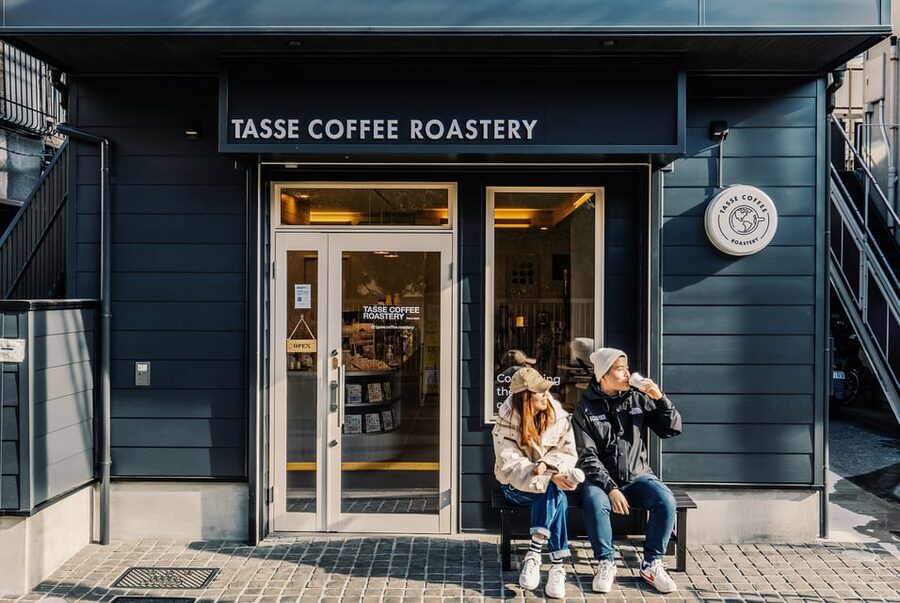
The venue uses soothing natural wooden tones and is described as comfortable and well equipped. That design choice fits the subject. Coffee brewing asks for attention, and a calm room makes it easier to smell, taste, and compare the samples.
You will have access to all necessary brewing and tasting equipment during the workshop. You do not need to bring your own brewer or special tools. Premium beans are supplied for the exercises, and several blends and prepared beverages are included.
An optional coffee tasting kit is available for purchase. The kit is not included in the $116 price, so treat it as an add-on rather than part of the core experience. It could be useful if you want to continue comparing coffees at home, but you should not feel pressured to buy it for the class to feel complete.
No transportation details are provided, so check the exact meeting information and location before booking. The experience is in Tokyo on Honshu, but the supplied details do not identify a station, neighborhood, or walking time.
Is $116 a Fair Price for Two Hours?
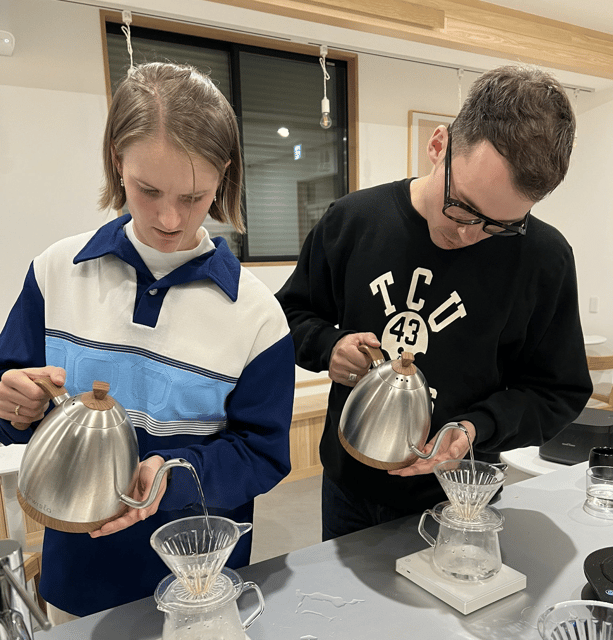
At $116 per person, this is not a casual café stop. You are paying for a private-group setting, professional instruction, several premium coffees, hands-on use of three brewing methods, tasting equipment, and all fees and taxes.
The price makes more sense if you value instruction and personal attention. A simple coffee tasting would cost far less, but it would not give you the same structured practice with siphon, Kyūsu, and hand drip. The class also saves you from buying or experimenting with several brewing setups on your own.
For a casual coffee drinker, the cost may feel high for two hours. You may be happier ordering coffee at a respected Tokyo café and spending the difference elsewhere. For a home brewer, coffee enthusiast, or visitor seeking a focused cultural activity, the private format adds real value.
The strong overall rating of 4.9 from eight ratings supports the idea that the class delivers a well-received experience, but the sample is small. I would use that score as one helpful sign, not as a guarantee that every participant will value the same things.
Who Should Book This Experience?
I would recommend this workshop to you if you meet one or more of these descriptions:
- You want a Tokyo activity built around participation, not sightseeing from a distance.
- You already make coffee at home and want to improve your hand-drip technique.
- You are curious about Japanese brewing traditions, especially the siphon and Kyūsu methods.
- You enjoy tasting exercises and want better language for describing coffee.
- You prefer private instruction in English or Japanese.
- You are planning an adult or older-teen activity and want something calm and indoors.
I would think twice if you dislike coffee, have limited interest in tasting details, or want a broad introduction to Tokyo rather than a focused workshop. The class is also not suitable for children under 16.
Book it as a specialized experience, not as a general sightseeing tour. Its reward is the skill and understanding you take away, along with a clearer sense of how Japanese coffee preparation differs from an ordinary cup.
Should You Book the Tasse Coffee Workshop?
You should book this experience if the idea of comparing a siphon, Kyūsu, and hand-drip coffee sounds more appealing than simply visiting another café. The private setting, bilingual instruction, structured cupping, and hands-on work give the two hours a clear purpose.
I especially like the balance between Japanese tradition and practical technique. You learn about coffee culture, but you also practice temperature control, pouring, tasting, and equipment use. That makes the class useful after your trip, particularly if you make coffee at home.
The $116 price is the main hurdle. It is fair for private instruction and multiple methods, but it is not a bargain activity. If you want a personal coffee lesson and a calm cultural experience, book it. If you only want to drink good coffee in Tokyo, spend less at a café and put the remaining money toward your next cup.
FAQ
Where does the coffee workshop take place?
The workshop takes place at Tasse Coffee Roastery in Tokyo, on Honshu, Japan.
How long does the experience last?
The workshop lasts two hours.
How much does the workshop cost?
The listed price is $116 per person.
Which brewing methods will I learn?
You will practice siphon brewing, the Kyūsu Japanese teapot method, and hand-drip brewing.
Is coffee tasting included?
Yes. The experience includes a cupping session, various coffee blends, and beverage samples.
What languages are available?
Instruction is available in English and Japanese.
Is this a private activity?
Yes. The group type is private.
Are children allowed to participate?
The activity is not suitable for children under 16.
Can I cancel for a full refund?
You can cancel up to 24 hours in advance for a full refund. You can also reserve now and pay later.
Just added around the world
- Yerevan: Private Coffee Tour with 2 Café Stops★ 5.0 · 2 reviews
- Vietnamese Coffee 101 Workshop★ 5.0 · 11 reviews
- Vietnamese Coffee Making Class in Hoi An★ 5.0 · 4 reviews
- Vietnamese cooking class and coffee making with local girl★ 5.0 · 5 reviews
- Venice Delights: Coffee & Food Experience Walking Tour★ 5.0 · 2 reviews
- Private Vienna Tour: Literature Walk with Coffee House Visit★ 5.0 · 2 reviews
- Turin: Art Nouveau Walking Tour with Coffee★ 5.0 · 11 reviews
- Turkish Coffee and Traditional Turkish Dessert Cooking★ 4.6 · 8 reviews
Specialty Coffee & Roastery Tours, compared.
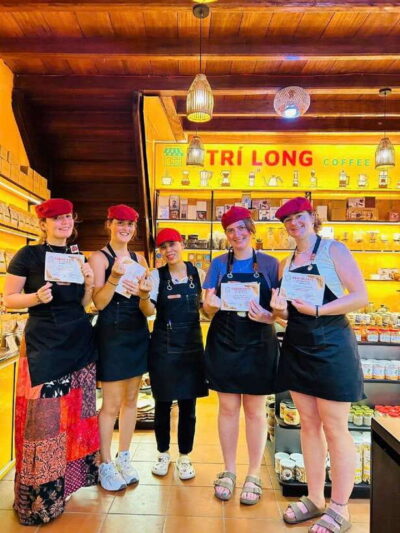
Vietnamese Coffee Making Workshop at Local Roastery
Read our review →
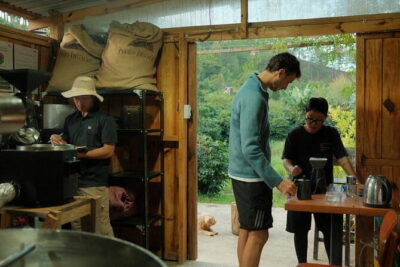
Coffee Farm Tour with Roasting & Tasting Workshop – Da Lat
Read our review →
Experience specialty coffee with sustainable coffee farmers
Read our review →
Vietnamese Bread & Brew: Banh Mi Baking Class & Specialty Coffee
Read our review →
Santo Domingo Small Group Walking Tour: Beer and Specialty Coffee
Read our review →
Browse the lists this tour appears in