
Review · SARAJEVO
Sarajevo: Bosnian Coffee Workshop with Brewing Lesson
Sarajevo’s coffee ritual is not a quick caffeine stop. It is a slow, hands-on lesson in how people meet, talk, and make time for one another. This experience takes you from Kazandžiluk’s coppersmith street to a small Old Town coffee bar, where you prepare your own cup with a copper set, foam, grounds, and patience.
I like two things right away: you see coffee being pounded in the traditional way, and you do the brewing yourself instead of simply watching a demonstration. Guide Armin also adds local context, pointing out favorite Sarajevo spots and explaining the custom in a relaxed setting.
The main consideration is that this is a cultural workshop, not a coffee-tasting tour with many different brews. If you dislike strong coffee or want a packed sightseeing schedule, two slow hours may feel like too much time for one drink.
Key points to know before booking
- See Sarajevo’s old craft street: Start beside the Sebilj fountain and walk into Kazandžiluk, where coppersmiths still work by hand.
- Pound the beans the old way: Stop at a small coffee shop and see how the coffee is crushed before brewing.
- Make your own Bosnian coffee: Heat the water, manage the foam, mix the grounds, and learn the correct pour.
- Use a traditional copper set: The workshop shows why Bosnian coffee is served in a džezva and small cup, rather than a large mug.
- Slow down with lokum: Finish the ritual with a sweet local treat and conversation about life in Sarajevo.
- Expect a small, easygoing group: Up to 10 people can join, with the experience lasting about 1.5 to 2 hours.
Why Bosnian coffee is the real subject
This workshop is about far more than preparing a hot drink. Bosnian coffee has a clear social role, and the method reflects that. You heat water, work with finely ground coffee, watch the foam, and pour carefully. The process asks you to pay attention.
That slower pace is the point. You are not taught to rush the coffee into a travel cup. You sit down, drink it with lokum, and talk. The coffee becomes a reason to pause, much as it has been for generations of Bosnian families and friends.
I like this approach because it gives you a small piece of daily life rather than another lecture about Sarajevo. You learn through your hands. The taste matters, but the ritual matters just as much.
You should also know that Bosnian coffee is traditionally prepared with very fine grounds. The grounds remain in the pot and settle in the cup, so you do not drink the final muddy mouthful. Your guide explains how to sip it properly and how the coffee is poured.
More Coffee Making Classes in the world:
- Hoi An: Vietnamese Coffee Culture and Coffee Making Class
★ 4.9 · 4,006 reviews - Istanbul: Turkish Coffee Making and Fortune Telling Workshop
★ 4.9 · 1,308 reviews - Hanoi Coffee Workshop: Taste Salt, Coconut and Egg Coffee
★ 5.0 · 1,286 reviews
Meeting at Sebilj and entering Kazandžiluk
The meeting point is in front of the Sebilj fountain on the main square in Sarajevo’s Old Town. This is a practical place to begin because it is easy to identify, and the walk immediately puts you among the old streets and craft shops.
If you prefer, the guide can pick you up at your accommodation. Confirm this when booking, since the standard meeting point remains the Sebilj fountain.
From there, you head into Kazandžiluk, Sarajevo’s famous coppersmith street. The name refers to the craft of making copper vessels, and the street is closely tied to the coffee service used in Bosnian homes and cafés.
You will hear the ring of metal tools and see artisans hammering patterns into copper by hand. This is not just scenery before the coffee lesson. It explains why the workshop uses a copper coffee set and connects the drink to one of Sarajevo’s oldest working crafts.
I find this opening useful because it gives you something solid to look at before anyone starts talking about tradition. You can see the material, the tools, and the people who make the serving pieces. The coffee ritual feels less abstract after that.
The street is part of the Old Town, so expect a walk through historic lanes rather than a formal museum visit. Wear comfortable, weather-appropriate clothing. The activity is easy and relaxed, but the route takes place outdoors before you sit down.
Watching the beans get pounded by hand
One of the most distinctive parts of the experience is the stop at a tiny coffee shop that many people pass without noticing. Here, coffee beans are crushed in the old-fashioned way.
The sound and motion make this a memorable lesson. Instead of seeing a modern electric grinder, you watch the coffee being pounded into the fine texture needed for Bosnian preparation. It is a small detail, but it shows how much care goes into a drink that can seem simple at first glance.
This stop also helps you understand the link between coffee and craft. The beans, the copper pot, the handwork, and the serving ritual all belong to the same idea: coffee is prepared with care and offered to another person.
Do not expect a long tasting flight or a large café stop here. The purpose is to see the traditional grinding method before continuing to the workshop location.
Brewing your own coffee in a copper set
The hands-on lesson takes place at a cozy coffee bar in the Old Town. This is where you move from watching to doing.
Your host guides you through each stage:
- Heating the water
- Adding and mixing the finely ground coffee
- Managing the foam
- Bringing the coffee to the right point
- Pouring it correctly into the small serving cup
The foam is an important part of the process. Your guide shows you how to handle it rather than simply pouring everything at once. The correct pour helps preserve the character of the drink and gives you a better sense of why the serving method has its own rules.
You do not need coffee-making experience. The workshop is designed for beginners, and the pace is described as easy and relaxed. You can ask questions as you go, which is helpful because the method may look simple but requires a little timing.
I especially like that you get to prepare the coffee yourself. A demonstration can be pleasant, but your own small mistakes make the method easier to remember. By the end, you will understand what the džezva does, why the coffee is served in a copper set, and how the grounds and foam behave.
The setting is a coffee bar rather than a large classroom. That should suit you if you prefer an informal lesson. It may be less appealing if you want a polished cooking-school presentation with printed recipes or several types of coffee.
More Brewery Visits in the world:
- Istanbul: Turkish Coffee Brewing on Sand + Gift Set
★ 4.9 · 49 reviews - Coffee Brewing Workshop
★ 5.0 · 28 reviews - Medellin: Avoeden Café Coffee Brewing Workshop
★ 5.0 · 12 reviews - Discover Japanese Coffee Brewing Experience at Tokyo
★ 4.9 · 8 reviews
Learning how to pour, sip, and wait
The guide does not stop at brewing. You also learn how to pour and drink Bosnian coffee in the traditional manner.
That includes knowing how to handle the cup, how to leave the grounds settled, and how to avoid rushing through the drink. Your host explains why this moment is meant to be shared and why conversation is part of the custom.
This is where the experience becomes more personal. You are not just memorizing a recipe. You are learning the social meaning behind the routine. Coffee gives people a reason to sit together, exchange news, and make room for conversation.
The workshop includes lokum, a soft sweet commonly served alongside coffee. The sweetness works well with the strong, unfiltered drink, and it gives you another part of the local serving custom to try.
If you normally drink coffee with milk or sugar, ask questions and take your time. The experience focuses on Bosnian coffee as traditionally prepared, not on adapting it into a familiar café drink.
Time for local conversation with Armin
The host is a professional licensed guide, and the guide named in the experience details and participant feedback is Armin. His role goes beyond giving instructions. He talks about his favorite places in Sarajevo and about life in the city, giving the workshop a local point of view.
That personal conversation is one of the strongest reasons to choose this activity. You can ask about Old Town customs, daily routines, and places to explore after the workshop. The discussion takes place while you are sipping coffee, so it feels like part of the visit rather than a separate question-and-answer session.
The available language options are English, Bosnian, Croatian, Serbo-Croatian, and Serbian. Check the selected language when you reserve, especially if language is important to your plans.
The group is limited to 10 participants. That is small enough for practical instruction, though the exact feel will depend on how many people join your date. A smaller group should make it easier to handle the coffee set and ask Armin questions.
A certificate or diploma may also be provided at the end. This detail appears in participant accounts, so treat it as a pleasant extra rather than the main reason to book. The important takeaway is the brewing lesson and the chance to understand the ritual.
Is $23 good value for two hours?
The listed price is $23 per group up to one person. Because the wording is unusual, check the final booking screen carefully to see how the price applies to your party and date.
At that price, the value depends on what you want from Sarajevo. You are paying for a licensed local guide, a walk through Kazandžiluk, the coffee-grinding stop, the copper set used in the lesson, your coffee, lokum, and roughly two hours of personal instruction.
I consider that a fair price for someone who values local contact and hands-on activities. The copper serving set and the guided preparation add more than a café visit would. You also get a clear introduction to a custom that is easy to miss if you only order coffee on your own.
The value is weaker if you are looking only for a cheap drink. Bosnian coffee can be ordered elsewhere for less, and this experience does not promise a full meal, multiple coffee styles, or a broad Old Town tour.
Think of it as a compact cultural lesson with a drink at the center. If you enjoy learning how ordinary customs work, the price makes sense. If you want maximum sightseeing in a short time, you may prefer to spend those two hours visiting several landmarks.
Who will enjoy this Sarajevo activity?
This workshop suits coffee lovers, but you do not need to be an expert. Beginners are welcome, and the lesson is built around simple steps that you can follow with help.
It is also a good choice for anyone who wants a gentle introduction to Sarajevo. The walking is limited, the practical activity is easy, and the conversation gives you a natural way to ask about the city.
I would particularly recommend it for:
- First-time visitors who want an Old Town activity with local contact
- People interested in food and drink traditions
- Couples or friends who enjoy relaxed experiences
- Solo visitors who want an easy small-group activity
- Coffee drinkers curious about preparation without modern equipment
- Culture seekers who prefer participation over a standard sightseeing talk
Families may also like the hands-on format, though the experience centers on coffee and conversation rather than a children’s attraction. Anyone who dislikes strong coffee may still enjoy the craft and cultural side, but should not book expecting a sweet café beverage.
The activity is not the best match for someone with a tightly packed schedule. The experience is intentionally unhurried, and that quiet pace is part of its purpose.
Practical details before you go
Plan on 1.5 to 2 hours, even though the main duration is listed as two hours. Starting times vary, so check availability for your chosen date.
Wear clothing suitable for the weather. You will begin outdoors on the Old Town streets before settling into the coffee bar.
The activity is offered in a small group of no more than 10 participants. It is described as easy and relaxed, with no special coffee skills needed.
Cancellation is free up to 24 hours before the start time for a full refund. You can also reserve now and pay later, which helps if your Sarajevo schedule is still changing.
The experience does not include personal expenses. Coffee, the workshop copper set, lokum, and the guide are included, but plan to pay for anything else you choose to buy during the visit.
My verdict: book it for the ritual, not just the coffee
I would book this if I wanted a calm, local activity in Sarajevo that connected a drink to craft, conversation, and daily life. The walk through Kazandžiluk, the hand-pounded beans, and the chance to brew your own coffee give the experience a clear sense of place.
I would skip it if I wanted a fast stop, a broad city tour, or a tasting menu. The workshop gives you one traditional preparation and asks you to slow down.
For most coffee lovers and culture-minded visitors, that is the appeal. Guide Armin’s local conversation, the copper set, the lokum, and the practical lesson make this more memorable than simply ordering a cup at a café. Set aside the time, arrive ready to sit and talk, and you will get the most from it.
FAQ
Where does the Bosnian coffee workshop start?
The standard meeting point is in front of the Sebilj fountain on the main square in Sarajevo’s Old Town. The guide can also pick you up from your accommodation if you request it.
How long does the activity last?
The experience is listed as two hours, with the practical duration described as about 1.5 to 2 hours.
How much does the workshop cost?
The listed price is $23 per group up to one person. Check the booking details for the exact price for your party and date.
What is included in the price?
The price includes Bosnian coffee, use of a copper coffee set, the hands-on brewing lesson, a local lokum sweet, and a professional licensed local guide.
Do I need coffee-making experience?
No. The workshop is beginner-friendly and teaches each step of the preparation process.
How many people can join?
The activity is offered as a small group with a maximum of 10 participants.
Which languages are available?
The available languages are English, Bosnian, Croatian, Serbo-Croatian, and Serbian.
Will I visit a coppersmith street?
Yes. The experience begins in Kazandžiluk, Sarajevo’s historic coppersmith street, where you can see artisans working with copper by hand.
Can I see how the coffee is ground?
Yes. The route includes a stop at a small coffee shop where beans are crushed using a traditional method.
Is cancellation available?
Yes. You can cancel up to 24 hours in advance for a full refund. A reserve-now, pay-later option is also available.
Just added around the world
- Yerevan: Private Coffee Tour with 2 Café Stops★ 5.0 · 2 reviews
- Vietnamese Coffee 101 Workshop★ 5.0 · 11 reviews
- Vietnamese Coffee Making Class in Hoi An★ 5.0 · 4 reviews
- Vietnamese cooking class and coffee making with local girl★ 5.0 · 5 reviews
- Venice Delights: Coffee & Food Experience Walking Tour★ 5.0 · 2 reviews
- Private Vienna Tour: Literature Walk with Coffee House Visit★ 5.0 · 2 reviews
- Turin: Art Nouveau Walking Tour with Coffee★ 5.0 · 11 reviews
- Turkish Coffee and Traditional Turkish Dessert Cooking★ 4.6 · 8 reviews
Coffee Making Classes, compared.
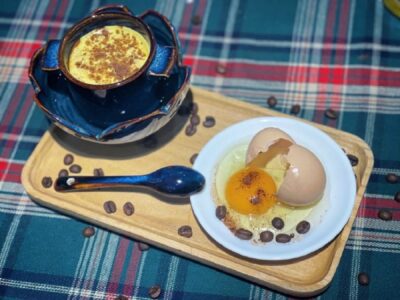
Vietnamese Coffee Culture and Coffee Making Class
Read our review →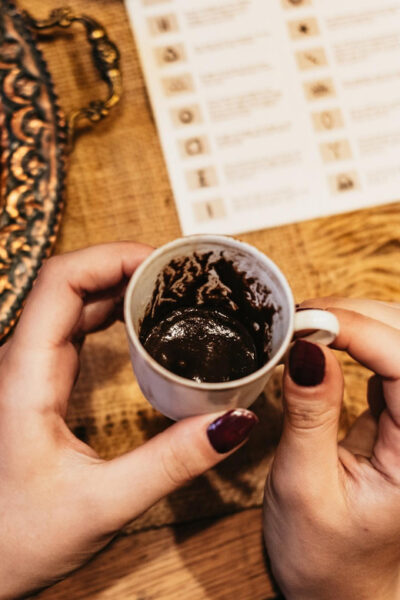
Turkish Coffee Making and Fortune Telling Workshop
Read our review →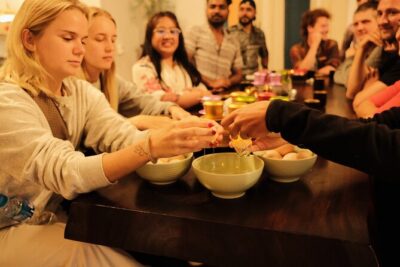
Hanoi Coffee Workshop: Taste Salt, Coconut and Egg Coffee
Read our review →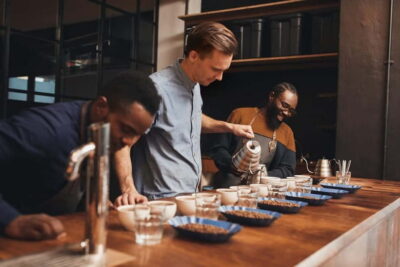
Salt Coffee Workshop Awake Your Senses With 6 Brews
Read our review →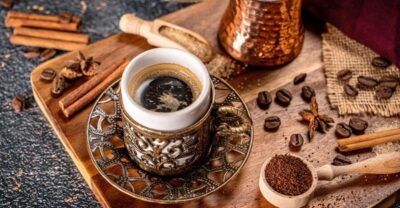


Turkish Coffee Making and Fortune Telling Workshop
Read our review →Browse the lists this tour appears in