
Review · ADDIS ABABA
Ethiopian Culinary Tour – Market, Food, Coffee Ceremony & more
The best part of this Addis Ababa food tour is that it treats food as a doorway into daily life. You move from produce stalls and spice sellers to an injera-making session, then sit down for a meal at Taitu Hotel, Ethiopia’s oldest hotel. Later, coffee is roasted by hand in Sululta, with honey wine to follow.
I like the way the day combines places you could not easily connect on your own, especially the chaotic market lanes and the family-run injera demonstration. I also like the flexible guiding. Zerefa, Samuel, Seya, Emmanuel, Abiy, and others are praised for explaining local life clearly and adjusting stops when guests have already seen part of the route. The main consideration is pace: five to six hours covers a lot, and Merkato can be crowded and tiring.
Key points at a glance
- Merkato spices and market life: Walk through the spice section of Africa’s largest open-air market with a guide who can help you understand what you are seeing.
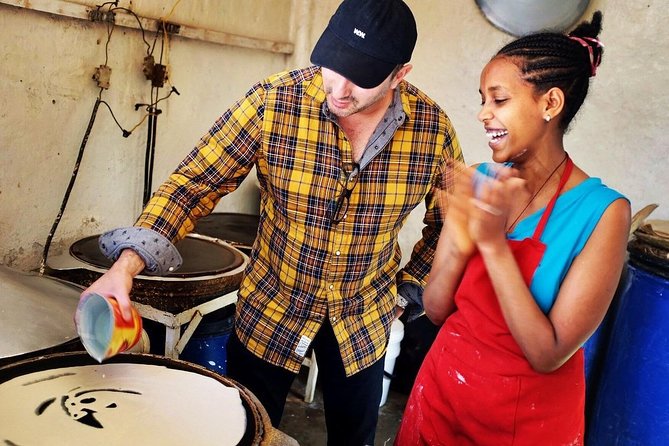
- Make and eat injera: Try preparing Ethiopia’s famous sourdough flatbread with a group of local women.
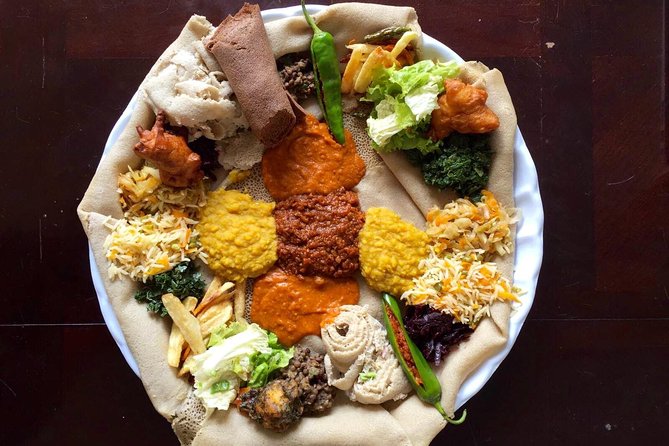
- Lunch at Taitu Hotel: Sample an assortment of Ethiopian dishes at the country’s oldest hotel.
- Tomoca Coffee: Stop at one of Addis Ababa’s oldest coffee shops for coffee or a macchiato, with roasted beans available to buy.
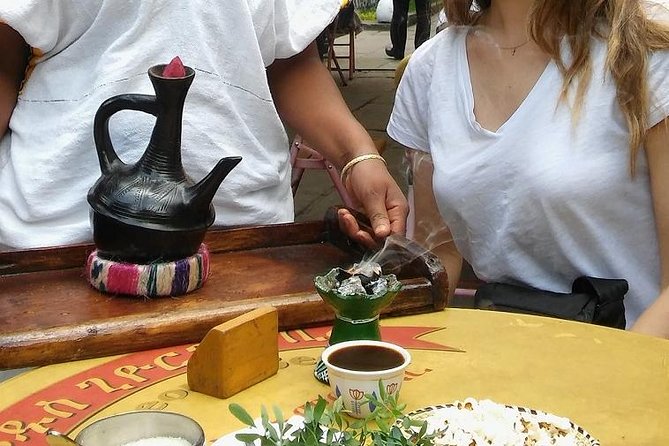
- Sululta coffee ceremony: Watch beans being washed and roasted before drinking coffee in the traditional way.
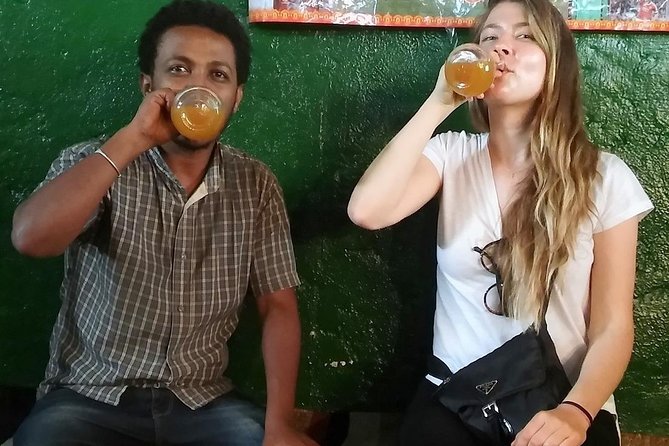
- Honey wine tasting: Finish the cultural part of the day with a glass of Ethiopian tej in the mountain town of Sululta.
A food tour that puts Addis Ababa on your plate
Many city tours show you monuments, churches, and museums. This one focuses on what people buy, cook, drink, and share. That makes it a useful first look at Addis Ababa, especially if you have only one free day after a conference or before a flight.
You ride with a driver and an English-speaking guide, stopping at markets, cafés, a historic hotel, and a rural-style coffee setting outside the city. Transportation, fuel, lunch, bottled water, and hot drinks are included, so you are not constantly reaching for your wallet.
The tour is priced at $85 per person. I consider that fair if you want a guided introduction to several parts of the city in one outing. You are paying not only for food, but also for a private vehicle, local guides, market assistance, and the practical ease of hotel pickup and drop-off. The value is weaker if you mainly want a restaurant meal or a quick coffee tasting.
The group can reach 30 people, although the quality of the day will depend partly on how large your particular departure is. Ask about the expected group size if personal attention matters to you.
More Coffee Ceremonies in the world:
- Market Tour and Cooking Class with a Coffee Ceremony at a Home in Addis Ababa
★ 5.0 · 32 reviews - Ethiopian Cooking Class and Coffee Ceremony with a Local in Addis with transfers
★ 5.0 · 14 reviews - Ethiopian Culinary Tour – Market, Coffee Ceremony and More
★ 5.0 · 10 reviews
Atkilt Tera begins with Addis produce
The morning starts with pickup at your Addis Ababa accommodation, house, or the airport, then heads toward Atkilt Tera, the city’s largest open market for fruit and vegetables. The market sits between Piassa and Merkato, giving you an early look at the everyday food economy of the capital.
This is not a polished food hall. It is a working market, where the point is to see ingredients in their normal setting. Your guide can help connect what you see here with the dishes you eat later in the day.
You should expect a sensory stop rather than a formal tasting session. Produce markets are useful for understanding how much of Ethiopian cooking begins with basic, fresh ingredients before spices, sauces, and injera bring the meal together.
Merkato brings the strongest street-life experience
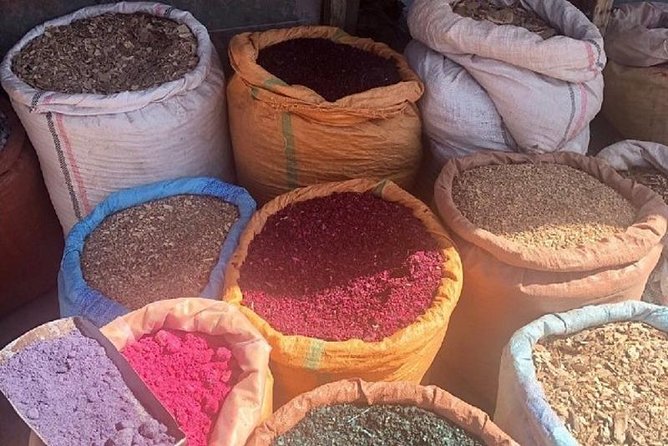
The next market stop is Merkato, described as the largest open-air market in Africa. The tour concentrates on the spice market in its center, where the smells and colors become more intense than at Atkilt Tera.
This is one of the most valuable parts of the day because Merkato is difficult to understand from a car window. The lanes can be crowded and confusing, and a guide makes it easier to move through them while keeping your attention on the goods around you. One guide and driver team, Zerefa and Tamirsat, received particular praise for looking after a solo guest in the busiest sections.
Keep your belongings close and wear practical shoes. The market is a real commercial district, not a staged attraction. That means it may feel noisy, crowded, and rough around the edges. It also means you see Addis Ababa in ordinary motion, with more honesty than you get at a standard sightseeing stop.
If you want souvenirs, this is a good time to ask your guide for help with prices. Desale is specifically noted for helping a guest find suitable souvenirs at a fair price. Do not expect every purchase to be included, and remember that bargaining is part of the market experience.
Learning injera makes lunch more meaningful

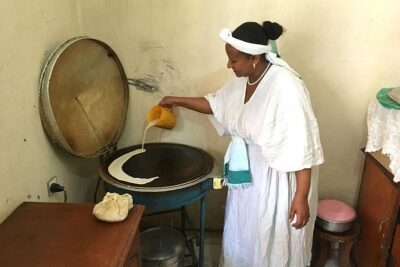
After the market, you meet women who demonstrate how to prepare injera, Ethiopia’s traditional fermented flatbread. You do not just watch from a distance. You get the chance to try making it yourself, then eat what you prepare.
Injera is more than a side dish. It is the plate, utensil, and foundation for much of an Ethiopian meal. Stews and vegetables are arranged on top, and you tear off pieces of the bread to scoop up the food. Seeing how it is made gives you a better sense of the skill behind something that can look simple on a restaurant table.
Your own round may not come out perfectly. That is part of the fun. One guest described the attempt as hilariously bad, while still finding the activity enjoyable. The hands-on element also makes this a good stop for families with children old enough to participate. The stated minimum age is eight.
This portion may be especially interesting if you have already sampled Ethiopian food but want to understand its preparation. One practical limitation is that the tour focuses on injera rather than teaching you how to prepare the stews and spice blends served with it. If you want a full cooking class, this is not quite that.
More Food and Drink Tours in the world:
- 4×4 Dominican Adventure with Chocolate and Coffee Tasting
★ 5.0 · 2,920 reviews - 4×4 ATV Experience, Water Cave, Chocolate and Coffee Tasting
★ 5.0 · 1,430 reviews - Early Morning My Son Sanctuary Trip w. Champa Food & Coffee
★ 5.0 · 629 reviews - Buggy Ride Into the jungle with cave coffee & chocolate tasting
★ 5.0 · 465 reviews
Taitu Hotel turns lunch into a history stop
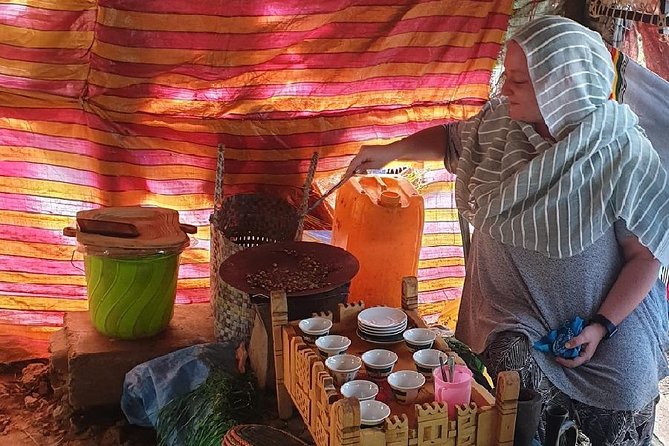
Lunch takes place at Taitu Hotel in Piassa, described as the first hotel in Ethiopia and the oldest hotel in Addis Ababa. The meal is served as an assortment of Ethiopian dishes in buffet form, with a bottle of water and hot drinks included.
This is a smart choice for a culinary tour. Instead of giving you one plate and sending you on your way, a buffet lets you sample several preparations. It also works well if you are still learning which flavors and textures you prefer.
The historic setting gives the meal extra interest, but do not expect a long architectural tour. The focus remains food, with sightseeing in Piassa afterward. The stop is scheduled for about an hour, so you get time to eat without turning lunch into a drawn-out break.
Portions are described as generous, and the meal is one of the stronger value points in the $85 price. If you have dietary restrictions, tell the operator when booking. The supplied details do not specify vegetarian, vegan, gluten-free, or allergy arrangements, so it is best not to assume a special menu.
Tomoca shows Addis Ababa’s coffee culture
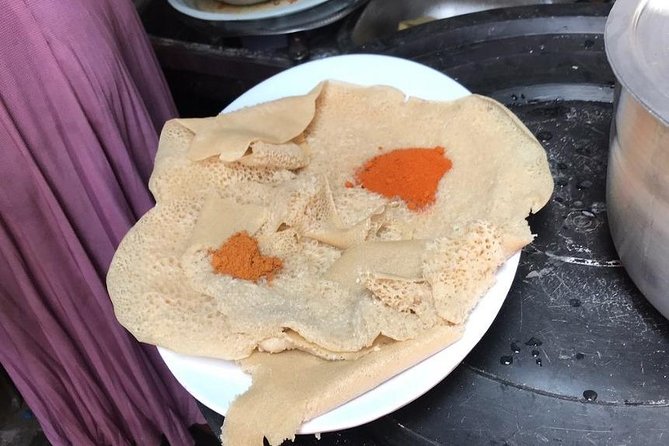
The Tomoca Coffee stop lasts about 30 minutes. Ethiopia is strongly associated with coffee, and Tomoca gives you a quick look at the city’s established café tradition.
You can order a cup of coffee or a macchiato brewed using the café’s long-standing methods. Roasted and ground coffee is also available for purchase, making this an easy place to buy a practical souvenir rather than another decorative object.
The stop is short, so think of it as a focused tasting rather than a full coffee workshop. The more detailed coffee lesson comes later in Sululta. Tomoca is about drinking coffee in a famous local institution, while Sululta is about watching the ceremony from start to finish.
Some guests have already visited Tomoca or other city sights before taking this tour. The guides are reported to be willing to adjust the day, sometimes replacing a repeated stop with an art gallery or another local sight. That flexibility is useful, but it should not be treated as guaranteed. Tell the operator ahead of time what you have already done.
Sululta slows the day down with a coffee ceremony
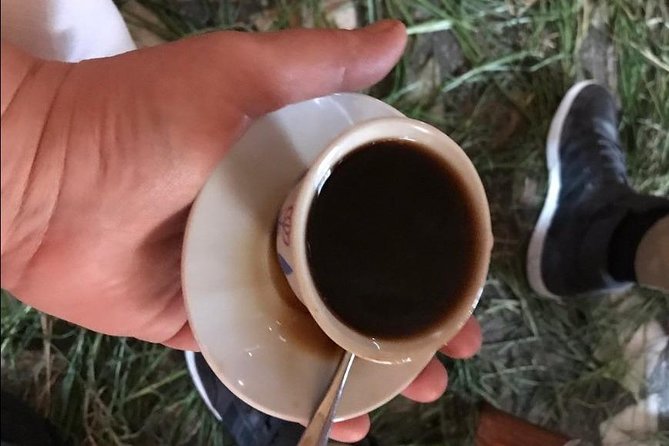
The final major stop is Sululta, a mountain town outside Addis Ababa. The ride gives you a change of pace after the market and city streets, and the setting adds a rural note to a tour that otherwise stays close to the capital.
The coffee ceremony takes around two hours. You watch the beans being washed, roasted live, and prepared before drinking the finished coffee. This is much more than ordering a cup at a café. The preparation itself is social and ceremonial, and the time spent watching it helps explain why coffee carries such importance in Ethiopia.
The ceremony is one of the most praised parts of the experience. It gives you something you are unlikely to reproduce by simply visiting a modern café, and it pairs well with the earlier Tomoca stop. First you see the city’s established coffee culture, then you see the traditional preparation in a more intimate setting.
You also taste tej, Ethiopia’s honey wine. A glass is included, while other alcoholic drinks are not covered. The supplied information also notes that locally made vodka and beer may be available or discussed, but you should expect to pay separately for alcohol beyond the included honey wine.
This stop can be a highlight for anyone curious about Ethiopian food and drink customs. It may be less appealing if you want a tightly timed city tour, since the ceremony occupies a large part of the day and requires travel outside central Addis Ababa.
The guides shape the quality of the day
The route has several moving parts, so the guide matters. The strongest feedback centers on guides who explain history and culture in clear English while changing the schedule when needed.
Zerefa is repeatedly praised for his professionalism, flexibility, and ability to add extra sights when the standard route overlaps with something you have already done. Seya is described as especially strong on Ethiopian history and culture. Samuel receives credit for explaining where the group was going and why each stop mattered. Emmanuel is praised for arriving on time and choosing good spots around Addis Ababa.
The operator may also provide a multilingual guide, so English ability can vary by departure. An English-speaking guide is included, but if detailed explanation is important to you, request an English-focused guide when booking.
The driver is not simply a chauffeur. Getting between Atkilt Tera, Merkato, Piassa, and Sululta takes local road knowledge, and a private vehicle saves you from arranging several rides yourself. The tradeoff is that traffic can affect the exact timing, especially on a day that crosses both central Addis Ababa and the surrounding hills.
What the $85 price really covers
At $85, the tour is not the cheapest way to eat in Addis Ababa. You could spend far less on a café meal and a coffee. But that comparison misses the point.
The fee covers a full route, private ground transportation, a driver, fuel, an English-speaking guide, local guides, lunch, water, and hot drinks. It also includes the injera activity, coffee ceremony, and honey wine tasting. For a visitor with only one open day, the ability to combine markets, food, coffee, and a nearby mountain setting has real value.
The cost makes the most sense for solo visitors and first-time visitors who want structure. It also suits people who would rather not negotiate market lanes or arrange transport to Sululta independently. Group discounts are offered, though the amount is not specified.
Tips are not included. Alcohol beyond honey wine and any other unlisted purchases are also extra. Bring some money for coffee, souvenirs, or additional drinks.
Timing, comfort, and practical details
The experience lasts approximately five to six hours, although the description also calls it a full-day tour. That difference likely reflects traffic, pickup arrangements, and how long each stop takes. Plan for a substantial part of your day rather than assuming a short morning outing.
Pickup is offered from hotels, houses, or the airport in Addis Ababa. The listed meeting point is Edna Mall on Cameroon Street, and the activity ends back at the meeting point. Confirm the exact pickup plan before the tour, particularly if you are staying outside the central area.
The tour operates in all weather, so dress for the forecast. Comfortable walking shoes are important for the markets, and modest, practical clothing is a sensible choice for a day that includes local homes or family businesses.
Most people can participate, but the route includes walking through crowded markets and a long day of changing locations. The minimum age is eight. The maximum group size is 30, and the activity is near public transportation.
Free cancellation is available up to 24 hours before the start time. Changes or cancellations inside that window are not accepted for a refund. If poor weather forces cancellation, you are offered another date or a full refund.
Who should book this Addis Ababa food tour?
I would choose this tour if you want food tied to place and people, not just a list of restaurant stops. It is especially useful on a first visit, during a short business trip, or when you want a guided introduction before exploring Addis Ababa on your own.
It suits curious eaters, coffee fans, families with older children, and solo visitors who value transport and local guidance. It also works for repeat visitors if you tell the guide what you have already seen and ask for substitutions.
I would think twice if you dislike crowded markets, prefer a quiet cooking lesson, or want a single neighborhood explored at a slow pace. This is an active route with several changes of setting. The reward is variety, from spice stalls and injera batter to historic lunch, city coffee, and a traditional ceremony in Sululta.
Should you book it?
Yes, if your priority is an efficient and human look at Addis Ababa’s food culture. The best reasons to book are the guided walk through Merkato, the chance to make and eat injera, and the extended coffee ceremony with honey wine in Sululta.
The tour is not perfect. Five to six hours is packed, the market can be tiring, and the exact experience depends on the guide and group size. Still, the $85 price is reasonable for the transport, meals, hands-on activities, and local context included. Request a flexible guide such as Zerefa if possible, confirm pickup details, and arrive ready for a full day of eating, walking, learning, and coffee.
FAQ
How long does the Ethiopian Culinary Tour last?
The experience lasts approximately five to six hours. It is also described as a full-day tour, so allow a substantial part of your day for traffic and pickup arrangements.
What is included in the price?
The price includes Addis Ababa pickup and drop-off, ground transportation with a car, driver, and fuel, an English-speaking guide, local tour guides, lunch, a bottle of water, and hot drinks.
Where does the tour visit?
The route includes Atkilt Tera, Merkato, Tomoca Coffee, Taitu Hotel in Piassa, and Sululta for a traditional coffee ceremony and honey wine tasting.
Is lunch included?
Yes. Lunch is served at Taitu Hotel and includes an assortment of Ethiopian dishes, a bottle of water, and hot drinks.
Do I get to make injera?
Yes. You meet local women who demonstrate the process and give you the chance to try making injera yourself. You can eat what you make.
Is honey wine included?
Yes. A honey wine tasting is included during the Sululta stop. Other alcoholic drinks are not included.
Is hotel pickup available?
Yes. Pickup and drop-off are offered from any location in Addis Ababa, including a hotel, house, or airport. Edna Mall is listed as the meeting point, so confirm the exact arrangements before the tour.
Can children join the tour?
Yes. Most people can participate, and the minimum age is eight. The tour can have up to 30 participants.
More Market Visits in the world
- Da Nang Cooking Class with Coffee Tasting and Market Visit
★ 5.0 · 310 reviews - Coffee Crawl & VIP Morning in Pike Place Market
★ 5.0 · 75 reviews - Coffee & Food Tastings at Pike Place Market
★ 5.0 · 67 reviews - Vietnam Flavour: Market-to-Table & The Art of Egg Coffee
★ 5.0 · 53 reviews
More Food Tours in the world
- Hanoi: Vietnamese Street Food Tour with Egg Coffee
★ 4.9 · 315 reviews - Hungry in Vienna? A Food Lover’s Coffee & Market Walk
★ 4.9 · 276 reviews - Private Walking Tour, Food Tasting and Bosnian Coffee in Sarajevo
★ 5.0 · 255 reviews - Vienna: Typical Austrian Food Tour with Coffee House Visit
★ 4.8 · 159 reviews
Just added around the world
- Yerevan: Private Coffee Tour with 2 Café Stops★ 5.0 · 2 reviews
- Vietnamese Coffee 101 Workshop★ 5.0 · 11 reviews
- Vietnamese Coffee Making Class in Hoi An★ 5.0 · 4 reviews
- Vietnamese cooking class and coffee making with local girl★ 5.0 · 5 reviews
- Venice Delights: Coffee & Food Experience Walking Tour★ 5.0 · 2 reviews
- Private Vienna Tour: Literature Walk with Coffee House Visit★ 5.0 · 2 reviews
- Turin: Art Nouveau Walking Tour with Coffee★ 5.0 · 11 reviews
- Turkish Coffee and Traditional Turkish Dessert Cooking★ 4.6 · 8 reviews
Coffee Ceremony Experiences, compared.
Market Tour and Cooking Class with a Coffee Ceremony at a Home in Addis Ababa
Read our review →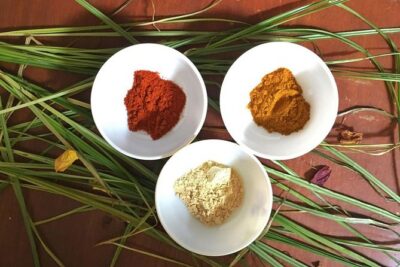
Ethiopian Cooking Class and Coffee Ceremony with a Local in Addis with transfers
Read our review →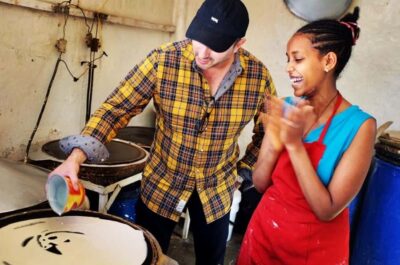
Ethiopian Culinary Tour – Market, Coffee Ceremony and More
Read our review →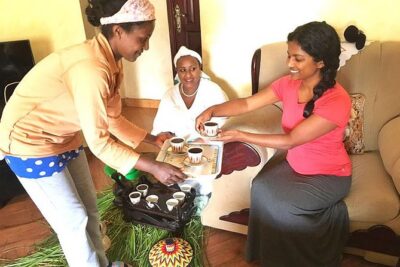
Unique Ethiopian Cooking Class and Coffee Ceremony with a Local in Addis Ababa
Read our review →
Lalibela: Churches Full-Day Private Tour w/Coffee Ceremony
Read our review →Browse the lists this tour appears in